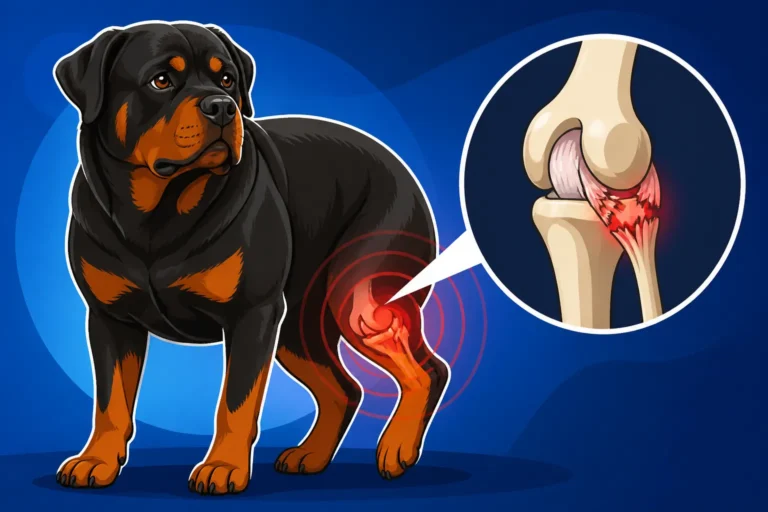
JLPP and the Rottweiler DNA Test
Discovering that your beloved Rottweiler puppy might be at risk for a serious genetic condition like JLPP (Juvenile Laryngeal Paralysis & Polyneuropathy) can be absolutely heartbreaking and overwhelming. It’s a terrifying prospect to face the possibility of your strong, vibrant companion struggling with breathing and mobility issues from a young age. This comprehensive guide is here to walk you through everything you need to know about JLPP in Rottweilers, from understanding its genetic roots to interpreting DNA test results and preparing for what comes next.
What is JLPP and Why Does It Affect Rottweilers?
JLPP, or Juvenile Laryngeal Paralysis & Polyneuropathy, is a nasty mouthful, but what it describes is even more serious: a progressive, inherited neurological disorder that primarily impacts young Rottweilers. Imagine your energetic puppy suddenly struggling to breathe, or stumbling on their own paws – that’s the reality for dogs affected by JLPP. This isn't just a random occurrence; it's rooted deep in their genetic makeup, passed down silently through generations until it manifests in affected puppies. It’s one of those silent threats that responsible breeders are working so hard to eradicate, and why understanding JLPP and the RAB3GAP1 Gene in Rottweilers is so crucial.
The RAB3GAP1 Gene's Role
At the heart of JLPP lies a specific genetic mutation within the RAB3GAP1 gene. This gene is responsible for producing a protein that is vital for the proper function of nerve cells, particularly those involved in controlling muscle movement and sensory perception. When a mutation occurs in this gene, these nerve cells can't function correctly, leading to a breakdown in communication between the brain and various parts of the body. For Rottweilers, this typically starts with the nerves controlling the larynx (voice box), causing paralysis, and then extends to other peripheral nerves throughout the body.
Think of it like a faulty electrical wire in your house. Initially, you might notice one light flickering (the laryngeal paralysis), but eventually, more appliances start to fail as the wiring degrades (the polyneuropathy affecting other limbs). It’s a systemic issue, not just a localized one, and it’s why the condition is so devastating. Without this vital protein working as it should, the nervous system begins to deteriorate, leading to the clinical signs we observe.
Understanding Recessive Inheritance
JLPP is an autosomal recessive inherited disorder. What does that mean in plain English? It means a puppy has to inherit two copies of the mutated RAB3GAP1 gene – one from each parent – to actually develop the disease. If a puppy inherits only one copy of the mutated gene and one normal copy, they won't show symptoms of JLPP. Instead, they become a "carrier." Carriers are healthy themselves, but they carry the potential to pass the faulty gene on to their offspring.
This is where things get tricky for breeders and why unsuspecting owners can end up with an affected puppy. Two seemingly healthy carrier parents, when bred together, have a 25% chance with each puppy in the litter of producing an affected offspring, a 50% chance of producing another carrier, and a 25% chance of producing a completely clear puppy. It’s a genetic lottery, and without proper testing, it’s a gamble no one should be taking with a Rottweiler’s health. This recessive pattern is why screening is absolutely paramount, as parents can appear perfectly fine while still harboring the risk.
Recognizing the Early Signs of JLPP in a Puppy
One of the most frustrating aspects of JLPP is that it often begins subtly, making early detection a challenge for even the most vigilant owners. You might notice something off, but it’s hard to pinpoint exactly what. The signs typically emerge when a Rottweiler puppy is between 3 to 9 months of age, a period when they should be bursting with energy and learning new things. Instead, these puppies start to show a worrying decline in abilities that are crucial for their development and quality of life. Catching these early indicators can make a difference in managing the condition, though the progression is sadly inevitable. Understanding Early JLPP Signs in a Rottweiler Puppy can help you advocate for your pup.
Changes in Bark and Swallowing Difficulties
The initial and often most noticeable signs of JLPP are related to the laryngeal paralysis component. Owners might first report that their puppy's bark sounds different – perhaps hoarse, softer, or even completely absent. This change happens because the nerves controlling the muscles of the voice box are weakening, preventing the vocal cords from moving properly. It’s a distressing sound, a muted version of what should be a robust Rottweiler bark.
Beyond the bark, you might start to see issues with swallowing. Affected puppies may cough or gag during or after eating and drinking, especially with water. They might seem to struggle to get food down, leading to episodes of choking or bringing up food. This is due to the impaired function of the laryngeal muscles, which normally help protect the airway during swallowing. These swallowing problems, known as dysphagia, carry a significant risk of aspiration pneumonia, where food or liquid enters the lungs, making an already difficult situation even more dangerous. This respiratory distress often becomes the most critical symptom, necessitating veterinary intervention.
Developing Weakness and Coordination Issues
As JLPP progresses and the polyneuropathy component takes hold, you’ll begin to observe more generalized neurological symptoms affecting the puppy's movement and coordination. A once playful puppy might start to seem clumsier, exhibiting a wobbly gait or stumbling over their own feet. You might notice them dragging their back paws slightly or struggling to maintain balance, especially when turning or going up and down stairs. This muscular weakness and ataxia (lack of voluntary coordination) typically affect the hind limbs first, making their rear end appear weak and unstable.
The overall energy level of the puppy might also decrease; they may tire more easily during play or walks, preferring to rest rather than engage in activity. In severe cases, they might struggle to stand up from a lying position or even collapse. These symptoms are a clear indication that the peripheral nerves supplying the muscles in the limbs are deteriorating, leading to muscle atrophy and significant mobility challenges. Witnessing such a powerful breed lose its physical prowess at such a young age is truly heartbreaking for any owner.
The Diagnostic Journey for JLPP
When you notice these unsettling symptoms in your Rottweiler puppy, your mind immediately jumps to the worst-case scenarios. The diagnostic process for JLPP can feel like a maze, full of tests and waiting, but it’s essential for a definitive answer. Veterinarians will start by ruling out other more common conditions that might present with similar symptoms, which can be a relief but also prolongs the uncertainty. It's a journey that requires patience and close collaboration with your vet, and potentially a veterinary neurologist, to get a clear picture.
Veterinary Examination and Clinical Suspicion
Your first step will be a thorough veterinary examination. Your vet will listen to your puppy's lungs and heart, observe their gait, and perform a neurological exam. They’ll be looking for signs like a hoarse bark, difficulty breathing, a lack of muscle tone in the larynx, and any abnormal gait or weakness in the limbs. They might perform a laryngeal exam, often under light sedation, to visually inspect the movement of the arytenoid cartilages in the voice box. In a healthy dog, these cartilages move apart efficiently when the dog inhales, opening the airway. In a dog with laryngeal paralysis, this movement is diminished or absent.
Based on the clinical signs and the breed, your vet might develop a strong suspicion of JLPP. However, these clinical signs can mimic other conditions such as myasthenia gravis, polyradiculoneuritis, or even certain metabolic disorders. They might recommend blood tests, X-rays of the chest (to check for aspiration pneumonia), and other imaging to rule out these possibilities. The goal here is to narrow down the potential causes and establish a strong clinical picture that points towards a neurological origin.
Confirmation Through DNA Testing
While clinical signs can lead to a strong suspicion, the only way to definitively confirm JLPP is through a DNA test. This test is non-invasive, usually requiring just a simple cheek swab or a small blood sample from your dog. The sample is then sent to a specialized veterinary genetics laboratory for analysis. What they are looking for is that specific mutation in the RAB3GAP1 gene that we discussed earlier.
The results of this test are incredibly powerful because they not only confirm the presence of the disease in an affected individual but can also identify carriers who show no symptoms but can pass the gene on. This genetic test is a game-changer for Rottweiler breeders who want to ensure they are producing healthy puppies. Without it, the risk of unknowingly perpetuating JLPP in their lines would remain high. Many reputable breeders test their dogs through labs like those recommended by the OFA or genetic testing companies, providing peace of mind for prospective owners. This kind of advanced screening is why The Five Clearances a Rottweiler Breeder Must Have are so important, as JLPP testing is becoming a standard expectation.
Interpreting Your Rottweiler's JLPP DNA Test Results
Getting the results of a genetic test can be a nerve-wracking experience, especially when it involves the health of your beloved Rottweiler. Once the lab processes the sample, you’ll receive a report detailing your dog’s genetic status for JLPP. This report will categorize your dog into one of three possible outcomes: Clear, Carrier, or Affected. Understanding exactly what each of these designations means is crucial for both current owners and anyone considering breeding Rottweilers.
Understanding 'Clear' and Its Significance
A "Clear" result means that your Rottweiler has inherited two normal copies of the RAB3GAP1 gene – one from each parent. This is the best possible outcome! It signifies that your dog does not carry the mutation associated with JLPP, and therefore, will not develop the disease. Furthermore, a clear dog cannot pass the JLPP gene mutation on to any of their offspring, regardless of who they are bred with.
For pet owners, a clear result brings immense relief and peace of mind, confirming that this particular genetic risk is off the table for their dog. For breeders, a clear dog is invaluable. It means they can be confidently used in a breeding program without the risk of producing affected puppies, even if bred to a carrier. This is why screening is so important; it helps eliminate the disease from future generations systematically. Knowing a dog is clear allows for strategic breeding decisions that protect the breed's health.
The Implications of Being a 'Carrier'
A "Carrier" result indicates that your Rottweiler has inherited one normal copy and one mutated copy of the RAB3GAP1 gene. While your dog carries the gene mutation, they will not develop JLPP themselves. This is because it is a recessive disorder, and the single normal gene copy is sufficient to ensure proper nerve function. Carriers are healthy and typically show no symptoms of the disease throughout their lives.
However, being a carrier has significant implications for breeding. If a carrier Rottweiler is bred to another carrier, there is a 25% chance for each puppy in the litter that it will inherit two copies of the mutated gene and thus be "Affected" by JLPP. This is Why One Rottweiler Parent Must Test Clear when breeding is a golden rule in responsible dog breeding. For pet owners whose dogs are carriers, there’s no immediate health concern for their dog, but it’s crucial information if you ever considered breeding them. Many pet insurance providers like Healthy Paws, while generally not covering pre-existing genetic conditions if diagnosed prior to coverage, would still process claims for other illnesses or accidents for a carrier dog, as long as JLPP itself wasn't the presenting issue.
Dealing with an 'Affected' Diagnosis
An "Affected" result means your Rottweiler has inherited two copies of the mutated RAB3GAP1 gene – one from each parent. Unfortunately, this means your dog will develop, or has already begun to develop, the symptoms of JLPP. This is the most devastating outcome of the test, confirming the fears that likely led you to testing in the first place. An affected diagnosis means facing a challenging road ahead, as JLPP is a progressive neurological disease with no cure.
Receiving an affected diagnosis is incredibly difficult, bringing with it a profound sense of grief and uncertainty. You'll need to work closely with your veterinarian and potentially a veterinary neurologist to develop a management plan aimed at maximizing your dog's comfort and quality of life. This may involve discussing supportive care, managing symptoms, and understanding the progression of the disease. It's a time when you'll lean heavily on your veterinary team for guidance and support, navigating the emotional and practical aspects of caring for a dog with a debilitating genetic illness.
| JLPP DNA Test Result | Genetic Makeup | Clinical Signs | Breeding Implications |
|---|---|---|---|
| Clear | Two normal copies of RAB3GAP1 | Will not develop JLPP | Can be bred to any dog (Clear, Carrier, or Affected) without producing affected puppies. All offspring will be at least carriers, if bred to an affected. |
| Carrier | One normal, one mutated copy of RAB3GAP1 | Will not develop JLPP themselves | Should only be bred to a Clear dog to avoid producing affected puppies. 50% chance of offspring being carriers, 50% chance of offspring being clear. Breeding to another Carrier carries a 25% risk of affected offspring. |
| Affected | Two mutated copies of RAB3GAP1 | Will develop JLPP symptoms | Should not be used for breeding. All offspring would inherit at least one mutated gene, making them carriers or affected if bred to another carrier/affected. |
Living with a JLPP Affected Rottweiler
Receiving an "Affected" diagnosis for your Rottweiler is an incredibly tough pill to swallow. It shifts your focus from a future of boundless energy and long walks to one of careful management and supportive care. Living with a JLPP affected Rottweiler means understanding that this is a progressive disease, and while there's no cure, there are definitely things you can do to improve their quality of life and comfort. It's a commitment that tests your resilience and love, but one that many dedicated Rottweiler owners bravely undertake.
Managing Respiratory and Swallowing Challenges
The laryngeal paralysis component of JLPP often presents the most immediate and life-threatening challenges. The inability of the vocal cords to move properly can lead to difficulty breathing, especially during exercise, excitement, or in hot weather. You might notice your dog making a loud, raspy sound when they breathe, or even struggling for air. This can be terrifying to witness. In these situations, keeping your dog calm, cool, and reducing their activity level is paramount. Your vet might recommend medications to reduce inflammation or anxiety, and in severe cases, a surgical procedure called a "tie-back" (laryngeal lateralization) may be considered to permanently open up the airway. This surgery can significantly improve breathing, though it doesn't cure the underlying neurological condition.
The swallowing difficulties associated with JLPP also require careful attention. Aspiration pneumonia, caused by food or water entering the lungs, is a constant threat. To mitigate this risk, you might need to adjust your dog's feeding routine. This could mean feeding smaller, more frequent meals, elevating their food and water bowls, or even experimenting with different food consistencies – some dogs do better with meatballs, others with soupy gruel. Your vet can guide you on the best approach, possibly recommending specific food types that are easier to swallow. Close monitoring for coughing after eating or drinking, or any signs of respiratory distress, is essential.
Supporting Mobility and Preventing Secondary Issues
As the polyneuropathy progresses, your Rottweiler will experience increasing weakness and coordination issues, particularly in their hind limbs. Supporting their mobility becomes a central part of their care. This might involve using non-slip rugs on slick floors, providing ramps for getting into cars or onto furniture, or even investing in a rear-support harness or a dog wheelchair as the weakness becomes more pronounced. Regular, gentle exercise that doesn't overexert them, such as short, controlled walks or swimming (if their laryngeal issues allow and under strict supervision), can help maintain muscle mass and joint health.
Beyond mobility, you'll need to be vigilant about secondary issues. Reduced mobility can lead to pressure sores, especially on elbows and hocks, so soft bedding is crucial. Incontinence can also develop, necessitating careful hygiene to prevent skin infections. Regular veterinary check-ups are vital to monitor the progression of the disease, address any new symptoms, and manage pain or discomfort. Working with a physical therapist or rehabilitation specialist can also be hugely beneficial, providing exercises and modalities to maintain strength and flexibility for as long as possible. Pet insurance plans, such as those offered by Healthy Paws, can be incredibly helpful in offsetting the often significant costs associated with ongoing diagnostics, physical therapy, and potential surgeries required for managing a condition like JLPP.
The Prognosis and Quality of Life Considerations
The prognosis for a Rottweiler with JLPP is unfortunately guarded. It is a progressive disease, meaning symptoms will worsen over time. The rate of progression varies from dog to dog, but typically, affected dogs rarely live past 3-5 years of age due to the complications arising from the condition, especially aspiration pneumonia or severe mobility issues. It's a heartbreaking reality to face, knowing that your beloved companion's time will likely be cut short.
However, a guarded prognosis doesn't mean there's no hope for a good quality of life for a period. With dedicated supportive care, symptom management, and a loving home, many JLPP affected Rottweilers can still enjoy meaningful lives. The key is to constantly assess their quality of life. This involves looking at their ability to eat, breathe comfortably, move around with reasonable independence, and engage in activities they still enjoy. When the bad days start to outweigh the good, and their discomfort or struggles become too great despite your best efforts, difficult decisions about their comfort and dignity will need to be made. This process of assessment is similar to that discussed in Scoring Quality of Life for a Rottweiler and is a compassionate, albeit painful, part of responsible pet ownership.
Breeding Responsibly: Preventing JLPP
For anyone involved in breeding Rottweilers, preventing genetic diseases like JLPP is not just good practice; it's an ethical imperative. The prevalence of JLPP, despite its devastating effects, can be significantly reduced through careful planning and comprehensive genetic testing. Responsible breeding practices are the cornerstone of a healthier future for the Rottweiler breed, ensuring that the wonderful qualities of these dogs aren't overshadowed by preventable genetic illnesses. This is why you hear so much about The Five Evaluations a Rottweiler Needs for CHIC – it’s all about informed choices.
Why Both Parents Must Be Tested
Because JLPP is an autosomal recessive condition, it can be silently carried by healthy dogs for generations. This means that two dogs who appear perfectly sound and healthy can produce affected puppies if both happen to be carriers of the mutated RAB3GAP1 gene. To prevent this, it is absolutely non-negotiable that both potential breeding partners undergo JLPP DNA testing before any breeding takes place. This isn't just a recommendation; it's a foundational principle of ethical breeding.
A breeder who only tests one parent leaves a significant genetic blind spot, gambling with the health of an entire litter. Imagine the heartbreak and financial strain for a family who purchases a puppy only to discover it has a debilitating genetic disease that could have been avoided with simple parental testing. This isn't fair to the dogs or their future families. By ensuring both parents are tested, breeders can make informed decisions, preventing the tragic pairing of two carriers and the subsequent birth of affected puppies. This kind of transparent testing information is also critical for prospective buyers who should always ask to see the official health papers for both parents.
Making Informed Breeding Decisions
Once both prospective parents have been tested for JLPP, breeders can use the results to make responsible and strategic breeding decisions.
- Clear x Clear: This is the ideal pairing. All puppies from such a cross will be genetically "Clear" of JLPP. This ensures that the disease cannot manifest in the offspring and further cleanses the gene pool.
- Clear x Carrier: This is an acceptable pairing. All puppies from this cross will be either "Clear" or "Carrier." None will be "Affected." While 50% of the litter will likely be carriers, these can then be carefully placed in pet homes or, if used for breeding, only bred to clear dogs in the future. This strategy allows breeders to maintain valuable traits from a carrier dog while still preventing affected puppies.
- Carrier x Carrier: This pairing should be avoided at all costs. As discussed, this cross carries a 25% risk of producing "Affected" puppies, a risk no responsible breeder should take.
- Affected x Any: A dog that is "Affected" with JLPP should never be used for breeding, as it will pass at least one copy of the mutated gene to all of its offspring, perpetuating the disease.
By adhering to these guidelines, breeders are not just preventing suffering in individual puppies; they are actively working to improve the overall health and genetic integrity of the entire Rottweiler breed. This proactive approach ensures that the future generations of Rottweilers are as healthy and robust as they deserve to be, continuing the legacy of this magnificent working dog.
The Importance of Early Testing and Responsible Ownership
The journey of dog ownership often begins with hopeful anticipation, especially when bringing home a Rottweiler puppy. However, ensuring that hopeful beginning leads to a healthy future requires diligence, particularly when it comes to genetic health. Early testing and responsible ownership are two sides of the same coin when it comes to combating genetic conditions like JLPP. They empower owners with knowledge and hold breeders accountable, ultimately strengthening the breed as a whole. Knowing what tests to ask for, and what papers to expect, is key for any new owner. Health Papers to Ask a Rottweiler Breeder For covers this in detail.
Why Testing Matters for Every Rottweiler Puppy
While JLPP testing is often discussed in the context of breeding, its importance extends to every single Rottweiler puppy, regardless of whether they are destined for the show ring or simply a beloved family pet. For a start, if your puppy's parents weren't tested, or if you're unsure about their genetic history (perhaps with a rescue dog), having your puppy tested provides invaluable information. If they test "Clear," you gain peace of mind about this specific risk. If they are a "Carrier," you know they are healthy but should never be bred, preventing accidental perpetuation of the gene.
The most critical reason for testing, however, comes if your puppy tests "Affected." While devastating, an early diagnosis allows you and your veterinarian to prepare for the progressive nature of the disease. This means you can proactively manage symptoms, provide supportive care, and make informed decisions about their quality of life from the outset, rather than reacting to crises as they arise. Early knowledge enables you to seek specialized care, implement environmental modifications, and emotionally prepare for the challenges ahead, giving your puppy the best possible chance at a comfortable life for as long as possible.
Advocating for Health-Tested Lines
As a prospective Rottweiler owner, you have significant power in demanding and supporting responsible breeding practices. Your choice to purchase a puppy from a breeder who conducts comprehensive health testing, including for JLPP, directly incentivizes ethical breeding. Don’t hesitate to ask to see proof of genetic testing for both parents – not just a breeder's word, but official documentation from reputable laboratories. A responsible breeder will be transparent and proud to share these results.
When breeders prioritize health testing, they are investing in the future of the breed, ensuring that the next generation of Rottweilers is robust and free from preventable suffering. This advocacy means that over time, the incidence of genetic diseases like JLPP will dramatically decrease, benefiting countless dogs and their families. It's about being an informed consumer, asking the right questions, and making choices that support the health and welfare of this magnificent breed. Remember, a cheap puppy might come with hidden costs down the line, both emotional and financial, if health testing was skipped.
Financial Considerations and Support for JLPP
Caring for a Rottweiler with a serious health condition like JLPP is not just emotionally draining; it can also be a significant financial burden. From diagnostic tests to ongoing medical management, specialized equipment, and potential surgeries, the costs can quickly add up, often reaching into the thousands of dollars. Understanding these potential expenses and exploring available financial support options is a practical, yet often overlooked, aspect of dealing with such a diagnosis.
The Costs Associated with Diagnosis and Care
The initial diagnostic phase for JLPP can include multiple vet visits, neurological exams, X-rays, blood work to rule out other conditions, and finally, the definitive DNA test. These early steps alone can range from a few hundred to over a thousand dollars, depending on your location and the specific tests performed. Once a diagnosis of JLPP is confirmed, the ongoing care can involve even higher costs.
Managing respiratory issues might require expensive medications, specialized humidifiers, or even emergency visits for breathing crises. If a "tie-back" surgery is considered for laryngeal paralysis, you're looking at several thousand dollars, including pre-surgical evaluations, the procedure itself, and post-operative care. Supporting mobility might involve regular physical therapy sessions, which can be $50-$150 per session, and specialized equipment like mobility harnesses or wheelchairs, which also carry significant price tags. Furthermore, the risk of aspiration pneumonia means potential rounds of antibiotics, hospitalizations, and intensive care, each adding hundreds to thousands to the bill. Over the lifespan of an affected Rottweiler, even if shortened, these costs can easily reach tens of thousands of dollars, a reality that can blindside even the most prepared owners.
Pet Insurance and Genetic Conditions
This is where pet insurance can be a lifeline, though it's crucial to understand how it typically works with genetic conditions like JLPP. Most pet insurance policies, including those from providers like Healthy Paws, consider genetic conditions to be "pre-existing" if symptoms began or were diagnosed before the policy was active or during the waiting period. This means if your Rottweiler puppy is diagnosed with JLPP after enrollment, but signs were present or records indicate issues prior to coverage, it might not be covered. This is why enrolling a puppy as early as possible, ideally at 8 weeks old, is always recommended. This provides the best chance of comprehensive coverage for any illness or accident that may arise later.
However, even if JLPP itself is deemed a pre-existing condition, pet insurance can still be incredibly valuable. A good policy will still cover unrelated accidents, injuries, or other illnesses that your JLPP-affected Rottweiler might face. For instance, if your dog breaks a leg, develops a bladder infection, or needs emergency care for an unrelated issue, your policy would likely cover those expenses. For a carrier Rottweiler, pet insurance is an excellent investment, as it would cover any future illnesses or accidents, with JLPP itself not being a concern for their personal health. Always read the fine print of any policy to understand its specific terms regarding genetic conditions, waiting periods, and pre-existing clauses to make the most informed decision for your dog's future.
Disclaimer
The information provided in this guide is intended for educational purposes only and should not be considered a substitute for professional veterinary advice. Always consult with a qualified veterinarian or veterinary specialist regarding any health concerns or before making any decisions about your Rottweiler's care or treatment.