How Rottweiler Weight Multiplies Joint Load
It’s a heartbreaking reality that many of our beloved Rottweilers carry far too much weight, and what often feels like just a few extra pounds to us can actually be a crushing burden on their powerful, yet vulnerable, joints. This guide will walk you through the profound impact that excess weight has on a Rottweiler’s skeletal system, explain how those extra pounds accumulate, and offer practical, empathetic advice on how to manage and prevent this common issue for the long-term health and comfort of your big, beautiful companion.
The Basic Mechanics of Joint Stress
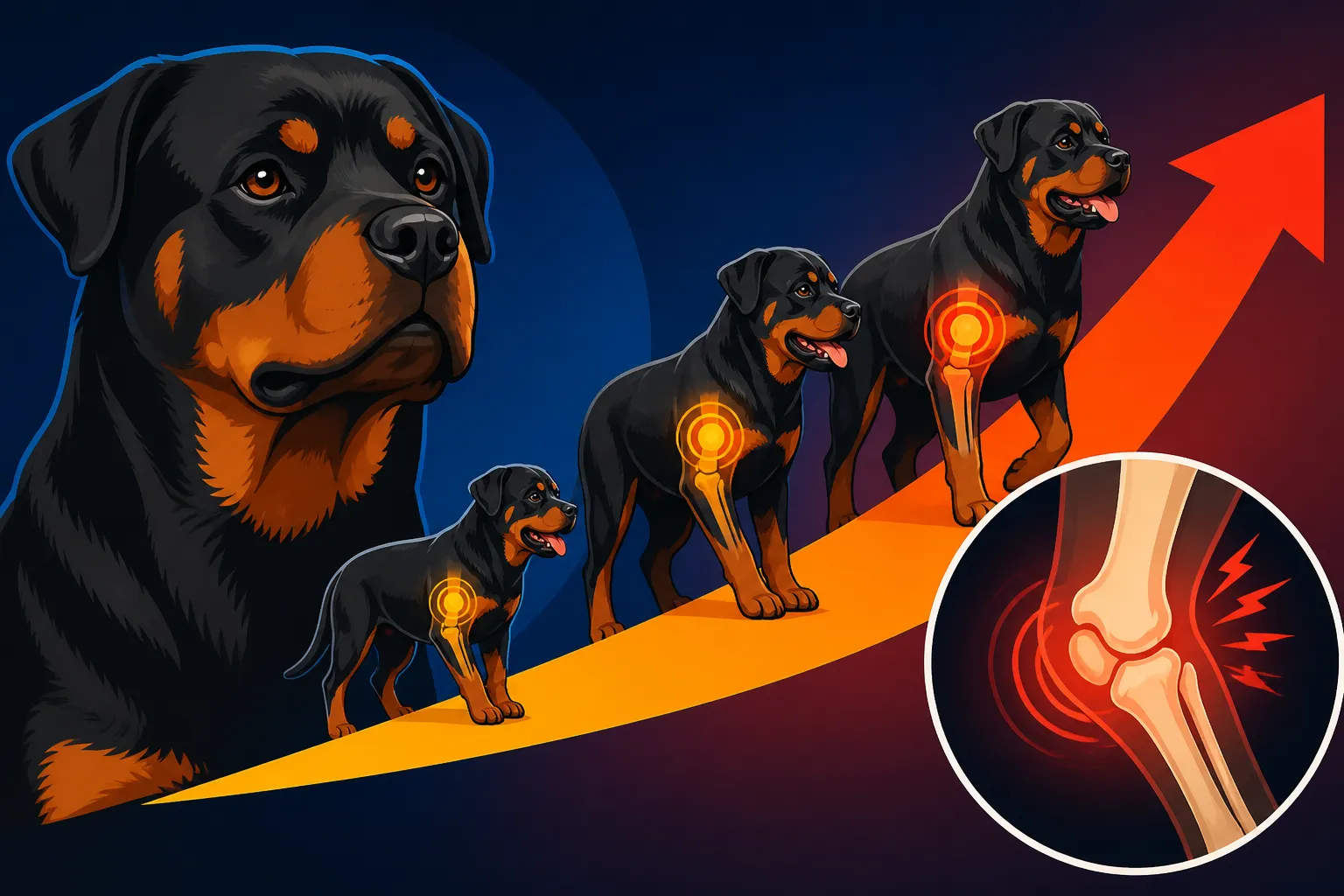
When we talk about a Rottweiler's weight multiplying joint load, it's not just a simple addition. Think of it more like a force multiplier. Every extra pound on their frame translates to several times that amount of stress on their hips, elbows, knees, and spine, especially during movement like running, jumping, or even just standing up. This is a critical factor in understanding What Shortens a Rottweiler's Eight to Ten Years.
Understanding the Leverage
Imagine trying to carry a heavy backpack. A few extra pounds might not feel like much on your shoulders, but consider how that weight shifts and magnifies when you run, jump, or climb stairs. Your Rottweiler's joints work similarly, but they're dealing with much larger forces due to their sheer size and powerful musculature. The leverage involved means that the further a joint is from the dog's center of gravity, or the more dynamic the movement, the greater the multiplication of force.
For instance, when your Rottweiler stands, its weight is distributed across all four legs. But when it takes a step, the entire body weight, plus momentum, shifts to fewer legs, dramatically increasing the load on those specific joints. Now, add ten or fifteen extra pounds to a 100-pound dog. That's a 10-15% increase in body mass, but the impact on the joints during activity can be 20%, 30%, or even higher because of the physics of motion and leverage. This constant, magnified stress leads to accelerated wear and tear on cartilage, ligaments, and bones, eroding the natural shock absorption and stability of the joint over time. This is especially true for rapidly growing puppies whose Rottweiler Growth Plates Closing at Eighteen to Twenty-Four Months are still developing.
Common Joint Issues Magnified by Weight
Rottweilers are predisposed to several orthopedic conditions, and excess weight acts like fuel to a fire, making these problems appear earlier, progress faster, and cause more severe pain.
- Hip Dysplasia: This is perhaps the most well-known issue. In hip dysplasia, the ball and socket joint of the hip don't fit together perfectly. When a Rottweiler carries extra weight, the ill-fitting joint grinds and rubs even more intensely, leading to inflammation, pain, and the early onset of arthritis. A lean body condition is absolutely crucial for any Rottweiler, but particularly for those with even a mild predisposition to Rottweiler Hip Dysplasia and the OFA Grade. The constant excessive force on an already compromised joint can turn a manageable condition into a debilitating one much sooner than it would otherwise.
- Elbow Dysplasia: Similar to hip dysplasia, elbow dysplasia involves abnormal development of the elbow joint. It can manifest as fragmented coronoid processes, ununited anconeal processes, or osteochondritis dissecans (OCD). Extra weight exacerbates all these issues. The forelegs bear a significant portion of a dog's weight, and an overweight Rottweiler places immense, constant strain on these complex joints. This accelerates cartilage damage and bony changes, leading to chronic pain and lameness. Early intervention and maintaining a healthy weight can significantly delay the progression of Rottweiler Elbow Dysplasia and Front Leg Lameness.
- Cruciate Ligament Tears: The cranial cruciate ligament (CCL) in a dog's knee (stifle) is akin to the ACL in humans. It's a common injury in large breeds. Overweight Rottweilers are at a much higher risk for tearing this ligament, even during routine activities. The extra bulk and strain put immense pressure on the knee joint, making the ligament more prone to rupture. Recovery from Cruciate Tears in a Heavy Rottweiler is already challenging; doing so with excess weight complicates surgery, prolongs rehabilitation, and increases the risk of complications and re-injury to the other knee.
- Arthritis: Fundamentally, arthritis is the inflammation of a joint, and it's an inevitable consequence of aging and wear and tear. However, for an overweight Rottweiler, arthritis can begin much earlier in life and be far more severe. The constant high load on their joints creates micro-trauma and inflammation, breaking down cartilage at an accelerated rate. This leads to chronic pain, stiffness, and reduced mobility, significantly impacting their quality of life. Managing Arthritis in an Older Rottweiler is a constant battle, and it's made exponentially harder when the dog has been carrying extra weight for years.
How Excess Weight Accumulates on a Rottweiler
It's easy to look at a big, solid Rottweiler and think they can handle a little extra padding, but that's a dangerous misconception. The truth is, Rottweilers are highly efficient at converting calories into mass, and it doesn't take much for those calories to tip the scales from healthy muscle to harmful fat.
Feeding Habits and Portion Control
One of the biggest culprits in Rottweiler weight gain is often well-intentioned overfeeding. We love our dogs, and food is a powerful way we show that affection. But for a breed like the Rottweiler, this can be detrimental.
- Generous Portions: Many owners eyeball portions or fill the bowl to the brim, especially if they have a large dog. The feeding guidelines on the bag are just that – guidelines. They're often calculated for highly active dogs and can be too generous for the average family Rottweiler. What's more, the difference between a "cup" measured by volume and a "cup" measured by weight can be significant for kibble. A gram scale is your best friend when portioning, ensuring precision. For example, if you're aiming for Daily Calories for a Hundred Twenty Pound Rottweiler, even a slight overage each day compounds quickly.
- High-Calorie Treats and Table Scraps: It's incredibly tempting to share our snacks or give extra treats, especially when those big brown eyes are staring at us. However, many human foods are calorie-dense and can quickly add up. A single slice of cheese or a few bites of chicken can represent a significant portion of a Rottweiler's daily caloric needs. Even dog treats, particularly larger ones, are often packed with calories. These "bonus" calories are frequently overlooked in the daily intake calculation.
- Free Feeding: Leaving food out all day might seem convenient, but it prevents you from accurately monitoring how much your Rottweiler is eating and can encourage them to graze and consume more than they need. Rottweilers, like many dogs, often lack an inherent "off switch" when food is available. Controlled meal times are essential for managing their weight. Splitting their daily allowance into two smaller meals also helps reduce the risk of bloat, a serious concern for the breed, as discussed in Feeding Rules That Lower Rottweiler Bloat Risk.
- Inappropriate Food Choices: While there are many great dog foods out there, not all are created equal in terms of calorie density and nutrient balance for a large breed. Some foods, especially those marketed for "all life stages," might be too rich for an adult Rottweiler with a slower metabolism, or a puppy formula might be kept for too long. For options that offer specific large-breed formulations, many online pet supply retailers like Chewy or Amazon offer a wide variety, making it easier to compare nutritional information. Some companies, like Ollie, specialize in fresh food diets which can offer precise portioning and tailored nutrition, but always consult with your vet before making a major diet change.
Exercise Levels and Their Impact
Another major factor contributing to weight gain is an imbalance between caloric intake and energy expenditure. Rottweilers are powerful dogs, but they aren't necessarily marathon runners, especially as puppies.
- Insufficient Daily Activity: Many Rottweilers don't get enough consistent, appropriate exercise. A quick walk around the block might not be enough to burn the calories they consume, especially if they're also getting treats and extra food. They need regular opportunities to move, explore, and use their muscles. Sedentary lifestyles lead directly to calorie surplus and weight gain.
- Inappropriate Exercise for Growing Puppies: While exercise is crucial, excessive or high-impact exercise in a young Rottweiler can actually damage their developing joints rather than strengthen them. Things like prolonged jogging, jumping off high surfaces, or intense agility work before their Rottweiler growth plates have closed (which happens between 18-24 months) can cause significant orthopedic problems. This makes managing weight even trickier in puppies, as you need to balance appropriate activity with joint protection. Too little activity leads to fat, too much leads to injury.
- Age-Related Activity Decline: As Rottweilers age, their metabolism naturally slows down, and they may become less active due to emerging joint pain or other health issues. This is a critical time to adjust their caloric intake downward. It's a challenge, because it often corresponds with an increased desire to spoil our senior companions. However, allowing a senior Rottweiler to become overweight will only worsen conditions like Senior Rottweiler Mobility Decline and hasten the onset of severe arthritis.
Recognizing and Addressing Weight Issues
Catching weight gain early is crucial, and it requires more than just looking at the number on the scale. A Rottweiler's robust build can hide excess fat surprisingly well, making it easy to miss the signs until the problem is significant.
Body Condition Scoring for Rottweilers
Forget the scales for a moment – the best way to assess your Rottweiler's weight is through a hands-on method called Body Condition Scoring (BCS). This system evaluates the amount of fat cover over different parts of the body, giving you a much more accurate picture than just a number. It's typically scored on a 5-point or 9-point scale. We'll use a simplified 5-point scale here, where 3/5 is ideal.
| Score | Description | How to Check on a Rottweiler |
|---|---|---|
| 1/5 | Emaciated: Ribs, lumbar vertebrae, pelvic bones, and all bony prominences are easily visible from a distance. No discernible body fat. Obvious loss of muscle mass. | Rare for an overfed Rottweiler, but if seen, ribs are sharp and visible, waist is extreme, no fat over hips. Seek vet attention immediately. |
| 2/5 | Underweight: Ribs easily palpable and visible. Waist is easily noted. Minimal fat covering. | You can see ribs without trying hard. Waist is very defined. Not ideal, suggests insufficient feeding or underlying health issue. |
| 3/5 | Ideal: Ribs are palpable without excess fat covering. Waist is noted when viewed from above. Abdominal tuck is evident. | You can easily feel ribs, but not see them. There's a clear 'tuck' up from the chest to the belly, and a distinct waist when looking down. This is your goal! |
| 4/5 | Overweight: Ribs are palpable with difficulty due to moderate fat covering. Waist is discernible but not prominent. Abdominal tuck is absent or minimal. | Ribs are harder to feel, requiring a bit more pressure. The waist is less obvious, more of a slight curve than a sharp tuck. Belly might be flatter instead of tucked up. Many Rottweilers fall into this category unknowingly. |
| 5/5 | Obese: Ribs are not palpable under a heavy fat covering. Obvious fat deposits on lumbar area and base of tail. Abdominal distension is apparent. No waist or abdominal tuck. Generalized enlargement. | Ribs are very difficult or impossible to feel. No waist, body looks like a cylinder or even bulges out. Fat deposits visible over hips, tail base, and neck. This puts immense strain on their Rottweiler Hips and Elbows and the 24-Month Rule. |
Regularly run your hands over your Rottweiler's rib cage. You should be able to feel their ribs quite easily, almost like knuckles under a thin blanket, without having to press hard. If you have to push to feel them, your dog is likely overweight. Also, look at them from above and from the side. They should have a distinct waist, where their body tucks in slightly behind the rib cage, and a gentle tuck-up of their belly when viewed from the side. If they look like a solid cylinder, it's time for a change.
Strategies for Healthy Weight Loss
Bringing a Rottweiler back to a healthy weight is a marathon, not a sprint. It requires commitment, consistency, and a realistic approach.
- Precise Portion Control: This is step one. Stop guessing. Get a kitchen scale and weigh your Rottweiler's food for every meal. Consult your veterinarian for a target weight and the appropriate caloric intake to achieve slow, steady weight loss – typically 1-2% of their body weight per week. This might mean starting with a reduction of 10-20% of their current food intake. Many reputable brands offer specific "weight management" or "light" formulas for large breeds, which you can find on sites like Chewy.
- Increase Appropriate Exercise: This doesn't mean forced marches or intense runs, especially if your Rottweiler is already feeling the effects of excess weight on its joints. Focus on consistent, moderate, low-impact activities:
- Longer, Leash Walks: Instead of one short walk, aim for two or three longer, brisk walks a day. Start gradually and build up duration and pace.
- Swimming: This is fantastic for overweight dogs as it provides excellent cardiovascular exercise without any impact on the joints. If you have access to a safe pool or calm lake, it's a wonderful option.
- Interactive Play: Engage them in games that encourage movement without excessive jumping or twisting. Think retrieving toys in the yard (short distances), or even just consistent, active play sessions with you.
- Mental Stimulation: Puzzle toys and training sessions also burn calories and keep them engaged, reducing boredom-related overeating.
- Rethink Treats: Treats aren't off-limits, but they need to be factored into the daily calorie count. Opt for low-calorie options like plain green beans, baby carrots, or small pieces of cooked lean chicken. Break treats into tiny pieces to make them last longer and provide more reward opportunities. Use high-value treats sparingly for training rewards. You might find a wide selection of healthy treat alternatives on Amazon or Chewy.
- No Table Scraps: This is a hard rule. Human food, even seemingly healthy options, often contains fats, sugars, and seasonings that are unhealthy and add unnecessary calories to your Rottweiler's diet. It also encourages begging behavior.
It can be a long road, but seeing your Rottweiler regain its energy and move more comfortably is incredibly rewarding. Taking a Rottweiler From 140 Back to 120 pounds takes discipline, but it adds years of comfort to their life.
The Role of Supplements and Veterinary Support
While diet and exercise are the cornerstones of weight management, supplements and professional veterinary guidance play supporting roles, especially given the joint strain.
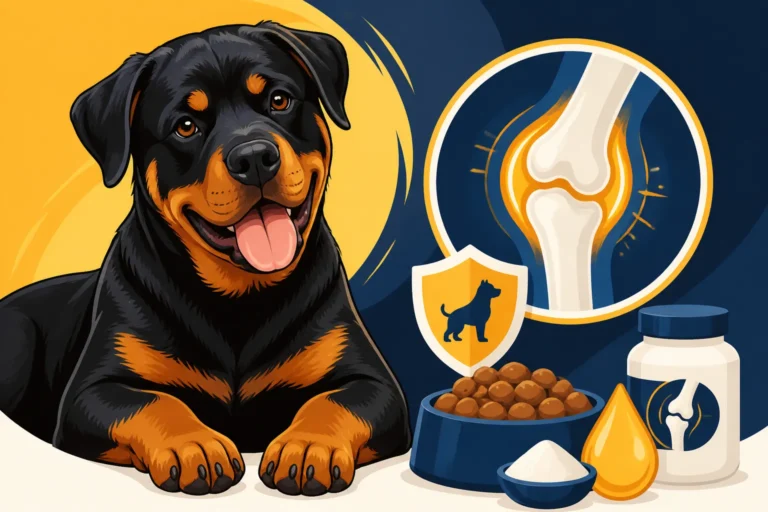
- Joint Supplements: For an overweight Rottweiler, especially one showing signs of joint discomfort, joint supplements containing ingredients like glucosamine, chondroitin, and MSM can be beneficial. These ingredients are believed to help support cartilage health and reduce inflammation. Omega-3 fatty acids (fish oil) also have anti-inflammatory properties that can ease joint pain. However, these are supplements, not magic bullets, and they won't work effectively if the underlying weight issue isn't addressed. It’s always best to discuss which supplements are appropriate with your veterinarian. You can find comprehensive articles on specific ingredients in topics like Joint Supplements Started Before a Rottweiler Turns Two.
- Regular Veterinary Check-ups: Your vet is your most important partner in this journey. They can rule out any underlying medical conditions that might be contributing to weight gain (like hypothyroidism, which can cause Rottweiler Hypothyroidism and Unexplained Weight Gain) and help you establish a safe, effective weight loss plan. They can also provide guidance on appropriate food, portion sizes, and exercise routines tailored to your individual Rottweiler's age, health status, and current weight. They may also monitor bloodwork as your Rottweiler ages to catch issues early.
- Prescription Weight Loss Diets: In some cases, your vet might recommend a prescription weight loss diet. These foods are specially formulated to be lower in calories but still provide all essential nutrients, often with higher fiber content to help your dog feel full. They are designed to facilitate safe and effective weight loss under veterinary supervision.
Long-Term Management and Prevention
Once your Rottweiler reaches a healthy weight, the job isn't over. Maintaining that ideal body condition is an ongoing commitment for their entire life, especially as they enter their senior years. This proactive approach helps prevent many of the painful issues that come with excess joint load.
Regular Monitoring and Early Intervention
Just like with humans, weight can creep back on easily if vigilance wanes. This is why regular checks are so important.
- Monthly Body Condition Checks: Make it a routine to perform a BCS check every month. It only takes a couple of minutes to feel their ribs and observe their waistline. This allows you to catch any slight weight gain early, before it becomes a significant problem again. If you notice a trend upward, adjust their food intake slightly and increase their activity levels for a few weeks until they're back to ideal. This proactive approach saves their joints from unnecessary strain.
- Annual or Bi-Annual Vet Visits: These check-ups are essential, especially as your Rottweiler gets older. Your vet can monitor their weight, assess their joint health, and recommend any dietary or exercise adjustments as their metabolism changes. They can also screen for early signs of conditions like arthritis or Rottweiler Hip Dysplasia Symptoms Before Age Two that might require adjustments to their routine or diet. For a senior Rottweiler, these visits become even more critical, and you'll likely be scheduling them Vet Visit Frequency for a Senior Rottweiler.
- Documentation: Keep a journal or a simple spreadsheet to track your Rottweiler's weight and BCS score over time. This can help you identify patterns, understand what works, and quickly spot any concerning changes. If you ever need to discuss weight with your vet, having this data can be incredibly helpful.
Environmental Adjustments for Heavier Rottweilers
Sometimes, managing weight isn't just about food and exercise; it's also about making their environment more joint-friendly, especially for those who are currently overweight or have existing joint issues.
- Supportive Bedding: Ensure your Rottweiler has comfortable, orthopedic bedding that supports their large frame and joints. This is particularly important for an overweight dog who might have pressure points or an older dog with arthritis. Good quality, thick memory foam beds can make a huge difference in their comfort and ability to rest properly. You can find many options designed for large breeds on Chewy or Amazon.
- Ramps and Stairs: Jumping in and out of cars, or up and down from furniture, places immense stress on a Rottweiler's joints. Consider using ramps for car access or low-rise steps for beds and couches. This simple adjustment can prevent significant wear and tear on their hips, knees, and elbows. Teaching a Why a Rottweiler Should Not Jump Down From the Car is a vital early lesson.
- Non-Slip Surfaces: Slippery floors (hardwood, tile) can be treacherous for heavy dogs, especially those with weak or painful joints. They have to work harder to maintain footing, increasing strain and the risk of slips and falls. Use rugs, carpet runners, or paw grip socks to provide better traction in areas where your Rottweiler spends a lot of time.
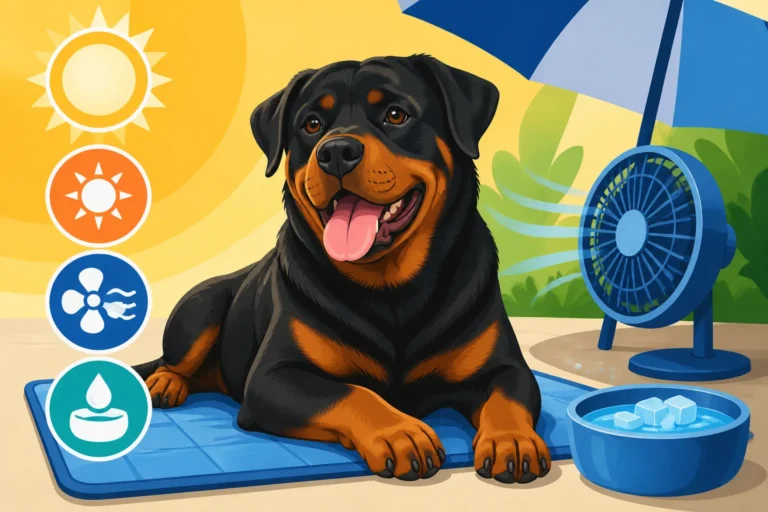
- Temperature Control: Overweight dogs can be less tolerant of heat. Ensure they have access to cool, shaded areas, especially during warmer months, and avoid exercising them during the hottest parts of the day. A cooling mat or a small fan can also provide comfort indoors. Heat Tolerance in a Black-Coated Rottweiler is already lower, and extra weight makes it even worse.
By taking a holistic approach to managing your Rottweiler's weight – understanding the impact, being diligent with diet and exercise, seeking veterinary guidance, and making thoughtful environmental adjustments – you are investing in their comfort, mobility, and overall quality of life for years to come. It’s not always easy, especially when their expressive eyes are pleading for just one more treat, but it’s one of the most loving things you can do for your best friend.
Disclaimer
This article is for general informational purposes only and does not constitute professional advice. Laws, prices and regulations vary by location and change over time. Consult a qualified professional for guidance on your specific situation.