Rottweiler Paw Protection on Hot Pavement
Few things are more heartbreaking than seeing your big, brave Rottweiler suddenly start limping, dance on their paws, or even refuse to walk during what should be an enjoyable outing. The culprit, far too often, isn't an injury from play or an unexpected thorn, but the silent, searing danger of hot pavement. This guide is here to walk you through understanding just how dangerous hot surfaces are for your Rottweiler's sensitive paw pads, how to recognize the signs of trouble, and most importantly, equip you with practical, realistic strategies to keep those precious paws safe, cool, and comfortable, no matter the season.
The Danger of Hot Pavement for Your Rottweiler's Paws
It's a common misconception that because dogs have "tough" paws, they're impervious to the heat that would make us hop, skip, and jump. But a Rottweiler's paw pads, while certainly more resilient than human skin, are still made of tissue that can blister, burn, and suffer severe damage from prolonged contact with hot surfaces. Their body weight means they put a lot of pressure on those pads, increasing contact and thus heat transfer.
Why Pavement Gets So Hot and Stays Hot
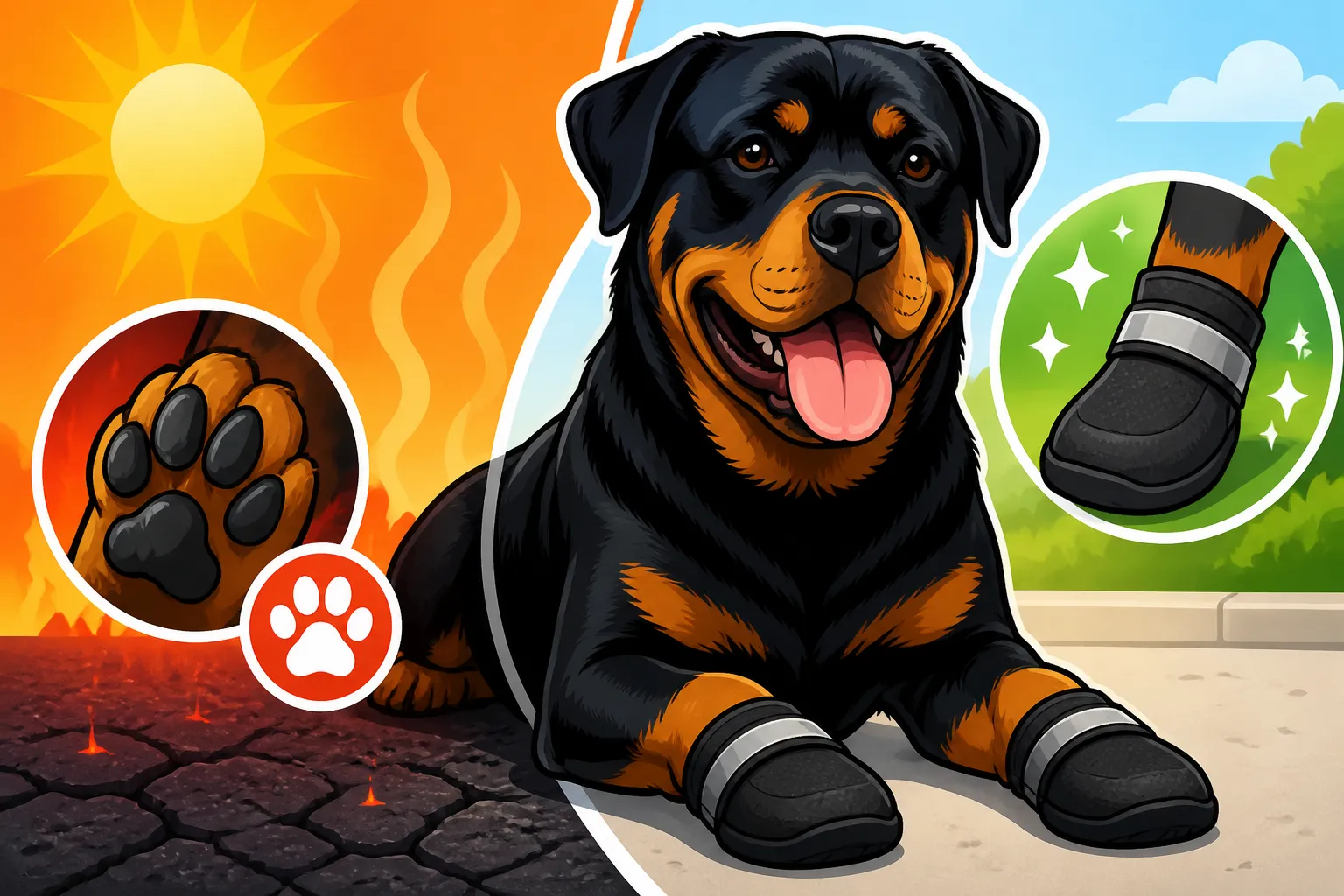
The ground beneath our feet can be a deceptive enemy, especially in warm weather. While the air temperature might feel pleasant, the ground itself, particularly dark asphalt and concrete, can be absorbing and radiating heat at a much higher intensity. Think about walking barefoot on a beach: the sand might be warm, but a black asphalt parking lot on a sunny day feels like a literal oven. This isn't just a slight difference; it's a critical one. Asphalt, being dark, absorbs sunlight more efficiently than lighter surfaces. Concrete, while often lighter, still retains a significant amount of heat.
What's truly frustrating is that this heat lingers. Even as the sun begins to set and the air cools, pavement can hold onto that stored heat for hours. So, that evening walk you thought was safe might still be too hot for your Rottie's pads. It's easy to think if the air feels okay, the ground is too, but that's a dangerous assumption that can lead to painful burns. Remember, your Rottweiler isn't wearing shoes; their pads are their only direct barrier against these extreme temperatures.
Recognizing the Signs of Burned Paws
Knowing what to look for can make all the difference. Sometimes, the signs are subtle at first, and it's easy to miss them if you're not paying close attention to your big dog's demeanor. Initially, you might notice a slight lameness or hesitation in their step. Your Rottweiler might try to shift their weight, walk more slowly, or even lift one paw off the ground frequently, almost as if they're dancing. They might resist continuing the walk, pulling towards grassy areas, or simply sitting down and refusing to move. These are all early warning signs that their paws are hurting.
If the burns are more severe, the signs become much more obvious. You might see redness, blistering, or even pieces of the paw pad peeling away. The pads could appear swollen or feel hot to the touch. Your Rottweiler might start licking or chewing at their paws incessantly, which can introduce infection. If you see any of these more serious symptoms, it's not a "wait and see" situation – it's an emergency. Immediate action is necessary to prevent further damage and alleviate pain.
The "Five-Second Rule" and Its Importance
This rule is a lifesaver, quite literally for your Rottweiler's paws. Before you even step out the door for a walk, place the back of your hand or your bare foot firmly on the pavement. Hold it there for a full five seconds. If it's too hot for you to hold comfortably, it is absolutely too hot for your Rottweiler's sensitive paw pads. Period. No exceptions.
This rule works because, while our hands are different from their paws, the threshold of discomfort translates. Human skin is more sensitive in some ways, but it also has sweat glands all over, which helps dissipate heat. A dog's paw pads have sweat glands primarily between the toes, and they're also designed to provide traction and absorb shock, not primarily to manage extreme heat. They can get incredibly hot without your Rottweiler immediately yelping, but the damage can be done quickly. Think about how hot a frying pan gets; you wouldn't put your hand on it just because it "looks" cool. The "five-second rule" provides an objective measure, taking the guesswork out of what could be a painful and costly injury.
Practical Solutions for Protecting Rottweiler Paws
Knowing the danger is the first step, but what can you actually do about it? Luckily, there are several practical and effective ways to safeguard your Rottweiler's paws from scalding pavement, ensuring their walks remain a joy, not a hazard.
Changing Your Walking Schedule and Routes
One of the simplest and most effective strategies involves adjusting when and where you walk your Rottweiler. During warmer months or on particularly sunny days, aim for walks in the early morning or late evening. These are the times when the sun is at its lowest, and the ambient temperature, along with the pavement's stored heat, has had the most time to dissipate. A quick sunrise stroll can be wonderfully refreshing for both of you, and a twilight wander can be a peaceful way to end the day.
Beyond timing, critically evaluate your usual walking routes. Can you bypass long stretches of asphalt or concrete sidewalks in favor of grassy parks, dirt trails, or pathways that offer natural shade? Grass and soil don't absorb and retain heat in the same way pavement does, providing a much cooler and softer surface for your Rottie's pads. Even if you can't avoid pavement entirely, try to find routes that offer frequent breaks on grass verges or shaded areas where your dog can cool their paws momentarily. It's about being strategic and prioritizing their comfort over your usual routine.
The Role of Paw Protection Gear
Sometimes, avoiding hot pavement isn't entirely feasible, especially if you live in an urban environment or have specific commitments. This is where dedicated paw protection gear comes into play.
Boots and Booties
Dog boots or booties offer the most comprehensive protection against hot surfaces, sharp objects, and even cold weather. They create a physical barrier between your Rottweiler's paw pads and the ground. When choosing boots for a large breed like a Rottweiler, fit is absolutely paramount. Ill-fitting boots can rub, cause discomfort, or even come off easily. Look for durable materials, non-slip soles, and secure fastening mechanisms that can withstand the power and gait of a hundred-plus-pound dog. Brands found on platforms like Chewy or Amazon often have a good selection of large-breed specific options, and reading reviews from other Rottweiler owners can be incredibly helpful. It might take some patience to get your Rottweiler used to wearing them – start with short periods indoors, offering plenty of treats and praise – but the investment in time and money is worth preventing severe burns.
Paw Waxes and Balms
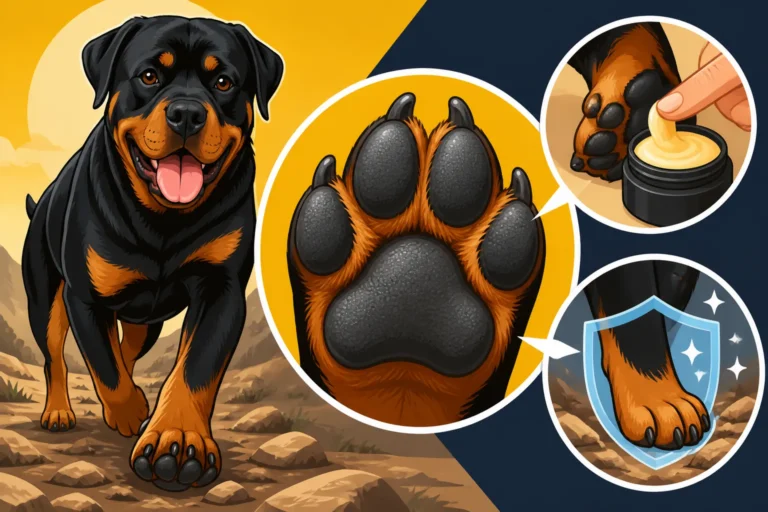
For less extreme conditions, or as a general conditioning measure, paw waxes and balms can be beneficial. Products like Musher's Secret or similar paw balms create a breathable, protective layer that helps moisturize the pads and can offer a minor barrier against heat and rough surfaces. They're much easier to apply than boots and don't interfere with your dog's natural footfall. However, it's crucial to understand their limitations: they are not a substitute for boots on scorching pavement. They offer some degree of protection and conditioning, but they won't prevent severe burns from truly hot surfaces. Think of them as a useful preventative for general wear and tear, and for slightly warm ground, but not for pavement hot enough to fry an egg. Regular application can also keep pads supple, reducing the risk of cracking.
Building Paw Pad Toughness Safely
Just like human hands can develop calluses from certain types of work, a Rottweiler's paw pads can become tougher with appropriate, gradual exposure to varied surfaces. This isn't about deliberately walking them on hot pavement to "toughen them up" – that's dangerous and counterproductive. Instead, it involves regular walks on a variety of safe-temperature natural terrains.
Think about gravel paths, rough grass, packed dirt, or even textured concrete when it's cool. These surfaces provide natural friction and stimulation that encourage the paw pads to thicken and become more resilient over time. The key is "gradual." Don't suddenly switch from all soft grass to long gravel trails. Introduce new textures slowly, observing your Rottweiler's paws for any signs of irritation or tenderness. Regularly checking and trimming your Rottweiler's nails is also vital for paw health, as long nails can push the pads into an unnatural position, making them more vulnerable to injury. Keep those nails neat and tidy, following a routine like the one described in Rottweiler Nail Trimming at Size, to ensure proper weight distribution and pad health.
Aftercare and Emergency Measures for Damaged Paws
Despite our best efforts, accidents can happen. If your Rottweiler's paws do get burned, knowing how to react immediately and what to expect during recovery can make a huge difference in their comfort and healing outcome.
Immediate First Aid for Burned Paws
If you suspect your Rottweiler has burned their paws, your first priority is to get them off the hot surface immediately. Carry them if you can, or guide them gently to a cool patch of grass or into the shade. Once safe, begin cooling their paws gently with cool (not ice-cold) water. You can rinse them, soak them in a shallow basin, or use a cool, damp cloth. The goal is to bring down the temperature of the pads without causing a sudden shock or vasoconstriction from extreme cold. Do not use ice, as this can cause further tissue damage.
Gently clean the paws to remove any dirt or debris, but avoid scrubbing or using harsh chemicals. If you see blisters, open wounds, or missing sections of paw pad, do not try to treat these yourself beyond the initial cooling and gentle cleaning. Wrap the paws loosely with a clean, non-stick bandage or cloth to protect them and prevent your Rottweiler from licking. Licking can introduce bacteria and worsen the injury. Even if the burns seem minor, it's always best to contact your veterinarian. Paw pad injuries are incredibly painful and prone to infection.
Veterinary Treatment and Healing Process
When you take your Rottweiler to the vet for burned paws, they will assess the severity of the burns. For mild burns, they might recommend a soothing cream, pain medication, and instructions for at-home care. For more severe burns with blisters or exposed tissue, your vet will likely clean the wounds thoroughly, possibly debride any dead tissue, apply special medicated dressings, and prescribe antibiotics to prevent infection. Pain management is crucial, as paw pad burns are excruciating. Your vet might offer oral pain relievers or even injectables to keep your dog comfortable during the initial healing phase.
The healing process for paw pad injuries can be frustratingly slow. Paw pads are high-traffic areas, constantly under pressure when your dog stands or walks. It can take several weeks, or even months, for severe burns to fully heal and for new, tough tissue to form. During this time, strict rest and adherence to your vet's instructions are essential. This means limiting walks to short, potty breaks on soft, clean surfaces, often with protective booties or bandages on. Preventing licking and keeping the wounds dry and clean is paramount to avoiding complications.
Preventing Future Injuries
Once your Rottweiler has recovered, you'll want to implement robust strategies to ensure this never happens again. Consistent use of the "five-second rule" before every walk is non-negotiable. Make it a habit. Re-evaluate your walking routines, actively seeking out cooler, natural surfaces. Invest in high-quality dog boots if pavement is unavoidable, and make sure your Rottweiler is comfortable wearing them. Regularly inspect your Rottweiler's paw pads as part of their routine care. Just like you check for ticks or hot spots during Skin Checks During a Rottweiler Grooming Session, take a moment to look at the pads.
You should also be mindful that other underlying conditions can make paws more sensitive. For instance, Rottweiler Allergies and Recurring Skin Infections can manifest as itchy, irritated paws, which makes them more vulnerable to damage from heat or rough surfaces. Addressing these issues with your vet can contribute to overall paw health. Staying vigilant and proactive is the best way to keep those powerful paws healthy and ready for adventure.
Common Misconceptions and Additional Considerations
Beyond the immediate dangers and solutions, there are several nuances and related factors that Rottweiler owners should be aware of when it comes to paw health and hot weather.
"My Rottweiler's Paws Are Tough, They'll Be Fine"
This is perhaps the most dangerous misconception out there. Yes, Rottweilers are robust, sturdy dogs, bred for hard work and possessing naturally thick paw pads. Their strength and stoicism can sometimes mask discomfort, leading owners to believe their paws are invincible. However, "tough" does not mean "impervious to burns." Just because your Rottweiler isn't yelping doesn't mean their paws aren't being damaged. Their pain tolerance might be higher than a smaller, more delicate breed, but the cellular damage from scalding surfaces occurs regardless.
Think of it this way: a construction worker's hands are tough and calloused, but they wouldn't plunge them into boiling water. The sheer heat radiating from asphalt on a 90-degree day can easily reach 140-160 degrees Fahrenheit – temperatures that cause burns within seconds. A Rottweiler's size actually works against them here; their greater weight means more pressure and contact area on the hot surface, potentially increasing the rate of heat transfer to their pads. This belief often leads to severe, preventable injuries. Always err on the side of caution.
Hydration and Overall Heat Management
Paw protection is just one piece of the puzzle when it comes to keeping your Rottweiler safe in warm weather. Their overall heat management is critically important. Rottweilers, with their dense double coats and dark coloring, are particularly susceptible to overheating. As discussed in Heat Tolerance in a Black-Coated Rottweiler, their black coats absorb more solar radiation, making them feel the heat more intensely than lighter-colored dogs.
Always ensure your Rottweiler has access to fresh, cool water, especially before and after walks. During hot weather, even short bursts of activity can lead to dehydration. Consider bringing a portable water bowl and a bottle of water on every outing. Providing ample shade in your yard or during any outdoor activities is also essential. Cooling mats or vests, available from retailers like Ollie or Chewy, can offer additional relief and help regulate their body temperature, working in conjunction with paw protection to keep your Rottweiler comfortable and safe when the mercury rises.
Specific Needs of Older or Younger Rottweilers
The age of your Rottweiler introduces additional considerations for paw protection.
Rottweiler Puppies
Young Rottweiler puppies are still developing, and their paw pads are not as tough as an adult's. Their growth plates are still open for an extended period, as detailed in Rottweiler Growth Plates and Why They Close So Late, meaning their bones and joints are more vulnerable, and general stress should be minimized. They are also less capable of regulating their body temperature, making them more susceptible to overheating generally. Extra vigilance is needed when walking puppies. Stick to soft, cool surfaces, keep walks short, and avoid any pavement during warm parts of the day. Their curiosity and boundless energy can also make them less aware of discomfort until it's severe, so it's up to you to be their advocate.
Senior Rottweilers
As Rottweilers age, their paw pads can thin, become less resilient, and be more prone to cracking or injury. Many senior Rottweilers also develop arthritis or other mobility issues, as highlighted in Managing Arthritis in an Older Rottweiler. If their joints are stiff or painful, they might not lift their feet as quickly from a hot surface, increasing their risk of burns. Additionally, Senior Rottweiler Mobility Decline can make it harder for them to communicate discomfort or quickly move off a hot spot. They might also be on medications that affect their sensation or healing capabilities. For senior Rotties, consistency in paw protection, choosing cooler times for walks, and providing extra cushioning on their sleeping surfaces can all contribute to their comfort and well-being. Regular checks of their paw pads should become a part of your daily routine.
| Method | Pros | Cons | Best Use Case |
|---|---|---|---|
| Boots/Booties | Excellent heat barrier, abrasion guard | Can be bulky, Rottie might resist, fit issues | Prolonged hot pavement, rough terrain |
| Paw Wax/Balm | Natural feel, easy application, moisturizes | Limited heat protection, frequent reapplication | Mildly warm surfaces, general paw conditioning |
| Grass/Dirt Paths | Natural cooling, varied texture | Not always available, can be muddy | Preferred daily walking surface |
| Shaded Areas | Cooler surface, sun protection | Limited routes, heat can still radiate | Short walks during hotter parts of day |
Disclaimer
This article is for general informational purposes only and does not constitute professional advice. Laws, prices and regulations vary by location and change over time. Consult a qualified professional for guidance on your specific situation.