The Two Weeks a Rottweiler Blows Its Undercoat
If you've ever found yourself wondering why your beautifully short-coated Rottweiler seems to be shedding enough hair to build a whole new dog, especially during certain times of the year, you're not alone. It can feel like suddenly, overnight, every surface in your home is covered in dark fur, leaving you to question if your dog's shedding is normal or if there's something more going on. This guide will walk you through understanding your Rottweiler's seasonal coat changes, particularly those infamous "two weeks" when they blow their undercoat, and how you can best manage it.
Understanding the Rottweiler Coat Cycle
Rottweilers, despite their seemingly low-maintenance appearance, are actually double-coated breeds. This means they have two distinct layers of fur working together to keep them comfortable in various climates. Understanding these layers and their natural cycle is key to managing their shedding, which can feel quite overwhelming at times.
The Double Coat Explained
Your Rottweiler's coat isn't just a single layer of uniform hair. Instead, it's a sophisticated system designed by nature. The outer layer, often called the guard coat, consists of straight, medium-length, coarse hairs. These guard hairs are what you primarily see and feel. Their purpose is to protect your Rottweiler's skin from the elements – rain, snow, sun, and minor abrasions. They're somewhat water-resistant and provide a first line of defense. Beneath this resilient outer layer lies the true unsung hero: the undercoat. This undercoat is typically much softer, denser, and shorter than the guard hairs. Its primary function is insulation. In cold weather, it traps warm air close to the body, keeping your Rottweiler toasty. In warmer weather, it acts as a barrier against heat, providing a surprising cooling effect when properly managed and allowed to shed. When people say their Rottweiler isn't shedding much, they're often only noticing the minimal loss of guard hairs, completely missing the dense undercoat that's constantly being renewed.
Seasonal Shedding: Why It Happens
Dogs with double coats, like our Rottweilers, are biologically programmed to adapt to seasonal changes, and shedding is a massive part of that adaptation. Twice a year, typically in spring and autumn, your Rottweiler will go through a process known as "blowing coat." This isn't just regular shedding; it's a much more intense, accelerated process where large amounts of the undercoat are rapidly shed. In the spring, as temperatures rise and days lengthen, your Rottweiler sheds its thick winter undercoat to prepare for the warmer months ahead. This lighter coat helps prevent overheating. Conversely, in the fall, they shed a portion of their lighter summer undercoat to make way for the growth of a thicker, denser winter coat. This natural cycle is driven by changes in light and temperature, though indoor living with artificial lighting and controlled temperatures can sometimes make the shedding schedule a little less distinct or prolonged throughout the year. It's a testament to their heritage as working dogs, needing to be ready for anything the weather threw at them while The Roman Drover Dogs Behind the Rottweiler.
Identifying the "Blow Out" Period
Knowing when your Rottweiler is about to embark on their biannual "coat blow" can save you a lot of surprise and help you prepare for the inevitable flurry of fur. It's not always a sudden event, but rather a build-up that you can learn to recognize.
Signs Your Rottweiler is Blowing Its Coat
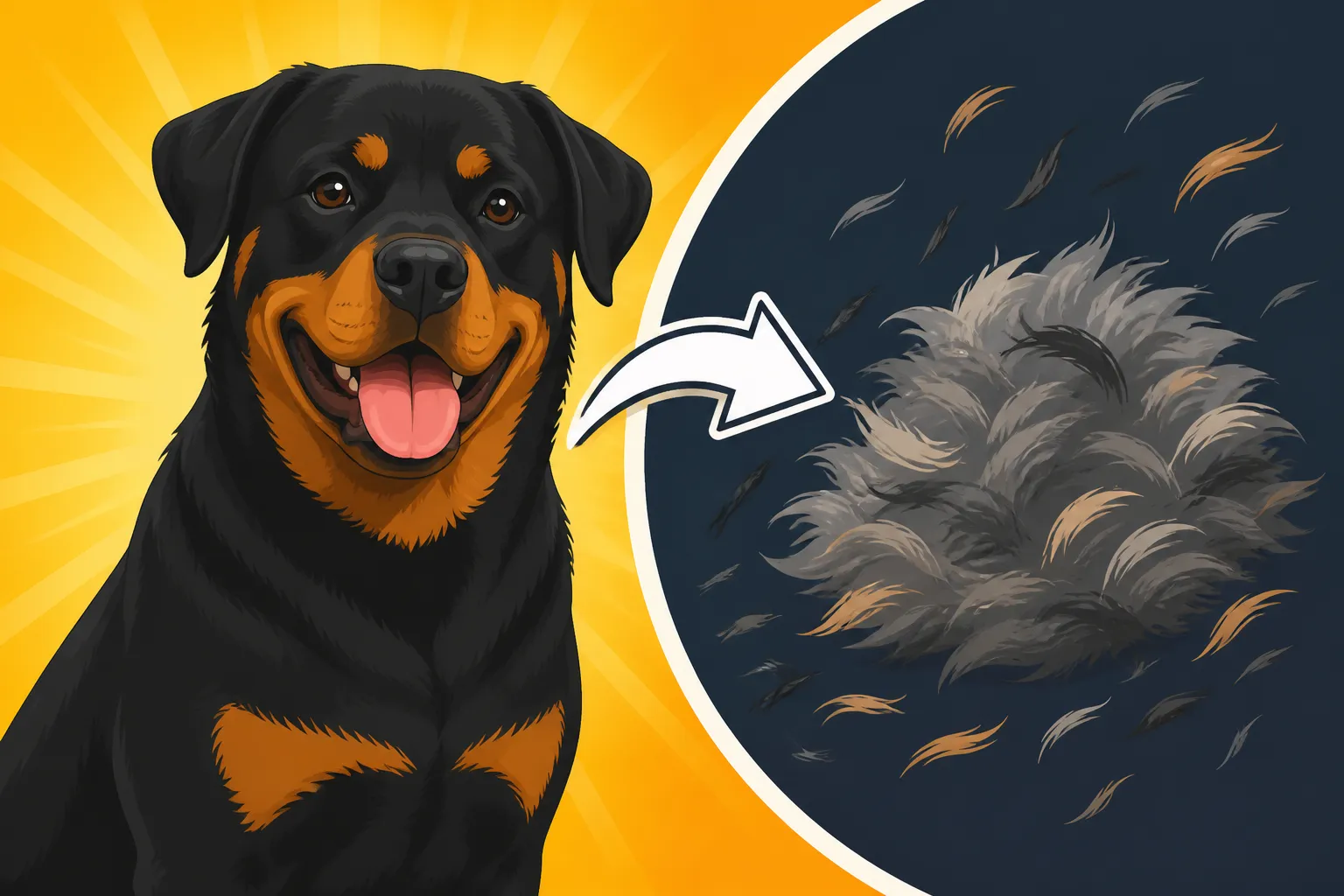
Before the fur storm truly hits, there are usually a few tell-tale signs that your Rottweiler is gearing up for a major shed. You might notice an increase in loose hair around the house, even more than their usual daily shedding. When you pet them, you'll likely pull away clumps of soft, downy fur, distinct from the coarser guard hairs. You might also observe that their coat looks a little less sleek or even somewhat patchy, particularly around their hindquarters, flanks, and underbelly, where the undercoat tends to be densest. If you run your fingers against the grain of their fur, you might see a "puff" of undercoat rising up, ready to detach. Sometimes, their skin might also appear a bit flaky as dead skin cells are shed along with the fur. It's not a comfortable time for them, as that trapped dead undercoat can be itchy and irritating, making them want to rub against furniture or roll on the carpet more frequently.
The Two-Week Intensity: What to Expect
The phrase "the two weeks a Rottweiler blows its undercoat" isn't just an exaggeration; it's a fairly accurate description of the most intense period of seasonal shedding. During this concentrated timeframe, you will find an astonishing amount of fur coming off your dog daily. It's a phase where regular brushing might not feel like enough, and you could fill a brush several times over in a single session. This intense shedding helps to quickly clear out the old undercoat, making way for the new one or preparing the skin for a lighter load. Don't be surprised if your dog looks noticeably leaner or "thinner" in their coat by the end of this period, particularly if you've been diligent with your grooming efforts. While the most dramatic shedding might last around two weeks, a lesser but still significant amount of shedding can continue for a few more weeks as the cycle fully completes. It’s during this time that daily vacuuming becomes less of a chore and more of a necessity!
Essential Grooming Strategies During a Coat Blow
Dealing with a Rottweiler blowing its coat requires a proactive and consistent grooming routine. You can't stop the natural process, but you can certainly manage the amount of hair that ends up on your sofa, clothes, and pretty much everywhere else.
Daily Brushing Techniques and Tools
This is your most powerful weapon against the fur invasion. During the "two weeks," daily brushing isn't optional; it's absolutely crucial. The goal is to remove as much loose undercoat as possible before it falls out naturally around your home. For a Rottweiler, you'll want tools specifically designed for double coats. A good undercoat rake or de-shedding tool (like those from Furminator or EquiGroomer, easily found on Amazon or Chewy) will be your best friend. These tools are designed with fine, closely spaced teeth that reach down through the guard coat to gently pull out the loose undercoat without damaging the healthy outer layer.
Start by brushing in the direction of hair growth, applying gentle but firm pressure. Pay extra attention to areas where the undercoat is thickest: the neck, shoulders, back, and hindquarters. For particularly dense areas, you might need to use a slicker brush first to loosen tangles, then follow with the de-shedding tool. Some owners find working in short, repetitive strokes more effective than long, sweeping ones. Be patient, as it might take several passes to get all the loose hair. Doing this outdoors, if possible, can save your vacuum cleaner a lot of work. Remember to praise your dog and offer treats, especially if they're not thrilled about the extra attention. Consistent positive experiences will make future grooming much easier. Rottweiler Grooming and Deshedding Tools covers this in more detail.
Bathing to Aid Shedding
While brushing is paramount, a well-timed bath can also significantly help during a coat blow. The warm water and shampoo can help loosen dead hair, making it easier to remove during and after the bath. Use a high-quality dog shampoo designed for shedding or sensitive skin. Avoid harsh detergents that can strip natural oils, as this can lead to skin irritation or a dull coat.
During the bath, lather your Rottweiler thoroughly, working the shampoo down to the skin. As you rinse, use a strong spray of water to help dislodge loose undercoat. You might be amazed at the amount of hair that washes away! After rinsing, apply a conditioner to help detangle and moisturize the remaining coat. Towel dry thoroughly, and then, here's the crucial part: immediately follow up with a vigorous brushing session while your dog is still damp. The dampness helps prevent static and allows the de-shedding tool to work even more effectively. If you have a high-velocity dog dryer, this is the perfect time to use it, as it will blast out an incredible amount of loose hair. Just be mindful of the noise, as some dogs are sensitive to it.
Managing Hair in Your Home
Even with diligent brushing and bathing, some fur is bound to make it into your living space. This is where a good offense is your best defense. Invest in a powerful vacuum cleaner, ideally one designed for pet hair, and use it daily or every other day during the peak shedding period. Look for models with strong suction and good filtration to trap pet dander. For upholstered furniture, a lint roller or a damp rubber glove can work wonders to pick up stray hairs. A damp cloth can also wipe down hard surfaces effectively.
Consider using washable throw blankets on your dog's favorite resting spots, like couches or dog beds. These can be easily tossed into the washing machine, trapping a lot of the shed hair before it spreads further. Regularly washing your dog's bedding is also essential, not just for cleanliness but to remove accumulated fur. Some owners even dedicate a specific shirt or apron for grooming sessions to keep their everyday clothes fur-free. It's about creating a system that minimizes spread and makes cleanup as efficient as possible.
Beyond the Shed: Maintaining Coat Health Year-Round
While the "two weeks" are undeniably intense, maintaining your Rottweiler's coat health is a year-round commitment. A healthy coat sheds less overall and recovers better from seasonal blows.
Nutrition's Role in Coat Quality
Just like with us, what goes into your Rottweiler's body profoundly affects what you see on the outside, and their coat is a prime example. A high-quality diet rich in protein and healthy fats, particularly Omega-3 and Omega-6 fatty acids, is fundamental for a healthy, shiny coat and strong skin. Look for dog foods where a named meat source is the first ingredient. Many premium dog food brands, including those found on Chewy or even custom meal services like Ollie, focus on balanced nutrition that supports skin and coat health.
Some owners also choose to supplement their Rottweiler's diet with fish oil, which is an excellent source of Omega-3s. These fatty acids help reduce inflammation, improve skin barrier function, and contribute to a lustrous coat. Just be sure to dose it appropriately for your dog's weight. Over-supplementation can lead to other issues. A well-nourished Rottweiler will have a strong, resilient coat that sheds less excessively and recovers faster from seasonal changes. If you're seeing a dull coat or excessive shedding outside of the normal seasonal blows, it might be worth discussing your dog's diet with your vet. Protein Levels That Suit a Growing Rottweiler and Fish Oil Dosed for a Hundred Pound Rottweiler offer more insights into this critical aspect.
When Shedding Might Indicate a Problem
While shedding is completely normal for a Rottweiler, there are times when it can be a red flag for an underlying health issue. Excessive, non-seasonal shedding, patchy hair loss, dull or brittle fur, or accompanying skin irritation (like redness, scratching, or sores) should prompt a visit to your veterinarian. These symptoms could indicate a range of problems, including:
- Allergies: Environmental or food allergies can manifest as skin problems and excessive shedding. Your dog might be constantly itchy, leading to further hair loss. Rottweiler Allergies and Recurring Skin Infections
- Parasites: Fleas, ticks, mites, or internal parasites can cause skin irritation and hair loss. Regular parasite prevention is essential.
- Hormonal Imbalances: Conditions like hypothyroidism can lead to a dull coat, dry skin, and excessive shedding. Rottweiler Hypothyroidism and Unexplained Weight Gain
- Nutritional Deficiencies: A poor diet lacking essential nutrients can impact coat health.
- Stress or Anxiety: Like humans, dogs can shed more when under significant stress.
- Infections: Bacterial or fungal skin infections can cause localized hair loss and irritation.
Your vet will be able to perform a thorough examination, possibly blood tests or skin scrapings, to determine the cause of any abnormal shedding and recommend appropriate treatment. It's always better to be safe than sorry when it comes to your beloved Rottweiler's health.
To recap, here's a quick look at the tools you'll find most useful during your Rottweiler's seasonal coat blow:
| Grooming Tool Category | Purpose | Key Features |
|---|---|---|
| Undercoat Rake | Removes loose undercoat without damaging topcoat | Curved or hooked teeth, various tooth lengths to penetrate thick coats |
| De-shedding Tool | Specifically designed to pull out loose undercoat | Fine, sharp blades (often covered for safety), works best on dry coat |
| Slicker Brush | Removes tangles, mats, and loose surface hair | Fine, wire bristles, good for overall tidying and loosening initial tangles |
| Rubber Curry Brush | Massages skin, stimulates circulation, removes loose hair during bathing | Soft rubber nubs, excellent for lathering shampoo and gentle de-shedding |
| High-Velocity Dryer | Blasts out loose hair and dries coat quickly | Powerful motor, various heat settings, can be loud |
| Vacuum Cleaner | Cleans up shed hair from floors and furniture | Strong suction, pet hair attachments, good filtration (HEPA) |
By staying proactive with grooming, ensuring a top-notch diet, and being vigilant about any unusual changes, you can navigate your Rottweiler's "two weeks" of intense shedding with grace and keep their coat looking magnificent year-round. It's a small price to pay for the love and companionship these incredible dogs bring into our lives.
Disclaimer
This article is for general informational purposes only and does not constitute professional advice. Laws, prices and regulations vary by location and change over time. Consult a qualified professional for guidance on your specific situation.