Taking a Rottweiler From 140 Back to 120
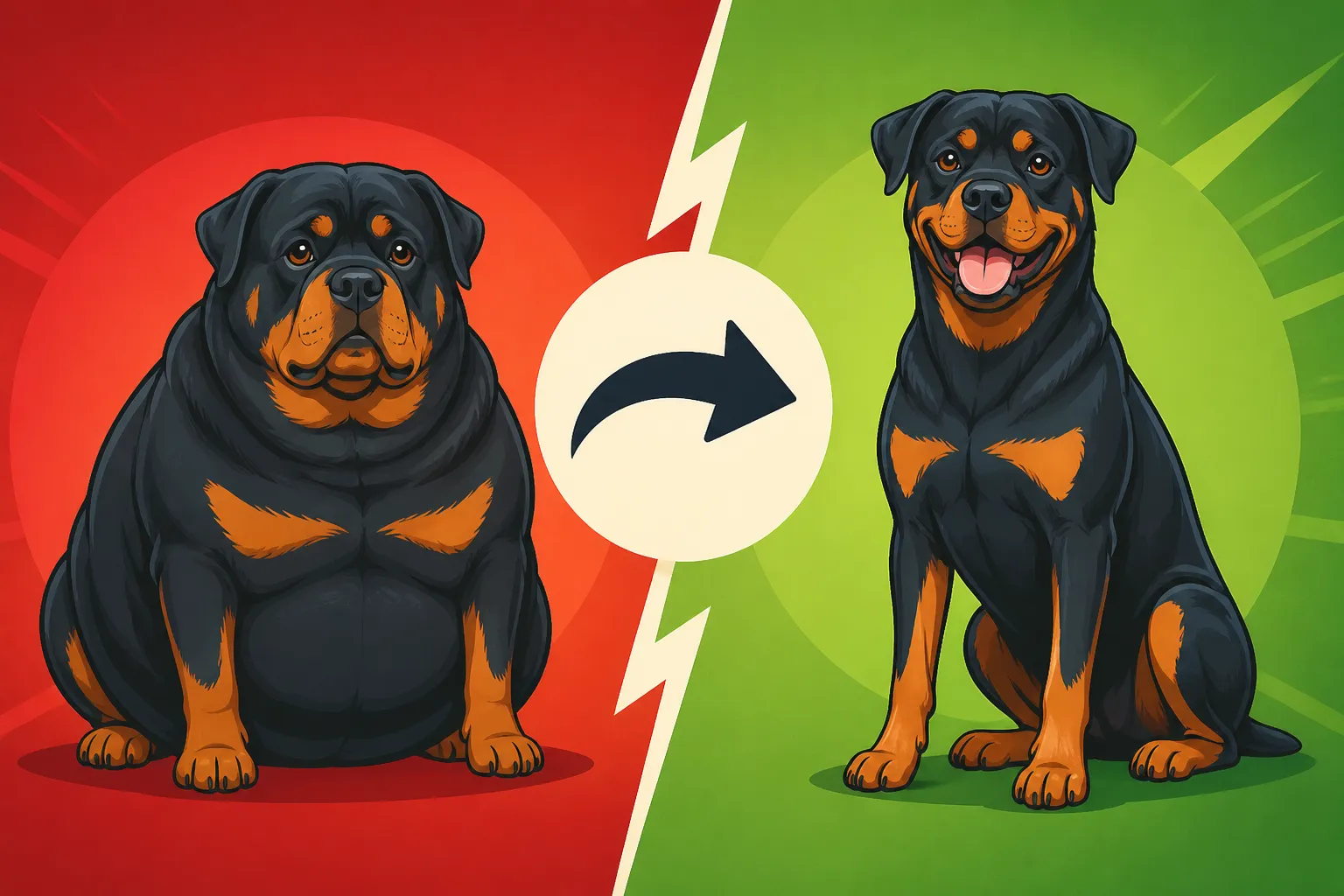
It's easy for a Rottweiler to pack on extra pounds, especially when they hit that middle-aged spread or life gets a little less active. You look at your beloved 140-pound companion and realize, with a pang of concern, that they're carrying more weight than they should. Perhaps your veterinarian has even confirmed it, suggesting a target of a healthier 120 pounds. This guide is all about navigating that journey, step by careful step, to help your big lug shed those excess twenty pounds safely and effectively, without feeling like you're starving them or turning your life upside down.
Understanding Why Your Rottweiler Gained Weight
Before we even talk about shedding those pounds, it’s really helpful to understand how they crept on in the first place. Nobody sets out to make their dog overweight, but with a Rottweiler’s size and their often-stoic nature, it can be shockingly easy for those extra ounces to turn into significant pounds without you even realizing it.
The Subtle Creep of Extra Pounds
One of the biggest challenges with a large breed like a Rottweiler is that an extra five or ten pounds often barely registers visually. On a smaller dog, that weight is immediately obvious, but when you're starting with a dog that ideally weighs 100 to 120 pounds, an additional 20 pounds can sometimes be mistaken for just being "big-boned" or "robust." This makes the weight gain insidious; it happens gradually, often over months or even years. Perhaps a few extra treats after training sessions, a slightly larger scoop of kibble in the morning, or fewer strenuous walks during a busy period. Each small increase seems insignificant, but they add up relentlessly.
You might not notice until your Rottweiler starts to show subtle signs – maybe they're a little slower getting up, not as eager for a walk, or panting more after light activity. It’s a common frustration for owners who suddenly realize their dog is struggling with mobility when they used to bound around. Understanding Rottweiler Obesity and the Load It Adds can truly open your eyes to the cumulative effect of those extra pounds on their entire skeletal system and internal organs.
Common Culprits: Diet and Lifestyle Missteps
The primary reasons for weight gain in Rottweilers almost always boil down to an imbalance between caloric intake and energy expenditure. It sounds simple, but the specifics can be tricky.
Firstly, overfeeding is rampant. Many owners feed according to the bag's general recommendations, which often don't account for individual metabolism, activity level, or age. A "cup" can vary wildly depending on the scoop used and whether it's leveled. Free-feeding, where food is left out all day, is a recipe for weight gain in most dogs, especially larger breeds. Those delicious-looking, high-value treats we use for training or just because we love them? They add a surprising number of calories that often aren't factored into the daily total. Even a handful of kibble as a "snack" can derail a diet plan.
Secondly, a decrease in activity often goes hand-in-hand with weight gain. As dogs get older, or if an owner's schedule changes, those long, vigorous walks might shorten, or play sessions might become less frequent. Rottweilers, despite their powerful build, aren't necessarily dogs that need to run for miles every day, but they do require consistent, moderate exercise to maintain muscle mass and a healthy weight.
Thirdly, hormonal changes after spaying or neutering can play a significant role. Many dogs experience a metabolic slowdown post-surgery, meaning they need fewer calories to maintain their weight. If their food intake isn't adjusted accordingly, weight gain can be almost inevitable. We often see owners grapple with Rottweiler Weight Gain After Neutering, struggling to understand why their dog, who ate the same amount for years, is suddenly getting chunky. It's a real phenomenon, and it requires a proactive change to their diet.
Crafting a Realistic Weight Loss Plan
Okay, so your 140-pound Rottweiler needs to get down to 120. That's a twenty-pound journey, and it’s not going to happen overnight. This is about sustainable, healthy weight loss, which means gradual changes and consistency. Think of it as a marathon, not a sprint.
Re-evaluating Their Current Food Intake
This is where the rubber meets the road. The single most effective step you can take is to precisely control what goes into their bowl.
First, measure everything. And when I say everything, I mean everything. Get an actual measuring cup, not a random scoop, and level it off. Better yet, if you have a kitchen scale, weigh their kibble. This is the gold standard for accuracy. Even a slight overestimation in cup measurement, spread across two meals a day for weeks, can easily add up to enough excess calories to prevent weight loss.
Next, consider their food type and quantity. If your Rottweiler is currently on a standard adult formula, it might be too calorie-dense for weight loss. Look for a large breed "weight management" or "light" formula. These foods are typically lower in calories, higher in fiber (to help them feel full), and often formulated with joint support, which is a bonus for a heavy dog. Brands like Royal Canin, Purina Pro Plan, or Hill's Science Diet often have excellent weight management options. Alternatively, if you're open to fresh food, companies like Ollie customize meal plans that are portion-controlled and can be adjusted for weight loss, though you'll want to verify if their portion sizes scale appropriately for a large Rottweiler.
To determine how much to feed, don't just guess. Work with your vet to calculate a healthy target caloric intake for their ideal weight (120 pounds), and then start by feeding about 80-90% of that. Adjust based on their weekly weight loss. A healthy loss rate for a Rottweiler is typically 1-2% of their body weight per week, so aiming for 1.4 to 2.8 pounds a week in the beginning is realistic. If they're losing too quickly, increase food slightly; too slowly, decrease slightly.
Finally, split their daily ration into two meals. Feeding two smaller meals instead of one large one can help keep your Rottweiler feeling fuller throughout the day and can also lower the risk of bloat, a serious concern for deep-chested breeds. Splitting a Rottweiler's Ration Across the Day is an excellent strategy for both weight management and overall digestive health. And don't forget treats! Those calories count. Switch to very small, low-calorie training treats or even use small pieces of their regular kibble for rewards. Vegetables like green beans, carrots, or apple slices (without seeds) can be fantastic, low-calorie alternatives. If you're using treats for training, make sure to factor them into their Treat Budgets for Rottweiler Training so you don't accidentally overfeed.
Incorporating More Appropriate Exercise
Exercise is crucial, not just for burning calories, but for maintaining muscle mass and joint health. However, with an overweight Rottweiler, you must be careful not to overdo it, especially in the initial stages. Those extra pounds put a significant strain on their joints. How Rottweiler Weight Multiplies Joint Load is a stark reminder of the stress their hips, elbows, and knees are under.
Start slow and build up gradually. If your Rottweiler is currently sedentary, begin with short, gentle walks. Think 10-15 minutes, two or three times a day, on soft surfaces like grass if possible. As they start to lose weight and their stamina improves, you can gradually increase the duration and intensity. Aim for longer, consistent walks – 30 to 45 minutes, twice a day, is a good long-term goal for many adult Rottweilers.
Consider low-impact activities. Swimming is often fantastic for overweight dogs, as the water supports their weight, reducing stress on joints while providing excellent cardiovascular exercise. If you have access to a safe pool or calm body of water, this can be a game-changer. Gentle fetch or tug games are also good, but avoid excessive jumping or abrupt stops and starts that can jar their joints. Leash walking is your primary tool; it’s consistent and controllable. Avoid high-impact activities like agility training or long-distance running until a significant portion of the excess weight is off and your vet gives the green light.
The Role of Consistent Monitoring
You can't manage what you don't measure. Consistent monitoring is non-negotiable for a successful weight loss journey.
Regular weigh-ins are essential. Ideally, weigh your Rottweiler once a week or every two weeks at the same time of day. Most veterinary clinics have large scales and are happy for you to pop in for a quick weigh-in, sometimes even without an appointment. If you have a robust home scale that can handle their weight, that works too. Tracking their weight consistently allows you to see what's working and what's not, and to make necessary adjustments to their food or exercise plan.
Beyond the numbers on the scale, learn to body condition score (BCS) your Rottweiler. This is a hands-on assessment of their fat reserves. You should be able to easily feel their ribs without pressing hard, and they should have a discernible waist when viewed from above, with an abdominal tuck when viewed from the side. You don't want to see their ribs protruding, but you definitely want to feel them. Being able to visualize and feel Where a Rottweiler's Waist Should Tuck In gives you a much better understanding of their actual body fat percentage than just the scale alone. Your vet can show you how to accurately assess your dog's BCS.
Finally, keep a detailed log. Jot down what they eat, how much, what treats they receive, and how much exercise they get each day. This might sound tedious, but it can be incredibly revealing. You might spot patterns – like "aha, that extra chew bone on Tuesday stalled their weight loss!" or "they lost more this week when we added an extra 15-minute walk." This data empowers you to make informed decisions and stay accountable.
Overcoming Challenges and Maintaining a Healthy Weight
Losing weight is tough for anyone, human or dog, and maintaining it can be even harder. You'll face challenges, but with a solid plan and a bit of perseverance, you and your Rottweiler can absolutely succeed.
Dealing with Begging and Sneaky Snacks
Ah, the Rottweiler sad eyes! They are masters of manipulation when it comes to food. Begging is perhaps the biggest hurdle for many owners. It’s hard to resist that soulful gaze, but giving in even occasionally undermines all your hard work.
The first rule is: no human food or table scraps. This needs to be a hard, fast rule for everyone in the household. A single bite of your dinner might seem harmless, but for a dog, it can be a significant caloric hit. Communicate this clearly to all family members, especially children or houseguests who might not understand the implications.
When your Rottweiler begs, redirect them. Instead of giving in, offer a low-calorie approved snack like a baby carrot or a green bean. Or, even better, redirect with attention or a brief play session. If they're begging while you're eating, have them go to their mat or crate with a safe chew toy that is already factored into their daily calorie budget. Consistency is key here; if they learn that begging sometimes works, they'll keep trying.
Be mindful of "sneaky snacks." This includes dogs counter-surfing, getting into trash, or finding dropped food. Ensure all food is secured, trash cans are dog-proof, and counters are clear. Using a durable puzzle feeder, perhaps one found on Amazon that can stand up to a Rottweiler's robust nature, can not only slow down mealtime but also provide mental enrichment that might reduce boredom-related begging. Puzzle Feeders Built for a Rottweiler can be a fantastic investment.
Adjusting for Age and Individual Needs
Rottweilers, like people, are individuals. A weight loss plan for a 5-year-old, mildly overweight Rottweiler might look different than one for an 8-year-old dog with significant mobility issues.
As your Rottweiler ages, their metabolism will naturally slow down further. Feeding a Rottweiler Past Its Eighth Year often means fewer calories are required to maintain weight, let alone lose it. Be prepared to adjust their food intake downwards as they transition into their senior years. Exercise might also need to become even lower impact. Swimming might become even more valuable, and shorter, more frequent walks might replace longer ones.
If your Rottweiler has pre-existing conditions, particularly arthritis or other joint problems, their exercise plan needs careful consideration. High-impact exercise is a no-go. Consult with your veterinarian, who might recommend specific exercises, hydrotherapy, or even pain management strategies to help them be more comfortable and active. Managing Arthritis in an Older Rottweiler is crucial for their quality of life and ability to move. In some cases, your vet might even suggest Physical Therapy After Rottweiler Joint Surgery or to support weight loss efforts without surgery. Always follow your vet's advice when existing health conditions are present.
Some Rottweilers might simply have a harder time losing weight due to genetics or other metabolic factors. Don't get discouraged if the progress is slow. Patience, consistency, and working closely with your vet will get you there.
Long-Term Habits for a Leaner Rottweiler
Reaching that goal weight of 120 pounds is a huge accomplishment, but the journey doesn't end there. Weight management is a lifelong commitment. Think of it as establishing a new, healthier lifestyle for your Rottweiler.
Maintain strict portion control. Even when they've reached their ideal weight, don't revert to guesswork. Continue measuring or weighing their food at every meal. You might increase their daily caloric intake slightly from the weight-loss amount, but it should still be precisely managed based on their activity level and ongoing body condition. Knowing the Daily Calories for a Hundred Twenty Pound Rottweiler is vital for maintenance.
Keep exercise consistent. Daily walks, play, and mental enrichment should remain a regular part of their routine. This not only keeps the weight off but also promotes overall health, muscle tone, and mental well-being.
Regular vet check-ups are vital. Continue with annual (or more frequent for seniors) Vet Visit Frequency for a Senior Rottweiler. Your vet can monitor their weight, body condition, and overall health, catching any potential issues early and helping you make adjustments to their diet or exercise as needed.
Celebrate non-food victories! Instead of an extra biscuit, reward your Rottweiler with a new toy, an extended snuggle session, a trip to a favorite walking spot, or a fun training game. These positive reinforcements strengthen your bond and make the healthy lifestyle enjoyable for both of you. Getting your Rottweiler from 140 pounds down to a lean, active 120 pounds is one of the best things you can do for their long-term health and happiness.
| Action | Why it Helps | Frequency |
|---|---|---|
| Weigh or Measure Food Precisely | Prevents accidental overfeeding, ensures calorie control | Every Meal |
| Factor in All Treats | Treats add significant calories; prevents hidden gain | Daily |
| Increase Low-Impact Exercise | Burns calories, builds muscle, protects joints | Daily (Gradual) |
| Regular Weigh-Ins & BCS | Tracks progress, allows for timely adjustments | Weekly/Bi-weekly |
| No Table Scraps | Eliminates unknown calories and unhealthy foods | Always |
| Use Puzzle Feeders | Slows eating, increases satiety, mental enrichment | Daily Meals |
| Vet Consults | Professional guidance, health checks, calorie targets | Biannual/Annual |
Disclaimer
This article is for general informational purposes only and does not constitute professional advice. Laws, prices and regulations vary by location and change over time. Consult a qualified professional for guidance on your specific situation.