Rottweiler Hip Dysplasia Symptoms Before Age Two
It’s a heartbreaking and often confusing experience to see your robust, playful Rottweiler puppy start showing signs of discomfort or stiffness, especially when they’re still so young. Many of us know the worry that immediately creeps in when a dog bred for power and athleticism suddenly hesitates. This guide will walk you through the early, often subtle, symptoms of hip dysplasia that can appear in Rottweilers even before they reach their second birthday, helping you recognize the signs and act quickly.
The Subtle Hints of Hip Dysplasia in Young Rottweilers
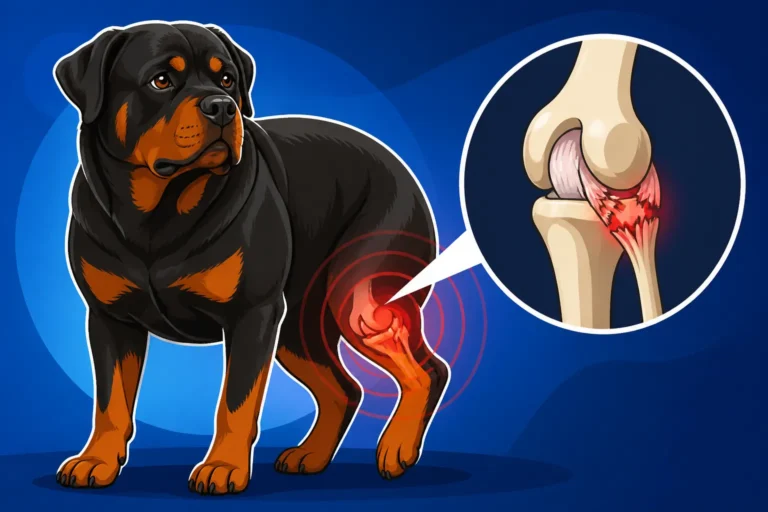
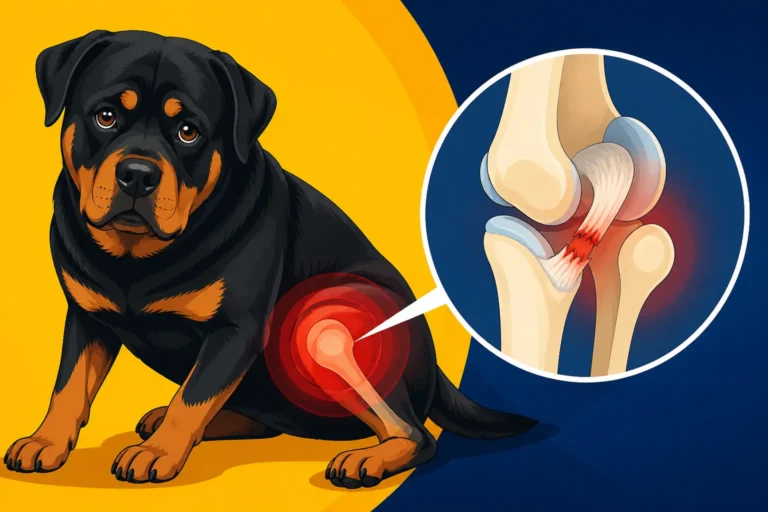
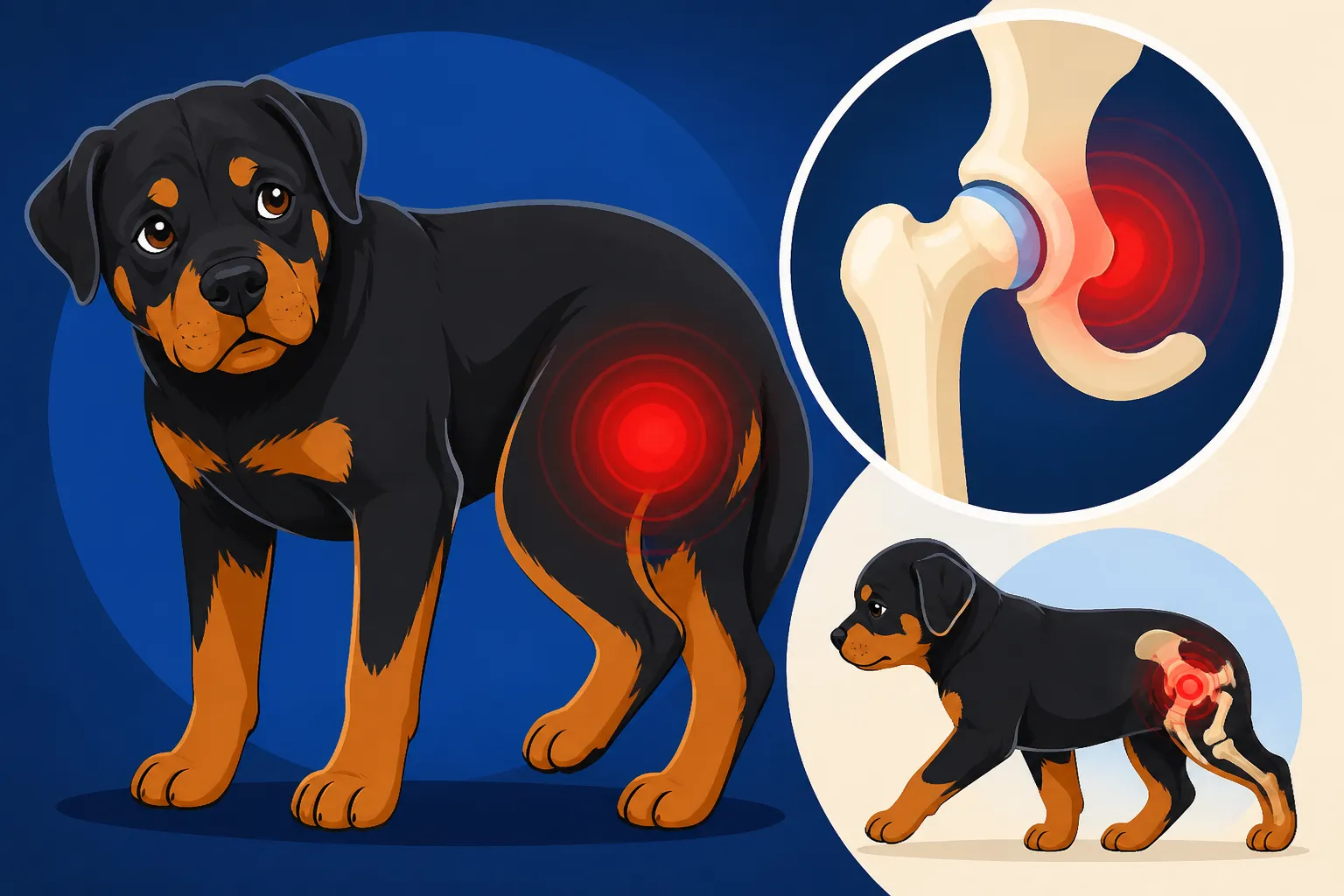
Rottweiler puppies are bundles of boundless energy, and it's easy to dismiss a momentary limp or a bit of stiffness as just a growth spurt or rough play. But hip dysplasia, a condition where the hip joint doesn't form correctly, causing the ball and socket to grind instead of glide smoothly, can begin to manifest its presence long before full maturity. Recognizing these early, often subtle, signs is absolutely crucial because intervention, even if just lifestyle management, can make a world of difference in your dog's long-term comfort and mobility. Don't fall into the trap of thinking a young dog can't have serious joint issues; in Rottweilers, it's a very real concern that needs proactive attention.
Early Changes in Gait and Movement
One of the first things you might notice, even if you can't quite put your finger on it, is a slight alteration in how your Rottweiler moves. They might not be overtly lame, but perhaps their walk looks a little less fluid than it used to be. You might observe a subtle swaying in their hindquarters or a stiffness, particularly after they’ve been resting or sleeping for a while. Imagine your puppy bounding across the yard, then gradually, over weeks or months, their powerful stride seems a bit less confident, a bit more guarded. This isn't about them "growing into" their big bodies; it's often an early indicator that something isn't quite right with their hip joints.
Sometimes, it manifests as a puppy favoring one leg slightly, or a general awkwardness that wasn't there before. You might see them shifting their weight forward more, trying to take pressure off their hindquarters. It’s not always a dramatic limp; it can be a general reluctance to put full weight evenly on both hind legs, which over time can lead to uneven muscle development. Keep a keen eye on how they get up from a lying position, how they navigate stairs, or even just how they walk from one room to another. These small, consistent changes in gait are often the earliest whispers of trouble.
Reluctance to Play or Exercise
This symptom can be particularly concerning for Rottweiler owners because these dogs are known for their robust love of play and activity. If your previously enthusiastic puppy starts to show a decreased interest in their usual games, especially those involving running, jumping, or chasing, it’s a big red flag. They might lag behind on walks, prefer shorter play sessions, or even refuse to engage in activities they once adored, like a rousing game of fetch or a romp at the dog park. This isn't just a mood; it’s often their body telling them that certain movements cause pain or discomfort.
Think about a typical day: your Rottweiler used to charge outside, eager to chase a ball. Now, they might walk out slowly, sniff around, and lie down sooner than usual. They might stand at the edge of the action, watching other dogs play instead of joining in. It’s easy to think they’re just maturing or becoming more sedate, but a sudden or gradual decline in activity level, especially before they're two years old, warrants investigation. This reluctance isn't laziness; it’s often a self-preservation mechanism to avoid aggravating their painful hips. This is also why A Growing Rottweiler's Joints and Overexercise can lead to problems if not managed carefully from a young age.
Changes in Posture or Sitting Habits
Dogs with hip pain often adopt unusual postures to alleviate discomfort. You might notice your Rottweiler puppy starting to sit in a "frog-leg" position, with one or both legs splayed out to the side rather than tucked neatly underneath their body. This posture is an attempt to reduce pressure on the femoral heads within the hip sockets. Another tell-tale sign is a general stiffness in their hindquarters, making them look hunched or rigid when standing still. Their back might seem to curve slightly more than usual, or they might stand with their legs closer together, again, trying to compensate for the instability in their hips.
When they lie down, they might be slower or more deliberate, almost "lowering" themselves carefully rather than flopping down. And when they get up, it might be a slow, multi-stage process, sometimes requiring a bit of a heave. Pay attention to how they settle after a long day; do they frequently shift their weight, unable to get truly comfortable? These subtle shifts in how your dog holds their body or chooses to sit and lie down are often silent screams for help, indicating that their usual ways of resting are no longer comfortable due to underlying hip joint issues.
What to Look For During Growth Spurts
Rottweilers are large breed dogs that grow rapidly, often continuing to develop until they are 18 to 24 months old. This extended growth period means their joints, especially their hips, are under immense stress. It’s a common misconception that hip dysplasia only shows up in older dogs, but for breeds like Rottweilers, symptoms can emerge during these critical growth phases. The rapid increase in size and weight can exacerbate any underlying genetic predisposition to hip dysplasia, making it crucial to be extra vigilant during this time. Remember, maintaining a lean body condition in your growing Rottweiler puppy is paramount, as Why a Chubby Rottweiler Puppy Is a Problem highlights, extra weight puts undue strain on developing joints.
The "Bunny Hop" and Other Peculiarities
One of the more distinctive signs of hip dysplasia in a young dog is what’s commonly referred to as the "bunny hop." Instead of using their hind legs independently when they run or ascend stairs, a dog with hip pain might move both hind legs together, almost like a rabbit hopping. This movement is a conscious effort by the dog to minimize motion and discomfort in their hip joints by essentially using their hindquarters as one unit, rather than two separate, painful joints. It's an unmistakable sign if you catch it, and it almost always indicates significant discomfort.
Beyond the bunny hop, you might notice other oddities. Perhaps they struggle to jump into the car or onto the sofa, whereas before it was effortless. They might hesitate before going up or down stairs, or appear to "climb" rather than walk fluidly. Some dogs with hip pain will also avoid weight-bearing activities, standing only when necessary, or constantly shifting their weight when standing. These compensatory movements are clear indicators that your dog is trying to work around painful hips, and they should never be ignored or dismissed as just normal puppy clumsiness.
Sensitivity and Pain Response
While your Rottweiler might be stoic, true hip pain will often elicit a noticeable reaction. If you gently palpate or touch their hip area, they might flinch, whimper, or even show a defensive reaction like a growl or a snap – which is entirely out of character for a typically good-natured Rottweiler. This sensitivity can also be observed during routine activities like grooming, where they might resist having their hindquarters brushed or their nails trimmed, even if they usually tolerate it well. Any unexpected aggression or withdrawal during handling could be a sign of pain, not a behavioral issue.
You might also notice them licking or chewing excessively at their hip or thigh area, a common self-soothing behavior when they're experiencing discomfort. Sometimes, the pain is less acute but more chronic, leading to a generally grumpy or withdrawn demeanor. They might seek less interaction, or avoid situations where they know they’ll be bumped or jostled. Paying close attention to how your Rottweiler reacts to touch, movement, and even their general disposition can give you vital clues about their comfort levels.
Muscle Loss Around the Hips
Over time, if your Rottweiler is favoring their front legs or reducing the use of their hindquarters due to hip pain, you will likely see a visible reduction in muscle mass in their hind legs. This is known as muscle atrophy. The muscles on their thighs (quadriceps and hamstrings) will appear thinner and less defined compared to their powerful front legs, which are compensating for the weakened rear. You might even notice a difference in the thickness of their tail base. Visually, their hindquarters might look narrower or less well-muscled than you’d expect for a Rottweiler.
To check for this, stand behind your dog and compare the muscle bulk of their left and right thighs. Run your hands over their hips and notice if one side feels less developed or if there’s a noticeable asymmetry. This muscle atrophy happens gradually, so it might not be immediately obvious, but it’s a significant indicator of chronic hip pain and disuse. It’s often a later sign that develops after the initial subtle symptoms have been present for some time. Early identification of Rottweiler Hip Dysplasia Symptoms Before Age Two can help manage this decline.
When to Consult Your Veterinarian About Symptoms
Identifying these symptoms is just the first step; the most important next step is to involve your veterinarian. Don't wait until your Rottweiler is overtly lame or unable to walk. The earlier hip dysplasia is diagnosed, the more options you and your vet will have to manage the condition and improve your dog's quality of life. Even if you're uncertain, a professional evaluation is always worth it. While you hope for the best, having pet insurance like Healthy Paws can provide peace of mind for potential diagnostic tests and treatments.
Documenting Your Observations
Before your vet visit, it's incredibly helpful to keep a detailed log of what you've observed. This isn't just for your memory; it provides concrete information for your veterinarian. Note down:
- When did you first notice symptoms? (e.g., "Started noticing a bunny hop around 6 months old.")
- What specific symptoms are you seeing? (e.g., "Limping after long walks, difficulty getting up, sits with legs splayed.")
- How often do these symptoms occur? (e.g., "Every morning after waking, after any strenuous activity.")
- What makes the symptoms better or worse? (e.g., "Rest improves it, jumping makes it worse.")
- Has there been any change in appetite, energy, or behavior?
- Any family history of hip dysplasia you are aware of? (Especially crucial if you know about the parents' health clearances, like Rottweiler Hips and Elbows and the 24-Month Rule)
This documentation will give your vet a clear timeline and specific points to investigate, making their diagnostic process more efficient. Sometimes, the symptoms might be intermittent, so a log helps capture the full picture rather than just relying on what happens to be present during the short vet appointment.
Initial Veterinary Examination and Next Steps
During your visit, your veterinarian will perform a thorough physical examination. This will include observing your Rottweiler’s gait, palpating their hips, and manipulating their hind legs to assess range of motion, pain, and instability in the joints. Don’t be surprised if your vet asks to see your dog walk, trot, or even try to sit or lie down. They’re looking for those subtle signs you’ve been observing.
If hip dysplasia is suspected based on the physical exam, the next crucial step is usually diagnostic imaging, specifically X-rays. For younger dogs, sedated or anesthetized X-rays are often preferred to ensure proper positioning, which is critical for an accurate diagnosis. These X-rays will allow the veterinarian to visualize the hip joints, assess the depth of the hip sockets, and evaluate the fit of the femoral heads (ball) within the acetabulum (socket). They'll look for signs of joint laxity, degenerative changes, or malformation. Your vet might also discuss options like PennHIP Set Against OFA for a Rottweiler for more advanced evaluations.
Understanding Diagnostic Imaging
X-rays are the gold standard for diagnosing hip dysplasia. Your vet will typically take specific views of the pelvis, often with your Rottweiler lying on their back with their hind legs extended. This position allows the vet to assess the congruity of the joint and look for signs of subluxation (partial dislocation) or osteoarthritis.
Here's a breakdown of what typical X-rays can reveal:
| X-Ray Finding | Indication of Hip Dysplasia |
|---|---|
| Joint Laxity | Excessive looseness in the hip joint, indicating instability. |
| Shallow Acetabulum | The hip socket is too flat, preventing the femoral head from fitting snugly. |
| Flattened Femoral Head | The "ball" of the femur is not perfectly round, often due to abnormal wear. |
| Osteophyte Formation | Bone spurs around the joint, a sign of secondary arthritis developing. |
| Remodeling | Changes in bone shape due to chronic stress and inflammation. |
It's important to understand that early hip dysplasia might not show severe arthritic changes on X-rays, especially in very young dogs. Instead, the focus will be on joint laxity and abnormal conformation. This is why a physical exam combined with properly positioned X-rays, often at 12 to 24 months of age (following guidelines for Rottweiler Growth Plates Closing at Eighteen to Twenty-Four Months), is so important for obtaining a definitive diagnosis. Once a diagnosis is made, your vet can discuss various management and treatment options, which can range from conservative management with pain medication and joint supplements like those discussed in Joint Supplements Started Before a Rottweiler Turns Two to surgical interventions, depending on the severity of the condition and your dog's age. Remember, catching it early truly makes a difference in what can be done to help your beloved Rottweiler.
Disclaimer
The information provided in this guide is for general informational purposes only and does not constitute veterinary advice. Always consult with a qualified veterinarian for any health concerns or before making any decisions related to your pet's medical care.