What Shortens a Rottweiler’s Eight to Ten Years
It's an incredibly tough pill to swallow: despite their powerful build and seemingly robust nature, Rottweilers often don't live as long as we desperately wish they would. The average lifespan, often cited as eight to ten years, can feel heartbreakingly short, especially when we see smaller breeds trotting along well into their teens. This guide isn't about sugarcoating that reality, but rather about shedding light on the common health challenges and factors that regrettably shorten a Rottweiler's time with us, so you can be better prepared and advocate for your beloved companion.
Genetic Predispositions and Inherited Conditions
Rottweilers, like many purebred dogs, carry genetic blueprints that make them prone to certain health issues. It's not a fault of the dog, but a consequence of generations of breeding that, while perfecting certain traits, sometimes inadvertently cemented predispositions to specific diseases. Understanding these can help you spot issues early and manage them effectively.
Joint Diseases That Cripple Early
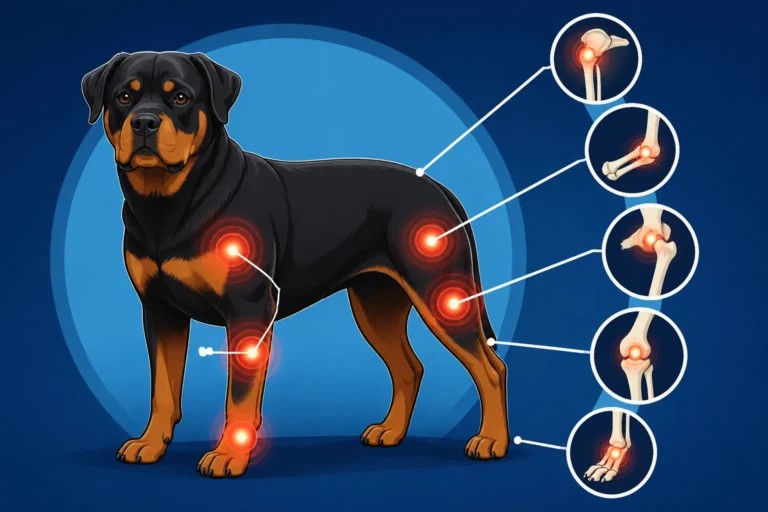
One of the most common and heartbreaking categories of inherited conditions in Rottweilers involves their joints. Given their substantial size and powerful musculature, healthy joints are paramount for their quality of life. When these go awry, it can severely impact their mobility and lead to chronic pain, often forcing difficult decisions far too soon.
Hip Dysplasia: The Silent Struggle
Hip dysplasia is a malformation of the hip joint, where the ball (femoral head) doesn't fit snugly into the socket (acetabulum). Instead, it's loose, rubbing and grinding, leading to pain, lameness, and eventually debilitating arthritis. You might start noticing subtle signs in a young Rottweiler, sometimes even before they turn two, though it often becomes more pronounced as they age. They might hesitate to jump, have trouble getting up after resting, or show a "bunny hopping" gait. This isn't just discomfort; it's a chronic, progressive condition that can severely limit their activity. For a powerful breed like a Rottweiler, mobility is everything. When the pain becomes unmanageable, or surgery isn't an option, the decision to humanely end their suffering often looms large, cutting years off their potential life. Rottweiler Hip Dysplasia and the OFA Grade is an important read for anyone considering this breed.
Elbow Dysplasia: A Mirror in the Front Legs
Similar to hip dysplasia, elbow dysplasia is a complex condition involving multiple developmental abnormalities of the elbow joint. It can manifest as fragmented coronoid process, ununited anconeal process, or osteochondrosis (OCD) of the humeral condyle. The result is chronic pain, stiffness, and lameness, primarily affecting the front legs. Imagine the weight a Rottweiler carries – often well over 100 pounds – all of that pressure on faulty elbow joints. This leads to early-onset arthritis, limiting their ability to run, play, and even walk comfortably. Just like with hips, severe elbow dysplasia can drastically reduce a Rottweiler's quality of life and shorten their active years, sometimes leading to early euthanasia if pain cannot be managed effectively.
Osteochondritis Dissecans (OCD)
While hip and elbow dysplasia are often discussed, Osteochondritis Dissecans (OCD) is another significant growth-related orthopedic disease that can plague young, rapidly growing Rottweilers. This condition occurs when the cartilage in a joint fails to develop properly or detaches from the underlying bone, most commonly affecting the shoulder, but sometimes the elbow, hock, or stifle. It leads to lameness, pain, and swelling, often requiring surgical intervention to remove the loose cartilage flap. Left untreated, it can lead to severe, early-onset arthritis, making a Rottweiler uncomfortable and limiting their physical capabilities from a young age, potentially shaving off years of comfortable mobility.
Heart Disease and Sudden Collapse
Few things are as devastating as a dog appearing healthy one moment and collapsing the next due to an undiagnosed heart condition. Rottweilers are unfortunately susceptible to certain cardiac issues that can severely shorten their lifespan, sometimes without much warning.
Subaortic Stenosis (SAS): The Silent Killer
Subaortic Stenosis (SAS) is a congenital heart defect where a fibrous ring or ridge forms just below the aortic valve, narrowing the outflow tract from the left ventricle. This forces the heart to work harder to pump blood, eventually leading to thickening of the heart muscle, heart failure, and arrhythmias. What makes SAS so insidious is that affected Rottweilers often show no symptoms in their youth, living seemingly normal lives until a sudden collapse or death, often during exercise or excitement. A careful breeder will screen for SAS with an echocardiogram, as a heart murmur detected by a vet may only be the first clue. It’s a tragic reality that many Rottweilers succumb to this condition before reaching old age. Subaortic Stenosis in Rottweiler Puppies offers more detailed insights.
Dilated Cardiomyopathy (DCM): Progressive Heart Failure
Dilated Cardiomyopathy (DCM) is another serious heart condition characterized by the enlargement and weakening of the heart muscle, making it less efficient at pumping blood. This leads to a progressive decline in heart function and eventual heart failure. Symptoms can include lethargy, exercise intolerance, coughing, difficulty breathing, and sometimes, sudden death. While it can affect any large breed, Rottweilers are particularly prone, and it often appears in middle age. Managing DCM involves lifelong medication, but it is ultimately a progressive disease, and dogs diagnosed with it typically have a significantly reduced lifespan, often living only months to a few years after diagnosis.
Neurological Challenges
While perhaps less common than joint or heart issues, specific neurological conditions can also prematurely end a Rottweiler's life or severely impact their quality of life, leading to difficult decisions for their families.
JLPP: A Devastating Neurological Disorder
Juvenile Laryngeal Paralysis & Polyneuropathy (JLPP) is a devastating inherited neurological disease unique to Rottweilers and a few other breeds. Affected puppies typically show symptoms between 3 and 18 weeks of age, including a change in bark, difficulty swallowing (leading to aspiration pneumonia), and progressive weakness and incoordination in their limbs. This condition is progressive and ultimately fatal, as the laryngeal paralysis makes it impossible for them to breathe or swallow properly, and the polyneuropathy leads to complete paralysis. There is no cure, and puppies usually succumb to the disease or are humanely euthanized due to poor quality of life within their first year. Responsible breeders DNA test their breeding stock for the RAB3GAP1 gene to avoid producing affected puppies. JLPP and the Rottweiler DNA Test is a vital resource for understanding this condition.
The Shadow of Cancer in Rottweilers
Cancer is a word no pet owner ever wants to hear, but for Rottweiler owners, it's an unfortunate and often devastating reality. This breed is disproportionately affected by several aggressive forms of cancer, which are significant contributors to their shortened lifespan.
Bone Cancer's Ruthless Grip
Among the various cancers, bone cancer, or osteosarcoma, stands out as a particularly cruel and common foe for Rottweilers. Its aggressive nature and rapid progression mean that even with treatment, the prognosis is often grim.
Osteosarcoma: A Common and Aggressive Foe
Osteosarcoma is the most common primary bone tumor in dogs, and Rottweilers are at an alarmingly high risk. This aggressive cancer often affects the long bones of the limbs, though it can appear elsewhere. The first sign is typically a subtle lameness or swelling, which quickly progresses to severe pain. By the time a diagnosis is made, often through X-rays and biopsies, the cancer has frequently already microscopicially spread to other parts of the body, most commonly the lungs. Even with aggressive treatment like amputation followed by chemotherapy, the median survival time is often measured in months, not years. This disease tragically robs many Rottweilers of their senior years, leading to immense suffering and difficult end-of-life decisions for their owners. The First Limp That Turns Out to Be Bone Cancer details the heartbreak of this diagnosis.
Other Cancers
While osteosarcoma is prominent, Rottweilers are also prone to other forms of cancer that can severely impact their health and longevity.
Lymphoma: Affecting the Lymphatic System
Lymphoma is a common cancer in dogs, arising from lymphocytes (a type of white blood cell) in the lymphatic system. It can affect lymph nodes, spleen, liver, bone marrow, and other organs. Symptoms vary depending on the affected area but often include enlarged lymph nodes, lethargy, weight loss, and decreased appetite. While treatable with chemotherapy, lymphoma in Rottweilers often has a guarded prognosis, and while remission is possible, it is rarely a permanent cure. The disease often returns, and managing it can be a long and emotionally draining journey, impacting the dog's quality of life and ultimately shortening their lifespan.
Hemangiosarcoma: A Silent, Catastrophic Threat
Hemangiosarcoma is an aggressive and highly malignant cancer of the blood vessel lining cells. It can occur anywhere in the body but most commonly affects the spleen, heart, and skin. What makes it particularly frightening is its tendency to grow silently internally until a tumor ruptures, leading to sudden and catastrophic internal bleeding. A Rottweiler might seem perfectly fine one moment and then suddenly collapse, become weak, have pale gums, or distended abdomen. Prognosis is typically poor, even with emergency surgery and chemotherapy, as it often metastasizes quickly. It's a devastating cancer that can take a Rottweiler's life with little to no warning.
Mast Cell Tumors: Skin and Internal Dangers
Mast cell tumors are another common canine cancer, originating from mast cells found in various tissues throughout the body, most frequently the skin. While some skin mast cell tumors are benign and easily removed, others are highly aggressive and can metastasize rapidly to lymph nodes, spleen, and bone marrow. Rottweilers are prone to both cutaneous (skin) and visceral (internal) forms. Early detection and surgical removal are crucial for prognosis, but highly aggressive forms or those that have already spread can significantly shorten a Rottweiler's life.
Life-Threatening Emergencies and Acute Conditions
Beyond chronic diseases and cancers, Rottweilers are also at heightened risk for certain acute emergencies that can strike suddenly and demand immediate, often costly, veterinary intervention. The speed of response can literally mean the difference between life and death, and unfortunately, not every outcome is a happy one.
Gastric Dilatation-Volvulus (Bloat)
If you own a large, deep-chested dog like a Rottweiler, you've likely heard the terrifying word: bloat. This condition, medically known as Gastric Dilatation-Volvulus (GDV), is one of the most feared and rapidly fatal emergencies in dogs.
The Race Against Time
Bloat occurs when a dog's stomach fills with gas, food, or fluid (dilatation) and then twists upon itself (volvulus), trapping the contents and cutting off blood supply. Rottweilers, with their deep chests, are genetically predisposed. The symptoms come on fast: restlessness, drooling, unsuccessful attempts to vomit, a distended abdomen, and signs of pain. Without immediate veterinary intervention – typically emergency surgery to untwist the stomach (detorsion) and often a gastropexy to tack the stomach in place to prevent future episodes – the dog will die from shock, tissue necrosis, and organ failure within hours. Even with surgery, the mortality rate can be high, and the financial and emotional toll on owners is immense. This acute emergency can tragically cut short a Rottweiler's life in its prime. Recognizing Bloat in a Rottweiler is an absolute must-read.
Accidents and Injuries
While some may consider accidents to be random occurrences, for a large, powerful breed like a Rottweiler, certain types of injuries are more common and can have severe, life-altering, or even fatal consequences.
Cruciate Ligament Tears: A Heavy Burden
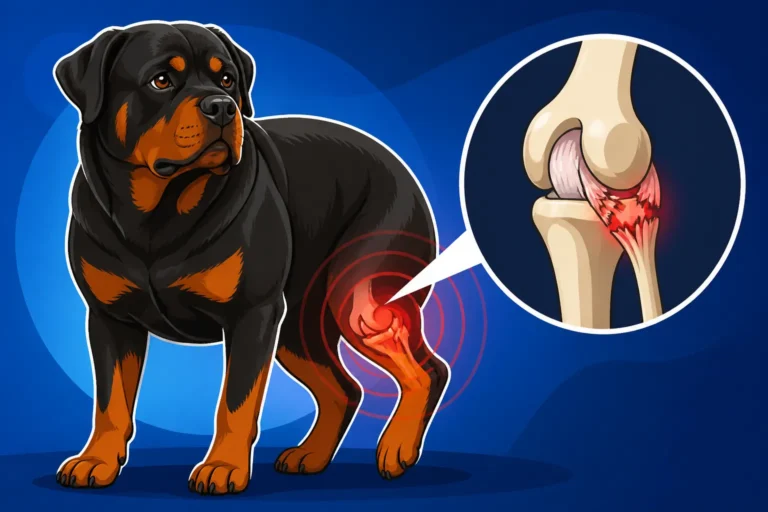
The cranial cruciate ligament (CCL) in a dog's knee is analogous to the ACL in humans. For large, heavy breeds like Rottweilers, tears or ruptures of this ligament are common, often occurring during normal activity or a misstep. A torn CCL results in sudden lameness and significant pain. While surgical repair (such as TPLO or TTA) is typically successful, it's a major surgery with a lengthy recovery. Often, if one CCL tears, the other is prone to tearing later, leading to bilateral issues. The chronic arthritis that develops post-injury or post-surgery can severely impact a Rottweiler's mobility in their later years, and the recovery process itself is challenging, sometimes leading to complications that shorten their comfortable life. Cruciate Tears in a Heavy Rottweiler offers more context on this issue.
Other Traumas: Unexpected Tragedies
Beyond joint injuries, Rottweilers, despite their imposing presence, are not immune to other forms of trauma that can quickly end their lives. Car accidents, falls from heights (even seemingly small ones for a dog their size can cause significant internal damage), dog fights, or accidental ingestions of toxins are all devastating possibilities. While some accidents are truly unavoidable, vigilance, proper restraint, secure fencing, and a safe home environment can mitigate many of these risks. The suddenness of such events leaves owners reeling, often without a chance to say goodbye, adding another layer to the pain of a shortened life.
Lifestyle Factors and Preventable Risks
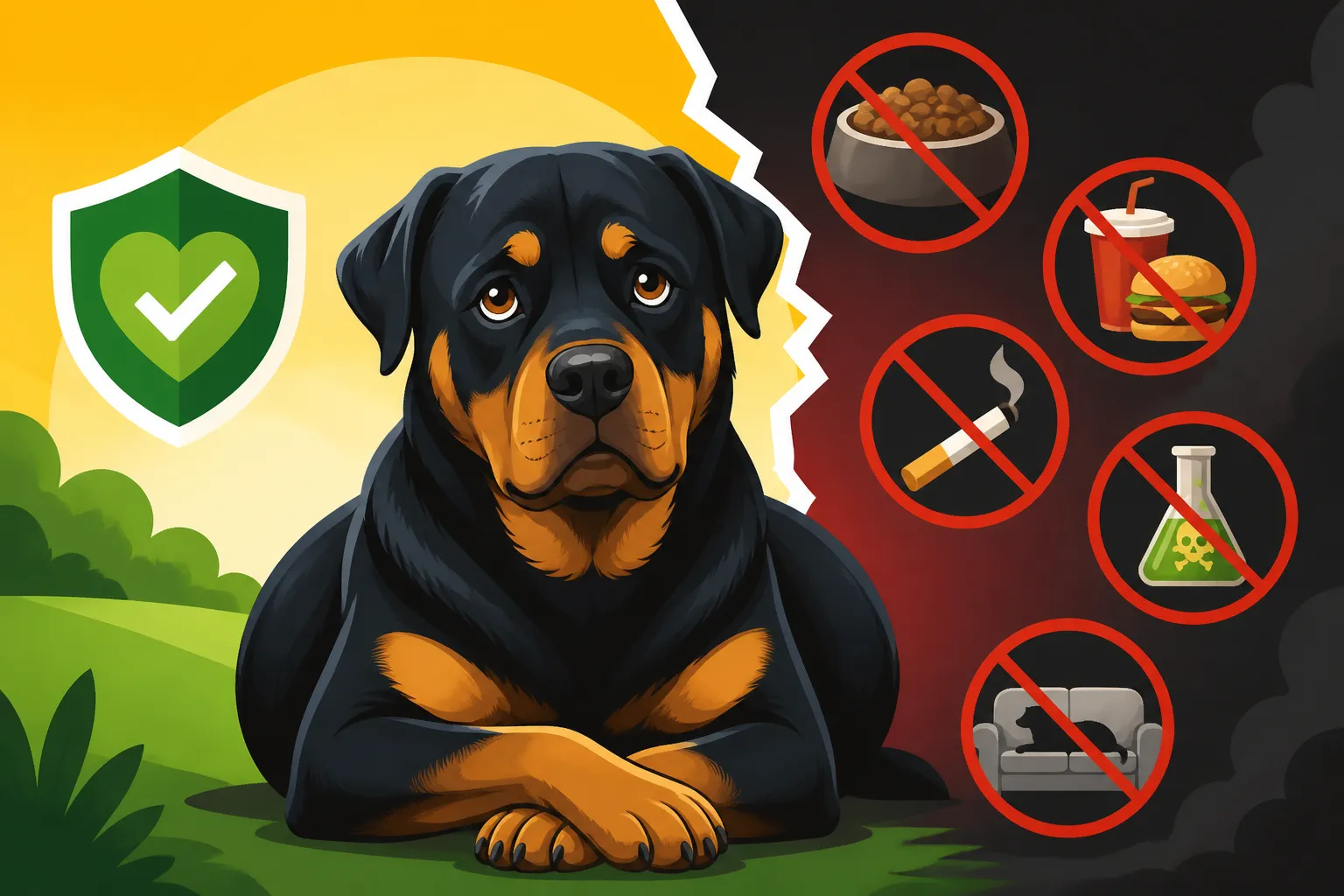
While genetics and acute emergencies play a significant role, the choices we make as owners regarding their daily care, diet, and exercise also profoundly impact a Rottweiler's health and longevity. Some of the most common factors that shorten their lives are, heartbreakingly, within our control to prevent or manage.
Obesity and Its Domino Effect
It’s easy to let a Rottweiler get a little chunky; they love their food, and a few extra pounds might not seem like a big deal on such a large frame. But make no mistake, obesity is a serious health threat that silently chips away at their lifespan.
The Weight of Excess Pounds
A Rottweiler carrying extra weight puts immense strain on their already predisposed joints, accelerating the onset and severity of conditions like hip and elbow dysplasia and arthritis. Beyond orthopedic issues, obesity contributes to heart disease, makes respiratory conditions worse, increases the risk of certain cancers, and can even lead to diabetes. An overweight Rottweiler has reduced stamina, struggles with heat intolerance, and simply doesn't enjoy the same quality of life as a lean, fit dog. It's a slow, insidious process that can shave years off their life, making them less active and more prone to disease. Keeping your Rottweiler at a healthy, lean weight is one of the most impactful things you can do for their long-term health. Rottweiler Obesity and the Load It Adds highlights this critical issue.
Inadequate Exercise and Mental Stimulation
Rottweilers are strong, intelligent working dogs. They need more than just a quick walk around the block; they need physical activity and mental engagement to thrive. Neglecting these needs doesn't just lead to behavioral issues; it impacts their physical health too.
The Cost of a Sedentary Life
A Rottweiler that doesn't get enough appropriate exercise will suffer. Their muscles will weaken, leading to joint instability and stiffness. Energy builds up, which can manifest as destructive behavior or stress, indirectly impacting their immune system. Just as importantly, a lack of mental stimulation can lead to boredom, anxiety, and even depression, all of which take a toll on overall well-being. A dog that is physically fit and mentally engaged is less stressed, more resilient, and generally healthier, potentially extending their active lifespan. While you need to be mindful of Rottweiler Growth Plates and Why They Close So Late in puppies, adult Rottweilers require consistent, appropriate activity.
Poor Nutrition Choices
What you put in your Rottweiler's bowl directly impacts their growth, development, and long-term health. Making the wrong choices, especially during their critical growth phases, can have lasting, negative consequences.
Fueling a Growing Giant and Maintaining an Adult
Feeding a Rottweiler puppy is not the same as feeding a small breed. They need specially formulated large breed puppy food that controls their growth rate and provides the correct calcium-to-phosphorus ratio. Overfeeding or using regular puppy food can lead to excessively rapid growth, which is a major contributor to developmental bone diseases like osteochondrosis, hip, and elbow dysplasia. For adult Rottweilers, feeding a high-quality, balanced diet appropriate for their activity level is essential to maintain a healthy weight and provide all necessary nutrients. Poor quality foods, excessive treats, or an unbalanced home-cooked diet can lead to nutritional deficiencies, allergies, and digestive upset, all of which contribute to chronic health problems and a reduced lifespan.
Lack of Regular Veterinary Care
It might seem obvious, but consistent, proactive veterinary care is absolutely foundational to a long and healthy life for your Rottweiler. Skipping appointments or delaying care can have serious repercussions.
The Importance of Proactive Health Management
Routine veterinary check-ups are not just about vaccinations and parasite prevention, though those are crucial. They allow your vet to monitor your Rottweiler's overall health, catch subtle changes that you might miss, and address potential issues before they become severe. Early detection of conditions like heart murmurs (which could indicate SAS), changes in blood work (suggesting kidney or liver issues), or even suspicious lumps can make an enormous difference in treatment success and prognosis. Regular dental care, which often requires anesthesia for proper cleaning, also prevents painful dental disease that can lead to more serious systemic infections. Neglecting routine care means potentially missing critical warning signs, leading to more advanced, harder-to-treat diseases that can significantly shorten your Rottweiler's life.
The Role of Responsible Breeding and Owner Vigilance
While many factors are outside our control, understanding the role of responsible breeding practices and committing to owner vigilance are two powerful tools in striving for a longer, healthier life for our Rottweilers. It starts before you even bring a puppy home and continues every single day.
Choosing a Reputable Breeder
The foundation of a Rottweiler's health and potential lifespan is laid long before they ever come home with you. A truly reputable breeder is an invaluable partner in minimizing genetic health risks.
Mitigating Genetic Risks Through Clearances
A responsible breeder will invest in extensive health clearances for their breeding dogs, specifically looking for conditions prevalent in the Rottweiler breed. This includes OFA (Orthopedic Foundation for Animals) certifications for hips and elbows, which assess the joints for dysplasia. They'll also perform cardiac evaluations to screen for heart conditions like Subaortic Stenosis, and eye exams to check for inherited eye diseases. Crucially, they should also provide clear DNA test results for JLPP, ensuring that no affected puppies will be produced. These clearances aren't just pieces of paper; they are a breeder's commitment to reducing the chances of genetic diseases in their puppies. While no guarantee against all health issues, choosing a puppy from health-tested parents significantly improves their odds of a longer, healthier life. When considering a puppy, ask to see The Five Clearances a Rottweiler Breeder Must Have. This proactive approach can help mitigate some of the heartbreak associated with inherited conditions.
Early Detection and Proactive Management
Even with the best breeding, health issues can arise. Your role as an owner then shifts to vigilant observation and swift action. Being attuned to your Rottweiler's normal behavior is key.
Monitoring for Subtle Changes
Rottweilers are stoic by nature, and they often hide pain or discomfort until it's quite advanced. This makes your daily observation critical. Pay attention to subtle shifts in their gait, any hesitation to jump or climb, changes in appetite or water intake, coughing, unexplained weight loss or gain, or any new lumps or bumps. Regular home checks of their teeth, ears, and overall coat condition can also flag issues early. Don't dismiss a slight limp or a quiet day as "just being tired." If something feels off, trust your gut. Prompt veterinary attention for these early signs can mean the difference between managing a condition effectively and facing a much more dire prognosis. For instance, catching a lump when it's small can be life-saving for a fast-spreading cancer. Preparing for unexpected health challenges can be eased by considering pet insurance from providers like Healthy Paws, which can help cover the costs of diagnostics and treatment when an illness strikes.
The Emotional Toll on Owners
It’s impossible to talk about shortened lifespans without acknowledging the immense emotional impact on the humans who love these dogs. Losing a Rottweiler, especially prematurely, is a profound grief.
Navigating the Heartbreak
Rottweilers become deeply integrated into our lives and families. Their intelligence, loyalty, and protective nature forge incredibly strong bonds. When their life is cut short by a devastating illness or accident, the grief can be overwhelming. The financial burden of intensive care, the daily management of a chronic condition, and the emotional exhaustion of making difficult end-of-life decisions can be incredibly taxing. Knowing that you've done everything in your power to provide them with the best care, to advocate for their health, and to ensure their comfort can offer some solace in the face of such loss. Even with the best care, some things are simply beyond our control, but being prepared and informed can help navigate these challenging journeys. Many owners find peace in making end-of-life decisions for their Rottweiler based on quality of life, especially when faced with aggressive diseases like cancer or severe mobility issues. Pet insurance, such as a comprehensive plan from Healthy Paws, can help alleviate some of the financial stress associated with critical illnesses, allowing owners to focus more on their dog's care rather than the cost.
| Health Issue | Typical Age of Onset | Impact on Lifespan / Severity | Preventative Measures |
|---|---|---|---|
| Hip/Elbow Dysplasia | Puppyhood – 2 years | Chronic pain, severe arthritis, reduced mobility, potentially early euthanasia. Can lead to years of discomfort if not managed. | Choose breeders with OFA-cleared parents. Maintain lean weight. Appropriate puppy exercise (avoid forced running/jumping). |
| Osteosarcoma | 6-10 years (or younger) | Extremely aggressive, rapid progression. Median survival months even with aggressive treatment. High fatality rate. | No definitive prevention, but avoid excessive weight gain. Vigilant monitoring for lameness. |
| Subaortic Stenosis (SAS) | Congenital (present at birth) | Often silent until sudden collapse/death, typically 1-5 years. Can lead to heart failure. | Choose breeders with cardiac-cleared parents (echocardiogram by a veterinary cardiologist). |
| Dilated Cardiomyopathy (DCM) | Middle age (4-8 years) | Progressive heart failure, lethargy, coughing, sudden death. Lifespan significantly reduced post-diagnosis. | Choose breeders with cardiac-cleared parents. Balanced nutrition. (Some genetic tests available for specific breeds, but not universally for Rottweilers yet). |
| JLPP | 3-18 weeks | Progressive neurological decline, difficulty breathing/swallowing, paralysis. Ultimately fatal in puppyhood. | Choose breeders who DNA test parents for the RAB3GAP1 gene (carrier x carrier breeding is highly discouraged). |
| Bloat (GDV) | Any age (increased risk with age) | Rapidly fatal without immediate emergency surgery. High mortality rate even with surgery. | Prophylactic gastropexy (often done during spay/neuter). Avoid single large meals, elevated bowls, and strenuous exercise before/after eating. Manage stress. |
| Obesity | Any age | Worsens joint disease, increases risk of heart disease, diabetes, certain cancers. Shortens active, comfortable life. | Feed high-quality, measured portions. Avoid overfeeding treats. Provide regular, appropriate exercise. Monitor body condition score. |
| Cruciate Ligament Tears | Any age | Acute lameness, significant pain, requires surgery. Can lead to chronic arthritis and increased risk in other knee. | Maintain lean weight. Build muscle strength appropriately. Avoid sudden, high-impact movements. |
Disclaimer
The information provided in this article is for educational purposes only and is not intended to be a substitute for professional veterinary advice, diagnosis, or treatment. Always seek the advice of your veterinarian or other qualified health provider with any questions you may have regarding a medical condition.