Whether Rottweiler Lifespan Has Improved at All
It’s a heartbreaking reality that our beloved Rottweilers, with their magnificent presence and loyal hearts, often have shorter lifespans than many smaller breeds. When you bring one of these incredible dogs into your life, you naturally hope for as many years as possible, and it’s frustrating to hear estimates that often hover around the 8 to 10-year mark. This guide will delve into the historical context of Rottweiler longevity, explore how modern advancements have influenced their health, and discuss what you, as a dedicated owner, can do to potentially extend their precious time with you.
The Historical Context of Rottweiler Lifespan
For generations, dog owners have grappled with the bittersweet knowledge that our companions don't live as long as we do. For Rottweilers, this feeling is often amplified due to their impressive size and the depth of their bond with their families. But has their typical lifespan always been this way, or have things changed over time? It’s a complex question, and the answer involves a look back at how we've understood and cared for these dogs.
Early Perceptions and Anecdotes
In the past, detailed health records for dogs simply weren't as common or as thoroughly kept as they are today. Many of the insights into Rottweiler lifespan came from anecdotal evidence, word-of-mouth among breeders and owners, and general observations rather than scientific study. People understood that larger dogs tended to live shorter lives, and Rottweilers, being a truly substantial working breed, were no exception. There wasn't the same emphasis on early detection of diseases or the widespread availability of specialized veterinary care that we see now. A dog might pass away from something that today would be treatable or preventable, but back then, it was often just "part of life" for a big dog. The focus was often on their working ability and temperament, with longevity being a secondary, albeit desired, trait. Without robust data, it was harder to pinpoint trends or specific health challenges that were cutting lives short, making it feel like a more unpredictable lottery.
The Rise of Breed-Specific Health Concerns
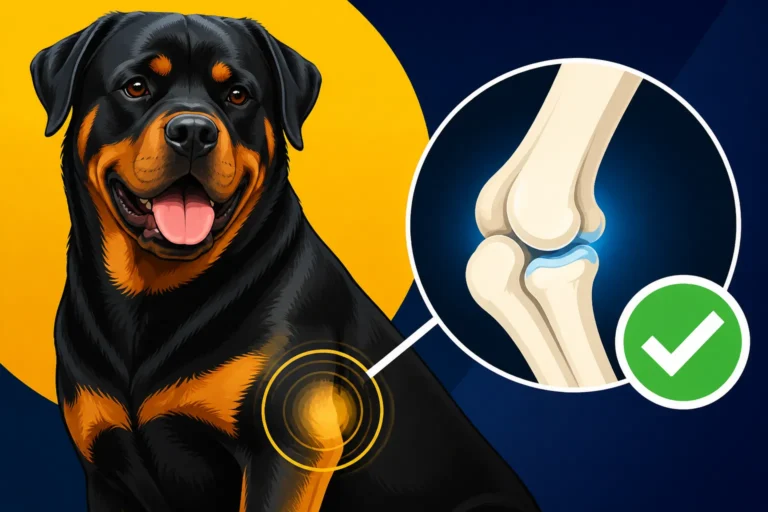
As veterinary medicine advanced and the popularity of the Rottweiler surged, particularly in the latter half of the 20th century, we started to gain a clearer picture of the breed's specific health vulnerabilities. With more dogs being bred and living in family homes, breeders and vets began to observe patterns in certain conditions. Suddenly, hip dysplasia wasn't just a general "bad joint" issue; it became a recognized, heritable problem in breeds like the Rottweiler. The same applied to elbow dysplasia, a condition that could cause significant lameness and pain.
Beyond orthopedic issues, other serious concerns came to the forefront. Conditions like osteosarcoma, a devastating bone cancer, were identified as having a higher prevalence in large and giant breeds, including Rottweilers. Heart conditions, specifically subaortic stenosis, became a known genetic issue that could lead to sudden death or heart failure at a young age. And then there’s bloat, or Gastric Dilatation-Volvulus (GDV), a terrifying, life-threatening emergency that Rottweiler owners live in fear of. This increased awareness wasn't necessarily because these diseases were new, but because our ability to diagnose, track, and understand them improved dramatically. This recognition allowed for the development of screening tests and better treatment protocols, but it also painted a starker picture of the health challenges inherent to the breed.
How Modern Science and Breeding Practices Have Influenced Longevity
The journey from anecdotal observations to scientific understanding has been transformative for the Rottweiler breed. Modern science and dedicated breeding practices have made significant strides in addressing some of the most pressing health issues, directly influencing the potential for a longer, healthier life.
The Impact of Health Testing and Screening
One of the most profound changes has been the widespread adoption of comprehensive health testing. Responsible Rottweiler breeders today don't just pick two healthy-looking dogs; they delve deep into their genetic makeup and physical health history. Organizations like the Orthopedic Foundation for Animals (OFA) provide standardized evaluations for hips and elbows, aiming to reduce the incidence of debilitating conditions like Rottweiler Hip Dysplasia and the OFA Grade. Breeders submit X-rays, and certified radiologists grade the joints, allowing breeders to make informed decisions about which dogs to include in their breeding programs. Similarly, Rottweiler Hips and Elbows and the 24-Month Rule outlines the crucial age at which these screenings can be reliably performed.
Beyond structural health, cardiac clearances are now standard, with specialist cardiologists performing echocardiograms to screen for conditions like Rottweiler Heart Disease and Subaortic Stenosis. This proactive screening helps prevent the passing on of genes that can lead to early heart failure. Genetic DNA tests have also emerged for conditions such as Juvenile Laryngeal Paralysis & Polyneuropathy (JLPP), a severe neurological disorder. The JLPP and the Rottweiler DNA Test has been a game-changer, allowing breeders to ensure that no affected puppies are produced by carefully pairing carrier dogs with clear dogs, or ideally, breeding clear to clear. This meticulous approach to health testing, including The Five Clearances a Rottweiler Breeder Must Have, directly contributes to puppies having a much better genetic foundation for a longer, healthier life than those born decades ago without such scrutiny.
Advances in Veterinary Care and Nutrition
It’s not just breeding that’s evolved; the entire landscape of veterinary care and canine nutrition has been revolutionized. Today, our vets have access to diagnostic tools that were unimaginable even 30 years ago, from advanced imaging like MRI and CT scans to sophisticated blood panels that can detect subtle changes indicative of disease. Treatments for cancers, heart conditions, and orthopedic injuries have become far more effective and specialized. For example, surgical interventions for Bloat in a Rottweiler and the Hours That Matter are now more refined, and preventive surgeries like gastropexy can significantly reduce the risk.
On the nutrition front, our understanding of a large breed dog's dietary needs has matured immensely. We now recognize the critical importance of Feeding a Rottweiler Puppy That Grows for Two Years on large breed-specific formulas to ensure proper bone development, avoiding excessive calcium that can lead to growth problems. For adults, balanced nutrition tailored to their activity level helps prevent obesity, which significantly strains joints and organs. Premium dog food brands, often developed with veterinary nutritionists, provide precise nutrient profiles that support overall health and immune function. Moreover, access to pet insurance, with providers like Healthy Paws offering comprehensive coverage, means that more owners can afford these advanced diagnostics and life-saving treatments without having to make impossible financial decisions. This shift in both preventative and reactive care has undeniably extended the lives of many Rottweilers who might not have survived in earlier eras.
The Role of Owner Care in Maximizing a Rottweiler's Years
While genetics and advanced veterinary medicine lay a crucial foundation, a significant portion of a Rottweiler's longevity lies squarely in the hands of their owner. Daily decisions about diet, exercise, and vigilance can truly make the difference in whether your Rottweiler lives out their full potential.
Nutrition, Exercise, and Weight Management
Let’s be honest, those soulful Rottweiler eyes can be incredibly persuasive when they’re begging for a treat or a little extra dinner. However, one of the biggest favors you can do for your Rottweiler’s long-term health is to keep them at a lean, healthy weight. Obesity is a silent killer, exacerbating joint problems like arthritis and hip dysplasia, increasing the risk of heart disease, diabetes, and even some cancers. Rottweiler Obesity and the Load It Adds to their already large frame is immense. This means carefully measuring out their food, understanding the caloric content of treats, and opting for Feeding an Adult Rottweiler at a Hundred Twenty Pounds that aligns with their actual energy expenditure. Splitting meals into two or three smaller portions can also help with digestion and potentially lower the risk of bloat, a life-threatening emergency.
Equally important is appropriate exercise. For growing puppies, this means avoiding high-impact activities like excessive jumping or long-distance running, which can damage their still-developing Rottweiler Growth Plates and Why They Close So Late. Short, controlled walks and appropriate playtime are key. For adult Rottweilers, consistent moderate exercise – like daily walks, swimming, or mentally stimulating games – is vital for maintaining muscle mass, joint health, and a healthy metabolism. It’s about quality and consistency, not just intensity. A well-exercised, lean Rottweiler is far more likely to remain agile and comfortable into their senior years, improving their overall quality of life and adding precious time.
Proactive Health Monitoring and Early Intervention
Being a Rottweiler owner means being an advocate for your dog's health. This involves more than just yearly vet visits; it's about constant, subtle monitoring and knowing when something isn't quite right. Regular physical exams by your veterinarian are non-negotiable, but what you observe at home is equally vital. Pay close attention to changes in appetite, thirst, energy levels, gait, and behavior. Even seemingly minor changes can be early indicators of serious health issues. For example, a slight limp could be the first sign of The First Limp That Turns Out to Be Bone Cancer, a condition where early detection is absolutely critical.
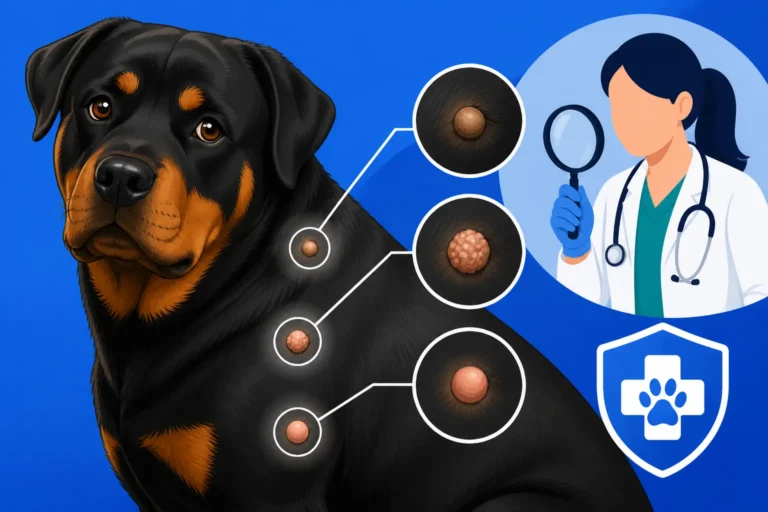
Educating yourself on common Rottweiler ailments, like Recognizing Bloat in a Rottweiler or the early signs of heart disease, empowers you to act quickly. Learning to perform basic at-home checks, like feeling for new lumps or checking their gums, can also be incredibly valuable. Don’t hesitate to contact your vet if you notice anything unusual. Prompt diagnosis and treatment often lead to better outcomes and can significantly impact longevity. This is where pet insurance, like a policy from Healthy Paws, really shines. Knowing that a significant portion of unexpected diagnostic tests, specialist consultations, or emergency surgeries will be covered can remove a huge barrier to seeking immediate care, ensuring your Rottweiler gets the critical attention they need without delay. Proactive care, coupled with the financial safety net of good insurance, is a powerful combination for maximizing your Rottweiler's healthy years.
Current Realities and Future Outlook
While we've made significant advancements, it's also important to acknowledge the current realities of Rottweiler lifespan and what the future may hold for this magnificent breed.
Understanding the Breed's Genetic Predispositions
Despite the monumental efforts of responsible breeders and the strides in veterinary medicine, Rottweilers, like many purebred dogs, still carry genetic predispositions to certain health issues. We've discussed hip and elbow dysplasia, cardiac conditions, JLPP, and bone cancer, which are tragically common challenges. Even with careful screening, these conditions haven't been entirely eliminated, nor is every dog from health-tested parents guaranteed to be immune. This is simply the nature of genetics and the complexities of polygenic diseases, where multiple genes and environmental factors play a role. It’s why the average Rottweiler Lifespan and the Eight to Ten Year Average has remained somewhat consistent, even with improvements. We're fighting against centuries of genetic inheritance, and while we're much better equipped, it's an ongoing battle.
Moreover, conditions like bloat, while often linked to dietary and exercise habits, also have a genetic component that researchers are still working to fully understand. The reality is that even with the best intentions and the most rigorous health protocols, owning a Rottweiler means being aware of these inherent risks. It means making peace with the fact that, despite your best efforts, your dog might still face one of these challenges. However, understanding these predispositions isn't about resignation; it's about being prepared, proactive, and committed to mitigating risks through every means available.
The Ongoing Pursuit of Longer, Healthier Lives
The good news is that the pursuit of longer, healthier lives for Rottweilers is an ongoing, passionate endeavor within the veterinary community and among dedicated breeders. Research into canine genetics continues to advance, identifying more markers for disease and developing new diagnostic tools. For instance, further studies into the genetic components of osteosarcoma and bloat could lead to even more targeted breeding decisions or preventive therapies. Breed clubs are constantly updating their health recommendations and encouraging participation in robust health databases like OFA and the Canine Health Information Center (CHIC), which collects data on multiple health clearances.
Owners also play a critical role. By choosing a reputable breeder who prioritizes health testing, providing optimal nutrition and exercise, and committing to regular veterinary care and early intervention, you become an active participant in improving the breed's future. The increasing availability and affordability of pet insurance, such as through Healthy Paws, also means more dogs are receiving high-quality, life-extending care. While the average lifespan may not have seen a dramatic leap, the quality of those years, and the number of dogs reaching their natural genetic potential, has undoubtedly improved. The goal isn't just to add years, but to add healthy, vibrant years, allowing these incredible dogs to be cherished companions for as long as possible. The collective effort continues, driven by love for the Rottweiler breed.
Comparing Rottweiler Lifespan Factors
Here's a look at how different factors contribute to a Rottweiler's lifespan, highlighting the shifts over time:
| Factor | Historical Impact (Pre-2000s) | Modern Impact (Post-2000s) | Influence on Lifespan |
|---|---|---|---|
| Breeding Practices | Less health testing, focus on conformation/temperament. | Extensive health testing (OFA hips/elbows, cardiac, JLPP). | Significantly positive |
| Veterinary Diagnostics | Limited imaging, basic blood work. | Advanced imaging (MRI, CT), genetic tests, specialized labs. | Highly positive |
| Treatment Options | Fewer surgeries, less specialized medicine. | Advanced surgeries (TPLO, gastropexy), chemotherapy, specialized care. | Highly positive |
| Nutrition Knowledge | Less understanding of large breed specific needs, calcium balance. | Large breed puppy formulas, balanced adult diets, obesity awareness. | Positive |
| Owner Awareness | Less access to detailed health information. | Abundant resources (vets, internet), emphasis on proactive care. | Positive |
| Pet Insurance | Rare or non-existent. | Widespread availability, covering major medical costs. | Positive |
| Genetic Predispositions | Present but less understood/tracked. | Better understood, but still inherent risks (e.g., bone cancer). | Negative (inherent) |
| Average Lifespan Range | Often cited as 7-9 years, with high variability. | Still 8-10 years on average, but with more healthy years within that range. | Modestly positive |
Disclaimer
The information provided in this article is for general informational purposes only and does not constitute veterinary advice. Always consult with a qualified veterinarian for any health concerns or before making any decisions related to your Rottweiler's care.