The First Limp That Turns Out to Be Bone Cancer
It's an utterly heartbreaking moment when you first notice your strong, usually stoic Rottweiler favoring a leg, or hesitating before jumping into the car. What might seem like a simple sprain from too much play can, unfortunately, be the first, terrifying sign of something much more serious: bone cancer, specifically osteosarcoma. This guide is here to walk you through recognizing those crucial early indicators, understanding what a diagnosis means, and helping you navigate the difficult path that follows.
Recognizing the Subtle Signs of a Rottweiler's Limp
That first limp can be so subtle, so easy to dismiss. Rottweilers, with their powerful builds and generally stoic nature, aren't always quick to show discomfort. They'll often try to "push through" pain, which can make early detection of serious issues incredibly challenging for even the most observant owner. This initial hesitation or slight favor can quickly escalate, leaving you with that gut-wrenching feeling that something isn't quite right.
When a "Minor" Limp Becomes Concerning
Many of us have seen our dogs limp after a vigorous game of fetch or an awkward landing, only for them to shake it off within an hour or two. With a Rottweiler, however, that kind of intermittent limp warrants a closer look, especially as they get older. You might notice it more first thing in the morning, after they've been resting, or after a long walk. Perhaps they're reluctant to put full weight on a particular leg when getting up from a lying position, but once they're moving, it seems to dissipate slightly. This "on-and-off" nature can be deceptive, making you think it's just an old injury flaring up or a bit of arthritis.
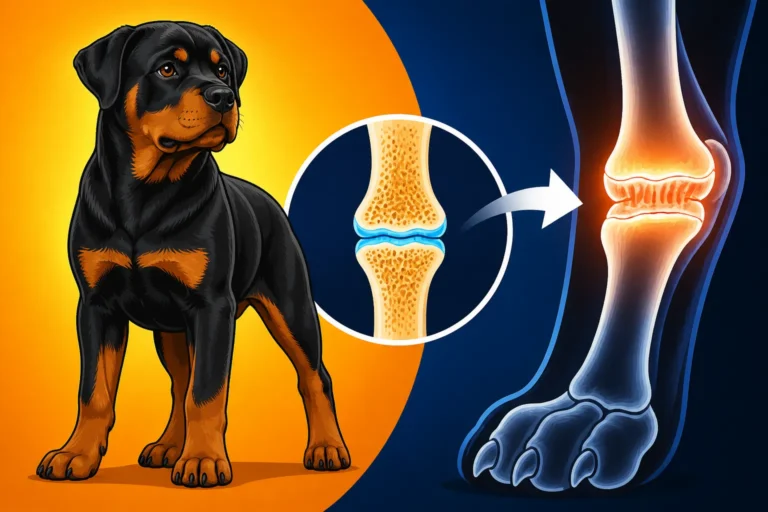
However, a limp caused by osteosarcoma often starts this way—intermittently, then gradually becomes more persistent and severe. You might observe your dog shifting their weight, taking shorter strides, or bunny-hopping when they run. It's not always a dramatic, non-weight-bearing lameness right from the start. Pay close attention to which leg seems affected; is it a front leg (common for distal radius or proximal humerus involvement) or a rear leg (distal femur or proximal tibia)? Observing these nuances can give your veterinarian critical clues. Unfortunately, Osteosarcoma Signs in a Rottweiler Leg can be insidious, mimicking less serious ailments until the cancer has progressed.
Beyond Just a Limp: Other Behavioral Changes to Watch For
While the limp is usually the most obvious symptom, it’s rarely the only one. Your Rottweiler might start showing other, more subtle behavioral changes that, when combined with the lameness, paint a clearer picture of their discomfort. Have they become less enthusiastic about their favorite activities, like chasing squirrels or going for a car ride? Are they more reluctant to jump into the car or climb stairs, perhaps choosing to bypass obstacles they used to clear with ease? This decrease in activity level is a huge red flag for a large, active breed like a Rottweiler.
Beyond physical reluctance, watch for changes in their demeanor. A once boisterous dog might become quieter, more withdrawn, or even a little irritable if you inadvertently touch their sore spot. They might start licking or chewing at the affected limb excessively, trying to alleviate the discomfort. You might also notice a decrease in appetite, restlessness at night, or a general lethargy that wasn't there before. Any sudden sensitivity to touch, especially when you gently run your hands along their legs, should prompt an immediate veterinary visit. These changes, however small, are your Rottweiler's way of telling you they're in pain, and they deserve a thorough investigation.
Understanding Osteosarcoma in Rottweilers
Osteosarcoma is a truly devastating diagnosis for any dog, but it holds a particular weight for Rottweiler owners. This aggressive form of bone cancer often strikes larger, giant breed dogs, and Rottweilers are unfortunately one of the breeds with a higher predisposition. Understanding this disease is the first step in facing it head-on.
Why Rottweilers Are Uniquely Vulnerable
Rottweilers, alongside other large and giant breeds like Great Danes, Irish Wolfhounds, and Saint Bernards, have a significantly higher risk of developing osteosarcoma. Why? While the exact mechanisms aren't fully understood, theories point to their rapid growth rate and substantial bone density. The long bones, which bear a tremendous amount of weight and experience significant growth, are prime targets for this aggressive cancer. These bones are typically the distal radius (wrist area of the front leg), proximal humerus (shoulder area of the front leg), distal femur (knee area of the rear leg), and proximal tibia (just below the knee in the rear leg).
This cancer doesn't just damage the bone at the primary site; it's also incredibly aggressive in its tendency to metastasize, or spread, to other parts of the body, most commonly the lungs. The rapid progression of this disease is what makes early detection so critical, and yet so challenging, due to the Rottweiler's inherent stoicism. Learning about Rottweiler Lifespan and the Eight to Ten Year Average often brings up the somber reality that cancer significantly impacts this average.
The Progression of Bone Cancer and What to Expect
Once osteosarcoma takes hold, the limp will almost inevitably worsen over time. Initially, pain medication might offer some relief, but as the tumor grows and destroys more bone tissue, the pain becomes more constant and severe. You might begin to notice swelling around the affected bone, which can sometimes be warm to the touch. This swelling is often firm and unyielding, unlike the soft tissue swelling of a sprain. Your dog may be increasingly reluctant to put any weight on the leg, holding it up more and more frequently.
As the bone deteriorates, it becomes incredibly fragile, leading to what veterinarians call a "pathological fracture." This is a fracture that occurs not from trauma, but simply because the cancerous bone is too weak to support normal weight or movement. A pathological fracture is agonizingly painful and often signals an advanced stage of the disease. Knowing How Fast Rottweiler Bone Cancer Progresses can help you understand the urgency of early and decisive action. It’s a cruel twist that such a strong, resilient breed is so susceptible to a disease that weakens their very foundation.
Navigating the Diagnosis and Initial Steps
Getting a diagnosis of osteosarcoma is a devastating blow, a moment that feels like the world stops turning. But knowing what to expect during the diagnostic process and how to approach initial treatment discussions can help you feel a little more in control during an incredibly difficult time.
The Veterinary Visit and Diagnostic Tools
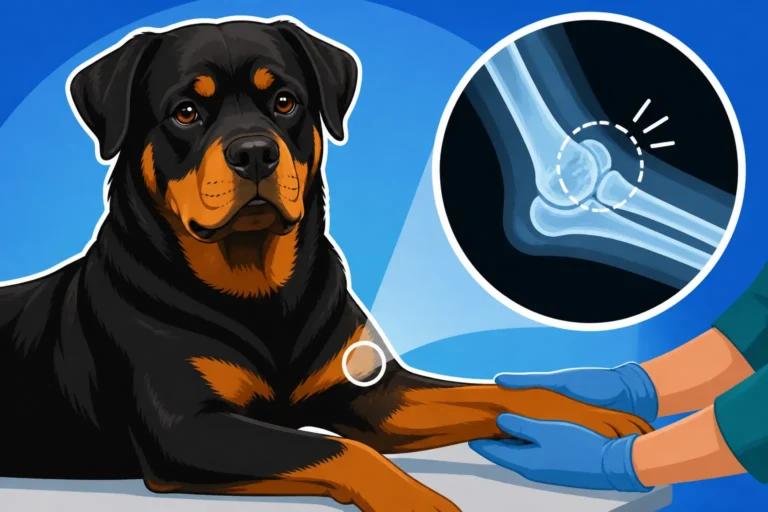
When you bring your Rottweiler in for that persistent limp, your vet will perform a thorough orthopedic examination. They’ll carefully palpate each limb, checking for swelling, warmth, and pain response, and observe your dog's gait. Don't be surprised if they also check their reflexes and range of motion. This initial hands-on assessment helps them localize the source of the pain.
The crucial next step is usually X-rays of the affected limb. This is where bone cancer often reveals itself. The X-rays might show characteristic signs of bone destruction (lytic lesions) or abnormal bone growth (proliferative lesions). Sometimes, a combination of both is seen. These images can often point directly to osteosarcoma, though definitive diagnosis requires a biopsy. Your vet might recommend a fine needle aspirate (FNA), though an incisional biopsy, where a small piece of bone is surgically removed and sent to a pathologist, is often more reliable for bone cancers. To fully stage the cancer and check for spread, chest X-rays are vital, as the lungs are the most common site for metastasis. Bloodwork will also be done to assess your dog's overall health and rule out other issues. The journey from a first limp to confirmation can be a whirlwind, but each step is vital. You can learn more about The X-Rays That Confirm Rottweiler Osteosarcoma and what your vet is looking for.
Immediate Management and Considering Treatment Options
Once osteosarcoma is diagnosed, the immediate priority is managing your Rottweiler's pain. Your vet will likely prescribe strong pain medications, which might include NSAIDs, gabapentin, or even opioids, to make your dog as comfortable as possible. This interim period, while you consider treatment options, is critical for their well-being.
The conversation about treatment will be a heavy one. For osteosarcoma, the most common and effective treatment plan usually involves amputation of the affected limb followed by chemotherapy. Amputation, while a frightening prospect for such a large dog, can dramatically reduce pain and improve quality of life by removing the primary tumor. Rottweilers, surprisingly, often adapt incredibly well to three legs, provided their other limbs are healthy. Chemotherapy, even if it doesn't cure the cancer, aims to delay metastasis and extend your dog's quality of life. Other options might include palliative radiation therapy, which focuses on pain control rather than tumor removal. This is where having pet insurance, like a policy from Healthy Paws, can be a lifeline. The costs associated with diagnostics, surgery, and ongoing chemotherapy can quickly run into thousands of dollars, making financial planning a significant concern during an already stressful time. For more information on managing pain, check out Pain Control for a Rottweiler With Bone Cancer.
| Diagnostic Step | Purpose | Typical Finding in Osteosarcoma |
|---|---|---|
| Physical Exam | Assess lameness, pain, swelling | Localized pain, swelling, warmth over bone |
| Radiographs (X-rays) | Visualize bone structure, look for lesions | Lytic (bone destruction) and/or proliferative (new bone growth) lesions |
| Biopsy (Incisional/FNA) | Obtain tissue for pathological confirmation | Malignant osteoid and neoplastic bone formation |
| Chest X-rays | Stage the cancer, check for lung metastasis | May reveal pulmonary nodules (spread) |
| Bloodwork | Assess overall health, organ function, rule out other issues | Usually normal unless cancer is advanced or dog is unwell |
Support and Moving Forward After a Diagnosis
A cancer diagnosis changes everything. It's not just a medical challenge; it's an emotional and financial one, testing the bond you share with your Rottweiler. Finding the right support and making informed decisions are paramount.
Emotional Impact and Making Difficult Decisions
The emotional toll of an osteosarcoma diagnosis is immense. It's perfectly normal to feel overwhelmed, sad, angry, and even guilty. You might question if you missed earlier signs or if there was anything you could have done differently. Remember, osteosarcoma often progresses rapidly and subtly, and even the most vigilant owners can be caught off guard. Give yourself grace during this incredibly tough time.
As you consider treatment options, you'll inevitably grapple with difficult decisions. How much intervention is too much? What impact will treatment have on your Rottweiler's quality of life? These are deeply personal questions with no single right answer. It's crucial to have open and honest conversations with your veterinary team, including a veterinary oncologist if possible. They can help you understand the prognosis, potential side effects of treatment, and what realistic outcomes look like. For many, the focus shifts from a cure to maximizing good days and minimizing pain. Discussing Making End-of-Life Decisions for a Rottweiler can be gut-wrenching, but it’s an important part of ensuring your beloved companion’s comfort.
Financial Realities and Support Systems
Let's be real: treating canine cancer is expensive. Diagnostics, surgery, chemotherapy, and ongoing pain management can quickly add up, often reaching tens of thousands of dollars. This financial burden can unfortunately influence treatment decisions for many families, adding another layer of stress to an already agonizing situation. This is precisely why early enrollment in pet insurance, like a policy from Healthy Paws, is so beneficial. While it won't cover pre-existing conditions, if your Rottweiler was enrolled before any symptoms appeared, it could significantly offset the costs of such a severe diagnosis.
Beyond insurance, explore financial assistance programs offered by veterinary charities or breed-specific rescue organizations. Many veterinary colleges also have oncology departments that may offer more comprehensive care or participate in clinical trials. Lean on your support system – family, friends, and online communities of Rottweiler owners who have faced similar challenges. Sharing your experiences and asking for advice can provide invaluable emotional and practical support. Knowing Rottweiler Osteosarcoma Survival Times can help you set realistic expectations for the financial and emotional journey ahead.
Practical Care for a Rottweiler with Osteosarcoma
Once you've made your treatment decisions, focusing on your Rottweiler's day-to-day comfort and care becomes paramount. If amputation is chosen, prepare your home for a three-legged dog. This might mean adding non-slip runners on floors, providing ramps for stairs or car access, and ensuring easy access to food and water without needing to jump or stretch. Learning about Amputation Recovery Week by Week for a Rottweiler can help you prepare for the practical challenges and joys of their adaptation.
Ongoing pain management will be a constant focus, requiring close communication with your vet to adjust medications as needed. Even if treatment is successful, vigilance for signs of metastasis is important. Regular follow-up appointments, including chest X-rays, will be part of their care. Remember, your Rottweiler relies on you to be their advocate. Shower them with love, keep them as comfortable as possible, and cherish every single moment you have together. Focusing on Palliative Care for a Rottweiler With Cancer can ensure their final months are as peaceful and joyful as possible.
Disclaimer
This article is for general informational purposes only and does not constitute professional advice. Laws, prices and regulations vary by location and change over time. Consult a qualified professional for guidance on your specific situation.