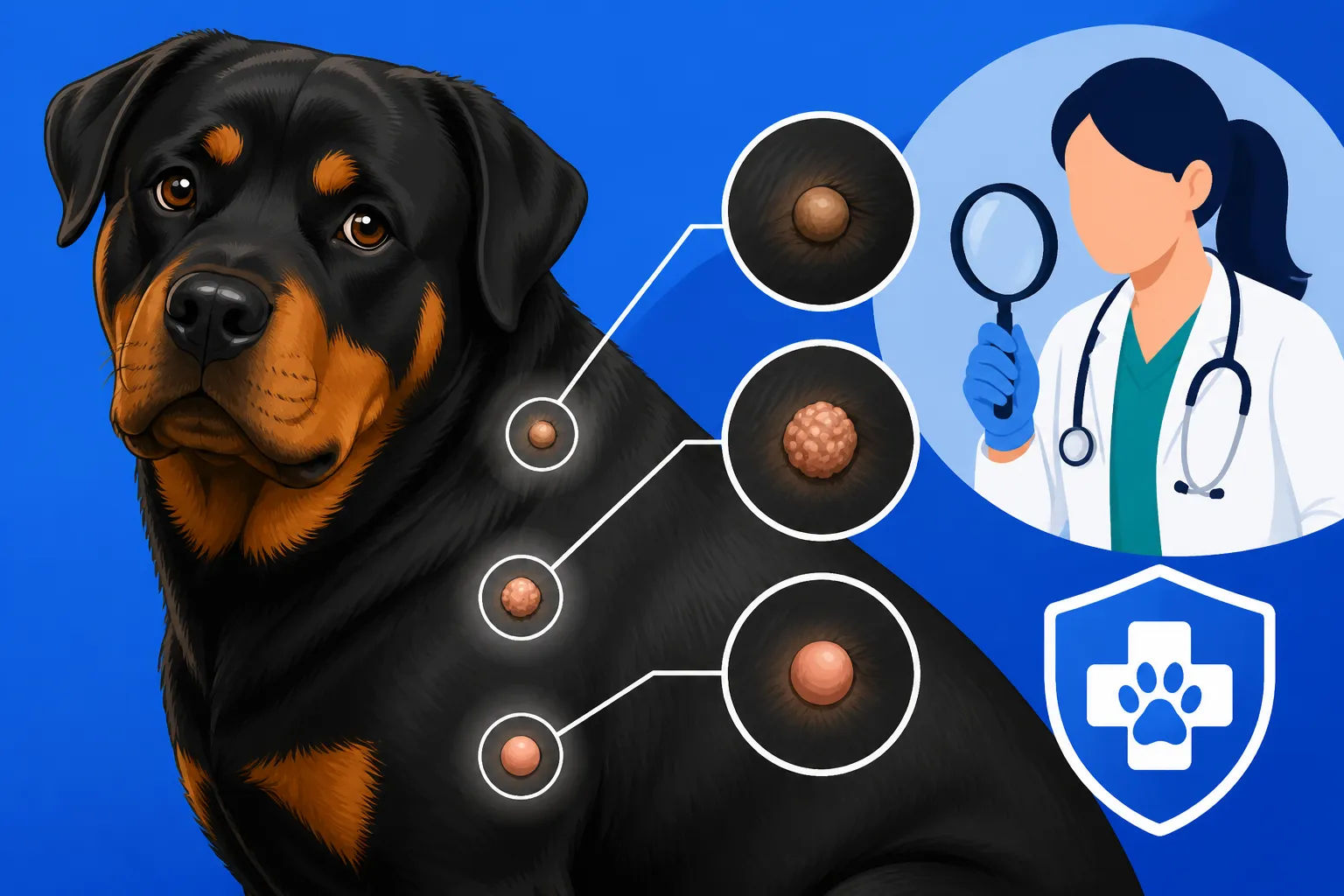
Lumps on a Rottweiler That Need Testing
Discovering a lump on your beloved Rottweiler can send a wave of panic through even the most seasoned dog owner. It’s natural to immediately fear the worst, especially with a breed prone to certain health concerns. This comprehensive guide aims to cut through that anxiety, helping you understand what different lumps might mean, what steps to take, and why professional veterinary testing is always the safest course of action for your big companion.
The Initial Discovery: Finding a Lump on Your Rottweiler
That moment your hand glides over your Rottweiler's powerful body during a loving pat, and you feel something… new. A lump. It can make your heart stop. Your mind races through all the worst-case scenarios, and it's completely normal to feel that rush of fear and uncertainty. But before you spiral, remember this: not every lump is a death sentence, and many are benign. The critical thing is how you react and what information you gather to help your veterinarian.
That Heart-Stopping Moment and Your Next Steps
Your first instinct might be to poke and prod, or to frantically Google every possible cause. While a quick, gentle feel is fine, try not to obsess over it. Instead, take a deep breath. Your immediate next step should be to schedule an appointment with your veterinarian. This isn't something to "watch and wait" for too long, especially with a breed like the Rottweiler, where certain types of masses can progress quickly.
When you call the vet, explain clearly what you've found. They might advise you to keep an eye on it for a very short period (a day or two) if it seems superficial and non-painful, but often, they'll want to see your Rottweiler as soon as possible. Don't feel silly for calling; this is exactly what your vet is there for. It's always better to be proactive and get peace of mind, or to catch a serious issue early when treatment options are most effective.
Essential Details to Share with Your Veterinarian
When you arrive at the clinic, your vet will ask you a series of questions. Being prepared with detailed observations can significantly help them narrow down possibilities. Think of yourself as a detective for your dog's health.
Here are the key characteristics you should try to note:
- Location: Be as precise as possible. Is it on a leg, the chest, the flank, the head, or perhaps near a joint like the elbow? Is it under the skin or attached to deeper tissue?
- Size: How big is it? Compare it to common objects – a pea, a marble, a golf ball, an egg. Has it changed size since you first noticed it?
- Texture: Is it soft and squishy, firm and rubbery, or hard like bone?
- Mobility: Can you move it easily under the skin, or does it feel fixed and immovable?
- Pain/Tenderness: Does your Rottweiler react when you gently touch or press on the lump? Do they flinch, whine, or try to pull away?
- Appearance of the Skin Over the Lump: Is the skin normal, red, inflamed, hairless, ulcerated, or scabby?
- Rate of Growth: Did it appear suddenly, or has it been growing slowly over weeks or months?
- Any Discharge: Is there any fluid or pus oozing from it?
- Other Symptoms: Has your Rottweiler been acting differently? Any changes in appetite, energy levels, lameness, or behavior? For instance, a lump accompanied by a limp could be a red flag for something more serious, potentially even The First Limp That Turns Out to Be Bone Cancer.
Gathering these details before your appointment will allow your vet to efficiently assess the situation and recommend the most appropriate diagnostic steps.
Benign Lumps: The Less Worrisome Bumps
It’s a huge relief when your vet determines a lump is benign, meaning non-cancerous. While they still require monitoring and sometimes removal, they don't carry the grave implications of malignancy. Rottweilers, like many large breeds, are prone to a few common types of benign growths.
Lipomas: The Common Fatty Tumors
Lipomas are perhaps the most common type of lump we see in Rottweilers, especially as they age or if they carry a bit of extra weight. These are simply benign tumors made up of fat cells.
They typically feel soft, somewhat squishy, and are usually movable under the skin. You can often feel them shift around a bit when you try to manipulate them. They often appear on the chest, abdomen, and limbs. While usually harmless, a large lipoma can sometimes interfere with movement if it's in a tricky spot, like near an armpit or a joint. In such cases, or if they grow to an excessive size, your vet might recommend surgical removal. Otherwise, many owners opt to simply monitor them. If your Rottweiler has a history of these, you might notice similar claims with pet insurance providers like Healthy Paws, although initial diagnosis is key to confirming it's benign.
Cysts and Abscesses: Skin Deep Issues
Beyond fatty tumors, Rottweilers can develop various skin-deep issues that present as lumps.
- Sebaceous Cysts: These are common and occur when a sebaceous gland, which produces skin oils, gets blocked. The result is a sac under the skin filled with a cheesy or pasty substance. They can sometimes rupture, leading to irritation or infection. They often feel firm and round, and if they burst, they might ooze a foul-smelling white or yellowish material. Most sebaceous cysts are more of a nuisance than a serious health threat, but if they become infected, they'll need veterinary attention, which might involve drainage and antibiotics.
- Abscesses: These are pockets of pus caused by bacterial infection, often from a bite wound, scratch, or foreign body (like a splinter) that has become trapped under the skin. Abscesses are usually painful, warm to the touch, and can cause swelling, sometimes rapidly. They can also make your Rottweiler feel generally unwell, with a fever or lethargy. An abscess needs immediate veterinary care for drainage, cleaning, and a course of antibiotics.
Warts and Skin Tags: Usually Harmless Additions
Just like people, Rottweilers can get warts and skin tags, particularly as they get older.
- Warts (Viral Papillomas): These are benign skin tumors caused by a virus. They often appear as small, cauliflower-like growths, especially around the mouth and eyes of younger dogs. While typically harmless and often self-resolving in puppies, they should still be confirmed by a vet. In older dogs, a growth that looks like a wart could potentially be something else, so it's always best to have it checked.
- Skin Tags: These are small, benign growths that are essentially just extra flaps of skin. They tend to hang off the body and are more common in areas where skin rubs, like armpits or groin. They are typically soft and harmless, but sometimes they can get snagged or irritated, at which point your vet might recommend removing them.
Malignant Lumps: When to Be Seriously Concerned
While benign lumps are a relief, some lumps on a Rottweiler can be malignant, meaning cancerous. Early detection is paramount for improving prognosis and managing treatment options. This breed, unfortunately, is predisposed to certain types of cancers, making vigilance and prompt veterinary attention crucial. Understanding these potential threats is part of being a responsible Rottweiler owner. What Shortens a Rottweiler's Eight to Ten Years often includes a discussion of these serious health issues.
Mast Cell Tumors: The Chameleon of Cancers
Mast cell tumors (MCTs) are among the most common skin cancers in dogs, and Rottweilers are definitely on the list of predisposed breeds. What makes MCTs so concerning is their unpredictability and their ability to mimic almost any other type of lump. They can be soft or firm, small or large, under the skin or on the surface, and they can sometimes change in size due to internal histamine release, known as Darier's sign.
Because of this "chameleon" nature, any new lump on a Rottweiler should be tested, regardless of how innocent it may appear. An early diagnosis of an MCT can be life-saving. These tumors have varying grades of aggressiveness; low-grade tumors can often be cured with wide surgical removal, while high-grade tumors may require more aggressive treatment, including chemotherapy or radiation. The cost of such treatments can be substantial, making pet insurance plans from companies like Healthy Paws a valuable asset for many owners. You can read more about them in Mast Cell Tumors on a Rottweiler's Skin.
Lymphoma and Other Soft Tissue Sarcomas
Beyond skin-specific cancers, other malignancies can manifest as lumps.
- Lymphoma: This is a cancer of the lymphatic system, which is part of the immune system. While it often presents as generalized enlargement of lymph nodes (which feel like firm, movable lumps under the skin, especially in the neck, armpits, or groin), it can also appear as a solitary lump in the skin or internal organs. It’s one of the more common cancers in Rottweilers. If you find multiple firm, non-painful lumps, especially in these areas, it warrants an urgent vet visit. Learning to recognize Lymphoma in a Rottweiler and Its First Signs can be crucial.
- Soft Tissue Sarcomas (STS): This is a broad category of tumors that arise from connective tissues in the body (fat, muscle, fibrous tissue, blood vessels). They can appear anywhere on the body and often feel firm, immobile, and can be attached to underlying tissues. STS can be locally invasive, meaning they spread into the surrounding tissue, making complete surgical removal challenging. Prognosis depends on the type of sarcoma, its location, and whether it has spread. Early and aggressive surgery is usually the best approach.
Bone Cancer and Its Deceptive Presentation
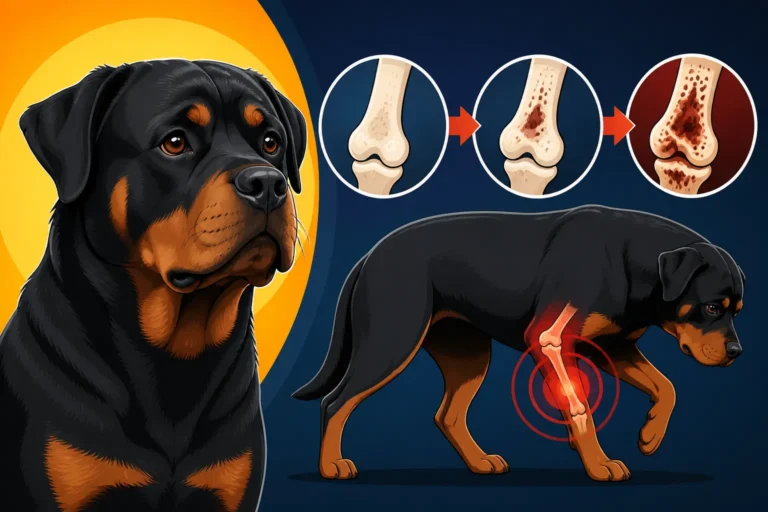
While most lumps we're discussing are on or under the skin, it’s important to remember that lumps can sometimes be a sign of deeper issues, including bone cancer. Osteosarcoma, an aggressive bone cancer, is unfortunately common in large and giant breeds like Rottweilers. It typically affects the long bones of the limbs but can appear elsewhere.
The first sign of osteosarcoma is often a subtle lameness or swelling over a bone, which might feel like a hard, fixed lump. Initially, it might be dismissed as a sprain or arthritis, but if lameness persists or a swelling appears on a bone, it needs immediate investigation with X-rays. This is a painful and rapidly progressing disease, and early diagnosis is critical for managing pain and exploring treatment options. You can find more specific information on The X-Rays That Confirm Rottweiler Osteosarcoma and Rottweiler Osteosarcoma Survival Times.
Navigating the Veterinary Diagnostic Journey
Once you’ve found a lump on your Rottweiler, the vet's job is to figure out exactly what it is. This diagnostic process is crucial because, as we've discussed, lumps can range from completely harmless to life-threatening. Skipping these steps is never a good idea, as it leaves you and your vet guessing.
The Importance of a Fine Needle Aspirate (FNA)
Often, the first diagnostic tool your veterinarian will recommend is a fine needle aspirate (FNA). This is a minimally invasive procedure and usually quite quick.
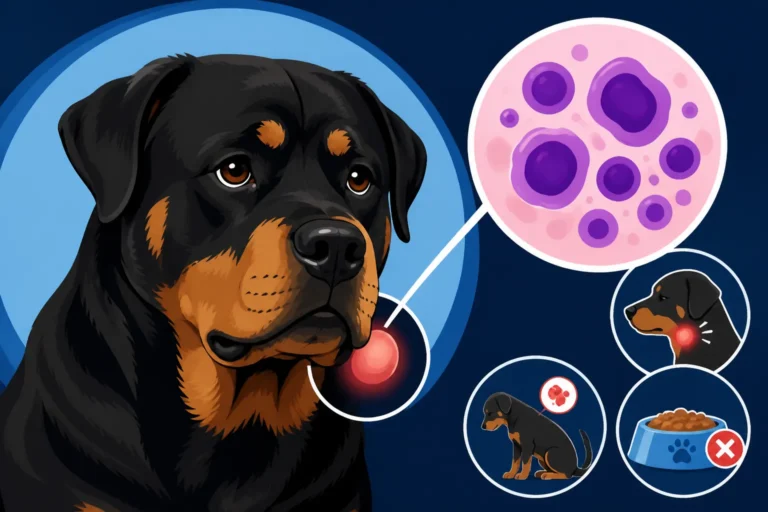
Here's how it works: your vet will use a small, sterile needle, similar to one used for vaccinations, to collect a sample of cells directly from the lump. Sometimes they’ll do this a few times from different angles to get a good representative sample. The collected cells are then smeared onto a microscope slide, stained, and examined, either by your vet in-house or sent off to a veterinary pathologist for a more detailed analysis.
The beauty of an FNA is that it can often provide immediate, or near-immediate, information. It can help determine if the lump is fatty (lipoma), cystic, inflammatory (abscess), or suspicious for a specific type of cancer like a mast cell tumor. However, it's not foolproof. Sometimes, the sample might not be diagnostic ("nondiagnostic sample") because not enough cells were collected, or the cells present don't clearly identify the type of lump. In these cases, or if the results are concerning, your vet will recommend the next step. While relatively inexpensive, these initial diagnostic steps are essential and can be covered by pet insurance like Healthy Paws if a full illness policy is in place.
When a Surgical Biopsy Becomes Necessary
If the FNA is nondiagnostic, or if it indicates a type of cancer that requires more definitive identification and grading, a surgical biopsy will be recommended. This is a more invasive procedure, requiring sedation or general anesthesia, depending on the size and location of the lump.
There are a couple of types of surgical biopsies:
- Incisional Biopsy: The vet removes only a small piece of the lump for analysis, leaving the rest of the mass intact. This is often done when the tumor is large, or its removal would be complex.
- Excisional Biopsy: The vet removes the entire lump with a margin of healthy tissue around it. This serves as both a diagnostic and potentially a curative procedure if the mass turns out to be benign or a low-grade cancer with clean margins.
The tissue sample is then sent to a specialized veterinary pathology lab, where it is meticulously processed and examined by a pathologist. A surgical biopsy provides a much more definitive diagnosis, including the specific type of tumor, its grade (how aggressive it is), and whether the surgical margins are "clean" (meaning no cancer cells are left behind). This information is absolutely vital for determining the appropriate treatment plan and prognosis for your Rottweiler.
Advanced Imaging for Comprehensive Assessment
If cancer is diagnosed, or strongly suspected, your vet might recommend advanced imaging techniques to understand the full extent of the disease. This process is called "staging" and helps determine if the cancer has spread (metastasized) to other parts of the body.
Common advanced imaging options include:
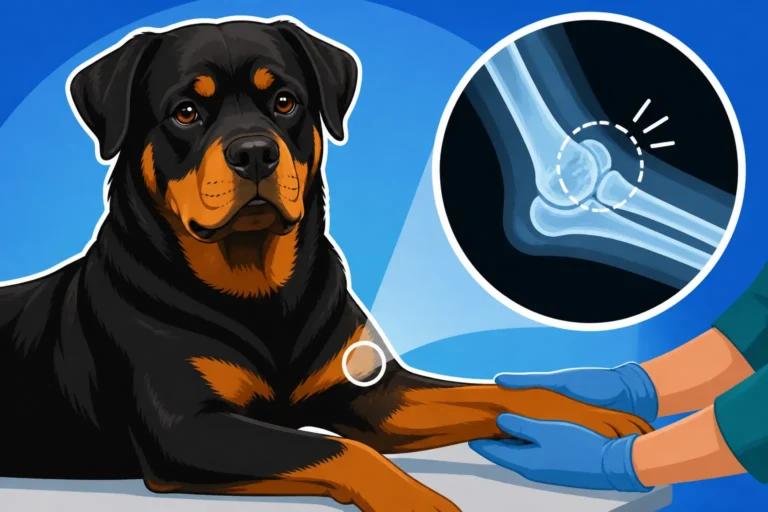
- Radiographs (X-rays): Primarily used to check for spread to the lungs, a common site for metastasis for many cancers, including osteosarcoma. If a bony lump is suspected, X-rays are the definitive first step to visualize the bone itself.
- Ultrasound: This is excellent for examining internal organs like the liver, spleen, and lymph nodes in the abdomen. It can detect abnormal masses or enlarged lymph nodes that might indicate metastatic disease.
- Computed Tomography (CT Scan): Provides highly detailed, cross-sectional images of specific areas, often used for assessing tumors in complex locations (like the head or spine), planning surgery, or evaluating for lung metastasis with greater sensitivity than standard X-rays.
These imaging studies, combined with bloodwork and possibly further lymph node aspirates, provide a complete picture of your Rottweiler's health status. This thorough approach is critical for creating the most effective and humane treatment strategy, often discussed in resources like Cancer Screening for a Rottweiler Past Six.
Treatment Pathways and Long-Term Management
Receiving a diagnosis for a lump on your Rottweiler, whether benign or malignant, marks the beginning of a new phase: treatment and long-term management. This can be a complex journey, but understanding the options and what to expect will empower you to make the best decisions for your cherished companion.
Understanding Your Rottweiler's Treatment Options
Treatment for a lump largely depends on its diagnosis.
- For Benign Lumps:
- Observation: Many benign lumps, like small, non-obtrusive lipomas or skin tags, may simply be monitored. Your vet might advise you to keep an eye on size, shape, and any changes in the overlying skin. Regular check-ups are still important.
- Surgical Removal: If a benign lump is causing discomfort, interfering with mobility, growing rapidly, or if there's any doubt about its benign nature, surgical removal is often recommended. This is usually a straightforward procedure with a good prognosis. For cysts or abscesses, incision and drainage might be all that's needed, possibly with antibiotics.
- For Malignant Lumps (Cancer):
- Surgery: This is often the cornerstone of cancer treatment, especially for solid tumors like mast cell tumors or soft tissue sarcomas. The goal is to remove the entire tumor with a wide margin of healthy tissue to ensure all cancer cells are gone. Depending on the tumor's location and invasiveness, this can range from simple excision to more complex procedures, or even amputation in cases like Amputation Recovery Week by Week for a Rottweiler due to osteosarcoma.
- Chemotherapy: Often used as an adjunct to surgery, especially for aggressive cancers (like high-grade mast cell tumors, lymphoma, or if there's evidence of metastasis). Chemotherapy aims to kill cancer cells throughout the body and can be given orally or intravenously. It's often used to reduce the chance of recurrence or to slow the progression of widespread disease. You can learn more about specific protocols in Chemotherapy Protocols Used on Rottweilers.
- Radiation Therapy: This uses high-energy rays to shrink tumors and kill cancer cells. It's typically used for tumors that are difficult to remove surgically, or to target remaining cancer cells after surgery.
- Targeted Therapies: Newer drugs that specifically target molecular pathways involved in cancer growth are becoming available for certain types of canine cancers.
- Palliative Care: For advanced cancers where a cure isn't possible, the focus shifts to improving your Rottweiler's quality of life and managing pain. This might involve pain medications, anti-inflammatory drugs, and supportive care. Palliative Care for a Rottweiler With Cancer delves deeper into this important aspect of care.
The choice of treatment will be a joint decision between you and your vet, potentially involving a veterinary oncologist. They will consider the type of cancer, its grade, stage, your Rottweiler's overall health, and your family's circumstances.
Post-Treatment Monitoring and Quality of Life
Once treatment is completed, whether it's surgery, chemotherapy, or a combination, long-term monitoring becomes vital. This typically involves:
- Regular Vet Check-ups: These appointments are crucial for checking for recurrence of the original lump or the development of new ones. Your vet will perform thorough physical exams and may recommend repeat bloodwork or imaging.
- Home Monitoring: You, as the owner, are the first line of defense. Continue to regularly palpate your Rottweiler's body, paying attention to the treated area and any other new lumps. Report any changes immediately.
- Quality of Life Assessment: For Rottweilers undergoing cancer treatment, or those receiving palliative care, continuously assessing their quality of life is paramount. Are they eating, drinking, comfortable, and enjoying their favorite activities? This is a discussion you should have openly with your veterinarian, especially as your Rottweiler gets older and other health issues might arise, as discussed in Senior Rottweiler Care After the Age of Seven.
The goal is always to maximize both the quantity and quality of life for your cherished Rottweiler.
Common Lump Types in Rottweilers and Their Characteristics
| Lump Type | Typical Feel | Common Location | Painful? | Growth Rate | Key Characteristic | Typical Management |
|---|---|---|---|---|---|---|
| Lipoma | Soft, squishy, movable | Torso, limbs | No | Slow | Fatty consistency under skin | Monitor, surgical removal if bothersome |
| Sebaceous Cyst | Firm, round, often mobile | Anywhere with hair follicles | Sometimes (if infected) | Slow, can fluctuate | May ooze cheesy material | Monitor, drainage, antibiotics if infected, removal |
| Abscess | Warm, soft, fluid-filled | Anywhere, often from wound | Yes | Rapid | Inflamed, hot, pus-filled | Drainage, antibiotics, wound care |
| Skin Tag/Wart | Small, fleshy, cauliflower-like | Anywhere, often joints/mouth | No | Slow | Small, superficial growth | Monitor, removal if irritated |
| Mast Cell Tumor | Variable (soft, firm, itchy) | Anywhere, often skin | Sometimes | Variable (can fluctuate) | "Chameleon" of tumors, can change size (Darier's sign) | Surgical removal (wide margins), possibly chemo/radiation |
| Lymph Node Enlargement | Firm, mobile | Neck, armpits, groin | No | Variable | Often generalized, indicates lymphoma | Biopsy, chemotherapy |
| Soft Tissue Sarcoma | Firm, fixed, immobile | Anywhere in connective tissue | Sometimes | Slow to moderate | Attached to underlying tissue | Aggressive surgical removal, possibly radiation/chemo |
| Osteosarcoma | Hard, fixed, swelling on bone | Long bones of limbs, ribs | Yes | Rapid | Bone enlargement, associated lameness | Amputation, chemotherapy, pain management |
Disclaimer
The information provided in this article is for general educational and informational purposes only, and does not constitute veterinary advice. Always consult with a qualified veterinarian for any health concerns or before making any decisions about your pet's health or treatment.