Rottweiler Elbow Grades and What Grade One Means
It’s a moment every Rottweiler owner dreads: you’re at the vet, maybe for a routine check-up, or perhaps because your beloved companion has shown a subtle limp, and the words “elbow dysplasia” are mentioned. Suddenly, a flurry of terms like "OFA" and "grades" get thrown around, and it can feel incredibly overwhelming. This guide is here to break down what Rottweiler elbow grades actually mean, particularly focusing on what a Grade One diagnosis entails for you and your dog.
Understanding Elbow Dysplasia in Rottweilers
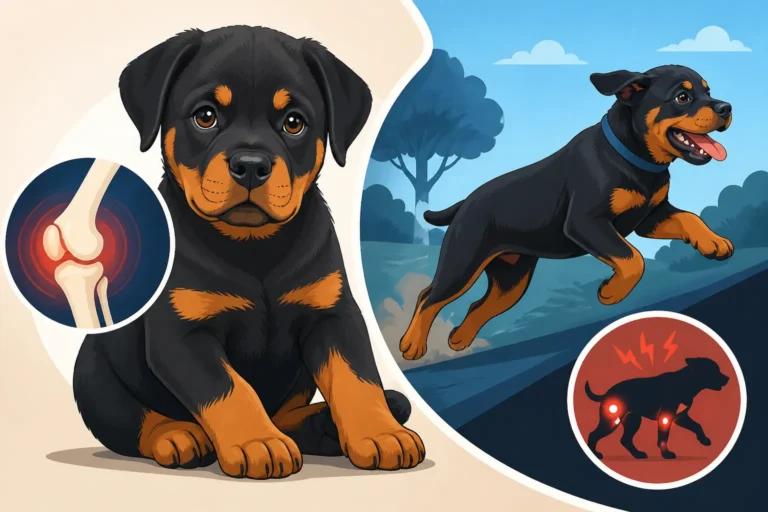
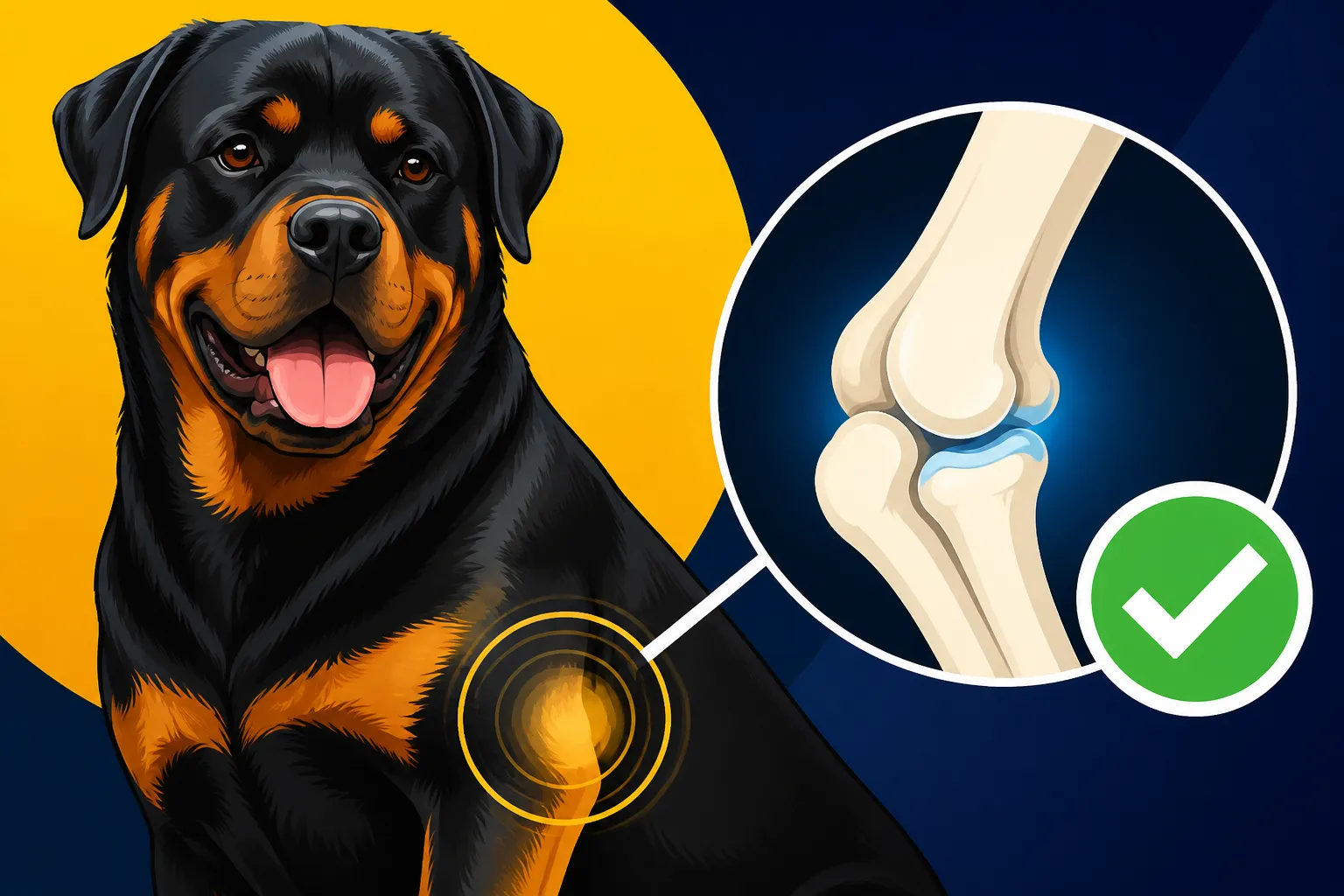
Let's start with the basics. Elbow dysplasia isn't a single condition, but rather a catch-all term for several different developmental abnormalities that can occur in the elbow joint of growing dogs. It's a disease often seen in large, fast-growing breeds like our Rottweilers, and it's notoriously frustrating because it has both a strong genetic component and environmental influences. Imagine your Rottie’s elbow joint as a complex puzzle made of three bones: the humerus (upper arm bone), the ulna, and the radius (the two forearm bones). For a healthy elbow, these three pieces need to fit together perfectly, forming a smooth, congruent joint that allows for effortless movement. When elbow dysplasia strikes, this perfect fit is disrupted.
The primary issues that fall under the umbrella of elbow dysplasia include:
Ununited Anconeal Process UAP
Think of the anconeal process as a small, beak-like projection on the ulna bone. In healthy development, this piece fuses permanently with the rest of the ulna by about five months of age. If, for some reason, it fails to unite, it can become a loose fragment within the joint. This loose piece can rub against other bones, causing inflammation, pain, and eventually leading to significant arthritis. Rottweilers with UAP often show lameness and pain when extending their elbow.
Fragmented Medial Coronoid Process FCP
This is probably the most common form of elbow dysplasia, affecting many large breeds, including Rottweilers. The coronoid process is another small projection, this time on the inside (medial) part of the ulna. In FCP, a piece of this process breaks off, becoming a loose fragment. This fragment then irritates the joint cartilage, leading to pain and degenerative joint disease. Dogs with FCP might exhibit a subtle lameness that worsens after exercise, or they might try to hold their elbow slightly outward to alleviate pressure.
Osteochondrosis Dissecans OCD of the Medial Humeral Condyle
OCD is a condition where the cartilage on the end of the humerus (the bone forming the upper part of the elbow joint) doesn’t develop properly. Instead of smooth, resilient cartilage, a flap of abnormal cartilage forms, which can eventually detach from the underlying bone. This loose flap can then cause pain, inflammation, and further damage to the joint. Imagine a bubble forming under wallpaper that eventually peels away—that’s similar to what happens with an OCD flap. This condition often leads to chronic pain and stiffness.
Elbow Incongruity
Elbow incongruity simply means that the three bones forming the elbow joint don't fit together perfectly. This can be due to differences in length between the radius and ulna, or an abnormal shape of the joint surfaces. Even tiny discrepancies can lead to uneven weight distribution and abnormal forces within the joint, causing excessive pressure on certain areas. Over time, this constant abnormal stress can lead to cartilage damage, pain, and the development of degenerative arthritis. It’s like having gears that don’t quite mesh, leading to grinding and wear over time.
All these conditions, whether alone or in combination, lead to pain, lameness, and ultimately, the dreaded progressive arthritis that so many of our big, beautiful dogs face as they age. This is why understanding something like Rottweiler Growth Plates and Why They Close So Late is so crucial, as their prolonged growth period can make them more susceptible to these developmental orthopedic diseases.
Understanding the OFA Grading System for Elbows
When it comes to official health clearances for breeding and a clearer picture of your dog's elbow health, the Orthopedic Foundation for Animals (OFA) is a name you’ll hear often. They've established a standardized system for evaluating elbow radiographs (X-rays) to assess for signs of elbow dysplasia. The idea is to provide breeders with information to help reduce the incidence of this inherited condition, but it also gives pet owners a benchmark for understanding their own dog's joint health.
The OFA's official elbow evaluations are typically performed when a dog is 24 months (two years) of age or older. This age is critical because it ensures that the dog has reached skeletal maturity and that any developmental issues have had time to manifest on X-rays. Taking X-rays too early might miss subtle changes. This is why waiting until Rottweiler Elbow X-Rays Taken at Twenty-Four Months is so important for accurate assessment.
Here's how the OFA grades elbows:
- Normal (Grade 0): This is the gold standard. A dog with normal elbows shows no evidence of elbow dysplasia. The joint surfaces are smooth, and there are no signs of bone spurs, fragments, or incongruity.
- Grade I (Mild Elbow Dysplasia): This grade indicates minimal bone changes that are consistent with elbow dysplasia. We’ll dive deeper into what "minimal" truly means in the next section, but generally, it refers to small spurs (osteophytes) or subtle signs of an ununited anconeal process, fragmented coronoid process, or osteochondrosis.
- Grade II (Moderate Elbow Dysplasia): Dogs with Grade II elbow dysplasia show more significant bone changes. These might include larger osteophytes, clearer evidence of fragmented coronoid processes, or noticeable incongruity. These changes are more pronounced than in Grade I and typically indicate a more advanced stage of the disease.
- Grade III (Severe Elbow Dysplasia): This is the most severe grade, characterized by extensive bone changes, large osteophytes, severe joint incongruity, or prominent signs of UAP, FCP, or OCD. Dogs with Grade III elbow dysplasia usually experience significant pain and lameness.
It's important to understand that these grades are based solely on what the radiologist sees on the X-rays. A dog with Grade I dysplasia might show no clinical signs of lameness or pain at all, especially when young, while another dog with the same radiographic grade might be noticeably uncomfortable. The X-ray findings don't always perfectly correlate with the clinical symptoms, but they do tell us about the structural integrity of the joint.
Here’s a quick overview of the OFA elbow grading:
| OFA Elbow Grade | Description | Clinical Significance (General) | Breeding Recommendation |
|---|---|---|---|
| Normal (Grade 0) | No evidence of elbow dysplasia. | Healthy joint, typically no pain/lameness. | Recommended for breeding. |
| Grade I (Mild) | Minimal bone change. Small osteophytes (bone spurs) or subtle joint incongruity. | May be asymptomatic or show mild, intermittent lameness. | Not recommended for breeding. |
| Grade II (Moderate) | More significant bone changes. Larger osteophytes, clearer evidence of FCP/UAP, moderate incongruity. | Often shows clinical signs (lameness, stiffness, pain). | Not recommended for breeding. |
| Grade III (Severe) | Extensive bone changes. Large osteophytes, severe joint incongruity, prominent FCP/UAP/OCD. | Significant, often debilitating lameness and pain. | Not recommended for breeding. |
This system helps us put things into perspective. For breeders, only "Normal" elbows are considered acceptable for passing on genetic material, highlighting the commitment to improving breed health. Any grade of dysplasia, even a Grade I, indicates that the dog should not be bred. This dedication to health clearances, including items like The Five Clearances a Rottweiler Breeder Must Have, is what separates responsible breeders from the rest.
Diving Deeper into Grade One Elbow Dysplasia
So, your vet says "Grade One." What does that really mean for your Rottweiler? It's easy to panic when you hear "dysplasia," but a Grade One diagnosis, while certainly not ideal, is often on the milder end of the spectrum and comes with its own set of considerations.
When the OFA radiologist assigns a Grade I, it means they've identified minimal changes in the elbow joint. This could manifest as very small osteophytes, which are tiny bone spurs, usually at the anconeal process of the ulna or along the coronoid process. It might also involve extremely subtle joint incongruity—meaning the fit of the bones is just slightly off, not grossly abnormal. Occasionally, it could be a small, non-displaced fragment of the coronoid process or a minor OCD lesion that hasn't caused significant joint damage yet.
The key word here is "minimal." These changes are often so slight that your Rottweiler might not show any outward signs of pain or lameness, especially in their younger years. They might run, play, and live a normal life without any visible discomfort. This subclinical presentation is common, which is why routine X-rays for health clearances can sometimes be a surprise for owners. However, even these minimal changes mean that the joint isn't perfect, and over time, it's more susceptible to developing arthritis than a perfectly normal joint. Think of it like a car part that has a tiny manufacturing defect—it might run fine for a while, but it's more likely to wear out prematurely compared to a flawless part.
For pet owners, understanding that Grade I means potential for future issues, rather than immediate severe problems, is important. It's a warning, a heads-up that you need to be proactive in managing your dog's joint health. It's not a death sentence or an immediate cause for despair, but it does mean a heightened awareness and preventative measures are in order. This is a condition that, if not managed, can contribute to What Shortens a Rottweiler's Eight to Ten Years by impacting their quality of life as they age.
Living with a Rottweiler with Grade One Elbow Dysplasia
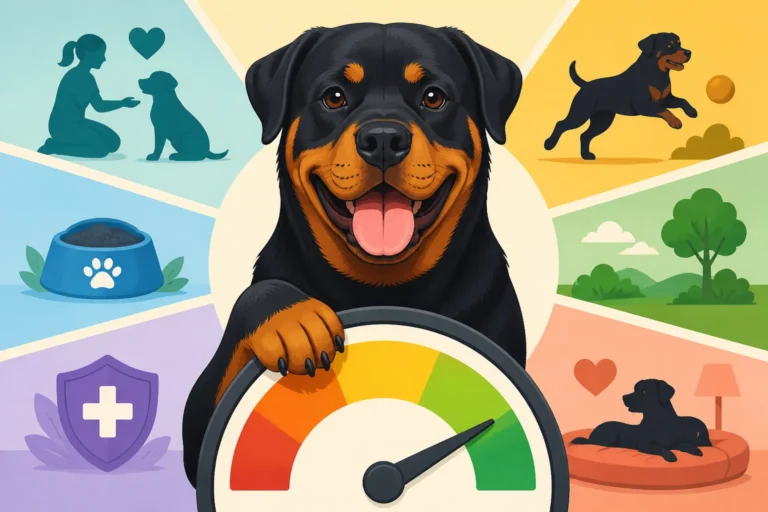
Discovering your Rottweiler has Grade One elbow dysplasia can be a bit of a blow, even if they aren't showing symptoms yet. But the good news is that with proactive management, many Rottweilers with Grade One dysplasia can lead long, comfortable, and active lives. The focus shifts from curing a problem to managing a chronic condition and preventing its progression.
Proactive Management Strategies
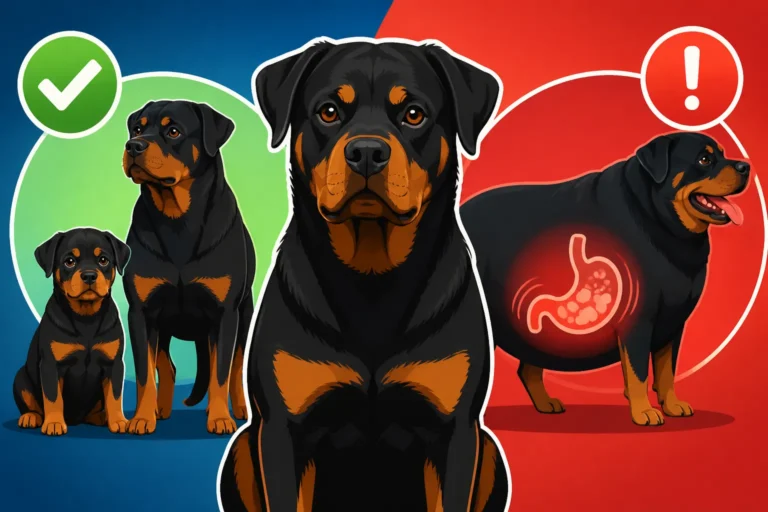
The cornerstone of managing elbow dysplasia, regardless of its grade, is maintaining a healthy weight. For a large breed like a Rottweiler, every extra pound puts immense stress on already compromised joints. Imagine trying to walk around all day with an extra 10-20 pounds strapped to your body—it would take a toll. The same applies, even more so, to your dog's joints. Regular body condition scoring and strict portion control are non-negotiable. This ties directly into understanding Rottweiler Obesity and the Load It Adds, which can significantly worsen joint issues.
Secondly, careful exercise management is vital. While a Rottweiler needs plenty of activity, high-impact activities like jumping, intense agility, or long-distance running on hard surfaces can exacerbate joint wear and tear. Instead, focus on moderate, consistent exercise. Leash walks, swimming, and controlled play on softer surfaces are excellent choices. Avoid sudden stops, starts, and repetitive motions that twist the joint. Even something as simple as using ramps instead of jumping out of the car can make a big difference over a lifetime.
Joint supplements are another crucial component. Ingredients like glucosamine, chondroitin, MSM, and omega-3 fatty acids (fish oil) can help support cartilage health, reduce inflammation, and provide lubrication to the joints. Starting these early, even before symptoms appear, can be a game-changer. There are many reputable brands, and your vet can recommend the best option and dosage for your specific dog. It's worth researching Joint Supplements Started Early in a Rottweiler, as early intervention is key.
Veterinary Care and Support
Regular veterinary check-ups are more important than ever. Your vet can monitor your Rottweiler's joint health, assess for any signs of pain or lameness, and adjust their management plan as needed. They might recommend periodic X-rays to track the progression of arthritis. Early detection of worsening symptoms means quicker intervention and better pain control.
When pain does become an issue, your vet can discuss various pain management options. This might include non-steroidal anti-inflammatory drugs (NSAIDs) for periods of discomfort, or other medications to help manage chronic pain. Advanced therapies like platelet-rich plasma (PRP) injections or stem cell therapy are also becoming more accessible and can be discussed as options to promote healing and reduce inflammation. For severe cases that develop later, knowing what Physical Therapy After Rottweiler Joint Surgery, or other interventions, might entail can be reassuring.
Considering pet insurance is also a smart move, especially with a breed prone to orthopedic issues. While a diagnosis like Grade One elbow dysplasia might be considered a pre-existing condition if diagnosed before your policy starts, some insurers, like Healthy Paws, have specific rules and might cover subsequent related conditions if the initial diagnosis was subtle or if you enroll early. It's always worth exploring options and understanding what a policy covers for chronic conditions. Thinking ahead and understanding costs, such as those related to Rottweiler Insurance Premiums Around $204 a Month, can save a lot of stress down the line.
Finally, never underestimate the power of comfort. Provide soft, supportive bedding to cushion your Rottweiler’s joints, especially as they get older. Keep their nails trimmed to ensure proper foot mechanics, and consider non-slip rugs on hard floors to prevent falls or slips that could aggravate their elbows. Adapting your home as your Rottweiler ages is essential, particularly as they move into Senior Rottweiler Care After the Age of Seven. With attentive care, a Rottweiler with Grade One elbow dysplasia can truly thrive.
Disclaimer
The information provided in this article is for educational and informational purposes only and does not constitute veterinary medical advice. Always consult with a qualified veterinarian for any health concerns or before making any decisions related to your pet's care, diet, or treatment.