The RAB3GAP1 Test and What Clear Means
The fear of genetic diseases in our beloved Rottweilers can be incredibly daunting, especially when trying to understand complex test results and their implications for a puppy's future or a breeding dog's legacy. This guide aims to demystify the RAB3GAP1 test, shedding light on what a "clear" result truly means, and how this crucial information helps ensure the health and longevity of the Rottweiler breed.
Understanding JLPP in Rottweilers
One of the most concerning inherited neurological conditions that can affect Rottweilers is Juvenile Laryngeal Paralysis & Polyneuropathy, often referred to as JLPP. As a Rottweiler owner, it's vital to understand what this disease entails, not just for your own dog but for the breed as a whole. This isn't just a distant veterinary term; it's a real and heartbreaking condition that impacts families.
What JLPP Actually Does to a Rottweiler
JLPP is a devastating, progressive neurological disorder that typically manifests in young Rottweilers, usually between 3 to 18 months of age. Imagine your vibrant, playful Rottweiler puppy, full of life and boundless energy, slowly starting to struggle with simple actions. This condition gradually affects the nerves that control various bodily functions, leading to a range of debilitating symptoms. Initially, you might notice subtle changes: a slight difficulty in swallowing, or a change in their bark, becoming hoarser or softer. This can be alarming and confusing for owners, as puppies are usually boisterous and loud.
As the disease progresses, the most prominent symptom often becomes laryngeal paralysis. This means the nerves controlling the voice box (larynx) fail, causing the vocal cords to not open properly when the dog inhales. This leads to a characteristic loud, raspy breathing sound, especially during excitement, exercise, or even just eating. It's truly terrifying to watch your dog struggle to catch its breath, sounding like they are choking even when they aren't. Beyond the larynx, JLPP is a polyneuropathy, meaning it affects multiple nerves throughout the body. This can lead to muscle weakness and atrophy, particularly in the hind limbs, causing an unsteady gait, difficulty rising, and eventually, an inability to walk. The condition is ultimately progressive and fatal, usually requiring euthanasia due to severe quality of life issues related to breathing difficulties and profound neurological decline. For a deeper dive into the specifics, read more about What JLPP Actually Does to a Rottweiler.
The Age JLPP Shows Up in a Rottweiler
The onset of JLPP symptoms is typically, as the name suggests, juvenile. Most affected Rottweilers will begin to show signs between 3 and 18 months of age, though some cases have been reported slightly earlier or later. This is a critical window because it often coincides with what should be the most energetic and formative months of a Rottweiler’s life. Instead of watching your puppy grow into a powerful, confident companion, you might be noticing subtle struggles. Early signs can be easily missed or attributed to other puppy ailments, adding to the distress.
For example, a puppy might start sounding a little hoarse when they bark, or they might cough occasionally after drinking water. You might dismiss it as a mild kennel cough or simply being a bit clumsy. However, these seemingly minor issues can be the earliest indicators of a much more serious underlying problem. As the disease advances, the signs become more overt: exercise intolerance, struggling to get up after lying down, or that distinctive loud, labored breathing after minimal exertion. Recognizing these Early JLPP Signs in a Rottweiler Puppy is crucial for an early diagnosis and making informed decisions about your dog's care and future.
The Science Behind the RAB3GAP1 Test
Fortunately, thanks to advancements in veterinary genetics, there is a reliable DNA test available for JLPP. This test targets the specific gene mutation responsible for the condition, allowing breeders and owners to proactively manage the risk. Understanding how this test works and what the results signify is paramount for any responsible Rottweiler enthusiast.
How the Genetic Test Works
The RAB3GAP1 test is a relatively straightforward DNA test that requires a simple cheek swab or blood sample from your Rottweiler. This non-invasive procedure can often be done by your veterinarian or even at home with a kit provided by a reputable genetic testing laboratory. Once collected, the sample is sent to the lab, where specialized geneticists analyze the dog's DNA for the presence of a specific mutation on the RAB3GAP1 gene. This particular gene plays a critical role in nerve function, and a mutation can disrupt its normal operation, leading to the debilitating symptoms of JLPP.
The laboratory process involves isolating the DNA from the sample and then using polymerase chain reaction (PCR) techniques to amplify and examine the relevant section of the RAB3GAP1 gene. Scientists look for the specific genetic marker known to cause JLPP. It's a precise process, designed to identify whether the dog carries one copy, two copies, or no copies of the mutated gene. This scientific rigor ensures that the results are highly accurate and can be trusted by breeders and owners alike when making important decisions regarding their Rottweiler's health. The cost of such a test is minimal compared to the heartache and expense of managing an affected dog, making it a wise investment.
Decoding Test Results: Clear, Carrier, and Affected
When you receive your Rottweiler's RAB3GAP1 test results, they will typically fall into one of three categories: Clear, Carrier, or Affected. Each designation carries distinct implications for your dog's health and any potential breeding plans. It’s not just about a label; it's about understanding the genetic blueprint of your beloved companion.
- Clear (N/N): This is the most desirable result. A "clear" Rottweiler means that the dog does not possess any copies of the mutated RAB3GAP1 gene. This dog will never develop JLPP, nor can it pass the mutated gene to any of its offspring, regardless of who it is bred with. This result offers immense peace of mind.
- Carrier (N/P or N/K): A "carrier" Rottweiler has one normal copy of the gene and one copy of the mutated gene. Importantly, a carrier dog will not develop JLPP themselves because the normal gene copy is sufficient to prevent the disease. However, they can pass the mutated gene to approximately 50% of their offspring. This makes thoughtful breeding decisions critical, as we'll discuss further. Whether a JLPP Carrier Rottweiler Ever Gets Sick is a common concern, but rest assured, they generally live full, healthy lives.
- Affected (P/P or K/K): An "affected" Rottweiler has inherited two copies of the mutated RAB3GAP1 gene (one from each parent). Dogs with this result will develop JLPP and will experience the progressive neurological symptoms of the disease. These dogs should never be bred, as they will pass on a mutated copy of the gene to 100% of their offspring.
Understanding these distinctions is the cornerstone of responsible breeding and ownership, allowing for informed choices that protect the health of individual dogs and the entire breed. You can also gain further insights by learning how to read a complete Reading a Rottweiler DNA Panel Line by Line.
What a "Clear" Result Truly Means for Your Rottweiler
Receiving a "clear" result for the RAB3GAP1 test is a moment of profound relief and provides tangible benefits, both for the individual dog and for the future of the Rottweiler breed. It’s like having a crucial piece of a puzzle fall perfectly into place, confirming a healthy foundation.
Assurance for Your Dog's Health
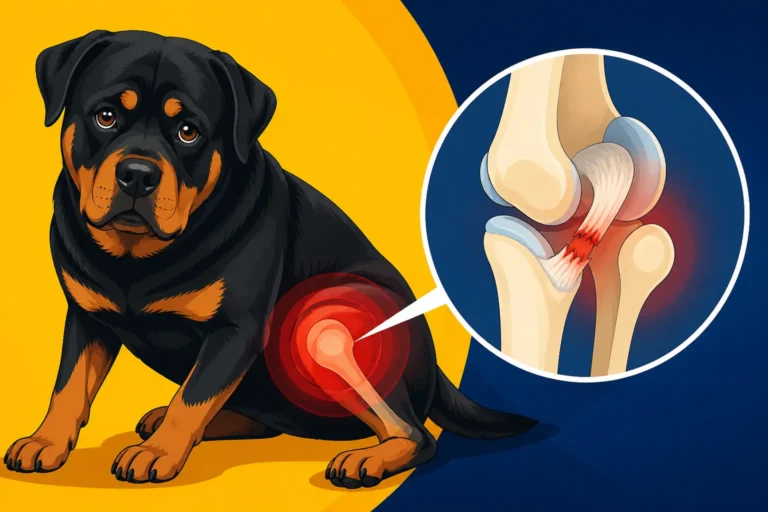
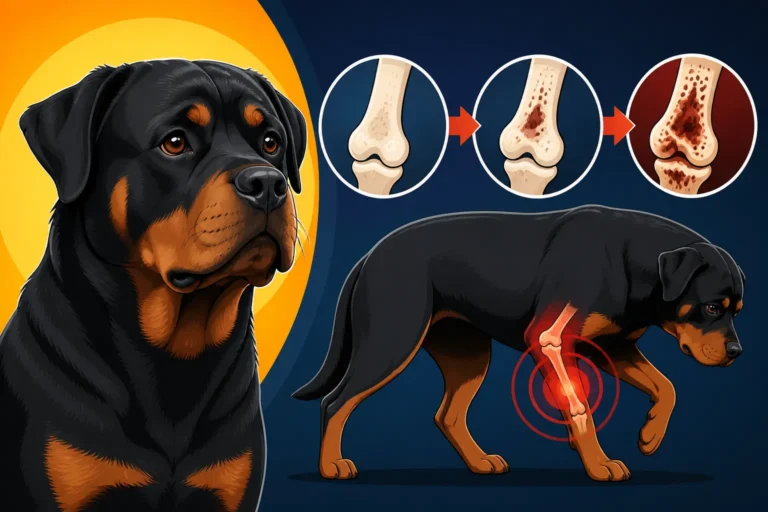
For owners, a "clear" result means your Rottweiler will not develop JLPP. This provides immense peace of mind, allowing you to focus on their training, socialization, and overall well-being without the looming shadow of this specific neurological disease. Knowing your dog is genetically clear of JLPP means one less health concern to worry about, though it's always wise to remember that Rottweilers, like all large breeds, can face other health challenges. For example, ensuring your dog has excellent joint health can greatly contribute to a long and active life, which is something a provider like Healthy Paws can help cover in case of unexpected orthopedic issues. A clear JLPP status means you don't have to concern yourself with the specific symptoms or progression of JLPP, freeing you to enjoy every moment with your canine companion.
It’s an assurance that your dog's future, at least in terms of this particular inherited condition, is bright. You won't face the heartbreaking reality of watching your young dog decline from this specific illness. This allows owners to invest fully in their dog's active lifestyle, be it hikes, obedience training, or just romping in the park, knowing that JLPP won't be the reason for their eventual decline. Of course, maintaining overall health and regular vet check-ups are still crucial for maximizing the Rottweiler Lifespan and the Eight to Ten Year Average.
Importance for Breeding Programs
For breeders, a "clear" JLPP result is invaluable. It signifies that the dog is genetically free of the mutation and can be safely bred without any risk of producing affected puppies, regardless of the genetic status of their mate. This freedom from concern allows breeders to focus on other crucial aspects of canine health and temperament, ensuring they are producing well-rounded, healthy offspring. It simplifies breeding decisions significantly because there's no need to factor in potential JLPP outcomes from this particular dog's side of the equation.
A clear dog can be confidently paired with a carrier, or even another clear dog, knowing that no puppies will ever be affected by JLPP. This is a cornerstone of ethical and responsible breeding, as it actively works to eradicate inherited diseases from the gene pool while maintaining genetic diversity. Reputable breeders will always provide documentation of JLPP clearance, along with other essential health certifications, as part of the Health Papers to Ask a Rottweiler Breeder For. This commitment to genetic testing helps to continuously improve the breed’s overall health and reduces the incidence of this devastating condition.
Beyond "Clear": The Role of Carriers in Breeding
While "clear" is the ideal result, understanding the role of carrier dogs in a breeding program is equally important for maintaining genetic diversity and improving the breed over time. It’s not simply about eliminating carriers, but managing them responsibly.
Why Carriers Are Still Important
It might seem intuitive to simply remove all carrier dogs from breeding programs to eliminate JLPP entirely. However, this approach can have unintended negative consequences, particularly in a breed like the Rottweiler, where responsible breeders strive to maintain a broad genetic base. If every carrier dog were immediately pulled from breeding, especially those with otherwise exceptional qualities (temperament, conformation, working ability), it could significantly reduce the available gene pool. A smaller gene pool increases the risk of inadvertently concentrating other undesirable traits or introducing new genetic problems down the line. It's a delicate balance, and sacrificing an otherwise outstanding dog that is a carrier simply because of its carrier status might do more harm than good for the breed in the long run.
Remember, a carrier Rottweiler will never develop JLPP itself. Its own health and quality of life are not compromised by being a carrier. Therefore, these dogs can still contribute valuable traits to the breed, provided they are bred responsibly. Many excellent show dogs, working dogs, and beloved family companions carry the JLPP gene without ever showing symptoms. Discarding these lines entirely would be a loss of valuable genetics that could otherwise improve the breed in other areas. This is why managing carriers, rather than simply discarding them, is a recognized strategy in responsible breeding circles.
Breeding Strategies with Carrier Dogs
The key to including carrier dogs in a breeding program without producing affected puppies lies in careful mate selection. The fundamental rule is straightforward: a carrier dog (N/P) must always be bred to a clear dog (N/N). When this specific pairing occurs, there is no possibility of producing an affected puppy.
Here’s why this strategy works:
- Carrier (N/P) x Clear (N/N):
- Approximately 50% of the offspring will be Clear (N/N).
- Approximately 50% of the offspring will be Carriers (N/P).
- Crucially, 0% of the offspring will be Affected (P/P).
This strategy, sometimes referred to as "test and don't guess," allows breeders to continue using valuable carrier lines while systematically producing clear offspring. These clear offspring can then go on to be bred with any dog, including other carriers, without risk of affected puppies. The goal is to gradually increase the number of clear dogs in the population over generations, slowly phasing out the mutated gene without drastically shrinking the gene pool. It's a pragmatic and ethical approach that shows true dedication to the long-term health of the Rottweiler. Any responsible breeder will adhere to the principle that Why One Rottweiler Parent Must Test Clear when breeding a carrier. These kinds of preventative measures are exactly why comprehensive pet insurance providers like Healthy Paws are so important, as they encourage responsible ownership and proactive health management.
Genetic Outcomes for JLPP (RAB3GAP1) Test Pairings
| Parent 1 Status | Parent 2 Status | Offspring: Clear (N/N) | Offspring: Carrier (N/P) | Offspring: Affected (P/P) | Breeding Recommendation |
|---|---|---|---|---|---|
| Clear (N/N) | Clear (N/N) | 100% | 0% | 0% | Recommended |
| Clear (N/N) | Carrier (N/P) | 50% | 50% | 0% | Recommended |
| Clear (N/N) | Affected (P/P) | 0% | 100% | 0% | Not Recommended (Affected dogs should not be bred) |
| Carrier (N/P) | Carrier (N/P) | 25% | 50% | 25% | Not Recommended |
| Carrier (N/P) | Affected (P/P) | 0% | 50% | 50% | Not Recommended (Affected dogs should not be bred) |
| Affected (P/P) | Affected (P/P) | 0% | 0% | 100% | Never Recommended |
As you can see from the table, the pairing of a Clear dog with a Carrier dog is the only scenario involving a Carrier that is recommended, as it guarantees no affected puppies. This responsible approach helps to slowly reduce the incidence of JLPP in the Rottweiler population. This foresight in breeding, coupled with robust pet insurance like that offered by Healthy Paws, creates a robust framework for a healthy life for your Rottweiler.
Disclaimer
Please note that the information provided in this article is for educational purposes only and should not be considered a substitute for professional veterinary advice. Always consult with a qualified veterinarian or a board-certified veterinary geneticist for diagnosis, treatment, and breeding recommendations specific to your Rottweiler. Genetic testing is a valuable tool, but it's one part of a comprehensive approach to responsible pet ownership.