Rottweiler End-of-Life Planning at Nine
Watching your beloved Rottweiler, who has been a pillar of strength and joy in your life for nearly a decade, begin to slow down is incredibly hard. It's a journey filled with love, grief, and often, agonizing decisions about their quality of life. This guide is here to walk you through the difficult, yet essential, process of end-of-life planning for your Rottweiler as they reach the age of nine and beyond, offering comfort and practical advice.
The Hard Reality of a Rottweiler's Senior Years
It’s a tough pill to swallow, but Rottweilers, like many large and giant breeds, tend to have shorter lifespans than their smaller counterparts. While we wish they could stay with us forever, the reality is that their eight to ten-year average lifespan often means we're facing senior concerns much sooner than dog owners of, say, a Poodle or a Chihuahua. By the time your Rottweiler reaches nine years old, they are firmly in their senior years, and while some may still be surprisingly spry, others will start showing more significant signs of aging and health decline. This is the age when the proactive discussions with your vet really need to ramp up. You might have already noticed changes, subtle at first, then more pronounced.
Understanding the Shorter Lifespan of Large Breeds
The sheer size and rapid growth of a Rottweiler put unique stresses on their body throughout their life. Their large frames mean more wear and tear on joints, a higher metabolic rate, and unfortunately, a predisposition to certain health conditions that often manifest in their later years. Conditions like Rottweiler Lifespan and the Eight to Ten Year Average are a stark reminder of the genetic predispositions we, as owners, need to be aware of. While we do everything we can to keep them healthy, from careful feeding to appropriate exercise, the biological clock ticks faster for these magnificent giants. This isn't to say every Rottweiler will decline rapidly at nine, but it is a critical age to shift from maintenance care to focused senior care, keeping a keen eye on their comfort and happiness.
Common Health Challenges at Nine Years Old
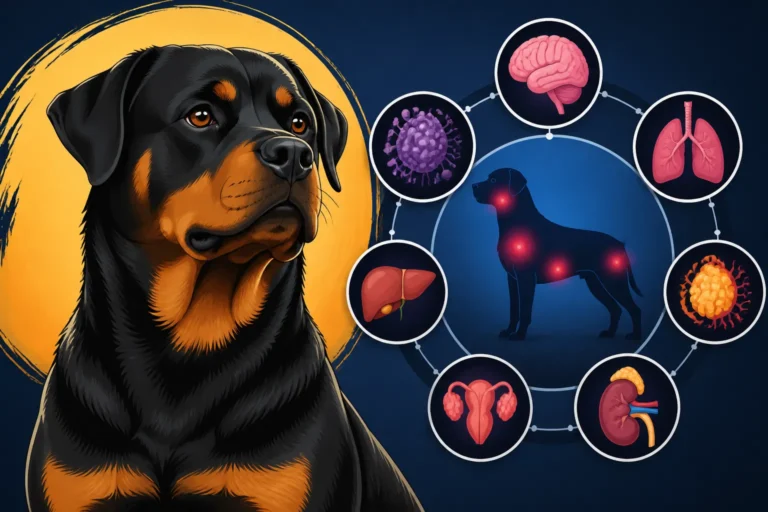
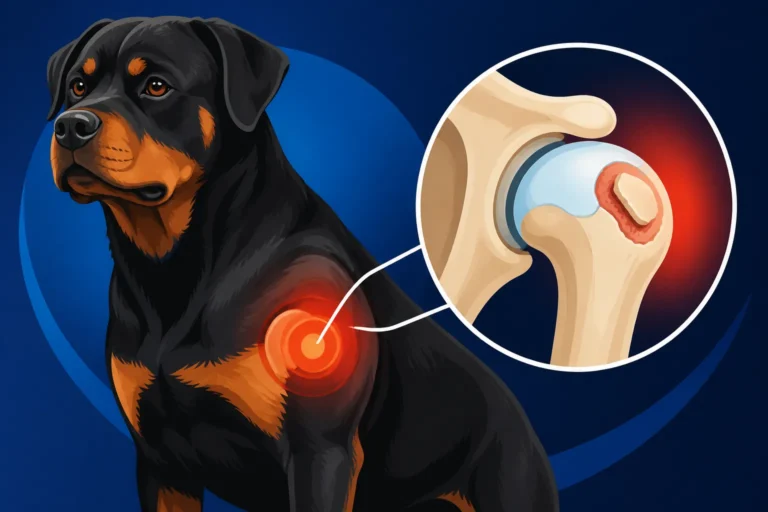
At nine, your Rottweiler might be experiencing a range of age-related issues. Joint pain, often from conditions like arthritis or residual hip and elbow dysplasia, is incredibly common and can lead to noticeable Rottweiler mobility decline. They might struggle to get up after lying down, hesitate to climb stairs, or simply move slower on walks. Beyond musculoskeletal issues, we often see a higher incidence of various cancers, like osteosarcoma or lymphoma, which can appear suddenly. You might remember reading about the possibility of The First Limp That Turns Out to Be Bone Cancer in some cases. Heart conditions, kidney disease, cognitive dysfunction, and even dental problems can also become more prevalent. These are not just minor inconveniences; they can significantly impact their daily comfort and joy, making it essential to monitor for subtle changes. Regular Vet Visit Frequency for a Senior Rottweiler becomes even more crucial now, to catch problems early and manage them effectively.
Recognizing the Signs It Might Be Time
This is arguably the hardest part of owning a senior dog: knowing when their quality of life has diminished to a point where intervention is kinder than continuation. There's no single "right" answer, and every dog's journey is unique. It's a deeply personal decision, but there are clear indicators your Rottweiler might be sending you.
Assessing Your Rottweiler's Quality of Life
The concept of "quality of life" can feel abstract, but it boils down to whether your dog is experiencing more good days than bad, and if the good days are truly good. This isn't just about pain, but also joy, engagement, and ability to perform basic functions. We often use a "Quality of Life Scale" or similar checklist to help objectively evaluate the situation.
Here's a simplified version you can use at home:
| Category | Score (1-10, 1=Poor, 10=Excellent) | Observation/Notes |
|---|---|---|
| Pain | Is your Rottweiler constantly stiff, limping, vocalizing, or unable to get comfortable? Does medication help? | |
| Appetite | Is your dog eating enough, or showing interest in favorite foods/treats? Is weight loss significant? | |
| Hydration | Is your Rottweiler drinking water normally? Is dehydration a concern? | |
| Hygiene | Can they stand to potty without falling? Are they having accidents? Are they clean, or do they struggle to maintain themselves? | |
| Happiness/Joy | Do they still enjoy interactions, toys, walks (even short ones)? Do they seem withdrawn or depressed? | |
| Mobility | Can they walk, stand, and move comfortably? Do they need significant assistance? | |
| Overall Well-being | Do they seem "present" and engaged, or are they constantly disoriented or lethargic? |
This kind of honest assessment, perhaps done daily or weekly, can provide invaluable insight. Many owners find it helpful to explicitly track these things in a journal. If the overall score consistently leans towards poor, it’s a strong signal. Remember, a common frustration for owners is the feeling that they are letting their dog down, but taking an honest approach to Scoring Quality of Life for a Rottweiler is one of the kindest things you can do.
Behavioral and Physical Changes to Look For
Beyond a formal checklist, pay close attention to changes in their daily routine and demeanor. Your Rottweiler, a breed known for its stoic nature, might hide pain well, so you need to be a keen observer.
- Changes in Appetite and Thirst: A sudden decrease in appetite, refusal of favorite foods, or excessive thirst can be signs of underlying health issues like kidney disease or diabetes. Conversely, a loss of interest in water can lead to dehydration and organ strain.
- Mobility Issues: We've touched on this, but watch for extreme difficulty getting up, reluctance to go for walks, or stumbling. A once-eager dog who now just watches you grab the leash might be telling you something profound. Even minor changes in gait or standing can indicate significant discomfort.
- Incontinence or Accidents: While accidents can happen, persistent wetting or soiling indoors, especially if your dog was previously reliably house-trained, can indicate a loss of muscle control, cognitive decline, or discomfort with holding it. This impacts their dignity and your ability to maintain a clean home.
- Loss of Interest in Activities: Does your Rottweiler still greet you at the door? Do they want to play with their favorite toy? Are they still interested in family interactions? A significant decrease in these joyful behaviors suggests a loss of pleasure in life. A Rottweiler who once loved long car rides but now struggles to get in or lies dejectedly in the back might be telling you their adventures are over.
- Changes in Breathing or Coughing: Persistent coughing, labored breathing, or a sudden change in breathing patterns can indicate heart disease, lung issues, or even a cancerous mass. Remember, A Rottweiler That Collapses Suddenly During Play is an emergency and often a sign of advanced heart or other serious internal issues.
- Lethargy and Weakness: While older dogs sleep more, extreme lethargy, disinterest in their surroundings, or general weakness that makes even short walks a struggle are red flags.
- Hiding or Withdrawal: Rottweilers, despite their strong exterior, are deeply bonded to their families. If your dog starts to hide away, avoids interaction, or seems disoriented, it could be a sign of discomfort or cognitive decline.
- Aggression or Irritability: Pain can manifest as irritability, even in the most gentle Rottweiler. If your dog, who was always tolerant, starts snapping when touched, or growling when approached, it's crucial to consider if pain is the root cause. This is a critical indicator that their comfort has been severely compromised.
Navigating the End-of-Life Decision
Once you recognize these signs, the next step is often the most agonizing: deciding to say goodbye. This isn't a decision made lightly, and it's almost never "easy." It’s about choosing compassion over prolonged suffering.
Consulting With Your Veterinarian
Your veterinarian is your most important partner in this process. They can offer an objective assessment of your Rottweiler's physical condition, pain levels, and prognosis. They've seen many dogs through this journey and can help you understand the medical realities.
- Open and Honest Dialogue: Don't hesitate to ask frank questions. "Is my dog in pain that can't be managed?" "What is the likelihood of recovery or improvement?" "What would you do if this were your dog?" A good vet will be honest and empathetic, helping you separate emotion from critical assessment.
- Exploring Palliative Care: Sometimes, there are options for palliative care that can extend comfortable time. This might involve new pain medications for arthritis, dietary changes for kidney disease, or even physical therapy to improve mobility. The goal of palliative care is to maximize comfort, not to cure. For instance, managing severe arthritis might involve a combination of NSAIDs, joint supplements, and even acupuncture or laser therapy to improve their quality of movement. The article on Pain Control for a Rottweiler With Bone Cancer delves into how crucial managing discomfort is. This is also where pet insurance, like a plan from Healthy Paws, can be incredibly valuable, as it might help cover the costs of these ongoing treatments, allowing you to focus on your dog's comfort rather than the mounting bills.
- Understanding Prognosis: Your vet can help you understand how much time your dog realistically has, and what that time might look like. Is it weeks of increasing pain, or months of manageable comfort? This information is vital for your planning.
When to Stop Treating and Embrace Comfort
There comes a point where aggressive treatment might only prolong suffering rather than offer a meaningful recovery. This is a profound and personal decision. When your vet says something like, "There's nothing more we can do," it means curative options are exhausted. At this juncture, the focus shifts entirely to comfort. This might mean adjusting medications for maximum pain relief, ensuring easy access to food and water, providing soft bedding, and simply being present with them. The question of When to Stop Treating a Rottweiler's Cancer often arises when the side effects of chemotherapy or radiation outweigh the benefits, and the primary goal becomes maintaining dignity and peace.
It's also important to consider the financial burden. The costs associated with advanced diagnostics, surgeries, or specialized treatments can be exorbitant. While we never want money to be the deciding factor, it's a harsh reality. Having a plan, and perhaps even some savings set aside, or having invested in comprehensive coverage like that offered by Healthy Paws, can alleviate some of this stress. Knowing you have resources available can allow you to make decisions based purely on your Rottweiler's best interest.
Options for End-of-Life Care
Once the decision is made, you have choices about how to provide a peaceful transition for your beloved Rottweiler.
Humane Euthanasia: Clinic vs. In-Home
Euthanasia is the most common and often the most compassionate option when quality of life has severely declined.
- In-Clinic Euthanasia: This is the traditional route. It offers the benefit of trained veterinary staff and a sterile environment. Many clinics have a quiet, dedicated room for this purpose, aiming to make it as peaceful as possible. You'll typically be able to stay with your Rottweiler throughout the process. The vet will usually place an IV catheter first, then administer a sedative to help your dog relax and drift off to sleep. Once they are calm and unconscious, a final medication is given that gently stops their heart and breathing. The cost for in-clinic euthanasia for a large dog like a Rottweiler typically ranges from $150 to $400, not including aftercare.
- In-Home Euthanasia: This option has gained significant popularity, and for good reason. For a large dog like a Rottweiler, being in their familiar environment, surrounded by their loved ones, can be immensely comforting. It eliminates the stress of a car ride and a clinical setting, allowing your dog to pass peacefully in their favorite spot. This is particularly beneficial for dogs with severe mobility issues or anxiety. Many mobile vets specialize in this service. The process is similar to in-clinic, with a sedative followed by the final medication. The cost is generally higher due to the convenience, ranging from $300 to $700 or more, depending on your location and the vet service. If you're exploring Home Euthanasia for a Dog a Rottweiler's Size, you'll find that many services are incredibly compassionate and understanding. It's a real blessing for families and their dogs.
Aftercare Options: Burial and Cremation
After your Rottweiler has passed, you'll need to decide on their final arrangements.
- Burial: If you have property and local ordinances allow, burying your Rottweiler at home can be a comforting option for many, allowing them to remain close. Ensure you check local regulations, as rules vary widely. Consider the depth required to prevent disturbance and mark the spot.
- Cremation: This is the most common choice.
- Communal/Mass Cremation: Your Rottweiler is cremated with other pets, and the ashes are typically scattered or buried in a communal plot. You will not receive your dog's ashes back. This is generally the most affordable cremation option.
- Private Cremation: Your Rottweiler is cremated individually, and their ashes are returned to you in an urn or memorial box. You can choose to keep the ashes, scatter them in a meaningful place, or inter them. The cost for private cremation for a large Rottweiler can range from $200 to $600+, depending on weight and the services included (e.g., paw print, fur clipping).
Your vet clinic or mobile vet service will usually be able to coordinate these aftercare services for you, making a difficult time a little easier.
Coping and Remembering Your Loyal Companion
The grief that comes with losing a pet is profound and deeply personal. It's important to allow yourself to feel it and find healthy ways to cope and remember.
Dealing with Grief and Loss
The bond we share with our Rottweilers is incredibly strong, and losing them leaves a huge void. Don't be surprised if your grief feels as intense as losing a human family member; it is a legitimate and powerful emotion.
- Allow Yourself to Grieve: There's no "right" way or timeline for grief. You might feel sadness, anger, guilt, or numbness. All are normal. Don't let anyone minimize your feelings.
- Seek Support: Talk to friends, family members, or other pet owners who understand. Many veterinary clinics offer grief support resources, and there are online forums and local support groups specifically for pet loss. Sharing your memories and feelings can be incredibly therapeutic.
- Self-Care is Crucial: During this time, remember to take care of yourself. Eat, sleep, and try to maintain some routine. Your other pets might also be grieving, so maintaining their routine can help them too.
- Guilt is Common: Many owners feel immense guilt, wondering if they waited too long, or if they acted too soon. Remind yourself that you made the most loving decision you could with the information you had, out of compassion for your Rottweiler.
Honoring Your Rottweiler's Memory
Finding ways to remember your Rottweiler can be a vital part of the healing process.
- Create a Memorial: This could be a photo album, a framed picture, a special garden stone, or a paw print cast. Many cremation services offer memorial items like customized urns or jewelry.
- Donate in Their Name: Consider donating to a local animal rescue, especially a Rottweiler-specific rescue, or a veterinary charity in honor of your dog. This turns your grief into a positive act that helps other animals.
- Plant a Tree or Garden: A living memorial can be a beautiful way to remember them. Each year, as it grows, it reminds you of their enduring presence in your life.
- Talk About Them: Share stories and memories of your Rottweiler. Keeping their memory alive through conversation helps acknowledge their impact on your life.
- Consider a New Companion (When Ready): There's no timeline for getting another pet. Some people find comfort in bringing a new animal into their lives relatively soon, while others need much longer. There's no right or wrong answer, only what feels right for you and your family. Remember that a new dog is not a replacement, but a new individual who will bring their own unique joy. This is also where planning ahead for future pet expenses, perhaps through pet insurance like Healthy Paws, could offer peace of mind when you are ready to open your heart again.
Making end-of-life decisions for your Rottweiler is one of the most challenging acts of love you will ever face. It's a testament to the deep bond you shared and the responsibility you took on when you welcomed them into your life. Embrace the grief, cherish the memories, and know that you gave them the best life, and the most peaceful end, possible.
Disclaimer
The information provided in this article is for general informational purposes only and is not a substitute for professional veterinary advice. Always consult with a qualified veterinarian for any health concerns or before making any decisions about your pet's care.