Whether Preventive Gastropexy Is Worth It
One of the most terrifying emergencies a Rottweiler owner can face is bloat, or Gastric Dilatation-Volvulus (GDV). It strikes suddenly, often without warning, and the clock immediately starts ticking the moment symptoms appear. The fear of this life-threatening condition drives many to consider preventive measures, and a preventive gastropexy often comes up as a potential solution, leaving many to wonder if this proactive surgery is truly worth the investment and worry.
The Looming Threat of Bloat in Rottweilers
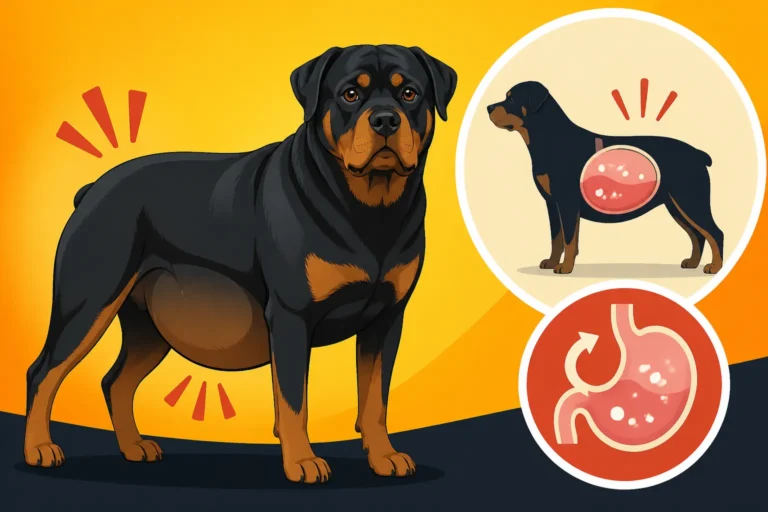
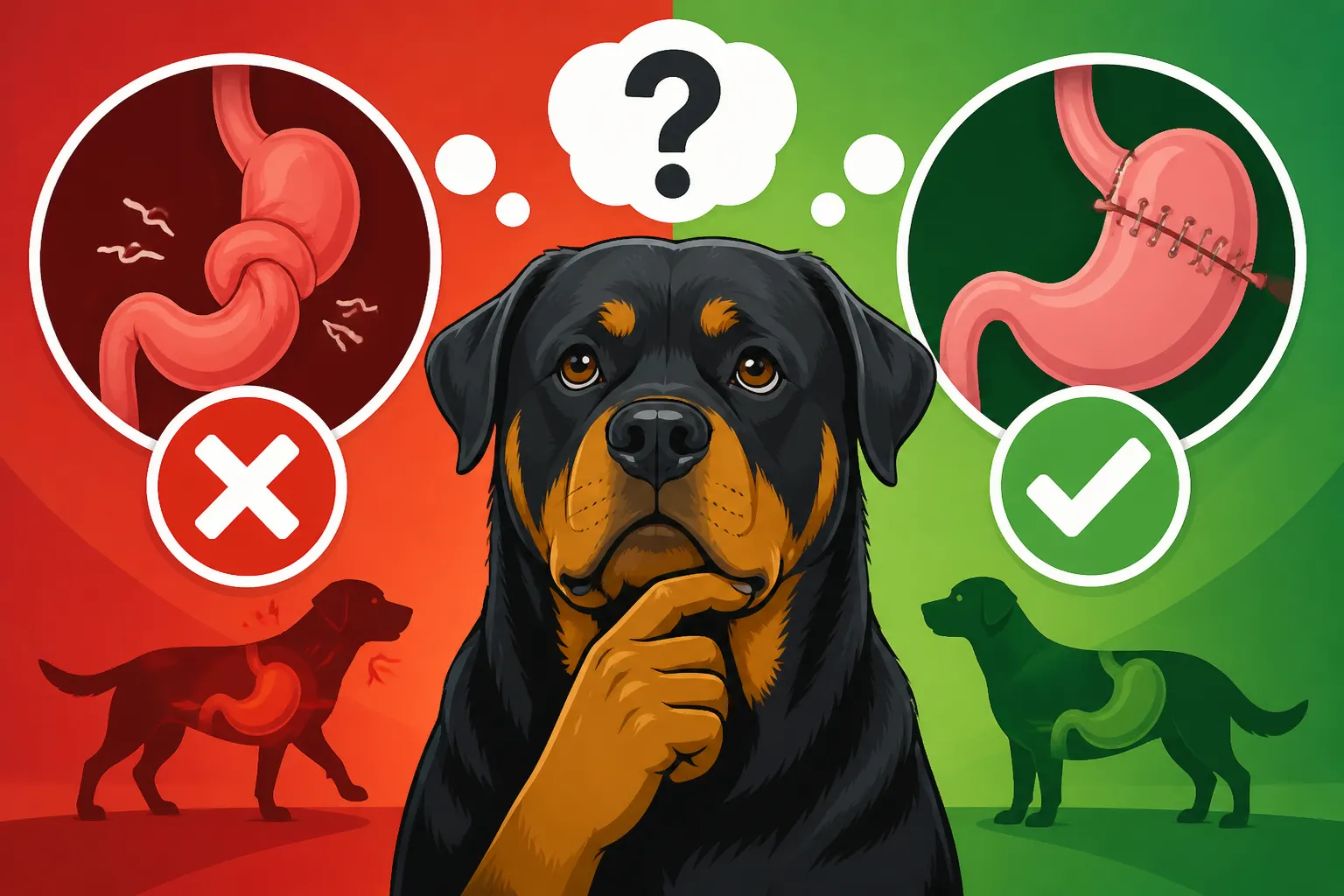
Let's be brutally honest: bloat is every large breed dog owner's nightmare, and for those of us with Rottweilers, it feels like an ever-present shadow. This isn't just a tummy ache; it's a catastrophic medical emergency. When we talk about bloat, we're really talking about two things that can happen to your dog's stomach. First, "gastric dilatation" means the stomach fills with gas, food, or fluid, swelling up like a balloon. This alone is incredibly painful and dangerous. Second, and even more critical, is "volvulus," which is when that distended stomach then twists on itself, effectively cutting off its own blood supply and blocking both the entrance and exit.
Rottweilers are unfortunately predisposed to this condition. Their deep chests and large size are thought to contribute to the risk. When a Rottweiler's stomach twists, it's not just a matter of discomfort; it's a race against time. The compromised blood flow quickly leads to tissue death, shock, and can even damage other organs like the spleen and heart. Without immediate veterinary intervention, often within hours, the outcome is usually fatal. Owners often report their dog suddenly becoming restless, pacing, attempting to vomit without bringing anything up – a classic symptom of A Rottweiler Retching Without Bringing Anything Up – and developing a distended abdomen. Knowing how quickly things can escalate makes understanding Bloat in a Rottweiler and the Hours That Matter absolutely critical.
The sheer speed at which this condition progresses is what makes it so terrifying. You might just be finishing a normal evening, and within a couple of hours, your beloved Rottweiler could be in critical condition. The pain is immense, and the panic you feel as an owner, watching your dog suffer and knowing you might be losing them, is indescribable. This fear is a huge motivator for seeking out ways to mitigate the risk, which naturally leads to questions about preventive measures. Recognizing Bloat in a Rottweiler can truly be a matter of life or death.
What Exactly is a Preventive Gastropexy?
Given the severity of bloat, it's no wonder many Rottweiler owners start researching ways to prevent it. This is where preventive gastropexy comes into the conversation. Simply put, a gastropexy is a surgical procedure where a veterinarian permanently attaches your dog's stomach to the abdominal wall. Think of it like tacking down a curtain so it can't billow and twist in the wind. The goal isn't to prevent the stomach from filling with gas (dilatation), but rather to prevent it from twisting (volvulus) if it does distend.
The procedure itself can be done in a few ways, but the principle is always the same: secure the stomach. Traditionally, it's an open abdominal surgery, but increasingly, less invasive laparoscopic techniques are available. With a laparoscopy, small incisions are made, and the vet uses a camera and specialized instruments to perform the attachment, leading to quicker recovery times. The beauty of a preventive gastropexy is that it can often be performed concurrently with another planned abdominal surgery, such as a spay or neuter. Many veterinarians recommend doing Gastropexy Done During a Rottweiler Spay or Neuter precisely because your dog is already under anesthesia, making it a more convenient and often more cost-effective option than a standalone procedure.
While a gastropexy doesn't eliminate the possibility of the stomach distending with gas (your dog could still bloat), it dramatically reduces the chance of the fatal twist. This distinction is important. Your dog might still experience discomfort and need veterinary attention if their stomach dilates, but the life-threatening emergency of a twisted stomach is largely averted. This single procedure can be a game-changer for deeply concerned owners, offering a layer of protection against the most dangerous aspect of GDV.
Weighing the Benefits of a Proactive Approach
The most significant benefit of a preventive gastropexy is, without a doubt, the peace of mind it offers. For Rottweiler owners, the constant worry about bloat can be overwhelming. Every burp, every restless moment after a meal, can send a jolt of anxiety through you. Knowing that your dog's stomach can't twist offers a profound sense of relief. You've actively taken a step to protect them from a truly horrific and often fatal condition. This alone, for many, makes the decision clear.
Beyond the emotional relief, there's a strong argument to be made for the potential long-term financial benefits. While a preventive gastropexy does involve an upfront cost, it pales in comparison to the expense of emergency bloat surgery. An emergency GDV surgery is an intensive, complex procedure often performed in the middle of the night by a specialist, involving extensive diagnostics, surgery, and critical post-operative care. We're talking thousands upon thousands of dollars. Compare this to a planned, elective gastropexy, which is typically much less expensive. If you factor in the value of not having to endure the terrifying scramble to an emergency vet and the emotional toll of a critical surgery, the preventive route begins to look very attractive.
Consider the scenario: your Rottweiler develops bloat, but because of the gastropexy, their stomach cannot twist. While they would still need veterinary attention for the distension, the immediate life-or-death crisis is avoided. This not only saves money but, more importantly, can save your dog's life. Many pet insurance providers, such as Healthy Paws, recognize the value of preventive care, and while they won't cover pre-existing conditions, they can be a lifesaver for unexpected illnesses or accidents. If your policy is in place before any signs of bloat appear, the costs associated with even non-twisted bloat might be covered. It's truly a procedure that offers a profound benefit in terms of both canine welfare and owner well-being.
Understanding the Risks and Financial Outlay
No surgery is without risk, and preventive gastropexy is no exception. While generally considered a safe procedure, any time your Rottweiler goes under general anesthesia, there are inherent risks involved. These can range from adverse reactions to the anesthetic agents to post-operative complications like infection, pain, or issues with wound healing. For a large breed like a Rottweiler, anesthesia protocols need to be carefully managed, and a thorough pre-surgical workup is essential to minimize these risks. While rare, serious complications can occur, and it's crucial to discuss these possibilities with your veterinarian.
The most immediate "drawback" for many owners is the cost. A preventive gastropexy, especially if performed laparoscopically or as a standalone procedure, can be a significant expense. Prices vary widely based on your geographic location, the veterinary clinic, and the specific surgical technique used. However, it's important to frame this cost against the alternative. Emergency GDV surgery can easily run into the thousands – think $4,000 to $10,000 or even more, depending on the severity and aftercare required. A planned gastropexy, while perhaps costing $1,000 to $3,000, is a fraction of that emergency bill. For those concerned about Emergency Vet Bills a Rottweiler Owner Should Expect, this upfront investment can be a strategic financial decision.
It's also vital to remember what gastropexy doesn't do. It doesn't prevent your Rottweiler's stomach from dilating, from filling with gas. Your dog can still experience all the discomfort and even organ pressure that comes with the initial bloat; it just won't twist. This means that even with a gastropexy, you still need to be vigilant about Feeding Rules That Lower Rottweiler Bloat Risk, such as avoiding strenuous exercise before and after meals or feeding large quantities once a day. You'll still need to understand The Raised Bowl Argument in Rottweiler Bloat and consider practices like Splitting a Rottweiler's Ration Across the Day or knowing How Long to Wait After a Rottweiler Meal Before Exercise. The surgery is a critical safety net, but it's not an excuse to disregard other preventive care measures.
Here's a quick comparison to help put the costs and outcomes into perspective:
| Feature | Preventive Gastropexy | Emergency GDV Surgery (Without Gastropexy) |
|---|---|---|
| Purpose | Prevent stomach twisting (volvulus) | Correct twisted stomach, save life |
| Timing | Elective, planned (often with spay/neuter) | Emergency, sudden |
| Cost (Estimated) | $1,000 – $3,000 | $4,000 – $10,000+ |
| Anesthesia Risk | Lower (planned, healthy patient) | Higher (patient in shock, emergency) |
| Recovery Time | Generally faster, less complicated | Longer, more intensive care required |
| Survival Rate | Near 100% (prevents fatal twist) | 70-85% (if treated quickly), much lower if delayed |
| Prevents Bloat itself | No (only the twist) | No (treats the immediate crisis) |
Who Should Seriously Consider This Procedure?
Deciding whether to pursue a preventive gastropexy for your Rottweiler is a personal choice, but there are certain situations where it becomes an even more compelling option. If you have a Rottweiler with a known family history of bloat, the decision leans heavily towards prevention. Genetics play a role in breed predisposition, and if a dog's parents or close relatives have experienced GDV, their own risk significantly increases. Many reputable breeders will openly share information about bloat in their lines, giving you valuable insight.
Another strong candidate for gastropexy is any Rottweiler owner who lives with profound anxiety about the condition. The constant dread can impact your enjoyment of your dog and even dictate their routine in ways that aren't ideal. The peace of mind offered by this surgery can genuinely improve your quality of life as a dog owner. If your Rottweiler is already scheduled for another abdominal surgery, like a spay, neuter, or even a different internal procedure, the argument for adding a gastropexy strengthens considerably. Your dog is already undergoing anesthesia and surgical recovery, so combining procedures can be both safer and more economical. This is why Gastropexy to Prevent Rottweiler Bloat is so often discussed alongside routine procedures.
Furthermore, consider the age of your Rottweiler. As dogs age, their risk of bloat tends to increase, making Rottweiler Bloat Risk Rising With Age a significant concern. While a gastropexy can be performed at any age, doing it earlier, when the dog is younger and healthier, generally carries fewer risks than performing it on an older, potentially frailer animal. It's also worth noting that male Rottweilers, especially intact males, tend to have a slightly higher incidence rate of bloat, though females are certainly not immune. Ultimately, the decision comes down to your individual dog's risk factors, your own comfort level, and a thorough discussion with your trusted veterinarian. They can provide personalized advice based on your Rottweiler's health history and your lifestyle.
The Role of Pet Insurance in Managing Costs
Let's face it, veterinary care for a large breed like a Rottweiler isn't cheap, and the thought of an emergency bloat surgery bill can be terrifying. This is where pet insurance, like policies from Healthy Paws, can play a crucial role. While preventive gastropexy itself might not always be covered as a "wellness" procedure (it depends on your specific policy and whether it has a wellness add-on), many comprehensive accident and illness plans would cover the costs if your dog were to bloat despite the gastropexy, or if they had bloat and hadn't had the procedure.
For instance, if your Rottweiler undergoes a gastropexy and still experiences gastric dilatation that requires emergency treatment but without the twist, those emergency costs would typically be covered by an accident and illness policy, assuming the policy was active before the gastropexy and the first signs of any bloat-related issues. The key is to enroll your Rottweiler in a pet insurance plan when they are young and healthy, before any potential pre-existing conditions arise. This means that if the worst should happen, and your dog suffers a true GDV event requiring surgery, the significant costs of diagnostics, surgery, and post-operative care, which can easily reach the upper end of Rottweiler Surgery Costs From Bloat to Bone Cancer, would be reimbursed according to your policy's terms.
Pet insurance often involves a monthly premium, a deductible, and a reimbursement percentage. For a large breed dog like a Rottweiler, Rottweiler Pet Insurance and the $204 Average might seem like a lot, but imagine facing a $7,000 emergency bloat surgery bill. With a typical 80-90% reimbursement, that policy suddenly becomes an invaluable safety net. When considering whether preventive gastropexy is worth it, it's also worth considering how a good pet insurance policy could cushion the blow of any unexpected veterinary emergency, including the potential costs associated with treating bloat if the preventive surgery isn't performed or doesn't entirely prevent complications. It allows you to make medical decisions based on what's best for your dog, rather than solely on your immediate financial capacity.
Disclaimer
This article is intended for informational purposes only and should not be taken as professional veterinary advice. Always consult with a qualified veterinarian regarding your Rottweiler's specific health concerns, treatment options, and surgical decisions. Individual circumstances and health conditions vary.