Gastropexy Done During a Rottweiler Spay or Neuter
It's an awful thought, isn't it? That sudden, terrifying emergency where your beloved Rottweiler, a picture of health moments before, is suddenly struggling, retching, and visibly distended. Gastric Dilatation-Volvulus, or bloat, is a rapid killer in deep-chested breeds, and for Rottweiler owners, the fear is real and ever-present. This guide will walk you through what preventative gastropexy is, why combining it with a spay or neuter makes so much sense, and what you need to know to protect your big, beautiful companion.
Understanding Gastropexy and Bloat Risk in Rottweilers
Let's be brutally honest: bloat is one of the most frightening emergencies a Rottweiler owner can face. It's not just "upset stomach," it's a critical, life-threatening situation, and knowing your options for prevention is empowering.
The Terrifying Reality of Gastric Dilatation-Volvulus GDV
Imagine your dog's stomach, full of food and gas, suddenly twisting on itself. That's Gastric Dilatation-Volvulus (GDV), or what we commonly refer to as bloat. When the stomach twists, it traps gas, food, and fluid, causing it to rapidly expand. This expansion puts immense pressure on other organs, obstructs blood flow to the stomach and spleen, and can lead to shock, tissue death, and even rupture of the stomach wall. The pain is excruciating, and the progression can be shockingly fast.
Rottweilers, with their deep and narrow chests, are unfortunately highly predisposed to this condition. It often strikes without warning, perhaps after a meal, intense exercise, or even just during a quiet evening at home. The signs can be subtle at first—restlessness, pacing, drooling—but quickly escalate to non-productive retching, where they try to vomit but nothing comes up, and a visibly distended abdomen. Time is absolutely critical, and even with immediate veterinary intervention, the mortality rate for bloat remains alarmingly high. If you've ever seen a dog suffer from this, you know the terror. Recognizing Bloat in a Rottweiler and the Hours That Matter is paramount, but prevention offers a far better outcome.
How a Gastropexy Changes the Game
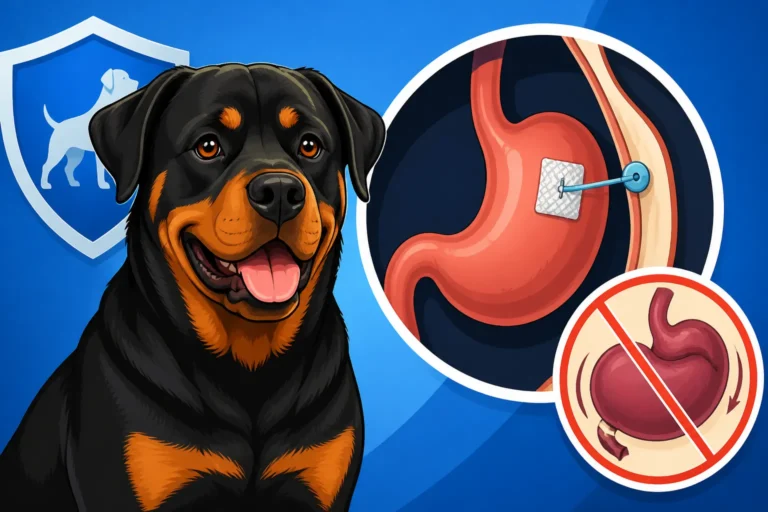
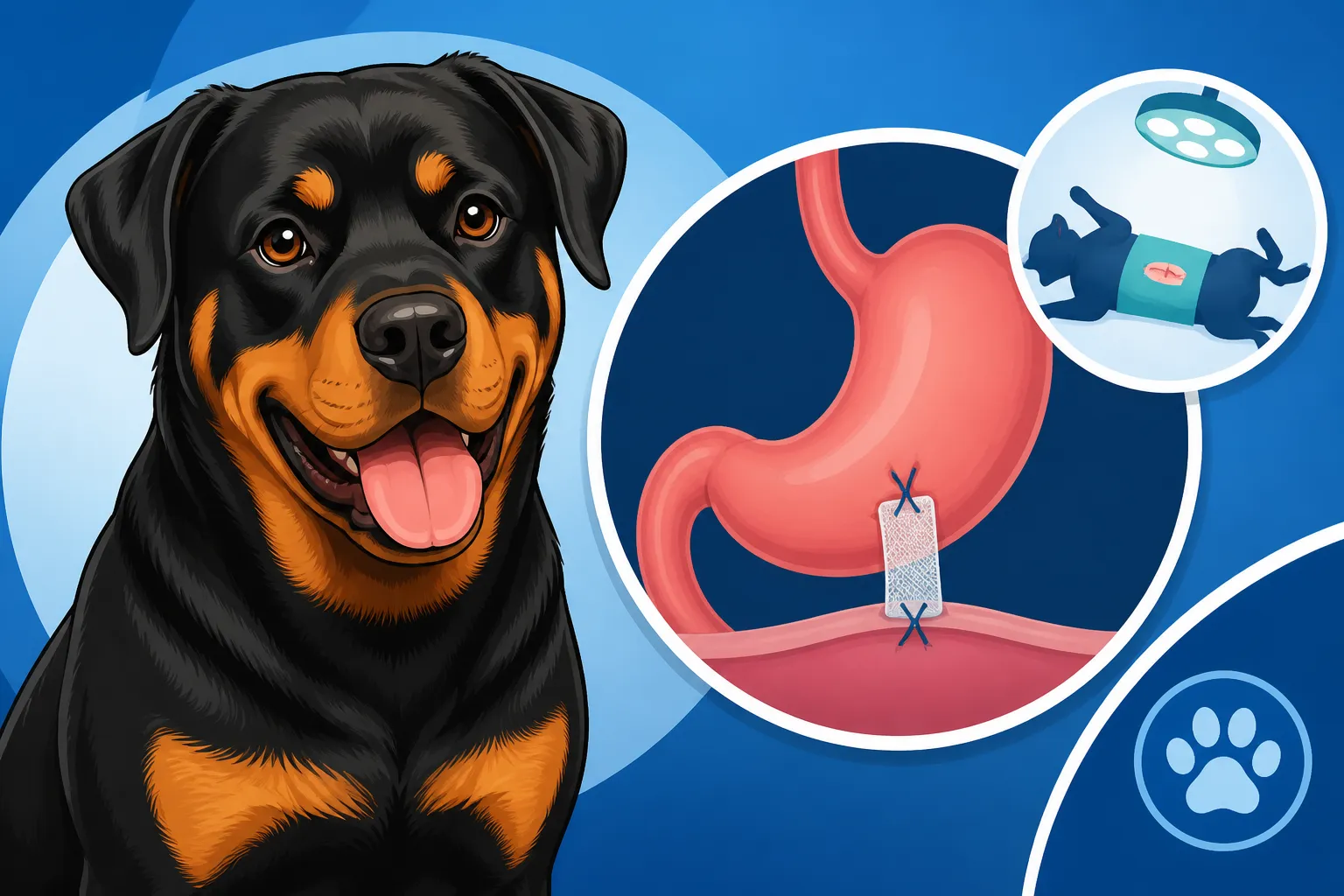
A gastropexy is a surgical procedure where a veterinarian permanently "tacks" a portion of the stomach to the inside of the abdominal wall. Think of it like creating a permanent anchor. This might sound drastic, but its purpose is singular and profound: it prevents the stomach from twisting. While a gastropexy doesn't prevent the initial gas and food buildup (dilatation), which still causes discomfort and requires attention, it prevents the deadly "volvulus" or twisting.
This distinction is crucial. If a gastropexied Rottweiler experiences bloat, their stomach can still fill with gas and dilate, causing pain and distress. However, because it's anchored, it can't twist. This means you gain precious hours—not minutes—to get your dog to the vet for decompression, allowing the veterinary team to relieve the pressure and address any underlying issues. This procedure essentially transforms a terrifying, often fatal emergency into a serious but much more manageable medical event. For a large dog like a Rottweiler, where every minute counts, this can truly be a lifesaver.
Weighing the Risks and Benefits of Preventive Surgery
Any surgical procedure carries inherent risks, primarily associated with general anesthesia. Concerns about potential complications from the surgery itself, like infection or bleeding, are also valid. However, when we talk about gastropexy, especially a preventative one, we must weigh these against the far greater, often catastrophic, risks of emergency bloat surgery. Emergency surgery for bloat is lengthy, complex, and performed on an already critically ill, shocked patient. The recovery is harder, the pain management more intense, and the overall prognosis significantly more guarded.
Choosing preventative gastropexy means your Rottweiler undergoes a planned surgery when they are young and healthy, under optimal conditions. The recovery is generally smoother and less complicated than an emergency procedure. For owners, the peace of mind gained is immeasurable. Knowing that the most deadly aspect of bloat has been surgically mitigated can significantly reduce anxiety about every cough, burp, or skipped meal. From a financial perspective, while there's an upfront cost for a Preventive Gastropexy Pricing for a Rottweiler, it's typically far less than the tens of thousands of dollars often associated with emergency Rottweiler Stomach Surgery and the Overnight Stay, not to mention the emotional toll. This is where having pet insurance, like Healthy Paws, can be incredibly valuable, as many policies cover preventative procedures when bundled with another covered surgery, or will certainly cover the (less severe) emergency dilatation treatment after a gastropexy.
The Practicalities of Combining Gastropexy with Spay or Neuter
Deciding to combine gastropexy with a routine spay or neuter is a common and often highly recommended approach for Rottweiler owners. It’s a strategic decision that benefits both your dog’s health and your peace of mind.
Why the Timing Makes Sense
Combining a gastropexy with a spay or neuter procedure is often the most logical and least invasive option for your Rottweiler. Both procedures require general anesthesia and an incision into the abdomen. By performing them simultaneously, your dog only needs to undergo anesthesia once, minimizing the risks associated with it. This also means only one recovery period, one set of post-operative medications, and one period of restricted activity, which is a huge benefit for both your dog and your household. Imagine the stress of two separate major surgeries and recoveries for a large, active breed!
The timing also often aligns perfectly with a Rottweiler's developmental needs. Many veterinarians recommend waiting until a Rottweiler is physically mature—often between 18 and 24 months—before spaying or neutering. This allows their growth plates to close naturally, which is crucial for their joint health and reduces the risk of orthopedic issues later in life. You can learn more about Rottweiler Growth Plates and Why They Close So Late to understand this recommendation better. This age range also typically falls within the prime time for preventative gastropexy, before the risk of bloat significantly increases with age. For female Rottweilers, who already undergo a more extensive abdominal surgery for spaying, adding a gastropexy involves minimal additional invasiveness, making it an even more straightforward decision. For males, it does add an abdominal incision that wouldn't otherwise be there for a routine neuter, but the preventative benefits are often seen as well worth it.
What to Discuss with Your Veterinarian
The decision to proceed with a preventative gastropexy should always involve a thorough discussion with your veterinarian. It’s important to choose a vet who has experience with large breed surgeries and specifically with gastropexy procedures. Don’t hesitate to ask about their experience level, the number of gastropexies they perform, and their preferred technique.
You'll want to cover several key areas:
- Procedure Details: Will they perform an open surgery, a laparoscopic-assisted gastropexy, or another method? Each has different implications for invasiveness, recovery time, and cost.
- Pre-surgical Evaluation: What pre-surgical bloodwork and diagnostics will be done to ensure your Rottweiler is a good candidate for anesthesia and surgery? This might include a comprehensive blood panel and an ECG.
- Cost Breakdown: Get a clear estimate of the costs involved, including anesthesia, the surgery itself, pain medication, and any follow-up appointments. Compare this to the potential costs of an emergency bloat surgery.
- Recovery Plan: Discuss what you can expect during the recovery period, including pain management, activity restrictions, and potential complications to watch for.
- Long-Term Care: Reconfirm that a gastropexy doesn't eliminate the need for vigilance regarding bloat symptoms, and discuss Feeding Rules That Lower Rottweiler Bloat Risk and other preventative measures even after surgery.
A good vet will be happy to answer all your questions and help you make an informed decision for your Rottweiler's health.
Different Gastropexy Techniques
When discussing gastropexy with your vet, you might hear about a few different surgical approaches. The choice of technique can impact recovery, cost, and even the invasiveness of the procedure. Understanding these options can help you feel more confident in your decision.
The most traditional method is an incisional gastropexy, often performed via an "open" abdominal surgery. In this technique, the surgeon makes an incision into the abdomen, directly accesses the stomach, and then sutures a section of the stomach wall to the abdominal wall. This is a very robust and reliable method. When combined with a spay or neuter, the existing incision for those procedures can often be extended or utilized, making it efficient. The recovery time is typical for major abdominal surgery, requiring strict rest.
Another popular option, especially when performed electively, is a laparoscopic-assisted gastropexy. This method is less invasive. Small incisions are made, and a camera (laparoscope) is inserted to visualize the abdominal cavity. Specialized instruments are used to tack the stomach. This often results in less post-operative pain, smaller incisions, and a quicker recovery compared to open surgery. However, not all veterinary clinics have the specialized equipment or training for laparoscopic procedures, and it can sometimes be more expensive.
A less common, but sometimes discussed, technique is the endoscopic gastropexy. This involves using an endoscope, passed down the esophagus into the stomach, to guide placement of sutures or fasteners. This is even less invasive than laparoscopic methods, but its long-term reliability and the strength of the adhesion can sometimes be debated among veterinary surgeons. It's usually not combined with spay/neuter.
Here's a quick comparison of the common techniques:
| Feature | Incisional (Open) Gastropexy | Laparoscopic-Assisted Gastropexy |
|---|---|---|
| Invasiveness | More invasive (larger incision) | Less invasive (small incisions) |
| Recovery Time | Moderate to longer | Shorter, generally less pain |
| Cost | Generally lower than laparoscopic (as a standalone or add-on) | Often higher due to specialized equipment and training |
| Reliability | Very high, widely considered the "gold standard" | High, becoming increasingly popular |
| Equipment | Standard surgical tools | Specialized laparoscopic equipment |
| Best For | When combined with open spay/neuter, or if laparoscopic isn't available | Elective preventative procedures, quicker recovery desired |
Ultimately, your vet will recommend the best approach based on their expertise, your dog's individual health, and the resources available at their clinic.
Recovery and Long-Term Outlook for Your Rottweiler
Undergoing any surgery, even a preventative one, means a period of recovery. Knowing what to expect and how to provide the best care will make the process smoother for both you and your Rottweiler.
Managing Post-Operative Care at Home
Bringing your Rottweiler home after a combined spay/neuter and gastropexy means a few weeks of dedicated care to ensure a smooth recovery. The incision, whether from open surgery or laparoscopic, needs careful monitoring. You'll likely receive a discharge sheet with detailed instructions, but here are the key points:
First and foremost, activity restriction is critical. No running, jumping, stairs, or rough play for at least two to three weeks, sometimes longer depending on your vet's advice. This means leash walks only for potty breaks, and keeping them calm indoors. A crate can be invaluable for containing a large, energetic Rottweiler and preventing them from tearing stitches or straining the surgical site. Think of it as mandatory bed rest for your furry friend.
Incision care will involve daily checks for any signs of redness, swelling, heat, or discharge. A small amount of bruising is normal, but anything more concerning warrants a call to your vet. You'll also need to prevent your dog from licking or chewing the incision. This is where the dreaded, yet essential, Elizabethan collar (E-collar or "cone of shame") comes in. While they might hate it, it's non-negotiable for proper healing. Many owners find soft cones or inflatable collars more comfortable for their large dogs.
Your vet will prescribe medication, typically a course of pain relief and possibly antibiotics. Administer these exactly as directed. Do not skip doses, even if your dog seems to be feeling better, as pain can lead to agitation and further injury. Monitor their appetite and water intake; a slight decrease for a day or two is normal, but persistent refusal to eat or drink should be reported. Gradually reintroduce food as advised, often smaller, more frequent meals initially to avoid overwhelming the system.
What Gastropexy Does and Doesn't Prevent
It's vital to have a clear understanding of what a gastropexy accomplishes and what it doesn't. As we've discussed, the procedure is incredibly effective at preventing gastric volvulus, the twisting of the stomach that makes bloat so deadly. This is the primary reason owners opt for it, and it's where the procedure truly shines.
However, a gastropexy does not prevent gastric dilatation. This means your Rottweiler can still experience their stomach filling with gas and expanding, leading to the discomfort and symptoms associated with bloat, such as restlessness, drooling, and non-productive retching. The key difference is that the stomach, being anchored, cannot twist and cut off blood flow or rapidly become necrotic. If your gastropexied Rottweiler shows signs of bloat, it is still an emergency and requires immediate veterinary attention. The good news is that because the stomach isn't twisted, the emergency is less dire and gives your vet much more time to act, typically by inserting a tube to decompress the stomach. You will still need to rush them to the emergency clinic if you notice A Rottweiler Retching Without Bringing Anything Up or any other suspicious signs.
Therefore, even with a gastropexy, continue to be vigilant for the early warning signs of bloat. Maintain good feeding practices, such as feeding two or more smaller meals per day rather than one large one, and avoiding strenuous exercise immediately before or after eating. These ongoing management strategies, combined with the surgical prevention of twisting, offer the best possible protection for your Rottweiler.
The Lifelong Peace of Mind and Quality of Life
The decision to undergo a preventative gastropexy during your Rottweiler's spay or neuter might feel daunting, but the long-term benefits for both you and your dog are profound. For a breed so susceptible to bloat, removing the most catastrophic element of this disease provides an immense sense of relief and peace of mind. You can let your Rottweiler be a dog, enjoy their meals, and play without the constant underlying dread that a life-threatening bloat episode could strike at any moment.
This isn't to say you'll never worry about your dog again—we're dog owners, we always worry! But you'll worry significantly less about this specific, incredibly dangerous condition. This freedom from constant anxiety translates into a better quality of life for your Rottweiler, allowing them to enjoy their golden years more fully, contributing to their overall Rottweiler Lifespan and the Eight to Ten Year Average. It's an investment not just in their physical health, but in the emotional well-being of your entire family. Knowing you've taken such a proactive step to protect your beloved companion is truly invaluable. As a veteran lifestyle blogger for Rottweilers, I've seen firsthand the relief this brings to families who previously lived in fear of this silent killer.
Disclaimer
This article is for general informational purposes only and does not constitute professional advice. Laws, prices and regulations vary by location and change over time. Consult a qualified professional for guidance on your specific situation.