Which Rottweilers Are Most Likely to Bloat
One of the most terrifying emergencies a Rottweiler owner can face is bloat, or Gastric Dilatation-Volvulus (GDV). It's a sudden, life-threatening condition that can turn a perfectly healthy dog into a critical patient in a matter of hours, leaving us panicked and searching for answers. This guide aims to shed light on the specific factors that make certain Rottweilers more susceptible to bloat, empowering you with the knowledge to recognize the signs and, hopefully, take preventive measures.
Understanding Bloat in Rottweilers A Silent Threat
Bloat is every large breed dog owner's nightmare, and for good reason. It's not just an upset tummy; it's a rapidly progressing, incredibly dangerous condition that can claim a dog's life shockingly fast. The very thought sends shivers down the spine of anyone who loves these big, wonderful dogs. It's a cruel twist of fate that something so seemingly mundane as eating can trigger such a severe medical crisis.
The Mechanics of Gastric Dilatation-Volvulus GDV
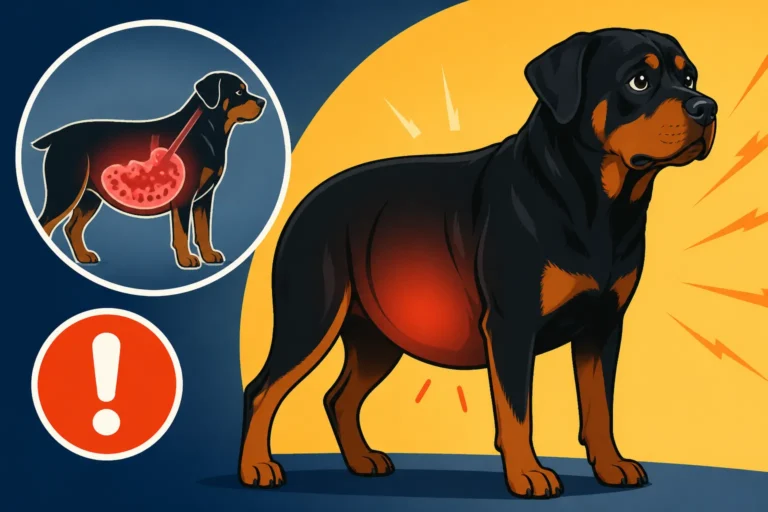
To truly grasp the danger, it helps to understand what's actually happening inside your Rottweiler's body during a bloat episode. First, the stomach fills rapidly with gas, fluid, or food – this is the "dilatation" part. Imagine a balloon inflating quickly inside your dog. This alone is painful and causes pressure on other organs. But the real catastrophe, and what makes GDV so deadly, is the "volvulus," where the distended stomach then twists on its axis. Think of a heavy sack, full to bursting, rotating unexpectedly.
When the stomach twists, it effectively seals off both the entrance (from the esophagus) and the exit (to the small intestine). This traps all the gas and fluid inside, which continues to build up pressure. Even worse, the twisting cuts off blood supply to the stomach wall itself, causing tissue to die rapidly. It also severely impacts blood flow back to the heart, leading to shock and systemic organ failure. This isn't just discomfort; it's a full-blown physiological cascade heading towards collapse, and it can unfold with terrifying speed. Without immediate intervention, the outcome is almost always fatal, emphasizing why understanding what's happening and how quickly it progresses is so vital.
The Urgency of Recognizing Symptoms
Given the rapid and devastating progression of GDV, early recognition of symptoms isn't just helpful; it's absolutely critical. We're talking about a condition where minutes can genuinely mean the difference between life and death for your beloved Rottweiler. The window of opportunity to successfully treat bloat is incredibly narrow, often just a few hours from the onset of symptoms. Many owners describe the suddenness, the way their dog can seem perfectly fine one moment and then start showing subtle, confusing signs the next.
Rottweilers, being stoic by nature, might not always make their discomfort obvious until they're already in significant distress. This makes it even harder for us, their guardians, to catch it in those crucial early stages. Initial signs can be vague, like restlessness, pacing, or an inability to settle. You might see attempts to vomit without anything coming up – a classic, alarming sign that every large breed owner should commit to memory, as detailed in articles like A Rottweiler Retching Without Bringing Anything Up. As the condition progresses, abdominal distention might become visible, the dog's breathing may become labored, and they will likely show signs of extreme pain. Waiting even a few hours to see if your Rottweiler "feels better" could be a tragic mistake. If you suspect bloat, you need to be on your way to an emergency vet right then, no questions asked, because the clock is already ticking.
Inherent Breed Risk Factors for Bloat
When we talk about which Rottweilers are most likely to bloat, we first have to acknowledge the breed itself. Rottweilers, like many large and giant breeds, carry a higher inherent risk for GDV due to specific physical characteristics and genetic predispositions that are simply part of their makeup. It's not about what you've done wrong; it's about understanding the cards they've been dealt, and how we can best stack the deck in their favor.
Deep Chest Conformation
One of the most significant, and unavoidable, risk factors for bloat in Rottweilers is their distinct body type: a deep chest combined with a relatively narrow waist. If you look at a Rottweiler from the side, you'll notice their chest cavity extends quite far down, creating a cavernous space. This "deep-chested" conformation is a hallmark of the breed, giving them that powerful, imposing silhouette we admire. However, this same impressive chest structure unfortunately provides ample room for the stomach to distend with gas and, crucially, to twist upon itself.
Imagine trying to spin a balloon in a small, tight cupboard versus a large, open one. The large, deep chest offers less "containment" for the stomach, allowing it more freedom of movement than in breeds with shallower, wider chests. This isn't something you can change through diet or exercise; it's simply how a Rottweiler is built. Because this anatomical feature is inherent to the breed, it means all Rottweilers carry some degree of risk, making awareness of other contributing factors even more important for their well-being.
Genetic Predisposition and Family History
Beyond the general breed conformation, individual Rottweilers can have an even higher risk if bloat runs in their family line. Just like certain health conditions can be hereditary in humans, a genetic predisposition for GDV has been observed in dogs. If a Rottweiler's parents, grandparents, or littermates have experienced bloat, especially if it was GDV, that individual dog's chances of suffering the same fate significantly increase. This factor underscores the importance of choosing a responsible breeder who is transparent about their dogs' health histories.
A good breeder should be willing to discuss any instances of bloat in their breeding lines. While bloat can strike any dog, knowing there's a family history means you need to be even more vigilant and perhaps consider preventive measures, such as a prophylactic gastropexy. This surgery, which tacks the stomach to the abdominal wall, can dramatically reduce the likelihood of the stomach twisting, though it doesn't prevent bloat (gas accumulation) itself. Understanding these genetic ties can feel overwhelming, but it's a critical piece of the puzzle for proactive care. It’s also important to remember that emergency care for bloat can be incredibly expensive, potentially running into thousands of dollars. Having robust pet insurance, like a plan from Healthy Paws, can provide immense peace of mind in such a dire situation, ensuring you can focus on your dog's recovery without the added financial stress.
Age and Sex The Shifting Risk Profile
While breed characteristics set a baseline risk, individual factors like a Rottweiler's age and sex also play a significant role in determining their susceptibility to bloat. It's not a static risk; it evolves throughout their lives, often increasing as they mature. Understanding these demographic shifts can help you remain vigilant at different stages of your Rottweiler's journey.
Older Rottweilers Face Higher Odds
It's a tough reality that as our beloved Rottweilers age, their risk of experiencing bloat generally increases. While bloat can technically occur at any age, it is far more prevalent in middle-aged to senior dogs, typically those over the age of seven. This increased risk in older dogs is likely due to a combination of factors. Over time, the ligaments that normally help hold the stomach in place can stretch and weaken, making it easier for the stomach to shift and twist when distended.
Additionally, older dogs might have other underlying health issues or a generally less robust physiological system, making them more vulnerable to severe conditions. Their digestive systems might also not be as efficient, potentially leading to more gas accumulation. This means that if you have a Senior Rottweiler Care After the Age of Seven, you need to be especially mindful of bloat symptoms and preventive feeding practices, as the stakes are even higher for these cherished companions. The combination of age-related weakening and a lifetime of potential stress on the digestive system can make senior Rottweilers tragically more susceptible.
The Role of Spaying and Neutering
The impact of spaying and neutering on bloat risk is a complex and often debated topic among veterinary professionals and dog owners alike. Some studies have indicated a slightly higher risk of GDV in spayed females and neutered males compared to intact dogs, particularly when the surgery is performed at a younger age. The exact reasons for this potential link are not fully understood, but theories include hormonal influences on ligament laxity, changes in body conformation, or altered digestive motility post-surgery.
It's important to stress that this is typically a small increase in risk, and the numerous health and behavioral benefits of spaying and neutering, such as preventing certain cancers and unwanted pregnancies, often outweigh this particular concern for many owners. However, if your Rottweiler is already in a high-risk category due to breed, age, or family history, discussing the timing of spay/neuter with your vet, and perhaps considering a prophylactic gastropexy at the same time, could be a prudent decision. This is especially relevant if you're looking into Gastropexy Done During a Rottweiler Spay or Neuter, as it's a common preventative measure bundled with these routine surgeries. Ultimately, the decision should be made in consultation with your veterinarian, weighing all individual risk factors for your specific dog.
Lifestyle and Environmental Triggers
Beyond the inherent physical and genetic factors, a Rottweiler's daily life and environment can significantly influence their risk of bloat. Many of these triggers are within our control, offering powerful avenues for prevention. Paying close attention to how, when, and what your Rottweiler eats, as well as managing their stress levels and activity, can make a real difference in reducing their vulnerability to this silent threat.
Eating Habits and Speed
How your Rottweiler eats can be a major factor in their bloat risk. Dogs who gobble down their food at lightning speed are essentially vacuuming up large amounts of air along with their kibble. This rapid air ingestion contributes directly to the gas accumulation that causes the initial gastric dilatation. Think of it like drinking a soda too fast – you end up feeling bloated and gassy because of all the air you've swallowed. For a deep-chested dog like a Rottweiler, this can be particularly dangerous.
Another related concern is feeding one massive meal a day. When a large volume of food enters the stomach all at once, it puts more strain on the system and increases the chance of the stomach becoming overly full and distended. This is why many experts, and fellow Rottweiler owners, advocate for splitting your dog's daily ration into two or even three smaller meals. Using slow-feeder bowls, puzzle feeders, or even simply scattering kibble on a clean floor can force a fast eater to slow down, significantly reducing the amount of air they gulp with each bite. These simple changes to Feeding Rules That Lower Rottweiler Bloat Risk are among the most effective preventive measures you can take.
Stress, Anxiety, and Temperament
While often overlooked, a Rottweiler's psychological state can also contribute to their bloat risk. Dogs experiencing high levels of stress, anxiety, or fear may be more prone to GDV. The "gut-brain axis" in dogs is a powerful connection, and stress can impact digestive motility, leading to changes in how gas is produced and moved through the system. A dog that is chronically anxious, or even acutely stressed by a particular event (like a thunderstorm, a vet visit, or separation from their owner), might be at a higher risk during those periods.
Rottweilers, despite their tough exterior, can be sensitive dogs who form deep bonds with their families. Separation anxiety, changes in routine, new environments, or loud, startling noises can all induce stress. Even a particularly excitable or nervous temperament, especially if combined with fast eating, can heighten risk. Creating a calm, predictable environment, providing adequate mental stimulation, and addressing any underlying anxiety issues through positive training and, if necessary, veterinary guidance, are all important components of reducing overall bloat risk. Remember, a happy, relaxed dog is often a healthier dog, and this holistic approach is vital for breed-specific issues like bloat.
Exercise Before or After Meals
This is a critical rule that every Rottweiler owner should engrain into their daily routine: avoid vigorous exercise immediately before or after meals. Imagine a heavy, fluid-filled sack being swung around vigorously – that's essentially what happens to your Rottweiler's stomach if they run, jump, or play intensely on a full or recently emptied stomach. The weight of the food and the sudden movements can cause the stomach to rotate or flip, leading to volvulus.
The general recommendation is to allow at least one hour of rest before a meal and at least one to two hours of quiet time after a meal. This gives the stomach a chance to settle, begin digestion, and allows any swallowed air to pass naturally. This means no intense games of fetch right after breakfast, and no long runs right before dinner. A gentle walk on a leash is usually fine, but anything that involves high-impact activity, twisting, or jumping should be strictly avoided during these sensitive periods. Many articles, including How Long to Wait After a Rottweiler Meal Before Exercise, delve into the specifics of this crucial timing. Adhering to this simple guideline is a powerful, proactive step you can take to protect your Rottweiler from the devastating effects of bloat.
Summary of Rottweiler Bloat Risk Factors
To help consolidate all this information, here's a quick look at the key risk factors that make certain Rottweilers more susceptible to bloat. Understanding these can help you better assess your own dog's individual risk profile and take appropriate preventive measures.
| Risk Factor | Description | Impact on Rottweilers | Mitigation Strategies |
|---|---|---|---|
| Deep Chest | Long, narrow, deep chest conformation. | More space for the stomach to twist; an inherent physical trait. | None directly for conformation, focus on other factors. |
| Age | Older dogs, typically 7+ years. | Ligaments may weaken, cumulative risk over time. | Vigilance, understanding senior dog needs. |
| Family History | Parents or close relatives with a history of bloat. | Genetic predisposition. | Inquire with breeders; consider preventive gastropexy. |
| Fast Eating | Gulping food quickly, ingesting air. | Increases stomach gas and potential for twisting. | Slow feeder bowls, smaller, more frequent meals. |
| Stress/Anxiety | High-stress levels, anxious temperament. | Can impact gut motility and gas production. | Calm environment, consistent routine, training for confidence. |
| Post-Meal Exercise | Vigorous activity shortly after eating. | Heavy, gas-filled stomach more prone to swinging and twisting. | Rest period (1-2 hours) before and after meals. |
| Single Large Meal | Consuming the entire daily ration in one sitting. | Places more strain on the stomach; higher volume of food/gas. | Split daily food into 2-3 smaller meals. |
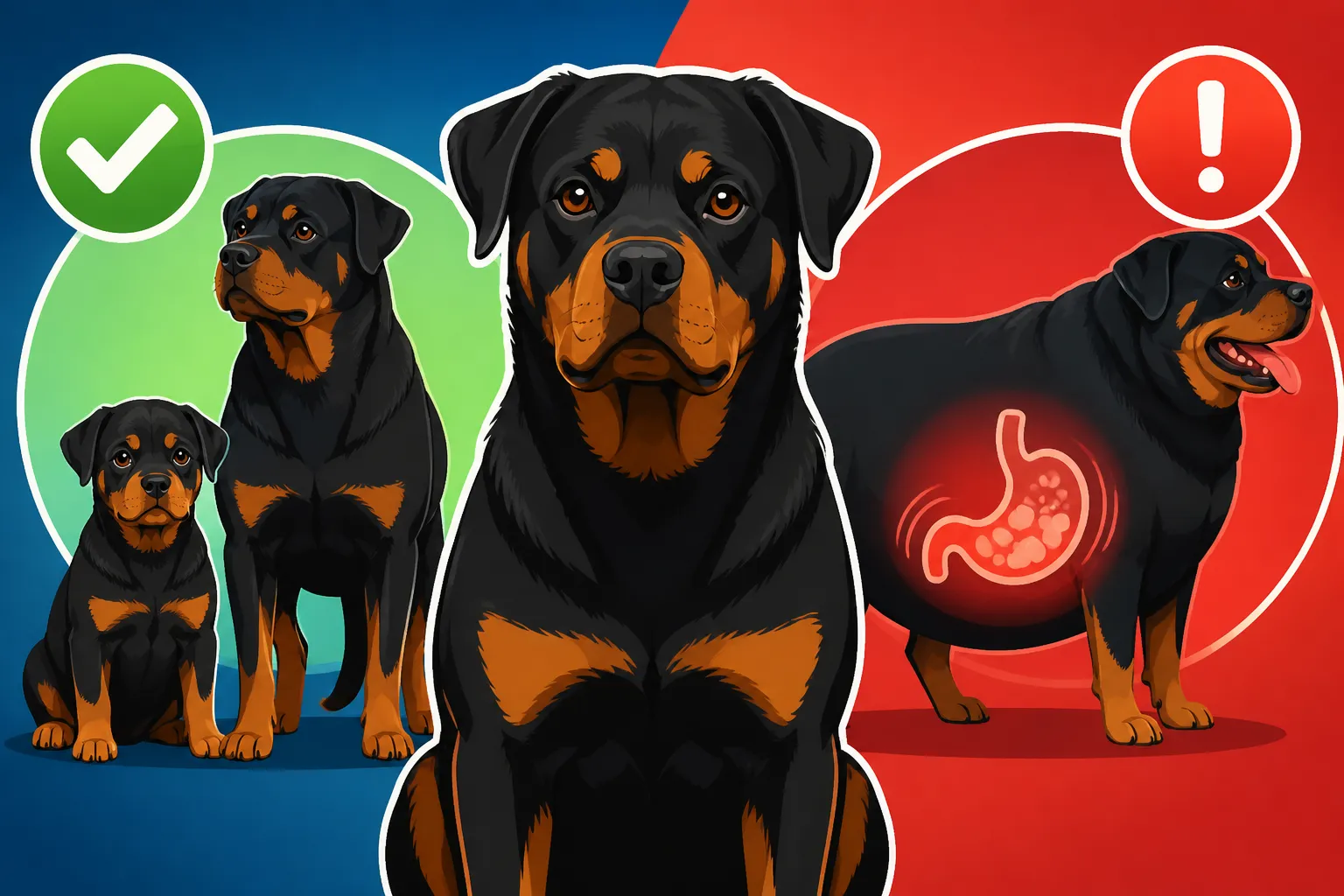
This table provides a concise overview, but remember that multiple factors often work in combination to increase risk. For instance, an older, deep-chested Rottweiler who eats quickly and is prone to anxiety would be considered extremely high risk. Being aware of these elements allows you to be a more informed and proactive guardian for your cherished Rottweiler.
Taking Proactive Steps Against Bloat
Understanding the risk factors for bloat is the first step, but what truly matters is translating that knowledge into actionable steps to protect your Rottweiler. The fear of bloat, or Bloat in a Rottweiler and the Hours That Matter, is constant for many of us, but by being proactive, we can significantly reduce the chances of our dogs ever experiencing this terrifying ordeal.
One of the most impactful decisions you can make is regarding feeding practices. As we discussed, switching from a single large meal to Splitting a Rottweiler's Ration Across the Day into two or three smaller meals dramatically lessens the burden on their stomach. Coupled with this, using a slow feeder bowl or a puzzle feeder can prevent rapid eating and excessive air intake. Also, strictly enforcing a rest period of at least one hour before meals and one to two hours after meals, without any strenuous activity, is non-negotiable.
Another crucial consideration, especially for high-risk Rottweilers, is a prophylactic gastropexy. This surgical procedure, which permanently tacks the stomach to the abdominal wall, won't prevent the stomach from bloating with gas, but it will prevent it from twisting, which is the life-threatening component of GDV. Many owners choose to have this done during a routine spay or neuter, or if their dog is already undergoing another abdominal surgery. It's a discussion worth having with your vet, especially if your Rottweiler falls into multiple high-risk categories or has a strong family history of bloat. Knowing Whether Preventive Gastropexy Is Worth It for your specific situation can provide invaluable peace of mind.
Finally, while we hope it never happens, being prepared for the worst is part of responsible Rottweiler ownership. Know the Emergency Signs That Send a Rottweiler In – restlessness, drooling, pacing, retching without vomit, and abdominal distension. Locate your nearest 24-hour emergency veterinary clinic before you ever need it. The financial implications of an emergency surgery for bloat can be staggering, often running into several thousands of dollars. Having pet insurance, such as a comprehensive policy from Healthy Paws, can be a true lifesaver, allowing you to focus on your Rottweiler's care without the added burden of overwhelming vet bills. Even with all the preventative measures, sometimes bloat still strikes, and knowing you're financially prepared for the Emergency Vet Bills a Rottweiler Owner Should Expect can make all the difference in an already terrifying situation.
Disclaimer
This article is for general informational purposes only and does not constitute professional advice. Laws, prices and regulations vary by location and change over time. Consult a qualified professional for guidance on your specific situation.