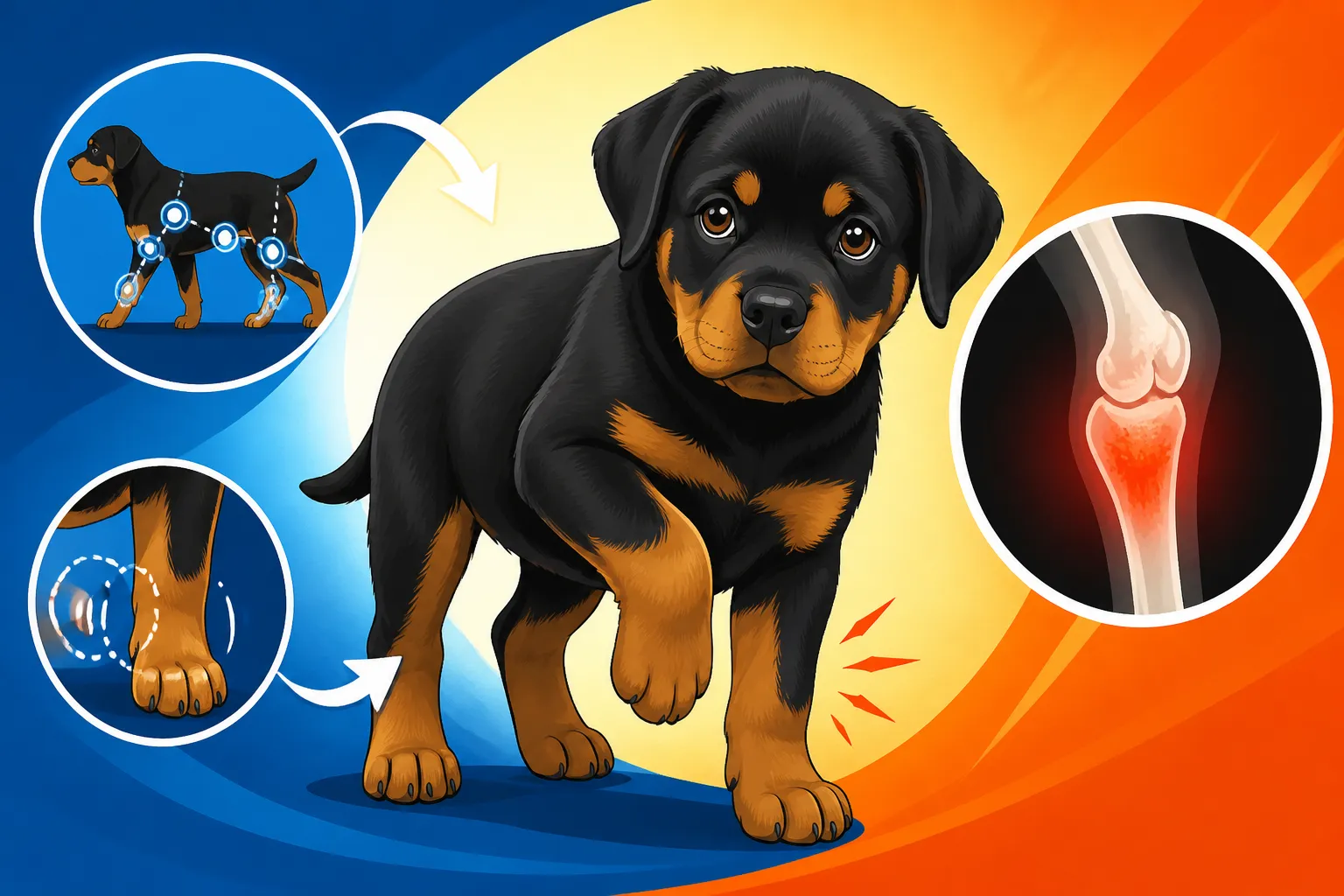
Shifting Lameness and Panosteitis in a Rottweiler Puppy
It’s truly unsettling to watch your big, beautiful Rottweiler puppy, full of life and boundless energy, suddenly start limping. One day it’s a front leg, the next it’s a back leg, or maybe it just seems generally sore and reluctant to play. This "shifting lameness" can be incredibly confusing and worrying for any owner, especially when your pup seems fine otherwise. This guide aims to demystify panosteitis, a common but often misunderstood condition in growing Rottweilers, helping you understand its signs, diagnosis, and how to best support your puppy through it.
Understanding Panosteitis in Rottweiler Puppies
Seeing your Rottweiler puppy suddenly develop a limp can send a jolt of fear through any dog owner. Is it a broken bone? Did they tear something? For rapidly growing large breeds like our beloved Rottweilers, however, a surprisingly common culprit behind those puzzling limps is a condition called panosteitis. It’s often referred to as "growing pains," and while it sounds benign, it can certainly be painful for your pup.
What Exactly is Panosteitis?
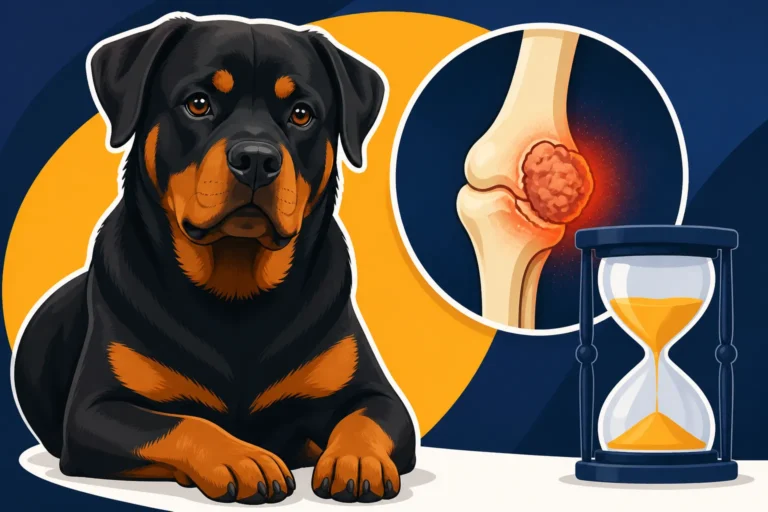
Panosteitis is essentially an inflammation of the long bones in a puppy’s legs. These are the bones like the humerus in the front leg or the femur in the back leg. When it flares up, the innermost part of the bone, called the medullary cavity, and the outer covering of the bone, known as the periosteum, become inflamed. Think of it like a painful ache deep within the bone itself. It's not a structural defect or a joint issue in the traditional sense, but rather a temporary, self-limiting condition of the bone shaft.
The key to understanding why this happens is to remember just how incredibly fast Rottweiler puppies grow. They go from tiny, chunky little bundles to substantial dogs weighing 80-135 pounds in a relatively short period. This rapid growth spurt means their bones are undergoing immense changes, and sometimes, this process can lead to these inflammatory episodes. It's not fully understood why some puppies get it and others don't, but genetics and the sheer speed of growth are often implicated.
It's absolutely normal to feel distressed when your puppy is in pain, and panosteitis, despite being temporary, can cause significant discomfort. The good news is that it’s almost always a transient issue, meaning your puppy will eventually grow out of it, usually by the time they reach their full adult size. However, knowing what you’re dealing with and how to manage it can make a world of difference for both you and your furry companion.
The Classic Signs of Shifting Lameness
The hallmark sign of panosteitis is what veterinarians call "shifting lameness." This means your puppy might be limping on one leg for a few days, then seemingly recover, only to start limping on a different leg a few days later. It can be incredibly perplexing because you might think they've just recovered from one injury, only for another to pop up. This migratory nature is very characteristic of panosteitis and helps differentiate it from a single, isolated injury.
Beyond the shifting limp, you might also notice other symptoms. Your puppy might show generalized pain or tenderness when you touch their affected long bones. They might be reluctant to play, jump, or even get up and move around as much as usual. Some puppies might even develop a low-grade fever, become lethargic, or experience a temporary loss of appetite during a particularly painful flare-up. You know your puppy best, and any deviation from their normal boisterous behavior should prompt a closer look.
It's important to remember that this lameness can range from subtle to quite severe, and the intensity can vary with each episode. One day, it might just be a slight favoring of a leg; the next, they might be carrying it completely. Observing these patterns, and even keeping a journal of when and where the limping occurs, can be incredibly helpful information to share with your veterinarian when you seek a diagnosis.
Why Rottweilers Are Prone to This Condition
Rottweilers, like many other large and giant breed dogs, are predisposed to panosteitis primarily because of their growth rate. Their skeletal system undergoes massive development in a short timeframe, and this rapid cell division and bone formation can sometimes outpace the body's ability to keep up without inflammation. The condition is most commonly seen in puppies between 5 and 18 months of age, which is right in the sweet spot of rapid growth for a Rottweiler.
While the exact cause isn't fully understood, factors such as genetics, nutrition, and even environmental stressors are thought to play a role. Some lines of Rottweilers might be more prone to it, suggesting a genetic component. Overfeeding, especially with diets that are too high in calories or calcium, has also been implicated in exacerbating rapid growth and potentially contributing to developmental bone diseases, including panosteitis. This is why proper nutrition is so critical for these growing giants.
It's also worth noting that the Rottweiler Growth Plates and Why They Close So Late mean their bones are still developing and more vulnerable for a longer period than smaller breeds. These growth plates are the soft, cartilaginous areas at the ends of long bones where growth occurs. While panosteitis affects the shaft of the bone, the overall rapid development and immaturity of the skeletal system during this period make them susceptible. Managing your puppy’s exercise and diet during this critical phase is paramount.
Diagnosing Panosteitis and Ruling Out Other Issues
When your Rottweiler puppy starts limping, your mind immediately jumps to the worst-case scenario. It’s natural to worry about broken bones, torn ligaments, or even something more serious. This is why a proper veterinary diagnosis is crucial. While panosteitis is common, your vet will need to rule out other potential causes for lameness to ensure your puppy gets the correct treatment.
Your Vet Visit: What to Expect
When you bring your limping Rottweiler puppy to the vet, they'll start with a thorough physical examination. This typically involves observing your puppy's gait, feeling all the long bones in their legs, and gently manipulating their joints. The vet will be looking for signs of pain, swelling, or heat in the limbs. With panosteitis, your puppy might vocalize or pull away when the vet palpates the shaft of the long bones, even if the joints themselves feel fine.
Expect to provide a detailed history of your puppy's lameness. Be prepared to answer questions like: When did the limping start? Which leg was it? Has it shifted to other legs? How long does each episode last? Does it seem worse after exercise or after resting? Any information you can give, especially if you've been tracking the episodes, will help your vet piece together the puzzle. This history is often the first strong indicator pointing towards panosteitis, especially the "shifting" aspect.
It's also a good idea to discuss your puppy's diet, exercise routine, and any recent changes. Your vet will want to know if they've had any falls or traumatic incidents, or if they've been playing particularly rough with other dogs. This holistic approach helps rule out external injuries and provides context for their growth and development.
The Role of X-Rays in Diagnosis
X-rays are usually the definitive diagnostic tool for panosteitis. While physical examination and history can strongly suggest the condition, X-rays allow the vet to visualize the bones and confirm the diagnosis while simultaneously ruling out other serious issues. On an X-ray, panosteitis often appears as patchy, cloud-like densities within the medullary cavity (the center of the bone) or a thickening of the periosteum (the outer layer of the bone).
Sometimes, early stages of panosteitis might not show up clearly on X-rays, or the changes might be subtle. In such cases, your vet might recommend waiting a week or two and then taking repeat X-rays if the lameness persists or worsens. This allows time for the bony changes to become more evident, making the diagnosis clearer. The good news is that X-rays for panosteitis are usually quite straightforward and non-invasive.
It's important that the vet takes X-rays of all affected limbs, and sometimes even the unaffected ones, to get a complete picture. This helps differentiate panosteitis from other conditions that might cause lameness, such as growth plate fractures, osteochondritis dissecans (OCD) in joints like the shoulder – an example being Osteochondritis Dissecans in a Rottweiler Shoulder – or even early signs of Rottweiler Hip Dysplasia Symptoms Before Age Two. X-rays give invaluable insight into the skeletal health of your rapidly developing Rottweiler.
Differentiating from More Serious Conditions
One of the most crucial aspects of diagnosing panosteitis is making sure it's not something more severe. While panosteitis is temporary and resolves with time, other causes of lameness can have long-term implications or require immediate intervention. For example, a fracture, even a hairline one, would show up on an X-ray and require a different course of treatment, such as immobilization.
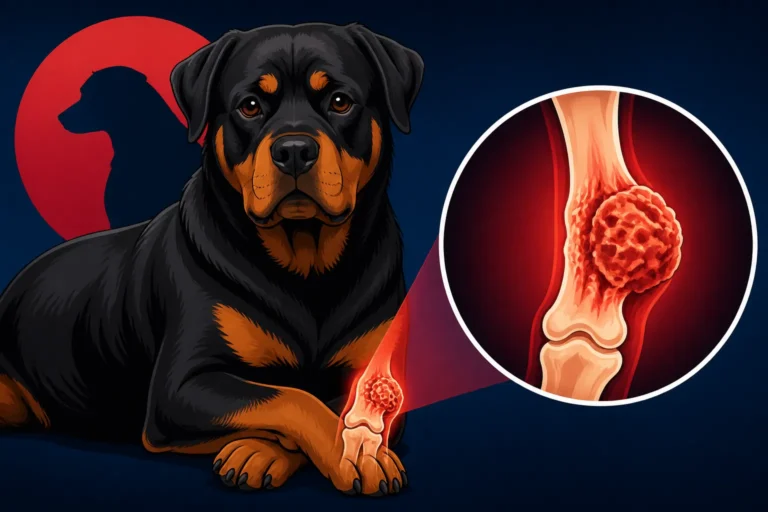
Infections of the bone (osteomyelitis) are rare but serious and would also present with lameness, pain, and potentially fever. Your vet would consider blood tests or further imaging if an infection were suspected. Early signs of joint diseases, like hip or elbow dysplasia, can also cause lameness in young Rottweilers. These conditions are structural and chronic, requiring different management strategies than panosteitis. In some very rare and tragic cases, a persistent limp could even be a warning sign for more aggressive conditions, like The First Limp That Turns Out to Be Bone Cancer, though this is far less common in young puppies than panosteitis.
This is why your veterinarian's expertise is so vital. They have the knowledge to interpret the clinical signs, conduct the necessary tests, and rule out these more concerning possibilities. Getting a clear diagnosis of panosteitis can be a huge relief, even if it means your puppy is experiencing discomfort for a while. It means you're dealing with a temporary issue rather than a lifelong battle.
Managing Panosteitis and Supporting Your Growing Rottweiler
Once your vet has confirmed a diagnosis of panosteitis, the focus shifts to managing your puppy's pain and providing supportive care until they outgrow the condition. There’s no magic cure, but thoughtful management can make a significant difference in your Rottweiler's comfort and recovery.
Pain Management and Anti-Inflammatories
The primary goal of managing panosteitis is pain relief. Your veterinarian will almost certainly prescribe Non-Steroidal Anti-Inflammatory Drugs (NSAIDs), such as carprofen (Rimadyl), meloxicam (Metacam), or firocoxib (Previcox). These medications work by reducing inflammation and alleviating pain, helping your puppy feel much more comfortable. It's incredibly important to use only vet-prescribed NSAIDs and to follow the dosing instructions precisely. Never give human pain relievers to your dog, as they can be toxic and lead to serious health complications.
The duration of NSAID treatment will depend on the severity and frequency of your puppy's flare-ups. Some puppies might only need medication during acute episodes, while others might require a longer course. Your vet will guide you on the best protocol. Remember, even if your puppy seems better after a few doses, stopping the medication too soon might lead to a relapse of pain. Consistent pain management is key to allowing your puppy to rest and recover.
In some cases, if NSAIDs aren't sufficient or if your puppy has particularly severe pain, your vet might consider additional pain medications, such as gabapentin, which can help with nerve pain and general discomfort. The goal is to keep your Rottweiler as comfortable as possible during these "growing pains," allowing them to continue their normal puppy activities without excessive suffering.
Rest, Controlled Exercise, and Environmental Support
During a panosteitis flare-up, rest is incredibly important. This doesn't mean absolute kennel rest, but rather controlled activity. Avoid strenuous exercise, long walks, or any activities that involve jumping, rough play, or quick turns. Think short, leashed potty breaks and gentle playtime in a soft, controlled environment. Pushing a puppy through pain can worsen the inflammation and prolong recovery.
As the pain subsides and your puppy starts to feel better, you can gradually reintroduce more activity. However, moderation is still key. Remember that A Growing Rottweiler's Joints and Overexercise can lead to various orthopedic issues, and while panosteitis is a bone issue, excessive stress on the developing skeletal system is never ideal. Focus on low-impact activities like gentle leash walks on soft surfaces rather than hard pavement or dog parks.
Providing a comfortable, supportive environment at home can also help. Make sure your puppy has soft, orthopedic bedding that cushions their joints and bones when they lie down. Avoid hard floors where they might slip, or use rugs and runners to provide better traction. If your puppy has access to stairs, consider limiting their use during flare-ups, as the impact can aggravate their discomfort.
Nutritional Support and Weight Management
Nutrition plays a crucial role in the healthy development of any large breed puppy, and it can certainly influence panosteitis. Overfeeding a rapidly growing Rottweiler puppy can cause them to grow too quickly, putting undue stress on their developing bones and potentially exacerbating conditions like panosteitis. It's vital to feed a high-quality large breed puppy food that is formulated for slow and steady growth, rather than rapid weight gain.
Pay close attention to the calcium and phosphorus content in your puppy's food. Excess calcium, or calcium supplementation, can be detrimental to a large breed puppy's bone development and can contribute to orthopedic problems. As mentioned in Rottweiler Calcium Limits and Why Supplements Hurt, supplemental calcium should be strictly avoided unless specifically instructed by your vet for a diagnosed deficiency. Most commercial large breed puppy foods are properly balanced, so stick to those and avoid adding anything extra.
Maintaining a lean body condition for your Rottweiler puppy is also paramount. You should be able to easily feel their ribs without seeing them, and they should have a discernible waist when viewed from above. An overweight puppy puts extra strain on every bone and joint, increasing the risk and severity of orthopedic issues. Regularly assess your puppy's body condition score with your vet and adjust their food intake accordingly, aiming for slow, steady growth rather than a chubby puppy.
Long-Term Outlook and Prevention Strategies
The good news about panosteitis is that it is typically a self-limiting condition, meaning your Rottweiler puppy will eventually outgrow it. However, being proactive about their overall bone health and development can help minimize the severity and frequency of episodes.
The Self-Limiting Nature of Panosteitis
One of the most reassuring aspects of a panosteitis diagnosis is that it's a condition your puppy will usually recover from completely. Most Rottweilers will outgrow panosteitis by the time their skeletal system matures, which is typically between 18 and 24 months of age. While episodes can be painful and concerning, they rarely lead to long-term lameness or permanent damage to the bones or joints.
The frequency and severity of episodes can vary greatly from puppy to puppy. Some might have only one or two mild flare-ups, while others might experience recurrent pain that shifts between multiple legs over several months. As your puppy gets closer to skeletal maturity, the episodes typically become less frequent and less intense, eventually disappearing altogether. It’s a temporary hurdle in their journey to becoming a strong, healthy adult.
Knowing that this is a temporary condition can help alleviate a lot of the stress and worry associated with the shifting lameness. It allows you to focus on providing comfort and support, rather than fearing a chronic debilitating illness. This knowledge is empowering for any Rottweiler owner dealing with their pup's growing pains.
Proactive Steps for Future Bone Health
While you can't entirely prevent panosteitis, you can take steps to support your Rottweiler's overall bone and joint health, potentially minimizing the impact of growth-related issues. The foundation starts even before you bring your puppy home: choosing a reputable breeder who prioritizes health clearances and understands the genetics of their lines. While panosteitis isn't a "clearance" condition, a breeder focused on overall skeletal health is always a better bet.
Once your puppy is home, proper nutrition is key. As discussed in Feeding a Rottweiler Puppy That Grows for Two Years, ensuring they receive a high-quality, large-breed specific puppy food that promotes slow, steady growth is critical. Avoid overfeeding, as excessive weight can exacerbate orthopedic problems. Monitoring your puppy's body condition regularly with your vet is a great practice.
Appropriate, controlled exercise is equally important. While you want your Rottweiler to be active, avoid high-impact activities like excessive jumping, long runs on hard surfaces, or strenuous agility work before their growth plates have fully closed. Gentle walks, controlled play, and even swimming are excellent low-impact options. Remember, the Rottweiler Growth Plates Closing at Eighteen to Twenty-Four Months means their skeletal system is vulnerable for a long time. Consider incorporating joint supplements early, as advised in Joint Supplements Started Early in a Rottweiler, as these can support overall joint health, even if they don't directly prevent panosteitis.
In terms of financial preparedness, having pet insurance can be a huge relief if your puppy experiences multiple vet visits and medication needs due to conditions like panosteitis, or other unexpected health issues. While panosteitis is generally straightforward, the costs of diagnostics and medications can add up. Reputable insurers like Healthy Paws can help cover these unexpected expenses, ensuring you can always provide the best care without financial stress.
When to Be Concerned Again
Even though panosteitis is self-limiting, it's always wise to remain vigilant. If your Rottweiler puppy develops new lameness, or if the existing lameness worsens despite pain medication, it's time for another vet visit. While recurrence of panosteitis is common, it's crucial to ensure that the lameness isn't due to a different, underlying issue that might have developed.
Pay close attention to any changes in your puppy's behavior beyond just the limp. Is there new swelling? Are they running a high fever? Are they refusing to eat or drink? Any acute, severe lameness that comes on suddenly and doesn't improve with rest should always be checked out promptly. While panosteitis is usually manageable, these other signs could indicate something more serious requiring immediate veterinary attention.
Ultimately, your veterinarian is your best partner in navigating your Rottweiler puppy's growth and development. Open communication, diligent observation, and regular check-ups will ensure that any issues, be they panosteitis or something else, are addressed quickly and effectively, allowing your beloved Rottweiler to grow into a strong, happy, and pain-free adult.
| Symptom Feature | Panosteitis (Growing Pains) | Other Common Causes of Lameness (e.g., injury, dysplasia) |
|---|---|---|
| Onset Age | Typically 5-18 months (rapid growth phase) | Can occur at any age, but some developmental issues also in young dogs |
| Location of Pain | Often "shifts" from one long bone/leg to another | Usually localized to one specific joint, bone, or soft tissue injury |
| Duration of Limp | Episodes last days to weeks, then resolve and may reappear elsewhere | Persistent in one location until healed or treated |
| Tenderness | Along the shaft of the long bones | Primarily localized to a specific joint (hip, elbow, knee) or muscle |
| Swelling/Heat | Generally minimal or absent | May have noticeable swelling, heat, or deformity at injury site |
| Fever | Occasional low-grade fever | Possible with severe infection or inflammation |
| X-Ray Findings | Patchy densities in bone marrow, thickening of bone surface | Fracture lines, joint space changes, bone spurs, soft tissue swelling |
| Prognosis | Self-limiting; usually resolves completely by maturity | Varies widely depending on cause; may require surgery or lifelong management |
Disclaimer
The information provided in this article is for educational purposes only and is not intended to be a substitute for professional veterinary advice, diagnosis, or treatment. Always seek the advice of your veterinarian or other qualified health provider with any questions you may have regarding a medical condition. Never disregard professional veterinary advice or delay in seeking it because of something you have read in this article.