Splitting a Rottweiler’s Ration Across the Day
As a Rottweiler owner, you know these magnificent dogs come with big appetites and even bigger needs. One of the most critical aspects of their care, and one that often gets overlooked in its nuance, is how you distribute their daily food intake. It's not just about what you feed them, but how and when. Many folks simply dump a massive meal into a bowl once a day, thinking they're doing right, but this can actually set your Rottweiler up for a host of problems, from life-threatening bloat to digestive upset and uneven energy levels. This guide is all about diving deep into why splitting your Rottweiler's daily ration across several meals is not just a good idea, but an essential part of responsible ownership, and how to do it effectively to support their overall health and well-being.
Why Meal Splitting Matters for Your Rottweiler
When you have a dog as large and deep-chested as a Rottweiler, their digestive system isn't just a mini-version of a small dog's; it has unique vulnerabilities and requirements. Dumping a huge amount of food into their stomach at once can overwhelm it, leading to discomfort, inefficient digestion, and a heightened risk for a truly terrifying condition. Thinking about their meals as smaller, more manageable portions spaced throughout the day can make a world of difference.
The Threat of Bloat and Gut Health
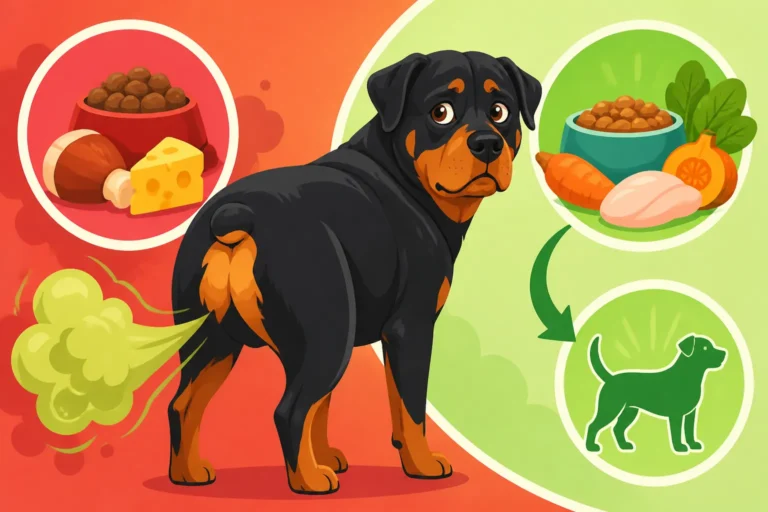
One of the most immediate and terrifying reasons to split your Rottweiler's meals is the risk of Gastric Dilatation-Volvulus (GDV), more commonly known as bloat. This isn't just an upset stomach; it's a condition where the stomach fills with gas and can then twist upon itself, cutting off blood supply and trapping the gas. It's an emergency that often requires immediate surgery and can be fatal very quickly. Rottweilers, with their deep chests, are statistically much more prone to bloat than many other breeds. When a large volume of food is consumed rapidly, it increases the chances of gulping air, expanding the stomach, and subsequently, the risk of it twisting. Splitting meals into smaller portions helps mitigate this by reducing the sheer volume of material entering the stomach at any one time.
Beyond the critical concern of bloat, regular, smaller meals also promote better overall gut health. A consistent, manageable flow of food allows the digestive enzymes to work more efficiently, breaking down nutrients and supporting a healthy gut microbiome. Imagine trying to digest a Thanksgiving feast all at once versus having smaller, well-balanced meals throughout the day. Your Rottweiler's stomach and intestines much prefer the latter. It reduces the likelihood of indigestion, gas, and discomfort that can arise from an overloaded system. If you're ever worried about the signs, our post on Recognizing Bloat in a Rottweiler goes into detail about what to look for.
Managing Blood Sugar and Energy Levels
Just like humans, dogs experience fluctuations in blood sugar after eating. A huge meal can lead to a spike in blood glucose, followed by a crash. For an active dog like a Rottweiler, especially puppies or those with working roles, these energy swings aren't ideal. They can result in periods of lethargy or, conversely, bursts of hyperactivity followed by exhaustion. Spreading out meals helps to stabilize blood sugar levels throughout the day, providing a more consistent and sustained release of energy. This is particularly beneficial for puppies who are growing rapidly and need a steady supply of fuel for their development, or for adult Rottweilers who are engaged in regular training or exercise.
Consistent energy levels contribute to a more stable temperament and better focus during training sessions. You'll likely notice your Rottweiler is less "hangry" or overly excited around meal times, as they know food is coming at regular intervals. This predictability can reduce anxiety and even help with Rottweiler Resource Guarding at Home, as the perceived scarcity of food is lessened. It fosters a sense of security around their feeding schedule, making for a happier, more balanced dog.
Supporting Optimal Nutrient Absorption
A dog's digestive system needs time to properly break down food and absorb all the vital nutrients within it. When a Rottweiler wolfs down a massive meal, especially if they are a fast eater, food can pass through the digestive tract relatively quickly, sometimes before all the nutrients have been fully extracted. This means that even if you're feeding a high-quality food, your dog might not be getting the full benefit of every single calorie and vitamin.
By dividing the daily ration into two or more meals, you give your Rottweiler's system a better chance to process everything thoroughly. Each smaller portion can be more efficiently digested, allowing for maximum absorption of proteins, fats, carbohydrates, vitamins, and minerals. This is crucial for a breed prone to joint issues, for example, as proper nutrient uptake directly impacts bone and cartilage health. It ensures that the investment you make in quality food translates into tangible health benefits for your beloved companion.
How Many Meals Should Your Rottweiler Get?
The ideal number of meals for your Rottweiler isn't a one-size-fits-all answer. It largely depends on their age, activity level, and overall health status. What works for a bustling 10-week-old puppy is vastly different from a serene, seasoned adult or a senior with a slower metabolism. Adjusting the feeding schedule as your Rottweiler grows and ages is a crucial part of meeting their changing nutritional needs and safeguarding their health.
The Puppy Stage: Frequent Small Meals
Rottweiler puppies are tiny bundles of boundless energy, growing at an astonishing rate. Their small stomachs can't handle large quantities of food at once, and their high metabolism means they burn through calories quickly. For these reasons, Rottweiler puppies typically need to eat more frequently than adults. We're talking three, sometimes even four, small meals a day during their youngest months. This approach ensures a steady supply of nutrients for their rapid development and helps maintain stable blood sugar levels, preventing energy crashes that can affect their mood and play.
Think of a puppy's feeding schedule as setting the foundation for a lifetime of good habits. From eight weeks up to around six months, three meals a day is a common recommendation. Some breeders even start with four smaller meals in the initial weeks after a puppy comes home. As they approach six months, you can gradually transition them to three meals, and then eventually two. This gradual reduction prevents digestive upset and helps them adapt. You can learn more about their caloric needs in Rottweiler Puppy Calories From Fourteen Hundred Up and Feeding a Rottweiler Puppy Three or Four Times a Day.
Transitioning to Adult Feeding Schedules
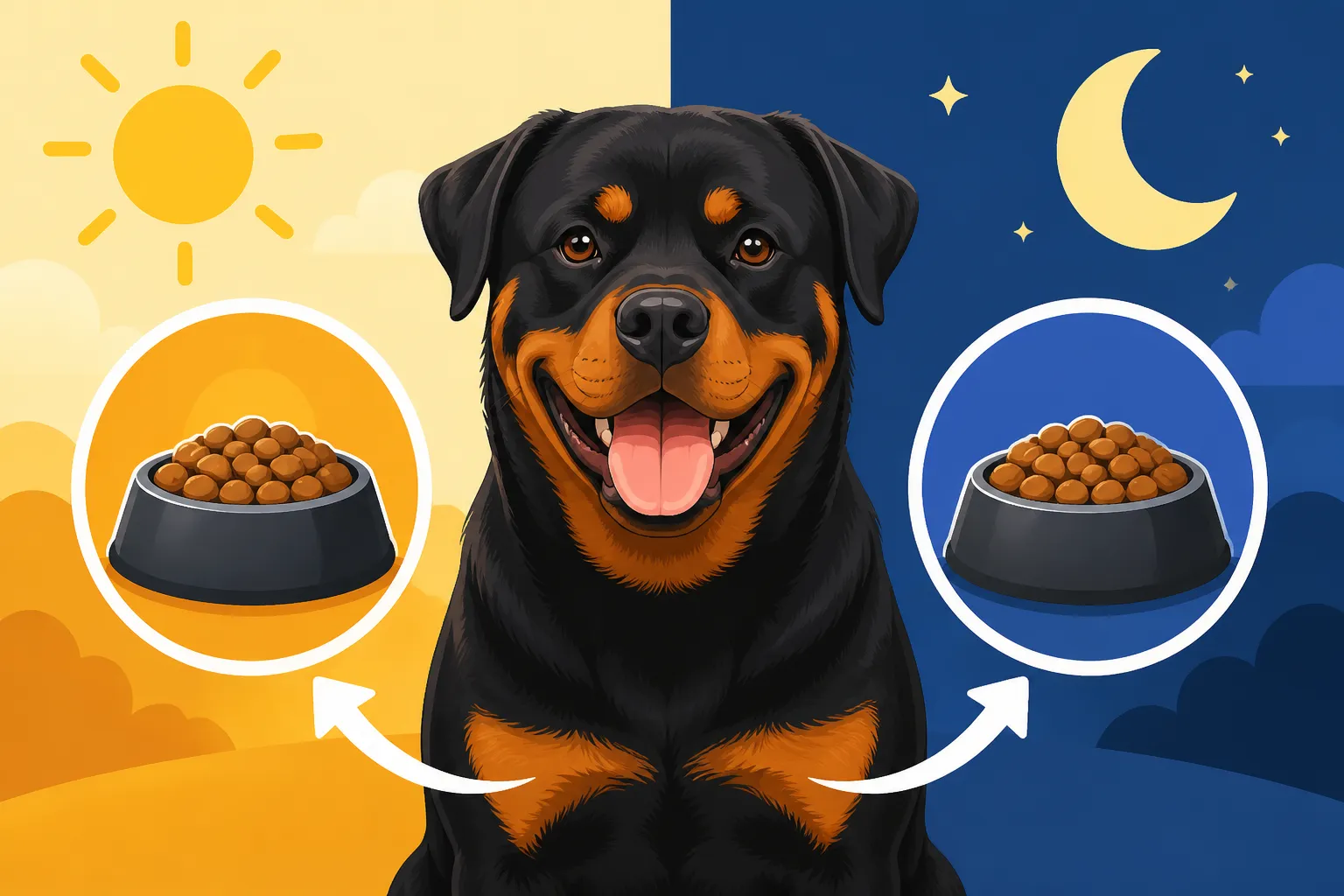
As your Rottweiler puppy matures, usually around six months to a year, you'll start to transition them to an adult feeding schedule. Most adult Rottweilers thrive on two meals a day – one in the morning and one in the evening. This schedule aligns well with their slower metabolism compared to puppies and helps maintain a good routine. It still provides the benefits of split meals, reducing the risk of bloat and supporting consistent digestion, without requiring the more frequent trips to the food bowl that puppies demand.
The exact timing of these two meals can be flexible to fit your family's routine, but consistency is key. Aim for roughly 10-12 hours between meals. For example, if you feed at 7 AM, the next meal would be around 5 PM to 7 PM. This spacing allows adequate time for digestion and keeps their hunger at bay without causing excessive periods of emptiness or over-fullness. Remember that Rottweilers are considered puppies until their growth plates close, which can be as late as 18 to 24 months, so the switch to adult food often happens around Switching a Rottweiler to Adult Food at Eighteen Months, but the adult schedule can begin a bit earlier.
Senior Rottweilers and Digestive Changes
As Rottweilers enter their senior years, typically around seven or eight years old, their bodies undergo changes that can impact their nutritional needs and digestion. Metabolism often slows down, making them more prone to weight gain if their caloric intake isn't adjusted. Additionally, their digestive systems might become more sensitive, and conditions like arthritis can make bending down to eat uncomfortable. For senior Rottweilers, continuing a two-meal-a-day schedule is usually best, and in some cases, even three smaller meals might be beneficial if they have a very sensitive stomach or dental issues.
Consider adjusting the type of food to a senior-specific formula, which often has lower calorie counts and added joint support. Using a raised feeder can also be a huge help, alleviating strain on their neck and joints while they eat. Our article Senior Rottweiler Feeding and Mobility offers more insight into these considerations. Paying close attention to their appetite and stool quality will be your best guide to making adjustments. If you notice a significant decrease in appetite or changes in their stool, it's always wise to consult your veterinarian.
Practical Tips for Implementing a Split Feeding Schedule
Implementing a split feeding schedule for your Rottweiler isn't complicated, but it does require a bit of planning and consistency. It’s about creating a routine that works for both you and your dog, ensuring they get the right amount of food at the right times without stress. Getting the details right will make all the difference in your Rottweiler's health and happiness.
Measuring and Portioning Accurately
The first step to a successful split feeding schedule is knowing exactly how much food your Rottweiler needs daily. This isn't just a guessing game; it's about precision. Consult your veterinarian for their recommendation, considering your dog's age, weight, activity level, and any underlying health conditions. Once you have that daily total, divide it evenly across the number of meals you plan to provide. For example, if your adult Rottweiler needs 6 cups of food a day and you're feeding two meals, each meal will be 3 cups.
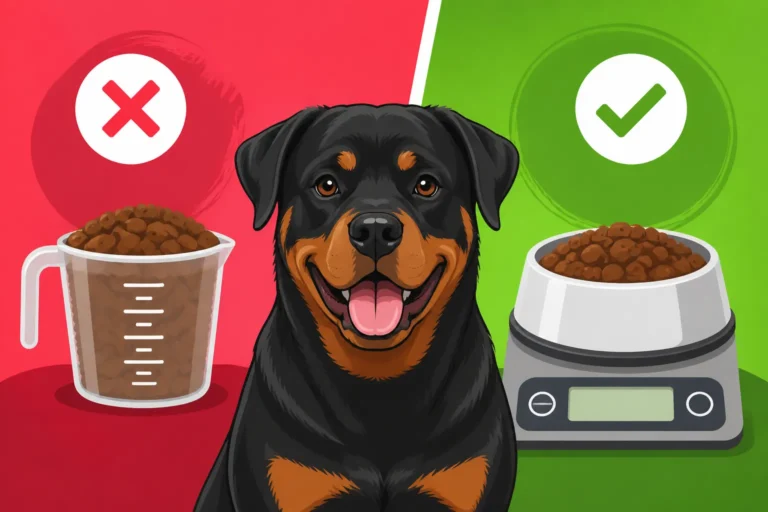
Using a kitchen scale to measure food by weight rather than volume (cups) is far more accurate, especially if you're using different food brands or kibble sizes. Volume measurements can vary wildly, leading to accidental over or underfeeding. Investing in a good digital kitchen scale (you can find plenty of options on Amazon or Chewy) will be one of the best tools for your Rottweiler's long-term health. Precise portioning prevents weight issues, ensures balanced nutrition, and keeps their digestive system happy. Our post on Measuring Rottweiler Food by Weight Not Cups explains why this is so important.
Consistency is Key for Digestive Rhythms
Dogs thrive on routine, and nowhere is this more true than with their feeding schedule. Establishing consistent meal times helps regulate your Rottweiler's digestive system, anticipating food intake and preparing for digestion. When meal times are erratic, it can confuse their internal clock, potentially leading to digestive upset, excessive hunger, or even anxiety around food. Aim to feed your Rottweiler at roughly the same times every day, even on weekends.
This doesn't mean you need to be glued to the clock down to the minute, but try to keep it within a consistent window. For instance, if breakfast is usually between 7:00 AM and 7:30 AM, and dinner between 6:00 PM and 6:30 PM, that's perfectly fine. This predictability reduces stress for your dog and helps prevent behaviors like begging or pacing leading up to meal times. It creates a calm, predictable environment around food, which is especially important for a breed with guarding instincts.
Integrating Treats and Supplements into the Daily Ration
While splitting main meals is crucial, it's also important to consider how treats and supplements fit into the overall daily ration. Treats, even healthy ones, contribute to your Rottweiler's daily caloric intake. If you're giving a lot of training treats throughout the day, you might need to slightly reduce the size of their main meals to avoid overfeeding and unwanted weight gain. Always account for treats, especially if your Rottweiler is working on Rottweiler Obedience and Rally Competition or other demanding training.
Supplements, such as joint support or omega fatty acids, should ideally be given with food to aid absorption and prevent stomach upset. If you're using a meal delivery service like Ollie, which often provides pre-portioned fresh food, it's easy to integrate supplements directly into their meals. For kibble, simply mix them in. If your vet has prescribed medication that needs to be given with food, factor that into your meal distribution. The key is to view all food items – kibble, wet food, treats, and supplements – as part of a single, balanced daily intake.
Common Pitfalls and Troubleshooting Your Rottweiler's Meal Plan
Even with the best intentions, implementing a new feeding schedule can sometimes hit a snag. Whether your Rottweiler suddenly turns up their nose at food, you're juggling multiple pets, or their needs change due to activity or health, being prepared to troubleshoot is key. Remember, you know your dog best, and slight adjustments are often necessary to find the perfect rhythm.
Dealing with a Finicky Eater or Refusal
It's a common misconception that Rottweilers are always ravenous eaters. While many are, some can be surprisingly finicky, or might suddenly go off their food. If your Rottweiler is refusing a meal, the first step is to rule out any underlying health issues. A sudden loss of appetite can be a symptom of various medical problems, so a vet check is always prudent, especially if it persists for more than 24 hours or is accompanied by other symptoms like lethargy or vomiting.
Once health issues are excluded, consider other factors. Are they getting too many treats throughout the day? Is the food fresh? Has there been a recent change in their environment or routine that might be causing stress? Sometimes simply warming up wet food slightly, adding a little low-sodium broth, or a tablespoon of plain pumpkin can entice them. Avoid making a big fuss or offering multiple alternatives, as this can inadvertently teach them that holding out leads to better options. Put the food down for 15-20 minutes, then pick it up until the next mealtime. This teaches them that food is available at certain times, not on demand. Our post on Appetite Loss in an Old Rottweiler explores these issues in senior dogs.
Managing Multiple Dogs and Resource Guarding
If you have more than one dog, especially multiple Rottweilers or a Rottweiler living with smaller breeds, meal times can sometimes become a source of tension or a Rottweiler that guards its bowl. Resource guarding, where a dog protects its food from other animals or even people, is a natural instinct but one that needs careful management. When implementing a split feeding schedule with multiple dogs, feeding them separately is the safest and least stressful approach.
This might mean feeding them in different rooms, in their crates, or at least far enough apart that they don't feel threatened by the presence of another dog. Use sturdy bowls that don't easily tip, and give them ample time to eat without interruption. Once they've finished, remove all bowls to prevent any lingering guarding behavior. Consistent management of meal times can help reduce competitive behaviors and ensure that each dog, particularly your Rottweiler who needs their full ration, gets their fair share without conflict.
Adjusting for Activity Levels and Special Needs
Your Rottweiler's daily caloric needs aren't static; they fluctuate based on activity levels, weather, and life stages. A Rottweiler spending a weekend hiking or engaged in intense training will burn significantly more calories than one who's mostly napping indoors. On lighter days, you might need to slightly reduce their portion size to prevent weight gain, while on very active days, a small increase might be appropriate. The key is to monitor their body condition regularly – you should be able to feel their ribs easily without seeing them, and they should have a discernible waist. Rottweiler Obesity and the Load It Adds is a serious concern.
For Rottweilers with special needs, such as those recovering from surgery, managing a chronic illness, or those with dental problems, their feeding schedule and food consistency might need adjustments. For instance, a dog recovering from surgery might need softer food or smaller, more frequent meals to ease digestion. Always work closely with your veterinarian to tailor the feeding plan to your Rottweiler's specific health requirements. They can provide guidance on prescription diets, caloric adjustments, and ideal meal frequencies to support their recovery or ongoing health management.
| Age / Stage | Recommended Meals Per Day | Key Considerations |
|---|---|---|
| 8 weeks – 4 months | 3-4 meals | Rapid growth, small stomach, high metabolism, bloat risk. |
| 4 months – 18 months | 2-3 meals | Continued growth, developing digestion, maintaining energy. |
| 18 months – 7 years | 2 meals | Adult maintenance, bloat prevention, consistent energy. |
| 7+ years (Senior) | 2-3 meals | Slower metabolism, digestive sensitivity, joint comfort. |
Disclaimer
This article is for general informational purposes only and does not constitute professional advice. Laws, prices and regulations vary by location and change over time. Consult a qualified professional for guidance on your specific situation.