What a Male Rottweiler Should Weigh Fully Grown
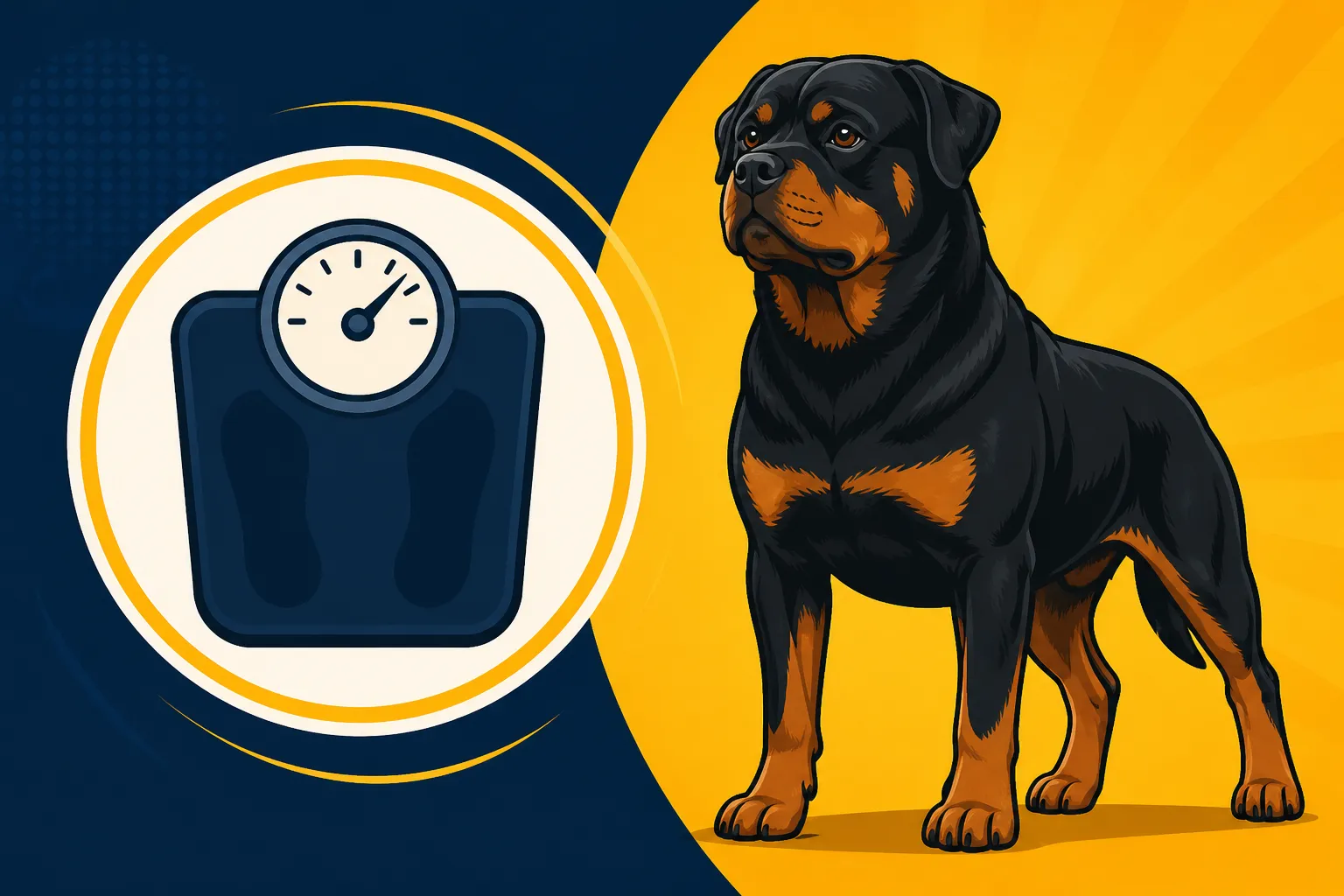
It’s a common worry for Rottweiler owners, especially when you’ve got a growing boy on your hands: "Is he big enough? Is he too big?" Trying to figure out the perfect weight for a fully grown male Rottweiler can feel like hitting a moving target. You want your majestic companion to be strong and impressive, but you also know that packing on too many pounds can spell trouble for their health down the road. This guide is here to cut through the confusion and help you understand what a healthy, mature male Rottweiler should ideally weigh, and more importantly, how to assess his condition beyond just the number on the scale.
Understanding the Rottweiler Standard for Weight
When you bring home a Rottweiler puppy, you know you’re signing up for a big dog. But "big" can mean so many things. The breed standard offers a framework, but it's really about balance and proportion, not just a number on the scale.
The AKC and ADRK Guidelines for Males
Both the American Kennel Club (AKC) and the Allgemeine Deutsche Rottweiler-Klub (ADRK), which is the breed club in Germany where the Rottweiler originated, provide guidelines for what a male Rottweiler should be. These aren't rigid rules etched in stone, but rather a description of the ideal, well-balanced dog.
For male Rottweilers, the AKC standard typically suggests a weight range that often falls between 95 to 135 pounds (approximately 43 to 61 kg). The ADRK standard, while perhaps less specific about an exact weight number, places a huge emphasis on substance, strength, and correct bone. What’s important to remember is that this range accounts for individual variation. You might have a male Rottweiler on the lower end who is perfectly lean and muscular, or one on the higher end who is equally fit and well-built. It’s not simply about how heavy they are, but what that weight is made of. A substantial, heavily boned dog within this range is quite different from a dog of the same weight who is carrying too much body fat. The emphasis for both clubs is on a powerful, proportional dog that can perform the duties it was historically bred for. For a deeper dive into the exact measurements, check out Rottweiler Height and Weight for Males.
Why Weight Isn't Just a Number
Here's the real kicker: two male Rottweilers can weigh exactly the same amount, say 115 pounds, but one can be perfectly healthy and conditioned, while the other is decidedly overweight and out of shape. How is that possible? It comes down to body composition. A Rottweiler that is well-muscled and lean will feel dense and powerful at that weight. Conversely, a Rottweiler carrying excess fat will have a softer, rounder feel, even if the scale reads the same.
This is why experienced breeders and veterinarians emphasize the Body Condition Score (BCS) over a mere number. The BCS is a visual and tactile assessment of your dog's body fat. It helps you understand if your Rottweiler is at an ideal weight, too thin, or too heavy, without needing to worry if he's exactly 110 pounds or 120 pounds. You learn to feel for his ribs, check for a defined waist, and ensure there's a good tuck up from his chest to his abdomen. These physical indicators are far more telling than any numerical value on a scale. It's about seeing the dog's structure, feeling the muscle, and noticing the definition, or lack thereof. Learning how to properly assess this is crucial. To understand what you should be feeling for, take a look at Feeling for Ribs Under a Rottweiler's Coat and Where a Rottweiler's Waist Should Tuck In.
Factors Influencing a Male Rottweiler's Adult Weight
The final weight your male Rottweiler reaches isn't just a flip of a coin. A whole host of factors come into play, from his genetic blueprint to the way he's raised and exercised. Understanding these influences can help you guide your boy toward a healthy adult weight.
Genetics and Lineage
First and foremost, genetics are a massive player in determining your Rottweiler's potential adult size and weight. Just like in people, some families of Rottweilers are naturally bigger, heavier-boned, and more substantial than others. This isn't necessarily about being overweight; it's about the natural variation within the breed.
You might hear discussions about "German lines" versus "American lines." While these are generalizations and there's plenty of overlap, German-bred Rottweilers, often associated with the ADRK standard, are frequently described as being more compact, blockier, and having heavier bone structure. This can naturally lead to a heavier dog, even if he's not significantly taller. American lines, while still meeting the standard, might sometimes appear slightly finer in bone or longer in body, which could result in a slightly lighter build. A responsible breeder will breed for health, temperament, and adherence to the breed standard, aiming for a dog that is structurally sound and proportionate, not just "giant." They understand that pushing for extreme size can sometimes come at the expense of longevity or soundness. Learning about the different lines can give you an insight into your dog's potential build, so exploring German Rottweiler Lines and the ADRK could be very informative.
Nutrition and Growth Rate
What and how you feed your Rottweiler, especially during his critical growth phases, profoundly impacts his adult weight and overall skeletal health. Rottweiler puppies grow incredibly fast, and managing this growth is key.
One of the biggest mistakes owners make is trying to make their Rottweiler puppy "bigger, faster" by overfeeding them or supplementing with extra calcium. This can actually be incredibly detrimental. Rapid growth, often fueled by too many calories or an imbalance in calcium and phosphorus, can put undue stress on a puppy's still-developing joints and growth plates. This can lead to serious orthopedic issues like osteochondritis dissecans (OCD) or hypertrophic osteodystrophy (HOD), which can impact their mobility and quality of life for years to come.
Instead, the goal is slow, steady growth. This means feeding a high-quality large breed puppy food that is specifically formulated with controlled calcium levels and an appropriate protein content. These specialized diets are designed to support the unique growth needs of giant breeds, preventing too-rapid growth spurts that can harm developing bones and cartilage. Always follow the feeding guidelines on the food bag for large breeds and monitor your puppy’s body condition, rather than just pouring extra kibble into the bowl. A thorough understanding of appropriate puppy nutrition can be found in Feeding a Rottweiler Puppy That Grows for Two Years and Why a Rottweiler Puppy Needs Large Breed Formula.
Exercise and Muscle Development
Exercise is another critical component in shaping a male Rottweiler's adult weight and physique. A Rottweiler is a working breed, and they thrive on activity that builds lean muscle mass. A dog that is regularly exercised, with appropriate physical activity for its age, will naturally develop a more muscular, athletic build compared to a sedentary dog.
During puppyhood, the emphasis is on controlled exercise to protect those delicate growth plates, which remain open for quite a long time in Rottweilers. Intense, high-impact activities like long runs, jumping off high surfaces, or prolonged stair climbing should be avoided until your Rottweiler is fully mature, generally around 18-24 months of age. You want activities that build strength and stamina without jarring their joints. As they mature, a balance of walking, trotting, swimming, and mental stimulation will help them develop strong muscles and maintain a healthy weight. A lean, well-muscled Rottweiler will weigh more than a dog with less muscle, but that weight will be healthy and functional. Without sufficient exercise, even a dog fed appropriately can become soft and accumulate excess fat, potentially leading to health problems. It's vital to protect those growing joints; read more on this in Rottweiler Growth Plates and Why They Close So Late. Once they're older, you can increase the intensity, as discussed in Building Adult Rottweiler Fitness Safely.
Assessing and Maintaining a Healthy Weight
Knowing the ideal weight range is one thing, but actually seeing and feeling if your Rottweiler is within that healthy zone is another. This hands-on approach is far more reliable than relying solely on a scale.
Body Condition Scoring in Practice
Body Condition Scoring (BCS) is your most powerful tool for ongoing weight assessment. It’s a simple system, usually on a scale of 1 to 9 (with 5 being ideal), that helps you objectively evaluate your dog’s fat reserves. You can do this at home with just your hands and eyes.
Here’s how to do it:
- Look from Above: Stand over your Rottweiler and look down at his back. You should see a distinct "waist" where his body tapers in behind his rib cage. If his body is straight or bulges out, he might be overweight. If it tapers sharply, he might be too thin.
- Look from the Side: Observe your dog from the side. His abdomen should tuck up, meaning it slopes upward from the bottom of his rib cage to his hind legs. If his abdomen hangs low, he's likely carrying too much weight. If it's severely tucked up, he might be underweight.
- Feel His Ribs: Gently run your hands along his sides, over his rib cage. You should be able to feel his ribs easily, like feeling the knuckles on your hand, but they shouldn’t be visibly prominent or sharp. If you can’t feel them without pressing hard, he’s probably overweight. If they're clearly visible and sharp, he's too thin.
- Feel His Spine and Hip Bones: Similarly, run your hands along his spine and over his hip bones. You should feel a thin layer of fat and muscle covering them. They shouldn't be bony protrusions or entirely hidden under a thick layer of fat.
Here's a simplified table to help you:
| BCS Score | Description | Physical Indicators |
|---|---|---|
| 1-2 | Underweight/Emaciated | Ribs, spine, hip bones easily visible from a distance. No fat. Severe abdominal tuck. |
| 3-4 | Lean/Thin | Ribs easily felt, possibly visible. Top of vertebrae visible. Waist easily seen. Obvious abdominal tuck. |
| 5 | Ideal | Ribs easily felt with slight fat cover. Waist visible from above. Abdominal tuck present. Lean and athletic. |
| 6-7 | Overweight | Ribs felt with difficulty, moderate fat cover. Waist barely visible or absent. Slight abdominal tuck. |
| 8-9 | Obese | Ribs not felt under heavy fat cover. No waist. Abdomen sags. Fat deposits on back, tail base. |
Aim for a BCS of 5. This score means your Rottweiler is lean, strong, and at his healthiest functional weight.
The Dangers of Being Overweight
Allowing your male Rottweiler to carry too much weight isn't just about aesthetics; it's a serious health concern that can dramatically shorten his lifespan and diminish his quality of life. Rottweilers are already prone to certain orthopedic issues, and excess weight exacerbates every single one of them.
Think about it: a Rottweiler carrying an extra 10-20 pounds is essentially carrying a permanent backpack. This added load puts immense strain on his joints, particularly his hips and elbows, which are already vulnerable to conditions like Rottweiler Hip Dysplasia and the OFA Grade and elbow dysplasia. This constant stress can accelerate the onset and severity of arthritis, leading to chronic pain, reduced mobility, and a decrease in their willingness to move or play. Overweight Rottweilers are also at a significantly higher risk for Cruciate Tears in a Heavy Rottweiler because the added strain weakens the ligaments.
Beyond joint problems, obesity contributes to a host of other serious health issues, including heart disease, diabetes, respiratory problems, certain types of cancer, and even an increased risk for Bloat in a Rottweiler and the Hours That Matter. An overweight dog also has a harder time with anesthesia during surgery and a longer, more difficult recovery. It's a cascade of potential problems that can be largely avoided by maintaining a healthy weight. This is a topic so crucial that we discuss Rottweiler Obesity and the Load It Adds in detail elsewhere.
Strategies for Weight Management
Once you've assessed your Rottweiler's body condition, you can take proactive steps to manage his weight. Whether he needs to gain a bit of muscle, shed some pounds, or simply maintain his ideal physique, these strategies are fundamental.
- Accurate Portion Control: This is perhaps the most critical step. Don't just eyeball it. Use a measuring cup, or better yet, a digital kitchen scale to weigh out his food. Kilograms or grams provide a far more precise measurement than cups, which can vary wildly depending on the density of the kibble and how packed it is. Always refer to the feeding guidelines on your dog food bag, but remember these are starting points – adjust based on his individual metabolism and activity level. If your dog is overweight, you might need to slightly reduce his daily calorie intake. Measuring Rottweiler Food by Weight Not Cups explains why precision matters.
- Appropriate Food Choices: For an adult male Rottweiler, a high-quality adult dog food appropriate for large breeds is usually best. If he's overweight, your vet might recommend a specific weight management formula. You can find a wide range of suitable foods, including weight management options and large breed formulas, at retailers like Chewy. Always consider the calorie density of the food, not just the volume.
- Meal Timing: Splitting his daily ration into two meals instead of one large one can help with digestion and potentially reduce the risk of bloat, a serious concern for Rottweilers. Allow for a period of rest before and after meals, avoiding strenuous exercise during these times.
- Mindful Treats and Extras: Treats add calories, and it's easy to overdo it. Factor treats into his daily calorie budget, and opt for low-calorie, healthy options like plain cooked green beans or small pieces of carrot. Avoid table scraps, which are often high in fat and can upset his digestive system. Many dog-friendly treats are available through retailers like Chewy, so make sure to choose wisely.
- Regular, Appropriate Exercise: As mentioned before, consistent exercise is vital. For a healthy adult Rottweiler, this might involve daily walks, playtime in a secure yard, or even canine sports. Adjust the intensity and duration based on his fitness level and any existing joint issues.
- Slow Feeder Bowls: If your Rottweiler tends to gulp down his food, a slow feeder bowl can help. These bowls have raised ridges or patterns that make him eat around them, slowing his pace and aiding digestion. You can often find a good selection of durable slow feeders suitable for a large dog like a Rottweiler on Chewy.
- Regular Veterinary Check-ups: Your veterinarian is your best partner in weight management. They can accurately assess your Rottweiler's body condition, recommend specific dietary changes, and rule out any underlying medical conditions that might be affecting his weight, such as Thyroid Disease Behind a Rottweiler's Dull Coat. They can also help you determine the appropriate daily caloric intake for his specific needs. Understanding the Daily Calories for a Hundred Twenty Pound Rottweiler is a good starting point for discussion with your vet.
When to Seek Veterinary Advice
While you can do a lot at home to manage your male Rottweiler's weight, there are times when a professional opinion is not just helpful but absolutely necessary. Your veterinarian is the most qualified person to assess your dog’s overall health and provide tailored guidance.
Sudden Weight Changes
Any unexplained or sudden change in your Rottweiler's weight should prompt a call to your vet. This isn't about him gaining a pound or two over a holiday weekend; it's about significant, rapid changes.
- Sudden Weight Loss: If your previously healthy Rottweiler starts losing weight rapidly without any changes to his diet or exercise, it could be a sign of an underlying medical condition. This could range from dental issues making eating painful, to parasites, to more serious concerns like kidney disease, diabetes, or even cancer. Don't assume it's "just old age" or a pickier appetite; have it checked out.
- Rapid Weight Gain: Similarly, if your Rottweiler is packing on pounds quickly despite no increase in food intake, it warrants investigation. Hormonal imbalances, such as hypothyroidism, or even certain medications can cause unexpected weight gain. It could also indicate fluid retention or other systemic issues.
Always look for accompanying symptoms: changes in appetite (eating more or less), increased thirst or urination, lethargy, vomiting, diarrhea, or changes in his coat or skin. These additional clues can help your vet narrow down the possibilities.
Tailoring Diet and Exercise for Individual Needs
Remember, breed standards and general guidelines are just that: guidelines. Every Rottweiler is an individual with unique metabolic rates, activity levels, and potential health predispositions. What works perfectly for one 110-pound male Rottweiler might not be ideal for another.
Your veterinarian can help you:
- Develop a Personalized Nutrition Plan: Based on your Rottweiler’s age, activity level, current weight, body condition score, and any existing health issues, your vet can recommend a specific diet. This might involve a prescription weight-loss diet, a joint-supportive formula, or a recommendation for a different commercial kibble. They can help you calculate precise calorie needs and guide you on the best way to feed him. For example, if your Rottweiler is aging, they might suggest specific senior formulas; otherwise, they might recommend options for a working dog. Many specialized diets can be conveniently ordered online from trusted sources like Chewy after your vet's recommendation.
- Create an Appropriate Exercise Routine: A vet can advise on the type, duration, and intensity of exercise that is safe and beneficial for your individual dog. If he has early signs of arthritis, for example, low-impact activities like swimming might be emphasized over high-impact running. If he's a senior, they might advise Senior Rottweiler Mobility Decline considerations.
- Monitor Progress and Adjust: Weight management is often an ongoing process. Your vet can regularly monitor your Rottweiler's weight and body condition, making adjustments to his plan as needed over time. They can also offer advice on supplements, such as joint health aids, which you can often find readily available on Chewy with your vet's guidance.
- Address Specific Health Concerns: If your Rottweiler has a condition like early hip dysplasia or a history of Rottweiler Bloat Risk Rising With Age, your vet can factor these into the weight management plan to mitigate risks and support his overall well-being.
The ultimate goal isn't just to hit a specific number on the scale, but to ensure your male Rottweiler lives a long, healthy, and happy life at his optimal, functional weight. Partnering with your vet is the best way to achieve this.
Disclaimer
This article is for general informational purposes only and does not constitute professional advice. Laws, prices and regulations vary by location and change over time. Consult a qualified professional for guidance on your specific situation.