Rottweiler Height and Weight for Males
One of the first things you notice about a male Rottweiler is his sheer presence. They are undeniably powerful, substantial dogs, and anyone considering bringing one into their home naturally wonders just how big they actually get. This guide will delve into the expected height and weight for male Rottweilers, exploring what the breed standards dictate, how they grow from a tiny pup into a magnificent adult, and what practical considerations come with owning such a physically imposing companion.
Understanding the Breed Standard for Male Rottweilers
When we talk about a dog's "size," especially for a breed like the Rottweiler, we're really looking at a combination of height, weight, and overall substance. The breed standard, set by organizations like the American Kennel Club (AKC) or the Allgemeiner Deutscher Rottweiler-Klub (ADRK) in Germany, serves as the blueprint for what an ideal Rottweiler should embody. These standards aren't just for show ring glory; they describe the functional characteristics that made the breed so effective in its original working roles, and they also aim to promote healthy, well-structured dogs.
The AKC and ADRK Standards for Height
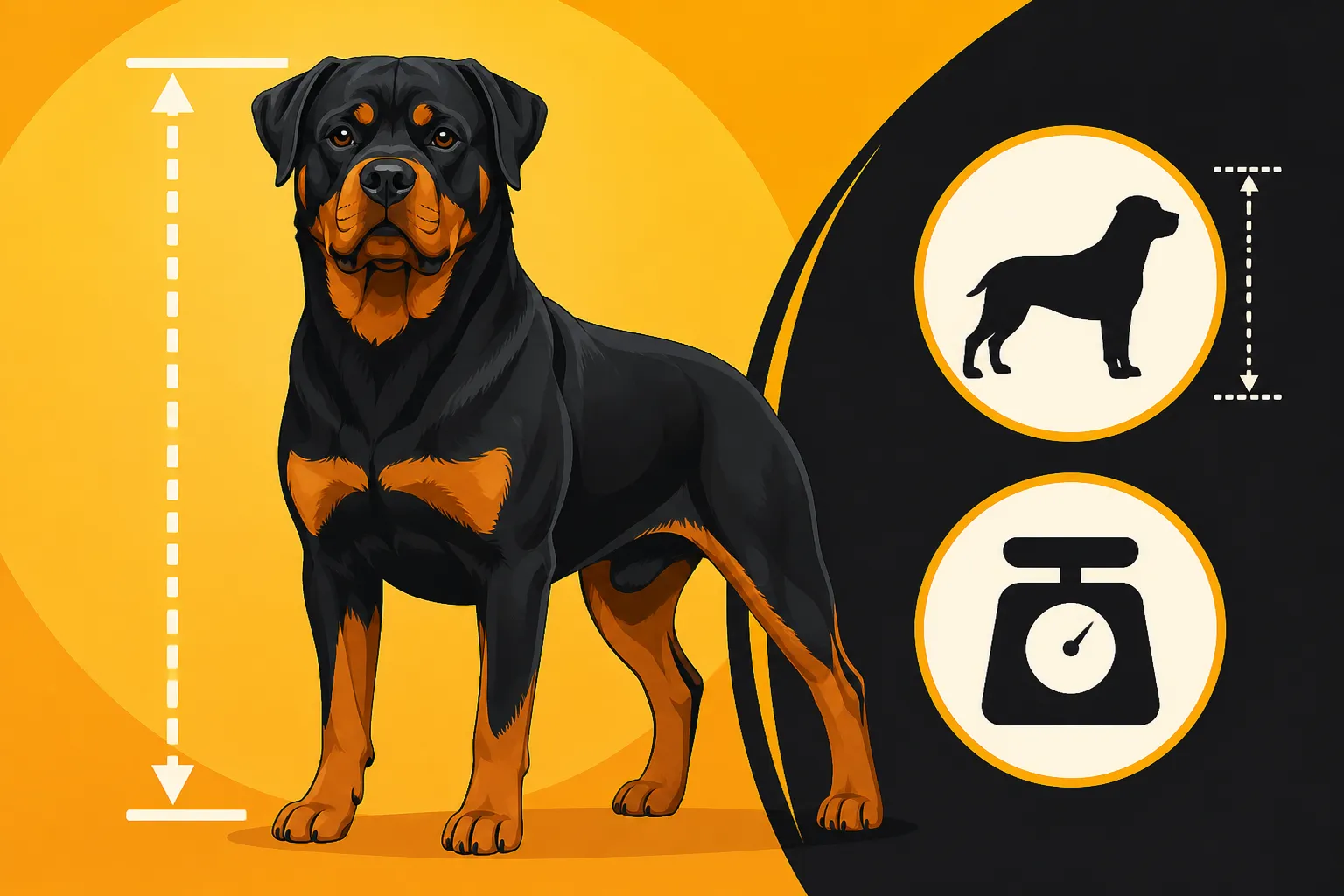
For male Rottweilers, the height measurement is taken at the highest point of the shoulder blades, often referred to as the "withers." This isn't just a casual measurement; it speaks to the dog's frame and skeletal structure. The AKC standard for a mature male Rottweiler calls for a height ranging from 24 to 27 inches at the withers. That's quite a range, and it allows for natural variation while still maintaining the breed's distinctive silhouette.
The ADRK standard, often considered the parent club standard for the breed, has a slightly different emphasis but falls within a similar scope. They look for males to be between 61 to 68 centimeters, which translates to approximately 24 to 26.7 inches. While the numbers might vary slightly, the core expectation is for a dog that is impressively built but not exaggeratedly tall or leggy. This height provides the leverage and reach necessary for their historical work as drovers and guardians, enabling them to move cattle effectively and deter threats with their imposing stature.
Weight Expectations for Adult Males
Unlike height, which is often given a specific range, weight in the breed standard for a male Rottweiler is typically described more broadly, focusing on proportion and condition rather than a hard number. The AKC standard, for instance, states that "desirable weight" is around 95 to 135 pounds for a male. This is a substantial amount of mass, reflecting the breed's powerful and muscular build. However, it’s not a hard-and-fast rule, as a well-muscled, lean 90-pound male could be considered perfectly within standard if his proportions are correct, just as a heavier 140-pound male might be if he carries his weight well and isn't obese.
The key is that the dog should be "of proportionate weight and substance." This means that his weight should match his frame, giving him a powerful, robust appearance without being either too thin or overweight. A healthy male Rottweiler should look strong and agile, not cumbersome. When you're looking for food for such a substantial dog, whether it's specialized large breed kibble or wet food, you'll find that brands like Chewy offer a wide variety that caters to their specific nutritional needs and helps maintain a healthy weight. Always consult with your veterinarian to determine the ideal weight range and feeding plan for your individual Rottweiler, as every dog is unique.
Why the Standard Matters and When It Doesn't
The breed standard serves as a crucial guide for ethical breeders who are striving to produce healthy, type-correct Rottweilers. It ensures that characteristics vital to the breed's health, temperament, and working ability are maintained through generations. For instance, a dog that is significantly undersized might lack the robust bone structure needed to support its powerful musculature, potentially leading to joint issues. Conversely, an oversized dog can face its own set of health challenges, from increased strain on joints to a shorter overall lifespan. Rottweiler Lifespan and the Eight to Ten Year Average
However, for those of us bringing a Rottweiler into our homes primarily as a beloved companion, being precisely within the breed standard isn't the be-all and end-all. Your pet Rottweiler doesn't need to be a show champion. What truly matters is their health, temperament, and overall well-being. While extreme deviations from the standard can sometimes signal underlying health concerns or questionable breeding practices, a pet Rottweiler that falls a few pounds or an inch outside the "ideal" range but is otherwise healthy, active, and well-adjusted is a perfectly wonderful companion. The standard offers a benchmark for breed preservation, but for a family dog, health and happiness take precedence.
The Growth Journey of a Male Rottweiler Puppy
Watching a Rottweiler puppy grow is an experience in itself. They transform from small, clumsy furballs into formidable adults with astonishing speed. Understanding this growth trajectory is crucial for responsible ownership, as their rapid development has significant implications for their health, particularly their developing joints.
Rapid Growth in the First Six Months
The first six months of a male Rottweiler puppy's life are characterized by explosive growth. You'll literally see them change week to week, adding pounds and inches at an incredible rate. During this period, their skeletal structure is developing rapidly, and their bones are growing longer at a speed that demands careful nutritional management and appropriate exercise. It's not uncommon for a male Rottweiler puppy to reach a significant portion of his adult height by six to eight months of age.
This rapid growth phase is also when they are most vulnerable to developmental orthopedic diseases. Overfeeding, especially with diets too high in calcium or calories, can lead to bones growing too quickly or improperly, resulting in conditions like osteochondrosis (OCD) or hypertrophic osteodystrophy (HOD). This is why reputable breeders and veterinarians strongly recommend feeding a high-quality, large-breed puppy formula that is specifically designed to support slow, steady growth rather than accelerated bulk. Providing Rottweiler Puppy Calories From Fourteen Hundred Up with a balanced diet is critical. Osteochondrosis From Overfeeding a Rottweiler can be a serious issue.
Slower but Steady Growth Up to Two Years
While the most dramatic height gains occur in the first year, a male Rottweiler is far from finished growing at twelve months. From about eight months up to eighteen to twenty-four months of age, their growth plate cartilage begins to fuse and solidify into bone. This is a critical period where they continue to fill out, gain muscle mass, and develop the powerful "substance" for which the breed is known. They might not get much taller, but they will broaden across the chest, deepen their body, and their heads will mature.
The closing of these Rottweiler Growth Plates Closing at Eighteen to Twenty-Four Months is why many veterinarians and breeders advise against strenuous, high-impact exercise during this period. Activities like long-distance running on hard surfaces, excessive jumping, or aggressive tug-of-war can put undue stress on still-developing joints, potentially contributing to issues like hip or elbow dysplasia later in life. Instead, focus on moderate, controlled exercise like leashed walks and gentle play on soft surfaces to allow their skeletal system to mature properly. The muscle development during this stage is important for supporting their heavy frame, so a balanced diet with appropriate protein levels continues to be essential.
Factors Influencing Growth and Final Size
A Rottweiler's ultimate size isn't just about what's in the breed standard; it's a complex interplay of several factors. Genetics play the most significant role, of course. A puppy from two large, well-boned parents is more likely to grow into a substantial adult himself. That's why choosing a puppy from health-tested parents with a good pedigree is so important. You're not just buying a dog; you're investing in a genetic legacy.
Nutrition is another monumental factor. As mentioned, appropriate large-breed puppy food, fed in measured portions to keep your pup lean during growth, is paramount. Overfeeding a puppy to make them "bigger" faster is a recipe for orthopedic disaster. Brands like Chewy offer excellent large breed specific formulas that help manage growth rate. A balanced diet provides the building blocks for healthy bone, muscle, and tissue development. Lastly, exercise, while often overlooked in its impact on growth, is vital. Controlled, appropriate exercise allows muscles to develop without stressing immature joints. Over-exercising a growing pup can be just as detrimental as under-exercising them.
Assessing a Male Rottweiler's Body Condition and Health
Knowing the general height and weight ranges for male Rottweilers is a good starting point, but it's not the whole story. What truly matters for their long-term health and well-being is their body condition. A dog can fall within the "acceptable" weight range on the scale but still be either too thin or too heavy, depending on his individual frame and musculature.
Beyond the Scale: Body Condition Scoring
Body Condition Scoring (BCS) is a veterinary tool that provides a more accurate assessment of a dog's fat reserves and muscle mass than just a number on the scale. It's usually a 1-to-9 scale (or sometimes 1-to-5), where a score of 4 or 5 (or 2.5-3 on a 5-point scale) is considered ideal. This method relies on visual observation and gentle palpation (feeling) of specific areas of the dog's body.
To assess your Rottweiler's BCS, you'll want to feel for his ribs. In an ideal body condition, you should be able to Feeling for Ribs Under a Rottweiler's Coat easily without pressing hard, and they should feel distinct, like the knuckles on your hand. However, you shouldn't see them prominently sticking out, which would indicate being too thin. Next, look at his waist: from above, it should tuck in noticeably behind the ribs. From the side, he should have an abdominal tuck, meaning his belly rises slightly from his ribcage to his hind legs. A male Rottweiler should have a powerful, muscular build, but still exhibit these lean characteristics.
Here’s a simplified breakdown of the Body Condition Score:
| BCS Score (1-5) | Description | Visual Cues | Palpation Cues |
|---|---|---|---|
| 1 (Emaciated) | Ribs, lumbar vertebrae, pelvic bones, all bony prominences evident from distance. No discernible body fat. Obvious loss of muscle mass. | Bones very prominent. Severe waist tuck and abdominal tuck. | No fat; bones feel sharp and unprotected. |
| 2 (Underweight) | Ribs, lumbar vertebrae, pelvic bones easily visible. No palpable fat. Minimal muscle mass. | Ribs easily seen. Marked waist tuck and abdominal tuck. | Bones easily felt with minimal fat cover. |
| 3 (Ideal) | Ribs easily palpable without excess fat cover. Waist observed behind ribs. Abdominal tuck evident. | Ribs felt, not seen. Clear waist and abdominal tuck. | Ribs distinct, feeling like the back of your hand. Smooth fat cover. |
| 4 (Overweight) | Ribs palpable with difficulty. Noticeable fat deposits over lumbar area and base of tail. Waist absent or barely visible. Abdominal tuck absent. | Ribs hard to feel. No visible waist. Rounded body shape. | Ribs felt only with firm pressure; significant fat layer. |
| 5 (Obese) | Massive fat deposits over chest, spine, and base of tail. Waist and abdominal tuck absent. Obvious abdominal distention. | Broad, saggy appearance. No waist or abdominal tuck. Very large. | Ribs not palpable without heavy pressure; very thick fat layer. |
The Dangers of Obesity in a Large Breed
Allowing a male Rottweiler to become overweight or obese is one of the most detrimental things an owner can do for their health. These are already heavy dogs, and every extra pound places immense additional strain on their joints, particularly the hips and elbows, which are already prone to conditions like dysplasia. Rottweiler Obesity and the Load It Adds can exacerbate or accelerate the onset of debilitating arthritis, making it painful for them to walk, run, or even stand up.
Beyond joint problems, obesity significantly increases the risk for a host of other serious health issues in Rottweilers. This includes diabetes, heart disease, certain types of cancer, breathing difficulties, and a reduced tolerance for heat. It also makes surgical procedures riskier due to the increased stress on the cardiovascular system and difficulty with anesthesia. Managing their weight effectively is a lifelong commitment. This involves precise portion control, selecting appropriate large-breed diet foods – many of which are available from retailers like Chewy – and ensuring they get regular, consistent exercise. Making these changes early on can truly add healthy, comfortable years to their life.
Signs of Being Underweight or Malnourished
While obesity is a more common concern for many large breeds, a Rottweiler can also be underweight or malnourished, which carries its own set of health risks. If your male Rottweiler appears too thin, with ribs, hip bones, or vertebrae easily visible or feeling sharp to the touch, it's a clear sign that something is amiss. Their muscle mass might appear wasted, and they might lack energy or have a dull, unhealthy coat.
An underweight Rottweiler could be struggling with a variety of underlying issues. These might include an insufficient caloric intake for his energy expenditure, parasites (even if regularly dewormed), dental problems that make eating painful, or more serious internal illnesses such as gastrointestinal disorders, kidney disease, or even certain cancers. If you notice your Rottweiler losing weight or struggling to maintain a healthy weight despite adequate feeding, a prompt veterinary visit is essential. Your vet can perform diagnostic tests to uncover any hidden medical conditions and help you devise a feeding strategy to safely get your dog back to a healthy body condition.
Common Misconceptions and Variations in Male Rottweiler Size
The Rottweiler's powerful build often leads to a fascination with size, sometimes pushing expectations beyond what is healthy or typical for the breed. It's important to separate fact from fiction and understand the nuances that contribute to their impressive stature.
The Myth of "King Rottweilers" and Oversized Dogs
You might occasionally hear terms like "King Rottweiler" or see breeders advertising "oversized" Rottweilers, implying that bigger is better. This is largely a marketing tactic, and it often leads to a misinterpretation of what constitutes a truly impressive and healthy Rottweiler. While Rottweilers are undeniably large and powerful dogs, the breed standard values substance and proportion over sheer, exaggerated size. A Rottweiler that is significantly above the standard height or weight might look imposing, but this often comes at a cost to their overall health and structural integrity.
Oversized dogs are more prone to a host of orthopedic issues, including more severe forms of hip and elbow dysplasia, cruciate ligament tears, and arthritis, simply because their massive frames put immense stress on their joints. Their lifespan can also be negatively impacted. Cruciate Tears in a Heavy Rottweiler are more common, and the recovery is harder. Responsible breeders focus on producing dogs that are healthy, structurally sound, and adhere to the breed standard, which describes a powerful but balanced canine athlete, not a giant, cumbersome animal. An "oversized" Rottweiler is generally not a sign of superior breeding, but rather a deviation that can lead to significant health challenges down the road.
German vs. American Lines and Size Differences
There's a popular notion that German Rottweilers are inherently larger and more robust than American-bred Rottweilers. While historically there may have been some subtle differences in type, this distinction is often oversimplified. Both American and German breeding programs adhere to very similar breed standards. The German standard, overseen by the ADRK, emphasizes a powerfully built, robust dog with strong bone and a very stable temperament, and their breeding regulations are quite stringent, requiring temperament tests and working titles.
American breeders, while also aiming for quality, may sometimes produce dogs that are perceived as slightly lighter in bone or marginally taller than their German counterparts, though this is a generalization and highly dependent on individual breeding programs. The reality is that a well-bred male Rottweiler from either line should fall within the established height and weight ranges, emphasizing a powerful, compact, and substantial build. Rather than focusing solely on "German" versus "American," it's more beneficial to look at the health clearances, pedigree, and reputation of the individual breeder and the specific lines they are working with. Both German Rottweiler Lines and the ADRK and AKC lines can produce magnificent dogs.
Understanding Breeding for Substance vs. Sheer Size
The term "substance" in dog breeding refers to the dog's overall robust build, encompassing heavy bone structure, broad chest, well-developed musculature, and a strong, powerful head. It's about density and strength, not just height or weight. A Rottweiler should have a certain amount of "mass" or "presence" without being bulky or obese. Think of a powerful lineman in football – strong, solid, and capable – rather than just a tall, gangly individual.
Reputable breeders are always striving for this balance of substance, soundness, and agility. They want a dog that can move with power and purpose, not one that is so large it struggles with mobility. A well-constructed male Rottweiler will have a broad, deep chest, well-sprung ribs, and strong, straight legs with good bone. He should be slightly longer than he is tall, a characteristic known as being "rectangular" in outline. Why a Rottweiler Is Longer Than It Is Tall This structure is crucial for a breed that needs both strength and endurance. Breeding for exaggerated height or weight without considering these proportional and structural elements can lead to unsound dogs with compromised health and shortened lives.
Living with a Large Male Rottweiler: Practical Considerations
Bringing a magnificent male Rottweiler into your life is a deeply rewarding experience, but it also comes with practical considerations unique to owning a large, powerful dog. Their size impacts everything from the space they need to the equipment you'll use and the way you manage them in daily life.
Space Requirements in the Home
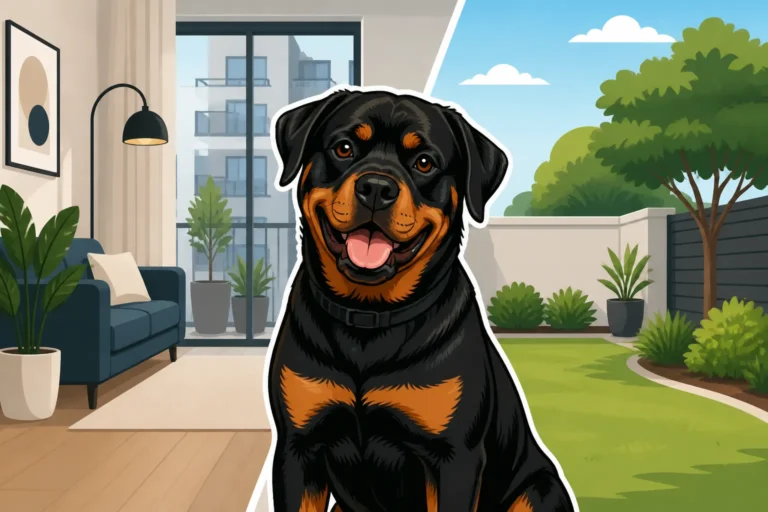
While Rottweilers are not typically hyperactive dogs and are often quite calm indoors once mature, their sheer size means they still require adequate space within your home. A 100-plus pound dog needs room to stretch out, turn around comfortably, and simply exist without constantly bumping into furniture or people. This is especially true for their sleeping arrangements; a small dog bed simply won't cut it. They'll need a large, orthopedic bed that can support their weight and cushion their joints, or a spacious crate if you choose to Crating a Rottweiler That Will Triple in Size.
Consider pathways, doorways, and common living areas. Can your Rottweiler comfortably navigate these spaces? If you live in a very small apartment, while a well-trained Rottweiler can adapt, it will require even more dedication to providing sufficient outdoor exercise and mental stimulation to prevent them from feeling cramped or bored. Think about staircases, too, especially if you have a young puppy or a senior Rottweiler. Repeated impact on stairs can be hard on developing or aging joints. Ultimately, a male Rottweiler thrives in a home where he has his own designated space to relax and where the general layout accommodates his substantial presence.
Equipment Sized for a Large Dog
This might seem obvious, but you'd be surprised how often people underestimate the scale of equipment needed for a male Rottweiler. Forget the dainty collars and thin leashes; you'll need heavy-duty gear designed to withstand the strength of a dog that can easily outweigh an adult human. This includes durable collars made from thick leather or robust nylon, harnesses that distribute pressure effectively across their chest (especially helpful for leash training), and strong leashes with high-quality metal hardware that won't snap under pressure.
Their chew toys need to be virtually indestructible, as a Rottweiler's powerful jaws can quickly demolish toys meant for smaller breeds. Investing in robust, Nylabone-type chews or sturdy KONG products will save you money in the long run and prevent potential choking hazards from ingested pieces. Even food and water bowls need to be appropriately sized – a tiny bowl won't hold enough food for a single meal, and a small water dish will be emptied in minutes. Retailers like Chewy offer entire sections dedicated to large and giant breed dog supplies, making it easier to find equipment that is up to the task of safely containing and entertaining your big boy. Rottweiler Crates, Beds and Gear at That Size are a must-have.
Handling and Training a Powerful Dog
The importance of early and consistent training for a male Rottweiler cannot be overstated. Their impressive size and strength mean that what might be a minor annoyance in a small dog (like pulling on the leash or jumping up) can be a significant problem, or even dangerous, with a Rottweiler. A hundred-pound dog pulling hard on the leash can easily pull an adult off their feet. A happy jump can knock over a child or an elderly person.
Therefore, Training a Rottweiler Before It Outweighs You is not just a recommendation; it's a necessity for responsible ownership. Focus on rock-solid leash manners, reliable recall, and impulse control from a very young age. Socialization is also critical to ensure they are comfortable and well-behaved around new people, places, and other animals. Enrolling in puppy classes and continuing with obedience training throughout their adolescence and beyond will pay dividends. While their guarding instincts are inherent, proper training ensures that these instincts are channeled appropriately and that your Rottweiler is a well-mannered, safe, and enjoyable member of society. You need to be able to confidently control your dog in any situation, and that comes directly from consistent, positive training and a strong bond built on trust and respect.
Disclaimer
This article is for general informational purposes only and does not constitute professional advice. Laws, prices and regulations vary by location and change over time. Consult a qualified professional for guidance on your specific situation.