Building Adult Rottweiler Fitness Safely
It's a wonderful feeling when your adult Rottweiler is full of life and eager to move, but as their guardian, you know their powerful build comes with unique needs. You want to make sure they stay healthy and active for as long as possible, yet you might worry about pushing them too hard or exacerbating underlying joint issues. This guide is here to walk you through safely and effectively building and maintaining adult Rottweiler fitness, helping you navigate the delicate balance between exertion and preservation.
Understanding Your Adult Rottweiler's Fitness Baseline
Before you even think about hitting the trail or starting a new training regimen, you absolutely must understand where your Rottweiler stands physically. Just like with humans, jumping into an intense program without a baseline can lead to injuries, not improvements. Rottweilers, with their significant size and certain breed predispositions, require a particularly thoughtful approach to assessing their fitness starting point.
The Pre-Exercise Veterinary Health Check
This is non-negotiable. Before embarking on any significant increase in physical activity for your adult Rottweiler, a thorough veterinary check-up is paramount. Your vet can perform a comprehensive physical examination, which includes listening to their heart, checking their joints, and assessing their overall mobility. This appointment isn't just a formality; it's a critical step in identifying any hidden health concerns that could turn a good intention into a serious problem. For instance, a subtle heart murmur, if undetected, could make high-intensity exercise dangerous. You want to rule out things like undiagnosed Subaortic Stenosis in Rottweiler Puppies that might persist into adulthood or other cardiac issues.
Your vet can also check for any signs of discomfort or pain that might not be obvious to you during normal daily activities. Rottweilers are stoic dogs and can often hide early signs of joint pain or muscle strain. A professional palpation and range-of-motion assessment can reveal issues you weren't aware of. This baseline visit allows your vet to confirm your Rottweiler is in good standing to increase activity and can even help them recommend specific types of exercise that might be more beneficial or safer for your dog's individual constitution.
Additionally, discuss your plans for increased activity with your vet. They might suggest specific diagnostic tests, such as X-rays for hips and elbows, especially if your dog's history is unknown or if they've shown any previous lameness. Even if your Rottweiler has Rottweiler Hip Dysplasia and the OFA Grade that's considered passing, understanding the nuances of that grade can influence your exercise choices. This proactive approach ensures you're building fitness on a solid foundation, minimizing risks, and setting your Rottweiler up for long-term health rather than short-term gains that could lead to injury.
Assessing Body Condition Score and Weight
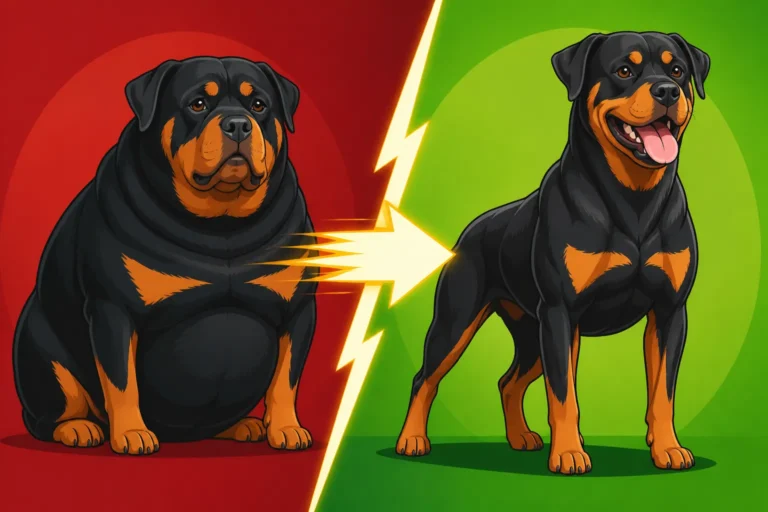
Another crucial step is to objectively assess your Rottweiler's body condition and weight. It's easy to look at a big, powerful Rottweiler and assume they're in good shape, but often, a few extra pounds can be silently stressing their joints and internal organs. The body condition score (BCS) is a standardized way to evaluate fat reserves and muscle mass, usually on a scale of 1 to 9, with 4-5 being ideal. You should be able to easily feel your dog's ribs without seeing them, and they should have a discernible waist when viewed from above and a tuck-up when viewed from the side.
Overweight Rottweilers are at a significantly higher risk for joint problems like arthritis, heart disease, and even certain cancers. Every extra pound your dog carries multiplies the stress on their hips, elbows, and knees, which are already weight-bearing joints for a heavy breed. If your Rottweiler is carrying too much weight, the first step in building fitness isn't necessarily more intense exercise, but rather a combination of dietary adjustments and gentle activity increases. Remember, Rottweiler Obesity and the Load It Adds is a serious concern, and addressing it effectively is a cornerstone of safe fitness building.
Work with your vet to determine an ideal target weight and a sensible feeding plan if your Rottweiler needs to shed some pounds. This often involves reducing caloric intake, switching to a high-quality, weight-management formula, and carefully measuring meals rather than free-feeding. Once your Rottweiler is closer to their ideal body condition, they will be much better equipped to handle more strenuous exercise, reducing the risk of injury and improving their overall stamina and enjoyment of activities.
Recognizing Past Injuries and Genetic Predispositions
Every Rottweiler has a unique story, and understanding any past injuries or genetic predispositions is essential for tailoring a safe fitness plan. Perhaps your dog had a soft tissue injury as a puppy, or maybe you know that a grandparent had severe hip dysplasia. This information isn't there to discourage you, but rather to inform your choices and help you be proactive in preventing re-injury or exacerbating existing conditions. For example, if your Rottweiler had Panosteitis in a Growing Rottweiler Puppy, you'll want to be extra mindful of any limping or discomfort, even as an adult.
Many Rottweilers come from lines where certain conditions like hip and elbow dysplasia or Osteochondritis Dissecans in a Rottweiler Shoulder are more prevalent. While clearances done by reputable breeders aim to reduce these risks, no dog is entirely immune. If you adopted your Rottweiler and have limited health history, it’s even more important to rely on your vet’s assessment and monitor your dog closely for any signs of stiffness, lameness, or reluctance to move. This might mean opting for lower-impact activities or incorporating specific supportive exercises to strengthen the muscles around vulnerable joints.
Knowledge is power in this scenario. If you know your Rottweiler has a mild elbow issue, you might choose swimming over high-impact jumping activities. If there's a history of cruciate ligament tears in the line, you'll want to focus on strengthening exercises that build stability around the knee. Being aware of these factors allows you to make informed decisions about exercise intensity, duration, and type, ensuring that your fitness routine supports your Rottweiler's long-term health rather than compromising it.
Designing an Effective, Safe Exercise Regimen
Once you have a clear picture of your Rottweiler's health and physical condition, it's time to start thinking about the actual activities. For a breed as powerful and potentially prone to joint issues as the Rottweiler, the type of exercise you choose is just as important as the amount. You're aiming for a balanced approach that builds cardiovascular health, strengthens muscles, and provides mental stimulation, all while being kind to their substantial frame.
Prioritizing Low-Impact Cardiovascular Activities
When it comes to building endurance and maintaining heart health in a Rottweiler, low-impact activities should be at the top of your list. These types of exercises get your dog's heart rate up and build stamina without putting excessive stress on their joints, which is crucial for a large, heavy breed. Long, brisk walks on varied but soft terrain – think grassy fields, dirt trails, or sandy beaches – are excellent options. Avoid constantly pounding pavement or concrete, especially during initial conditioning, as this can be jarring for their joints.
Swimming is perhaps the gold standard for low-impact cardiovascular exercise for Rottweilers. It's incredibly beneficial because it works nearly every muscle group without any weight-bearing impact. If you have access to a safe, clean body of water or a dog-friendly pool, encouraging your Rottweiler to swim can be a fantastic way to build stamina and muscle tone, especially for dogs who might be recovering from an injury or dealing with mild arthritis. It’s also a great way to help them cool down on a hot day. Just be sure to supervise them closely and ensure they have a comfortable exit point from the water.
Another often overlooked low-impact activity is simply walking on a treadmill, if properly introduced and supervised. This can be particularly useful during bad weather or if you need to precisely control the speed and incline. The key with all these activities is consistency and gradual increases. Aim for regular sessions, building up the duration and intensity over weeks and months, rather than trying to do too much too soon. Remember, you're building a sustainable fitness habit, not training for a marathon overnight.
Integrating Strength Training and Core Work
While cardiovascular health is vital, a strong body also requires strong muscles. For a Rottweiler, building core strength and muscle mass around their joints is crucial for stability and injury prevention. This isn't about lifting weights, but rather incorporating exercises that engage specific muscle groups in a controlled manner. Hill walks, for example, are excellent for building hindquarter strength. A steady incline forces their rear legs to work harder, strengthening the glutes and hamstrings, which in turn support the hips.
Controlled movements, like walking over ground poles (cavaletti work) or through a ladder on the ground, encourage your Rottweiler to lift their feet higher and engage their core, improving proprioception and muscle coordination. These exercises require focus and can be surprisingly tiring for a dog that's used to just walking in a straight line. Even simple tasks like sitting up from a lying position on command or offering a "bow" stretch can help engage core muscles. You can also incorporate short bursts of controlled trotting and cantering on soft surfaces to build explosive power and muscle endurance.
Another fantastic way to build core strength is through stability exercises. This might involve using specific dog fitness equipment like balance discs or wobble boards (always under supervision and with proper instruction). These tools challenge your Rottweiler to engage their core muscles to maintain balance, which strengthens the deeper stabilizing muscles that protect their spine and joints. Consistency with these exercises will not only make your Rottweiler stronger but also more agile and less prone to strains and sprains during more active play.
Balancing Physical Exertion with Mental Engagement
It's easy to focus solely on the physical aspect of fitness, but for intelligent breeds like Rottweilers, mental engagement is just as important for overall well-being and can even contribute to their physical health. A bored Rottweiler can become destructive, anxious, or develop unwanted behaviors that can indirectly impact their physical activity. Think of how a frustrated dog might pace endlessly, or how a stressed dog might engage in self-soothing behaviors that aren't healthy.
Incorporating mental challenges into your fitness routine ensures that your Rottweiler is working both mind and body. Scent work, for example, is incredibly mentally stimulating and requires very little physical exertion. Hiding treats around the house or yard and letting your Rottweiler sniff them out taps into their natural instincts and provides a fulfilling "job." Puzzle feeders, especially those durable ones from brands you might find on Chewy or Amazon, can make mealtime a brain game, slowing down eating and providing mental enrichment.
Even during walks, you can add mental engagement by varying your routes, allowing your dog to sniff extensively in new areas (the "sniffari"), or practicing obedience commands in different environments. This keeps their mind active and prevents walks from becoming monotonous. When you combine appropriate physical exercise with stimulating mental activities, you're not just building a fit dog; you're cultivating a happy, well-adjusted, and truly healthy companion.
The Art of Gradual Progression and Preventing Overtraining
You're probably eager to see your Rottweiler transform into a picture of peak fitness, and that enthusiasm is fantastic! However, when it comes to large breeds like Rottweilers, the mantra "slow and steady wins the race" isn't just a saying; it's a critical safety guideline. Trying to do too much too soon is one of the quickest ways to cause injury, burnout, or even create a negative association with exercise. Remember, you're building habits for a lifetime, not a week.
Starting with Conservative Durations and Intensities
When you first begin an adult fitness program, think of yourself as starting from square one, even if your dog seems relatively active. Begin with short, manageable sessions that are well within your Rottweiler's current comfort zone. For walks, this might mean starting with 15-20 minutes of brisk walking, two to three times a day, rather than an hour-long hike. The goal is to build a foundation without causing excessive fatigue or soreness. This is especially true if your Rottweiler has been largely sedentary or if you're rehabilitating them after a period of illness or injury.
For new activities like swimming or controlled strength exercises, introduce them in very brief increments. Maybe just a few minutes in the water, or a couple of passes over ground poles. Observe your Rottweiler closely for signs of fatigue – lagging behind, panting heavily, or losing enthusiasm. It's always better to end a session with your dog wanting more than to push them to the point of exhaustion. Building this positive association with exercise will make them eager for future sessions.
Consistency in these early stages is far more important than intensity. Regular, shorter sessions throughout the week will yield better results and carry less risk than sporadic, overly long workouts. Think about establishing a routine that your Rottweiler can easily adapt to and that you can reliably maintain. This gentle introduction helps their muscles, ligaments, and joints gradually adapt to the increased demands without being overwhelmed.
Systematically Increasing Workout Load
Once your Rottweiler is comfortably handling the initial duration and intensity without any signs of soreness or fatigue, you can begin to systematically increase the workout load. The key word here is "systematically." This means making small, incremental changes over time, not giant leaps. For walks, you might add 5-10 minutes to the total duration each week, or gradually introduce a slightly steeper hill to your route. If you're using a treadmill, increase the speed or incline by a small percentage.
Avoid increasing multiple variables at once. For instance, don't suddenly make a walk longer AND more intense AND introduce a new type of terrain all in the same week. Focus on one change at a time, allowing your Rottweiler's body to adapt before adding another challenge. This slow and steady increase allows their cardiovascular system to strengthen, muscles to build density, and ligaments and tendons to become more resilient. It's a progressive overload that respects their physical limitations.
You might find it helpful to keep a simple exercise log, noting the duration, intensity, and type of activity, along with any observations about your Rottweiler's energy levels or recovery. This can help you see patterns, celebrate progress, and make informed decisions about when to increase the load. It also serves as a great reminder to not rush the process. Patience truly is a virtue when building fitness for a large breed like the Rottweiler. Consider aiming to How Far an Adult Rottweiler Should Walk based on their individual fitness level rather than a generic benchmark.
Emphasizing Rest, Recovery, and Active Rest Days
Just as crucial as the exercise itself is the time dedicated to rest and recovery. Muscles don't grow during the workout; they grow during rest. For a large, powerful breed like the Rottweiler, adequate recovery time is essential for preventing overuse injuries and allowing their body to repair and rebuild. Skipping rest days in an attempt to get "fitter faster" almost always backfires, leading to fatigue, soreness, and an increased risk of injury.
Pure rest days mean little to no structured exercise beyond potty breaks and perhaps a leisurely stroll around the yard. Active rest days, on the other hand, involve very light activity that promotes blood flow and gentle movement without strenuous effort. This could be a short, slow walk on a soft surface, a gentle swim, or a session of light stretching. The goal of active rest is to aid recovery and keep muscles supple without adding further stress.
Make sure your Rottweiler has a comfortable, supportive bed where they can truly relax and recover. Just like athletes, they need a good night's sleep and comfortable resting spots during the day. This is also a good time to observe them for any subtle signs of stiffness or discomfort that might indicate they need a little more rest or a lighter session next time. Establishing a balanced routine that includes both focused exercise and ample recovery time is the hallmark of a truly safe and effective fitness plan.
Fueling and Supporting Your Rottweiler's Active Lifestyle
Exercise is only one piece of the puzzle when it comes to a truly fit and healthy Rottweiler. What you put into their body and how you support their physical structures are equally critical. Think of it this way: you wouldn't expect a high-performance sports car to run on cheap fuel, and you shouldn't expect your active Rottweiler to thrive without optimal nutrition and care.
Tailoring Nutritional Intake to Energy Demands
An active adult Rottweiler needs a diet that can meet their increased energy demands, but it's a delicate balance. Too many calories, and they gain weight, putting stress on their joints. Too few, and they lack the energy for exercise and proper muscle recovery. The quality of the food matters immensely. Look for high-quality, large-breed adult formulas that list a named meat source as the primary ingredient. These diets are typically formulated with the right balance of protein, fats, and carbohydrates to support an active lifestyle. Brands like Ollie offer fresh food options that can be tailored to your dog's specific activity level, or you can find high-quality kibble from trusted names on Chewy.
The specific amount your Rottweiler needs will depend on their individual metabolism, activity level, age, and any underlying health conditions. Don't just blindly follow the bag's recommendations; those are often just starting points. Instead, use the feeding guidelines as a reference and adjust based on your dog's body condition. You should still be able to feel their ribs easily without seeing them, and they should maintain that distinct waistline. Regularly weigh your dog and assess their body condition to ensure you're feeding them appropriately. Feeding an Adult Rottweiler at a Hundred Twenty Pounds isn't a fixed science; it requires constant observation and adjustment.
For highly active Rottweilers, you might consider splitting their daily food ration into two or even three smaller meals. This can aid digestion, help maintain stable energy levels throughout the day, and critically, it's one of the strategies known to potentially reduce the risk of Bloat in a Rottweiler and the Hours That Matter. Always make sure to feed your Rottweiler at least an hour before any strenuous exercise and wait at least an hour afterward before feeding, to further mitigate bloat risk.
Strategic Use of Joint and Supportive Supplements
Even with the best diet and carefully planned exercise, the sheer size and weight of a Rottweiler put their joints under considerable stress over their lifetime. This is where strategic supplementation can play a supportive role. Many owners choose to incorporate joint supplements containing ingredients like glucosamine, chondroitin, and MSM (methylsulfonylmethane). These compounds are believed to support cartilage health, reduce inflammation, and improve joint lubrication.
Fish oil, rich in Omega-3 fatty acids (EPA and DHA), is another popular and beneficial supplement. Omega-3s are known for their anti-inflammatory properties, which can help alleviate joint pain and improve skin and coat health. For a large dog like a Rottweiler, the dosage of fish oil will be higher than for a small breed, so always follow your veterinarian's recommendations or the product's guidelines closely. You can find many reputable brands of these supplements on platforms like Amazon or Chewy.
It's important to remember that supplements are supportive and not a cure-all. They work best as part of a holistic approach that includes proper nutrition, appropriate exercise, and regular veterinary care. Discuss any supplements you're considering with your vet, especially if your Rottweiler has existing health conditions or is on medication. While some owners start joint supplements early as a preventative measure, it's always wise to ensure they're appropriate for your individual dog.
Maintaining Optimal Hydration and Post-Activity Care
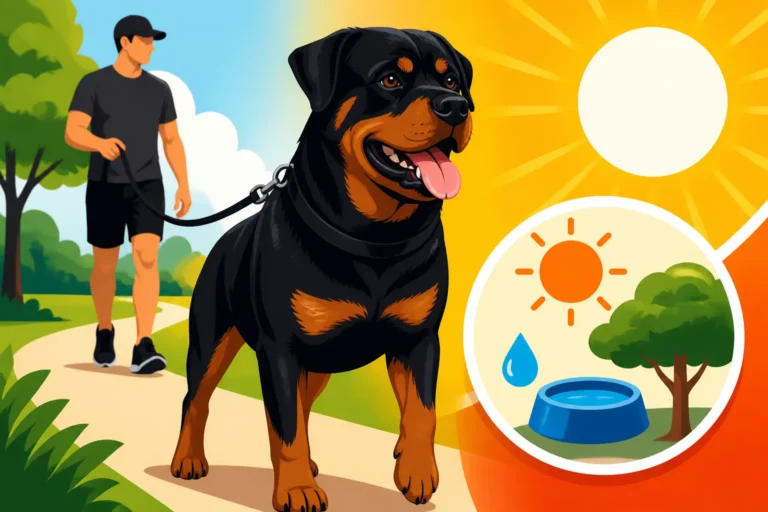
Proper hydration is critical for all dogs, but especially for active Rottweilers. Water helps regulate body temperature, lubricates joints, and aids in nutrient transport and waste removal. Always ensure your Rottweiler has access to fresh, clean water, both at home and when you're out and about exercising. Carry a portable water bottle and bowl on walks or hikes, and offer frequent water breaks, especially on warmer days. Dehydration can lead to fatigue, heatstroke, and can negatively impact recovery.
Post-activity care is just as important as the workout itself. After a vigorous exercise session, allow your Rottweiler to gradually cool down with a slow walk for 5-10 minutes. This helps their heart rate return to normal and prevents blood from pooling in their extremities. During this time, you can also gently check them over for any thorns, cuts, or abrasions, especially on their paw pads.
Consider a gentle massage after particularly strenuous activities to help relax muscles and promote blood flow. For Rottweilers with a thicker undercoat, a quick brush can help remove loose hair and stimulate circulation. On hot days, a cooling vest or a damp towel can help them regulate their body temperature more effectively. These small acts of post-activity care can make a big difference in their comfort, recovery, and overall enjoyment of an active lifestyle.
Monitoring Health, Adapting Plans, and Troubleshooting Challenges
Even with the most well-thought-out fitness plan, a Rottweiler's body can change, and challenges can arise. Being an attentive owner means constantly observing your dog, recognizing subtle cues, and being prepared to adjust your routine as needed. This proactive approach ensures that your fitness efforts remain beneficial and don't inadvertently lead to problems.
Identifying Early Warning Signs of Discomfort or Strain
Rottweilers are known for their stoic nature, which means they often don't loudly complain when they're experiencing discomfort. You need to become an expert in reading their subtle cues. Look for changes in gait, such as a slight limp, stiffness, or an uneven stride that wasn't there before. Observe how they get up and lie down – is it more hesitant? Do they struggle with stairs or jumping into the car? These can be early indicators of joint pain or muscle strain.
Pay attention to their enthusiasm for exercise. A dog that usually bounds out the door but now seems reluctant to go on a walk might be trying to tell you something. Changes in their posture, like holding a limb slightly differently, or an altered tail carriage can also signal discomfort. Even excessive licking of a particular joint or area can be a subtle sign of pain. Don't dismiss these minor changes; they are often the body's first whispers before they become shouts.
Other signs to watch for include decreased appetite, changes in personality (more irritable or withdrawn), excessive panting disproportionate to the activity level, or swelling in any limbs or joints. Keeping a mental note, or even a brief journal, of your Rottweiler's daily activity, energy levels, and any noticeable changes can help you spot patterns that might indicate a developing issue. The earlier you catch these signs, the sooner you can intervene and prevent a minor issue from becoming a major one.
Knowing When to Seek Professional Veterinary Guidance
Recognizing the signs of discomfort is only half the battle; knowing when to seek professional veterinary guidance is the other crucial half. If you observe any persistent lameness, swelling, extreme reluctance to move, or any other significant change in your Rottweiler's mobility or behavior, it's time to call your vet. Don't try to "tough it out" or wait to see if it improves on its own, especially with a large breed where joint issues can escalate quickly.
Your veterinarian can conduct diagnostic tests, such as X-rays, blood work, or even refer you to a specialist like an orthopedic vet or a physical therapist. They can accurately diagnose the problem and recommend appropriate treatment, which might range from rest and anti-inflammatory medication to more intensive therapies like Physical Therapy After Rottweiler Joint Surgery. Attempting to self-diagnose or treat can delay proper care and potentially worsen the condition.
Moreover, if your Rottweiler suddenly collapses during exercise, experiences difficulty breathing, or exhibits any signs of severe pain or distress, consider it an emergency and seek immediate veterinary attention. These could be symptoms of serious conditions like bloat or a cardiac event. Your vet is your most important partner in managing your Rottweiler's health and fitness, so don't hesitate to lean on their expertise when concerns arise.
Adjusting Fitness Routines for the Senior Rottweiler
As your Rottweiler enters their senior years, typically around age seven, their fitness needs will naturally shift. Their stamina may decrease, their joints may become stiffer, and they might develop conditions like arthritis. This doesn't mean their active life is over, but it does mean your approach to fitness needs to be adapted to their changing body. Continuing the same high-intensity routines they enjoyed in their prime can be detrimental.
Focus on maintaining mobility and muscle mass through gentle, consistent exercise. Shorter, more frequent walks at a comfortable pace are usually better than one long, strenuous outing. Continue to prioritize low-impact activities like swimming or walking on soft surfaces. Many senior Rottweilers benefit greatly from hydrotherapy (walking in water on an underwater treadmill), which provides resistance for muscle building without stressing their joints. Consider how you might make adaptations to support their Senior Rottweiler Mobility Decline.
Monitoring becomes even more critical for senior Rottweilers. You'll need to be extra vigilant for signs of pain or fatigue and be prepared to scale back activity whenever needed. Your vet can advise on pain management strategies, such as joint supplements, anti-inflammatory medications, or even acupuncture, to keep your senior Rottweiler comfortable and active. The goal shifts from building peak performance to preserving comfort, quality of life, and cherished moments of movement together.
Exercise Types for Adult Rottweilers: A Quick Guide
| Exercise Type | Description | Benefits for Adult Rottweilers | Considerations/Risks |
|---|---|---|---|
| Brisk Walking | Steady pace, sufficient to elevate heart rate without panting hard. | Excellent cardiovascular fitness, joint flexibility. | Avoid hard surfaces for long periods; start short, increase gradually. |
| Swimming | Full-body workout in water. | Superb for joint health (non-weight bearing), muscle tone, stamina. | Ensure safe entry/exit; supervise closely; cold water can be a factor. |
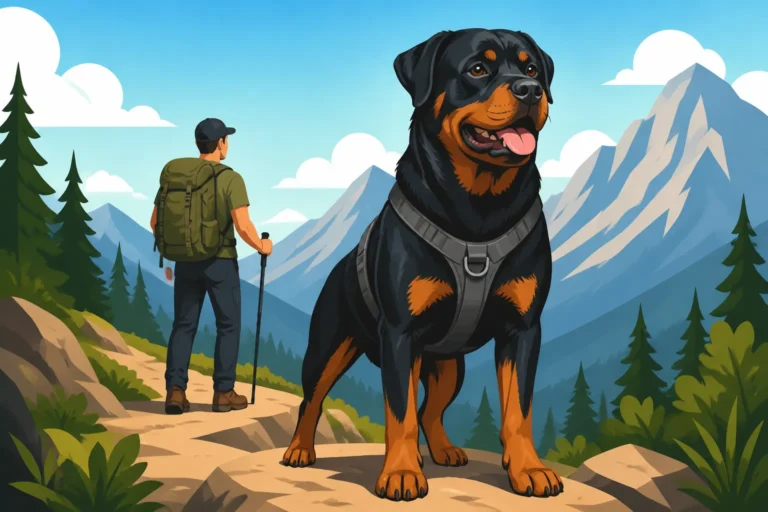
| Hiking (Moderate) | Varied terrain, inclines/declines on dirt trails. | Builds strength, endurance, mental stimulation. | Choose trails carefully (no excessive jumping); monitor paw pads; carry water. |
| Treadmill Walking | Controlled walking on a motorized treadmill. | Builds stamina, muscle tone; useful for weather constraints. | Requires proper introduction and supervision; ensure appropriate size/speed. |
| Cavaletti Poles | Walking over raised poles in a line. | Improves proprioception, core strength, controlled limb movement. | Start with low poles; ensure proper form to avoid tripping or strain. |
| Fetch/Play (Controlled) | Throwing a toy for retrieve in an open area. | Good for bursts of energy, bonding, mental release. | Avoid repetitive, high-impact stops/starts on hard surfaces; prevent overheating. |
| Weight Pulling | Dog pulls a weighted cart or sled (trained sport). | Builds immense strength and muscle mass. | High risk if not properly conditioned and trained by experts; not for beginners. |
Disclaimer
This article is for general informational purposes only and does not constitute professional advice. Laws, prices and regulations vary by location and change over time. Consult a qualified professional for guidance on your specific situation.