What a Health-Tested Rottweiler Puppy Costs
Bringing a Rottweiler puppy into your life is an incredibly exciting prospect, but the initial sticker shock when you start looking at prices for a truly well-bred, health-tested pup can be disheartening, even confusing. It often feels like a barrier to responsible ownership, making you wonder if you're missing something or if these prices are even justified. This comprehensive guide is here to unravel the mystery behind the cost of a health-tested Rottweiler puppy, detailing where your money goes and why investing upfront is crucial for a lifetime of joy, and fewer heartaches down the road.
The Sticker Shock of a Well-Bred Rottweiler Puppy
Let's be honest, seeing a price tag of $1,500, $2,500, or even more for a Rottweiler puppy can make your jaw drop. You might see listings online for significantly less, and it’s natural to wonder why there’s such a vast difference. The truth is, that higher price tag usually reflects a responsible breeder's extensive investment in the health, temperament, and future well-being of their dogs and, ultimately, your puppy. It's not just about the cost of the puppy itself, but about the decades of dedication and financial outlay behind that puppy's lineage.
Why Reputable Breeders Charge More
When a reputable Rottweiler breeder sets a price for their puppies, they're not just pulling a number out of thin air. They're accounting for a long list of expenses that begin long before the puppies are even conceived. First and foremost are the comprehensive health clearances for both parent dogs. This isn't a one-time thing; these tests are often repeated over the dog's lifetime. Think about the cost of Rottweiler Hips and Elbows and the 24-Month Rule certifications, which involve specialist veterinary visits and X-rays, submitted to organizations like the Orthopedic Foundation for Animals (OFA). Then there are cardiac clearances to check for conditions like Subaortic Stenosis, eye certifications to rule out inherited eye diseases, and often genetic testing for conditions specific to Rottweilers, such as JLPP. Each of these clearances carries a significant vet bill, and responsible breeders ensure both parents are cleared before breeding.
Beyond health testing, consider the quality of care for the pregnant dam. She needs top-tier nutrition, regular veterinary check-ups, and a safe, clean whelping environment. Once the puppies arrive, there are deworming protocols, initial vaccinations, microchipping, and perhaps even early neurological stimulation programs. The breeder also spends countless hours socializing the puppies, ensuring they are well-adjusted and confident before going to their new homes. This dedicated care, round-the-clock supervision, and expert knowledge are all factored into the puppy's price, ensuring you receive a robust, healthy, and well-started companion.
The Difference Between "Cheap" and "Affordable"
It's tempting to look at a Rottweiler puppy advertised for $800 or even less and think you've found a bargain. However, in the world of purebred dogs, especially large breeds with known genetic predispositions like Rottweilers, a low price often comes with a much higher hidden cost. A "cheap" puppy from a backyard breeder or a puppy mill usually means corners have been cut. These breeders often skip essential health clearances for the parents, meaning your puppy is at a much higher risk for inheriting debilitating and expensive conditions such as hip and elbow dysplasia, various cancers like Osteosarcoma, or heart disease.
While the initial outlay for a well-bred puppy might seem substantial, it's an investment in preventative care. Imagine bringing home a puppy that develops severe hip dysplasia by its first birthday, requiring thousands of dollars in surgery, medication, and physical therapy. That "cheap" puppy quickly becomes incredibly expensive, both financially and emotionally. Reputable breeders, by investing in health testing and quality care, are actively working to reduce the likelihood of these costly and heartbreaking issues. They understand that a puppy isn't just a transaction; it's a commitment for the next eight to ten years, and they aim to provide you with the best possible start. It’s about understanding that Why an $800 Rottweiler Puppy Costs More Later is because the true cost isn't just what you pay upfront, but what you might pay in vet bills.
Understanding Health Clearances and Their Impact on Cost
The phrase "health-tested parents" is one you'll hear often from reputable Rottweiler breeders, and it's a critical component of why their puppies cost what they do. These aren't just buzzwords; they represent a significant financial and time commitment aimed at minimizing the risk of inherited diseases in future generations. For a breed like the Rottweiler, prone to certain conditions, these clearances are non-negotiable for anyone truly dedicated to the breed's health.
OFA and CERF Certifications for Parents
The Orthopedic Foundation for Animals (OFA) is a cornerstone of health testing for many breeds, including Rottweilers. The most common and crucial OFA certifications for Rottweiler parents involve their hips and elbows. Hip dysplasia and elbow dysplasia are prevalent in large breeds, leading to painful arthritis, lameness, and potentially costly surgeries like Total Hip Replacement in a Rottweiler. To obtain OFA certifications, a dog must be at least 24 months old, and X-rays are taken by a veterinarian, often requiring sedation, then submitted to a panel of radiologists at OFA for evaluation. This process can cost hundreds of dollars per dog, and if the results aren't good enough, that dog is removed from the breeding program, meaning the breeder has invested time and money into a dog they cannot breed, reflecting their commitment to quality. You want to see Rottweiler Hip Dysplasia and the OFA Grade and Rottweiler Elbow X-Rays Taken at Twenty-Four Months clearances for both parents.
Beyond orthopedic health, reputable breeders also ensure their breeding stock has up-to-date eye certifications (often through the OFA Eye Certification Registry, formerly CERF) to screen for hereditary eye diseases such as entropion, ectropion, or cataracts. These exams are performed by board-certified veterinary ophthalmologists and need to be recertified regularly, sometimes annually or every three years. Similarly, cardiac clearances are vital, particularly to screen for Subaortic Stenosis (SAS), a common heart condition in Rottweilers. This involves a specialized echocardiogram performed by a board-certified veterinary cardiologist, often around the age of two years, to ensure the dog has a healthy heart. The Rottweiler Echocardiogram at Two Years Old is a crucial step to detect any issues. All these specialist consultations and tests accumulate, directly impacting the final puppy price, but offering immense peace of mind.
Genetic Testing for Rottweiler-Specific Diseases
In addition to structural and organ-specific clearances, genetic testing plays a huge role in responsible Rottweiler breeding today. One of the most significant advancements has been the widespread availability of DNA testing for Juvenile Laryngeal Paralysis & Polyneuropathy (JLPP), a devastating neurological condition unique to Rottweilers. This recessive disorder affects the larynx and eventually the entire nervous system, leading to a host of debilitating symptoms in puppies. A simple DNA swab can identify if a dog is Clear, a Carrier, or Affected. Responsible breeders ensure that at least one parent in a breeding pair is "Clear" to guarantee that no puppy will ever develop the disease. This is why JLPP and the Rottweiler DNA Test is so important.
The cost of these DNA tests, while not as high as X-rays or echocardiograms, is still part of the overall investment. Furthermore, some breeders may opt for broader genetic panels that screen for other known conditions, even if less common in Rottweilers, as a testament to their dedication to producing the healthiest puppies possible. This proactive approach to health means you're far less likely to face the emotional and financial burden of a puppy developing a preventable genetic disease early in its life. Asking about the results of these tests and seeing the official paperwork should be a standard part of your interaction with any breeder.
Beyond the Purchase Price: Initial Puppy Expenses
Once you've navigated the world of reputable breeders and committed to bringing home a health-tested Rottweiler puppy, the financial journey doesn't stop with the purchase price. The first year of puppy ownership, especially for a large breed that grows as rapidly as a Rottweiler, comes with its own unique set of expenses. Being prepared for these initial costs is just as important as budgeting for the puppy itself.
First-Year Vet Care and Vaccinations
Your new Rottweiler puppy will need several trips to the veterinarian during its first few months. This starts with an initial vet check-up within a few days of bringing them home, often a requirement of the breeder's health guarantee. This visit is crucial for establishing care with your chosen vet and ensuring your puppy is indeed healthy. Following this, there's a series of core vaccinations (distemper, parvovirus, adenovirus, parainfluenza, and rabies) that are typically given in boosters over several weeks. Each vaccine appointment carries an examination fee and the cost of the vaccine itself.
Beyond vaccinations, your puppy will need regular deworming treatments, especially if they came from an environment with other dogs. Microchipping is also a vital step for identification and safety, and while some breeders microchip their puppies, others may leave this to the new owner. If your puppy is not yet spayed or neutered, that will be a significant cost later in the first year or early in the second, with prices varying widely based on location and vet clinic, and also on the dog's size, as anesthesia is often billed by weight for a Rottweiler. Lastly, year-round parasite prevention for fleas, ticks, and heartworm is essential and will be an ongoing monthly or quarterly expense. These preventive measures are critical for keeping your Rottweiler healthy and avoiding more serious and costly illnesses down the line.
Essential Puppy Supplies for a Growing Rottweiler
Bringing home a new puppy means setting up their personal space and ensuring they have all the essentials. For a Rottweiler, "essentials" often mean "heavy-duty" and "large-sized." First on the list is a sturdy crate. A Rottweiler puppy will grow incredibly fast, so you'll want a crate that can accommodate its adult size, which means a large or extra-large model. These are not cheap, often ranging from $100 to $300 or more, but they are indispensable for house-training and providing a safe den. Then there's bedding – something durable, washable, and comfortable.
Food is another major initial expense. You'll need high-quality large breed puppy food formulated to support controlled growth, which is critical for healthy joint development in Rottweilers. Brands like Purina Pro Plan Large Breed Puppy or Royal Canin Large Breed Puppy are popular choices. You might even explore services like Ollie, which offers fresh, human-grade food delivered to your door, although this typically comes at a higher premium. Factor in quality food and water bowls, preferably stainless steel to prevent bacterial growth. Don't forget a sturdy collar and leash – and be prepared to upgrade sizes quickly! Finally, a good selection of durable chew toys is a must for those sharp puppy teeth. Investing in strong, safe toys not only provides enrichment but also helps redirect chewing away from your furniture. Many owners find great value in bulk purchases from retailers like Chewy, which can offer competitive pricing and convenient delivery for large bags of food and supplies.
Long-Term Financial Commitments for a Rottweiler
The first year is just the beginning of your financial journey with a Rottweiler. These magnificent dogs are a long-term commitment, typically living for 8 to 10 years, and their needs evolve as they mature. Understanding the ongoing costs, from daily sustenance to continued education, is vital for responsible ownership.
Ongoing Food and Nutrition Costs
As your Rottweiler matures, its dietary needs will shift from puppy formula to adult large breed dog food. This transition usually occurs around 18-24 months of age, depending on the individual dog's growth rate and development. Adult Rottweilers are powerful, muscular dogs that require a substantial amount of high-quality food to maintain their condition. Feeding a hundred-pound Rottweiler for a month can easily run $80-$150 or more, depending on the brand, quality, and your dog's activity level. Remember that portioning should always be guided by your dog's body condition score, not just the bag's recommendations. An overweight Rottweiler puts undue stress on its joints, contributing to conditions like Rottweiler Hip Dysplasia and the OFA Grade or Cruciate Tears in a Heavy Rottweiler, which are very costly to treat.
Some owners opt for fresh food diets, whether homemade (carefully balanced with veterinary nutritionist guidance to avoid nutrient deficiencies, particularly calcium imbalances which can be harmful) or commercially prepared options like those from Ollie. While these often boast excellent ingredients, they typically come at a higher price point than premium kibble. Bulk purchasing from online retailers like Chewy can help manage costs for larger bags of food. Additionally, you might consider supplements, such as joint support, especially as your Rottweiler ages, or if they're particularly active. These are added expenses that factor into the overall cost of keeping your big companion healthy.
Training and Socialization Investments
A Rottweiler's size, strength, and guarding instincts mean that ongoing training and socialization are not just beneficial, but absolutely essential for a well-adjusted and safe family member. The saying, "Train the dog you have, not the dog you want," is particularly true for Rottweilers, who thrive on clear boundaries and consistent guidance. Puppy classes are a fantastic starting point, costing anywhere from $150 to $300 for a multi-week course. These classes teach basic obedience and, crucially, provide structured socialization opportunities for your puppy to interact positively with other dogs and people.
As your Rottweiler grows, you might consider advanced obedience classes, private training sessions, or even specialized courses like Canine Good Citizen (CGC) preparation. A private trainer, especially one experienced with large working breeds, can cost $75-$200 per hour or more. Early and continuous Rottweiler Puppy Training Through the First Year is non-negotiable. Without it, a powerful dog that is not consistently trained can develop behavioral issues like leash pulling at 110 pounds, resource guarding, or reactivity towards strangers or other dogs, which can be incredibly challenging and costly to address later with a behaviorist. Investing in training is an investment in your peace of mind and your Rottweiler's ability to be a well-mannered member of society.
The Unseen Costs: Emergency Funds and Insurance
It's easy to focus on the tangible costs of a puppy, but truly responsible Rottweiler ownership demands foresight into the unexpected. Even with the best breeding and care, emergencies and health issues can arise, and without a financial safety net, these can become devastating.
The Reality of Emergency Vet Bills
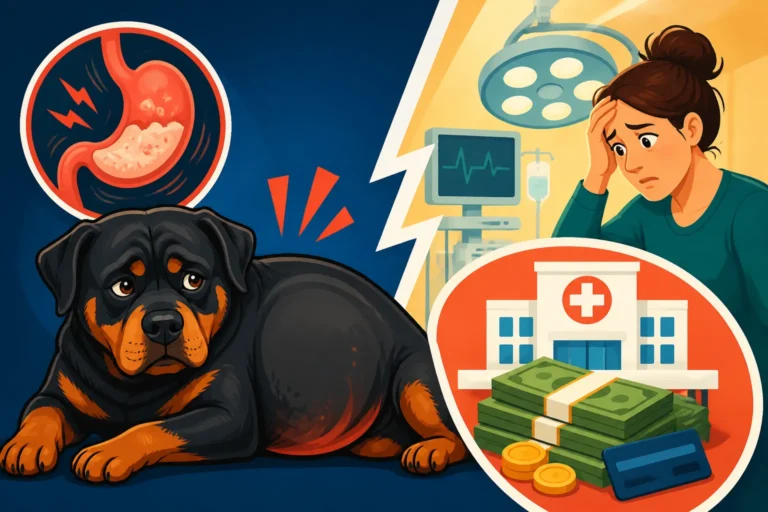
Rottweilers, like all large breeds, are unfortunately predisposed to certain serious health conditions that can strike suddenly and require immediate, expensive veterinary intervention. One of the most terrifying is bloat (Gastric Dilatation-Volvulus or GDV), where the stomach twists. Rottweiler Bloat Surgery Cost in an Emergency can easily range from $3,000 to $7,000 or more, depending on the severity and whether there are complications, and time is absolutely critical for survival. Then there's the risk of cancer, particularly osteosarcoma, a type of bone cancer common in Rottweilers. Diagnosis, amputation, and chemotherapy can cost tens of thousands of dollars. Rottweiler Surgery Costs From Bloat to Bone Cancer are not minor expenses.
Accidents happen too. A torn cruciate ligament from enthusiastic play can lead to TPLO surgery costing $4,000-$6,000 per knee. Ingesting something toxic, getting into a fight with another animal, or developing a sudden infection can all result in urgent care visits, diagnostic tests (X-rays, ultrasounds, bloodwork), and hospitalization that quickly accumulate into hundreds or thousands of dollars. These aren't just hypotheticals; they are real possibilities for a large, active dog, and facing them unprepared can lead to heartbreaking choices.
The Value of Pet Insurance
Given the potential for substantial emergency vet bills, pet insurance becomes a critical tool for many Rottweiler owners. Think of it as health insurance for your dog. For a Rottweiler, Rottweiler Pet Insurance and the $204 Average is a realistic monthly premium, though this can vary based on your location, the dog's age, and the specific policy coverage (e.g., deductible, reimbursement percentage, annual limits). Companies like Healthy Paws offer comprehensive accident and illness plans that can provide a huge financial buffer when unexpected medical events occur.
The key to maximizing the benefit of pet insurance is to enroll your Rottweiler when they are a young puppy, ideally before any health issues arise. Most policies consider any condition diagnosed before enrollment or during the waiting period as "pre-existing," and these will not be covered. So, if your Rottweiler puppy shows signs of hip pain before you have insurance, that condition might be excluded. While Rottweiler Insurance at Two Hundred Dollars a Month might seem like a lot, it can be a lifesaver when you're faced with a $5,000 emergency bill, covering a significant portion of the cost after your deductible. It allows you to make medical decisions based on what's best for your dog, rather than what you can afford out of pocket.
Understanding Breeder Contracts and Health Guarantees
When you purchase a health-tested Rottweiler puppy from a reputable breeder, you'll almost certainly sign a contract. This document is much more than just a receipt; it's a legally binding agreement that outlines the responsibilities of both the breeder and the buyer, and it often includes vital health guarantees that protect your investment and, more importantly, your puppy's well-being. Don't gloss over this paperwork—read it carefully and ask questions.
What to Look For in a Reputable Contract
A well-crafted breeder contract will detail expectations for your puppy's care, often including clauses about nutrition, exercise limits while growing, and the age at which spaying or neutering should occur (if it's not done before you take the puppy home). Many reputable breeders include a "return clause" stating that if, for any reason, you cannot keep the dog at any point in its life, it must be returned to them, rather than being rehomed or relinquished to a shelter. This demonstrates a breeder's lifelong commitment to their dogs.
Crucially, the contract should outline the health guarantee. This typically covers genetic health conditions that were screened for in the parent dogs, such as hip and elbow dysplasia, cardiac issues (like SAS), and JLPP. For example, a guarantee might state that if your Rottweiler is diagnosed with severe hip dysplasia (OFA Fair or worse) before a certain age (e.g., 24 months), the breeder will offer a replacement puppy or a partial refund. Be aware that these guarantees usually require specific diagnostic proof from a licensed veterinarian, and may not cover environmental factors or conditions not directly tied to tested genetics. It's important to understand the specifics of what the guarantee covers, its duration, and what steps you would need to take to utilize it.
The Red Flags of a Questionable Breeder
Conversely, the absence of a comprehensive contract, or a contract that seems vague or one-sided, is a major red flag. If a breeder can't or won't provide paperwork for health clearances on the parents, or dismisses their importance, walk away immediately. This includes OFA hip and elbow certifications, cardiac clearances, eye exams, and JLPP DNA test results. You should be able to see A Rottweiler Listing With No Hip or JLPP Papers and understand that this is a significant risk. Be wary of breeders who offer puppies significantly below the going rate for health-tested pups, as this often indicates corners have been cut on health or care.
Other warning signs include breeders who have multiple litters available at once, offer "designer" or "rare" colors (like "blue" or "red" Rottweilers, which are not standard and often indicate mixed breeding or unethical practices), or pressure you into making a quick decision without allowing you to visit their facility, meet the parent dogs, or ask extensive questions. A reputable breeder will be transparent, eager to educate you, and will often interview you thoroughly to ensure their puppy is going to a good home. They're invested in the puppy's future, not just the sale. Avoid anyone who sells puppies in a parking lot or public meeting place, as this is a common tactic for puppy mill operations and unethical breeders.
Comparing Rottweiler Costs: Pet Quality vs. Show/Working Lines
When looking at Rottweiler puppy listings, you might notice varying price points, sometimes even from the same reputable breeder. This often comes down to whether a puppy is designated "pet quality" or has "show/working potential." It’s important to understand that these distinctions are based on how closely a puppy adheres to the breed standard, not necessarily on its health or temperament, which should be excellent regardless.
Pet Quality vs. Show Potential
A "pet quality" Rottweiler puppy is one that might have a minor cosmetic flaw or a structural trait that, while perfectly healthy and functional, means it wouldn't excel in the conformation show ring. Perhaps its ear set is slightly off, its markings aren't perfectly symmetrical, or its tail (if undocked, as is becoming more common) has a slight curve the AKC standard doesn't favor. These puppies are sold at a lower price point than their show-potential littermates, typically ranging from $1,500 to $2,500. However, it's absolutely crucial that these "pet quality" puppies still come from fully health-tested parents and are raised with the same dedication and care as any other puppy in the litter. Show Quality Against Pet Quality Rottweiler Prices reflect these subtle differences in physical characteristics rather than fundamental health.
On the other hand, a "show potential" puppy is one that, at a young age, appears to conform very closely to the breed standard, showing promise for a career in conformation showing. These puppies are often priced higher, sometimes $2,500 to $5,000 or more, because they represent the breeder's best efforts to produce dogs that can compete at a high level and continue the line. Similarly, puppies designated for working roles (like Schutzhund, protection sports, or service work) might also command higher prices due to their strong drives, stable temperaments, and specific aptitudes. Regardless of the designation, a responsible breeder will always prioritize health and temperament, so even your "pet quality" Rottweiler should be a robust, well-adjusted companion from healthy lines.
Imported Rottweilers and Working Line Costs
For those seeking specific bloodlines, particularly those from European countries like Germany (where the breed originated), the cost of a Rottweiler puppy can increase significantly. Why an Imported Rottweiler Costs More isn't just about the puppy itself, but the layers of logistics and legalities involved. An imported Rottweiler puppy might come from renowned German ADRK (Allgemeiner Deutscher Rottweiler-Klub) lines, known for their strict breeding regulations and emphasis on working ability and temperament. The purchase price from European breeders might already be higher, reflecting different breeding practices and reputations.
Beyond the initial price, there are substantial additional costs for importing. This includes international shipping fees, often thousands of dollars, which covers air transport, veterinary health certificates, and customs clearance. There might also be quarantine requirements depending on the country of origin and destination. These puppies are usually chosen for specific purposes – showing, breeding, or high-level working dog sports – and thus command a premium. Similarly, puppies from highly sought-after working lines within the US, whose parents have achieved advanced titles in disciplines like Schutzhund, IPO, or IGP, will also be at the higher end of the price spectrum, often starting at $3,000 and going upwards, reflecting the extensive training, testing, and accomplishments of their lineage.
Estimated Rottweiler Puppy Costs
To give you a clearer picture, here's a table summarizing potential costs you might encounter when acquiring a health-tested Rottweiler puppy and preparing for its first year. Remember, these are estimates and can vary based on your location, vet rates, and choices in products and services.
| Cost Category | Low Estimate ($) | High Estimate ($) | Notes |
|---|---|---|---|
| Purchase Price | $1,500 | $5,000+ | Varies by breeder reputation, health testing, show/working potential, and lineage. |
| Initial Vet Visits | $300 | $800 | Vaccinations, deworming, microchip, initial health checks. |
| Spay/Neuter | $400 | $800 | For a large breed; varies by location. Often done after 18-24 months for Rottweilers. |
| Food (First Year) | $1,000 | $1,800 | High-quality large breed puppy/adult formula. |
| Crate | $100 | $300 | Large/XL, durable. |
| Bedding | $50 | $150 | Durable, washable for a large dog. |
| Collar/Leash | $50 | $150 | Will need to size up as puppy grows. |
| Bowls | $30 | $80 | Stainless steel recommended. |
| Toys/Chews | $150 | $300 | Durable, appropriate for strong chewers. |
| Training Classes | $150 | $500 | Puppy classes, basic obedience. Private training can add thousands. |
| Parasite Prevention | $150 | $300 | Monthly heartworm, flea/tick medication. |
| Pet Insurance | $1,800 ($150/mo) | $3,000 ($250/mo) | Estimate for first year, crucial for emergencies. |
| Total First Year | $5,790 | $13,860+ | Excludes unexpected emergencies, which insurance helps mitigate. |
This table clearly illustrates that the purchase price is just one part of the equation. Being prepared for these ongoing and initial costs ensures you can provide the best possible life for your Rottweiler.
Disclaimer
The information provided in this article is for general informational purposes only and does not constitute professional veterinary advice. Always consult with a qualified veterinarian or animal health professional for any health concerns or before making any decisions related to your pet's care. Costs mentioned are estimates and can vary widely based on location, specific service providers, and individual pet needs.