Rottweiler Bloat Surgery Cost in an Emergency
There are few things more terrifying for a Rottweiler owner than seeing their beloved companion struggling with bloat, also known as Gastric Dilatation-Volvulus (GDV). It's a sudden, life-threatening emergency where minutes truly matter, and when it strikes, the last thing you want to be worrying about is the astronomical vet bill. This comprehensive guide will walk you through the typical costs associated with emergency bloat surgery for a Rottweiler, what contributes to those charges, and how you can prepare for such an unthinkable financial strain.
Understanding Gastric Dilatation-Volvulus The Emergency No One Wants
Bloat is a condition that every Rottweiler owner needs to be intimately familiar with, as our big, deep-chested dogs are particularly susceptible. It's not just a bad case of gas; it's when the stomach rapidly fills with gas, fluid, or food (dilatation) and then often twists upon itself (volvulus), cutting off blood flow to the stomach and sometimes the spleen. This twisting, or volvulus, is what makes GDV so incredibly dangerous and rapidly fatal without immediate intervention. It can happen swiftly, turning a healthy, happy dog into one in critical condition within an hour or two.
Recognizing the signs of bloat in a Rottweiler is crucial because early intervention can literally be the difference between life and death. You might notice your dog pacing restlessly, attempting to vomit without bringing anything up (retching), drooling excessively, having a distended or firm abdomen, or showing signs of pain like whining or reluctance to move. The critical period for treatment is often referred to as the "golden hour," meaning that the sooner you get your Rottweiler to an emergency vet, the better their chances of survival. Delaying treatment, even by an hour, can significantly worsen the prognosis, as the twisted stomach begins to die, and toxins are released into the bloodstream.
The sheer size and robust nature of a Rottweiler, while admirable, also contribute to the severity of bloat. Their large chests create more space for the stomach to distend and twist, and their deep-chested conformation is a known risk factor. This isn't just a painful condition; it's a systemic crisis that affects blood pressure, breathing, and can lead to organ damage. When this happens, there's no home remedy; it's an immediate dash to the emergency veterinary clinic, where the clock is ticking, and the only solution is emergency surgery.
The Components of an Emergency Bloat Surgery Bill
When your Rottweiler is rushed in with suspected GDV, the veterinary team will immediately begin stabilization and diagnostic procedures, all of which contribute to the final bill. These aren't elective procedures; they are absolutely essential to give your dog a fighting chance. The costs can vary dramatically based on your geographical location, whether it's a specialty emergency hospital or a general practice with emergency capabilities, and the severity of your dog's condition upon arrival. However, generally speaking, you can expect an emergency bloat surgery bill to fall within the range of $3,000 to $8,000, and sometimes even higher if severe complications arise.
Initial Stabilization and Diagnostics
Before any surgery can begin, the veterinary team needs to stabilize your Rottweiler and confirm the diagnosis. This involves a rapid assessment of their vital signs, placement of IV catheters for fluids, pain medication, and potentially administering medication to help alleviate gas buildup or prevent shock. X-rays are almost always necessary to confirm that the stomach has indeed twisted, rather than just being distended, which dictates the surgical urgency. Blood work will also be run to check organ function and blood cell counts, which are critical for assessing overall health and anesthetic risk.
These initial steps are non-negotiable and form a significant part of the early charges. For a Rottweiler, due to their size, the dosages for medications and the volume of IV fluids required will naturally be higher than for a smaller dog. Emergency clinics also often have an "after-hours bill when a Rottweiler bloats" surcharge, reflecting the specialized staff and equipment needed to operate around the clock. Don't be surprised to see hundreds, if not a thousand or more, dollars accrued even before your dog enters the operating room.
The Surgical Procedure Itself
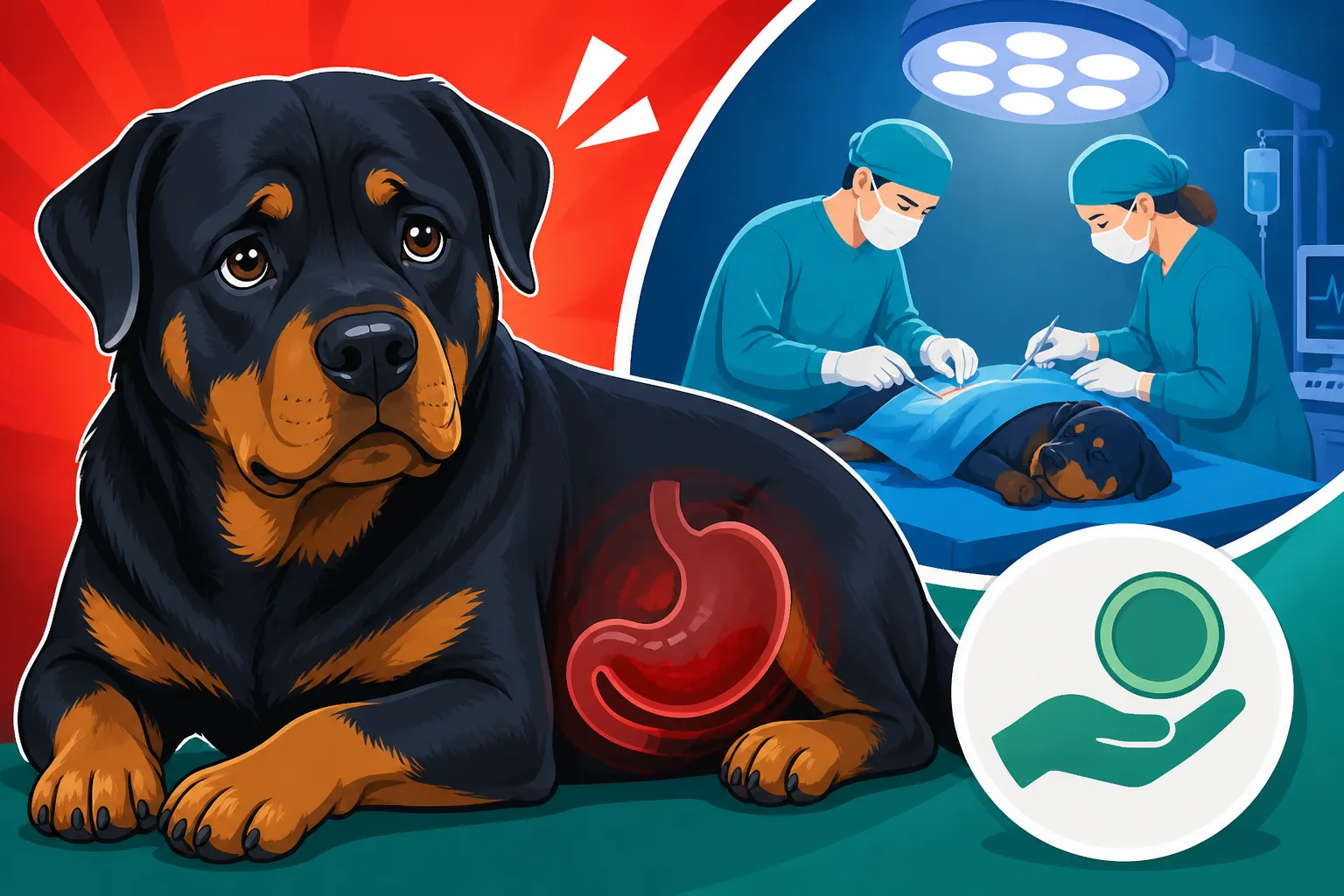
The core of the emergency treatment is the surgery, known as a gastropexy. During this procedure, the surgeon will first untwist the stomach, check for any damaged or necrotic tissue, and then permanently tack the stomach to the abdominal wall. This "tacking" procedure is crucial for preventing future episodes of bloat. While it doesn't prevent the stomach from dilating, it does prevent it from twisting, which is the life-threatening component. The complexity of the surgery, including how much damage the stomach has sustained and whether any part needs to be removed, will heavily influence the cost.
Beyond the surgical fee, there are significant associated costs. Anesthesia risk for a dog a Rottweiler's size is higher, requiring careful monitoring by a dedicated veterinary technician, and the larger an animal is, the more anesthetic drugs are needed. Specialized surgical instruments, sterile supplies, and the time of the skilled veterinary surgeon all contribute to this substantial portion of the bill. If the spleen has also twisted or been damaged, it might need to be removed, adding further complexity and cost.
Post-Operative Care and Hospitalization
Bloat surgery isn't a "fix it and send them home" situation. Your Rottweiler will require intensive post-operative care and hospitalization, usually for at least 2-3 days, sometimes longer depending on their recovery. This critical period involves continuous monitoring of vital signs, aggressive pain management, IV fluid therapy, and antibiotics to prevent infection. They will be housed in an intensive care unit (ICU) where trained staff can watch them around the clock for any signs of complications such as arrhythmias (irregular heartbeats, common after GDV), further stomach issues, or infection.
Each day of hospitalization, every injection of pain medication, every bag of IV fluids, and every minute of monitoring adds to the bill. For a large dog like a Rottweiler, these costs accumulate quickly. The specialized care required after such a traumatic event is vital for a successful recovery, and it's an expense that owners often underestimate until they see the detailed breakdown.
Here's a breakdown of common cost components you might encounter:
| Service/Item | Estimated Cost Range (USD) | Notes |
|---|---|---|
| Emergency Exam & Stabilization | $200 – $800 | Initial assessment, IV catheter, fluids, pain meds, shock treatment. |
| Diagnostic X-rays | $200 – $500 | To confirm GDV and assess severity. |
| Bloodwork | $150 – $400 | Pre-anesthetic, organ function, electrolyte balance. |
| Anesthesia (Monitoring & Drugs) | $800 – $1,500 | Administered and monitored by a dedicated tech; larger dog means more drugs. |
| Surgical Procedure (Gastropexy) | $2,000 – $5,000 | Untwisting stomach, permanent tacking. Higher if stomach/spleen damage is extensive. |
| Hospitalization (per day, ICU) | $400 – $1,000+ | 24/7 monitoring, IV fluids, medications, nursing care. Typically 2-4 days. |
| Medications (Pain, Antibiotics, GI) | $100 – $400 | During hospitalization and for discharge. |
| Emergency Surcharge/After-Hours Fees | $150 – $500 | For immediate care outside regular business hours. |
| Total Estimated Cost | $3,000 – $8,000+ | This range can fluctuate significantly based on location, clinic, and complexity of the case. |
Preparing for the Unthinkable Financial Strategies
The financial burden of emergency bloat surgery can be overwhelming, especially when it strikes without warning. This is why planning ahead is absolutely critical for any Rottweiler owner. You don't want to be in a position where financial constraints influence your ability to provide life-saving care for your dog.
Pet Insurance A Lifeline for Emergencies
One of the most effective ways to mitigate the risk of high emergency vet bills is through pet insurance. A good comprehensive policy can cover a significant portion of unexpected costs like bloat surgery. When looking for coverage, pay close attention to the deductible, reimbursement percentage (often 70-90%), and annual limits. Companies like Healthy Paws are known for their comprehensive accident and illness plans, which are precisely what you need for an emergency like GDV. It's vital to enroll your Rottweiler when they are young and healthy, as pre-existing conditions (like a previous bloat episode) will not be covered. While you might wonder about the average cost of Rottweiler insurance premiums around $204 a month, considering that a bloat surgery can easily exceed $5,000, it quickly becomes clear that pet insurance can be an invaluable investment over your dog's lifespan.
Remember that enrolling a Rottweiler at eight weeks old is ideal. The younger they are, the fewer pre-existing conditions they will have developed. Be sure to check what a Rottweiler policy will not cover, and be realistic about deductibles and reimbursement percentages. Even with 90% reimbursement, a $7,000 bill still means you're responsible for $700 plus your deductible. It’s also wise to understand that claims from switching insurers once a Rottweiler has claims might make new policies deny certain conditions.
Emergency Savings and Credit Options
Beyond insurance, having a dedicated emergency fund for your Rottweiler is a smart move. Aim to save at least a few thousand dollars specifically for unexpected veterinary care. This fund acts as a buffer and can be used for deductibles or expenses not covered by insurance. Many owners find that a separate savings account, even if only contributing a small amount regularly, builds up over time and provides immense peace of mind.
If you don't have pet insurance or a robust emergency fund, credit options like CareCredit or similar veterinary financing programs can be a lifesaver. These often offer deferred interest periods, allowing you to pay off large bills over several months without incurring additional charges if paid within the promotional period. While not ideal, it's a viable option when faced with immediate, high-cost medical needs. Discussing emergency vet bills a Rottweiler owner should expect with your regular vet can also help you understand potential costs and financial tools available in advance.
Preventive Measures and Their Impact
While nothing can completely eliminate the risk of bloat, taking preventive steps can significantly reduce the likelihood. One of the most effective preventive measures is an elective procedure called a prophylactic gastropexy. This is the same stomach-tacking surgery performed during an emergency, but done before a bloat episode, typically during a spay or neuter. The cost of preventive gastropexy done during a Rottweiler spay or neuter is substantially less than emergency surgery, often ranging from $400 to $1,000, as it's a planned procedure on a healthy dog. Many vets recommend considering whether preventive gastropexy is worth it, especially for high-risk breeds like Rottweilers.
Beyond surgery, managing your Rottweiler's diet and eating habits can also lower risk. Splitting a Rottweiler's food into two meals (or even three) rather than one large meal can help. Avoid vigorous exercise right before or after eating, and ensure your dog isn't eating too quickly. Feeding rules that lower Rottweiler bloat risk include using slow feeder bowls and ensuring fresh water is always available. Some owners also consider diet options from reputable brands. For instance, services like Ollie provide fresh, pre-portioned meals, and while they might seem pricier, they ensure consistent, healthy intake. Similarly, Chewy offers a vast array of high-quality large breed dog foods that can support digestive health. The raised bowl argument in Rottweiler bloat is still debated, with some studies suggesting it might increase risk, so always discuss with your vet.
Beyond the Immediate Surgery What to Expect Post-Op
Surviving emergency bloat surgery is a huge hurdle, but it's not the end of the journey. The post-operative period is crucial for your Rottweiler's full recovery and may involve further costs and significant adjustments to their routine. Understanding these aspects helps you prepare for the long-term commitment.
Follow-Up Care and Potential Complications
Once your Rottweiler is discharged from the hospital, they will likely need follow-up vet visits to check on their incision, monitor for any signs of infection, and ensure they are recovering well. These rechecks typically include medication refills, especially for pain management, antibiotics, and sometimes gastrointestinal support. The cost for these visits and medications will add to the overall expense, though usually not as dramatically as the initial surgery and hospitalization.
It's also important to be aware of potential complications that can arise even after a successful surgery. Cardiac arrhythmias are common post-GDV and may require ongoing medication or monitoring. Other issues could include infection at the surgical site, delayed stomach emptying, or, in rare cases, the gastropexy failing. Each of these complications would necessitate additional veterinary intervention, diagnostics, and treatment, thus incurring more costs. Your vet will provide detailed instructions on what to watch for and when to bring your Rottweiler back in for an emergency revisit.
Long-term Dietary and Lifestyle Adjustments
A bloat survivor will likely need permanent adjustments to their diet and lifestyle to minimize any remaining risk factors and support their overall health. Your vet might recommend a specific diet, perhaps smaller, more frequent meals, and continued use of slow feeder bowls. The advice against vigorous exercise immediately before or after meals will become even more critical. You'll also need to be vigilant about monitoring for any subtle signs of discomfort or changes in appetite.
These adjustments are not typically "costly" in themselves but represent a shift in routine and careful management. For example, while you might choose a premium dog food from Chewy that supports digestive health, the real "cost" is in the consistent vigilance required. If you're exploring fresh food options like Ollie for better digestibility, this will be an ongoing budget consideration. However, the peace of mind knowing you're doing everything possible to prevent another bloat episode is priceless. This commitment to ongoing care underscores the importance of being fully informed about your Rottweiler's health needs, especially as Rottweiler bloat risk rises with age.
Disclaimer
The information provided in this article is for general informational purposes only and does not constitute veterinary advice. Always consult with a qualified veterinarian for any health concerns or before making any decisions about your pet's care. Costs mentioned are estimates and can vary widely based on location, veterinary clinic, and individual circumstances.