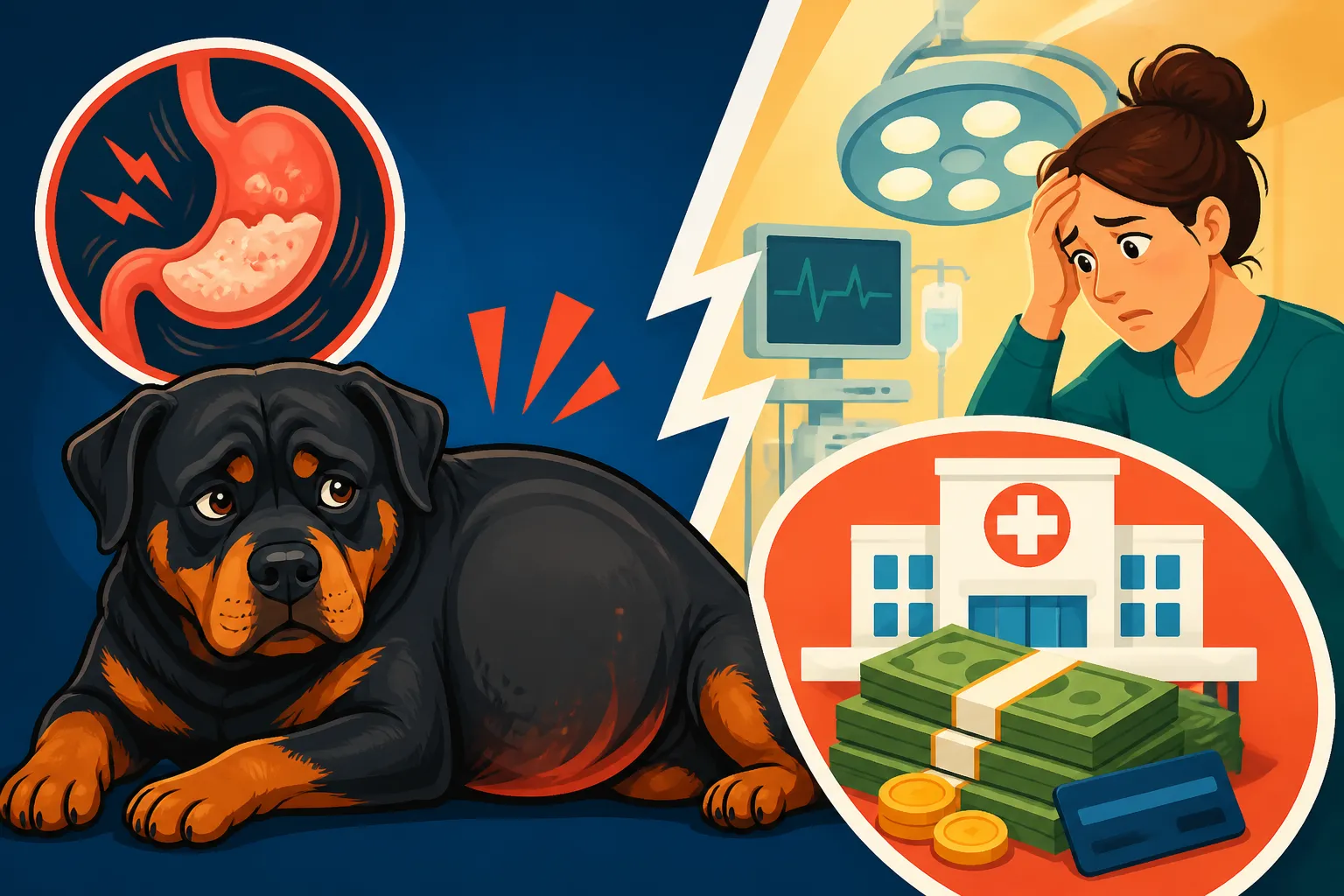
The After-Hours Bill When a Rottweiler Bloats
The gut-wrenching feeling of seeing your beloved Rottweiler suddenly distressed, pacing, trying to vomit but bringing nothing up, or simply showing a distended abdomen, is one of the most terrifying experiences any owner can face. This immediate crisis, often occurring late at night or on a weekend, isn't just a race against time for your dog's life; it's also a direct line to an emergency veterinary bill that can feel overwhelming. This guide is here to walk you through exactly what those after-hours costs entail when a Rottweiler bloats, so you can be as prepared as possible for this critical situation.
Understanding Rottweiler Bloat as an Emergency
Bloat, scientifically known as Gastric Dilatation-Volvulus (GDV), is a life-threatening condition where a dog's stomach fills with gas, food, or fluid (dilatation) and then twists upon itself (volvulus). This twisting cuts off blood flow to the stomach and often the spleen, and rapidly progresses to shock, organ damage, and eventually death if not treated immediately. For large, deep-cheested breeds like Rottweilers, it's a tragically common and incredibly urgent medical emergency.
The Critical Race Against Time
When your Rottweiler experiences bloat, every minute truly counts. Unlike a minor cut or a limping episode that might wait until morning, bloat demands immediate, intensive care. The symptoms, which can include unproductive retching, a swollen or hard abdomen, restlessness, excessive drooling, and signs of pain, usually escalate rapidly. You can learn more about how to quickly recognize these critical signs in our guide on Recognizing Bloat in a Rottweiler. If you suspect bloat, you absolutely cannot wait for your regular vet to open. You need to get to an emergency veterinary hospital immediately, even if it's 2 AM on a Sunday. The longer the stomach remains twisted, the greater the damage to the stomach tissue, the higher the risk of complications, and the more complex and expensive the eventual surgery and recovery will become. It's truly a matter of Bloat in a Rottweiler and the Hours That Matter.
Why Emergency Care Costs More
It’s a frustrating reality that emergency veterinary care comes with a significantly higher price tag than routine daytime appointments. This isn't because emergency vets are trying to take advantage of a desperate situation, but rather due to the immense overhead involved in providing 24/7 critical care. Emergency veterinary hospitals operate around the clock, meaning they have to staff veterinarians, veterinary technicians, and support personnel through nights, weekends, and holidays. These shifts often command premium pay rates.
Furthermore, emergency clinics are equipped with specialized, often expensive, equipment that isn't typically found in a standard general practice. This includes advanced diagnostic tools like digital X-rays and ultrasound machines, intensive care units with oxygen cages, specialized monitoring equipment for heart rate, blood pressure, and oxygen saturation, and a full surgical suite ready at a moment's notice. The availability of a fully-stocked pharmacy and blood bank for transfusions also adds to their operational costs. All these factors contribute to the higher fees you encounter when your Rottweiler needs after-hours care.
Breaking Down the Emergency Bloat Bill
When you arrive at an emergency veterinary hospital with a suspected bloat case, a whirlwind of activity begins. The total bill for bloat treatment can range dramatically, often falling between $3,000 and $10,000 or even higher, depending on the severity, complications, geographic location, and the duration of post-operative care. Let’s break down where those costs typically come from.
Initial Emergency Stabilization and Diagnostics
The very first priority upon arrival is to stabilize your Rottweiler. This involves rapid assessment, placing an intravenous (IV) catheter to administer fluids and medications, and managing pain and shock. They might try to decompress the stomach using a tube passed through the mouth (if possible) or a needle inserted through the abdominal wall. These initial steps are critical to prepare your dog for surgery.
Diagnostic tests are also performed swiftly. An X-ray is almost always necessary to confirm GDV and rule out other conditions. Blood tests will be run to assess organ function, hydration, and electrolyte balance, which are crucial for safe anesthesia and identifying potential complications. The cost for this initial phase can range from $500 to $2,000, covering:
- Emergency Exam and Triage: Immediate evaluation by the emergency veterinary team.
- IV Catheter and Fluids: To combat shock and maintain hydration.
- Pain Medication and Sedation: To alleviate discomfort and reduce stress.
- X-rays (Radiographs): Typically two views of the abdomen to confirm GDV.
- Bloodwork (CBC, Chemistry Panel, Electrolytes): Comprehensive assessment of your dog’s internal status.
- ECG Monitoring: To detect cardiac arrhythmias, which are common and life-threatening with bloat.
The Gastric Dilatation Volvulus (GDV) Surgery Itself
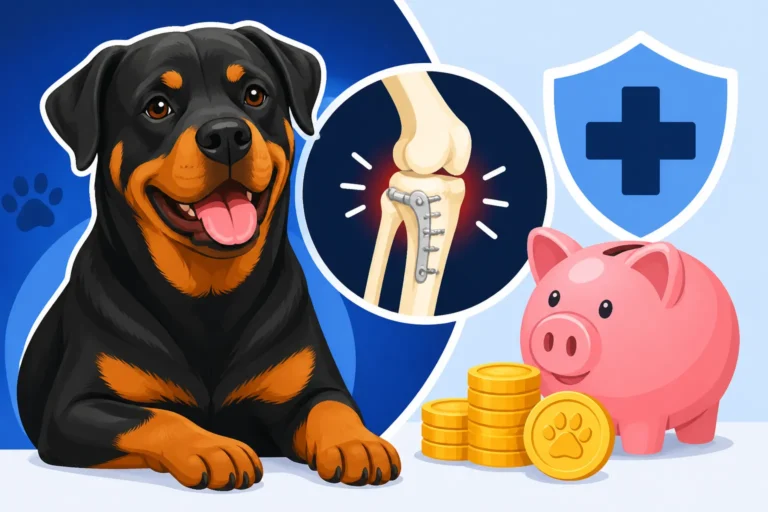
Once your Rottweiler is stabilized and bloat is confirmed, the veterinary team will prepare for emergency surgery. This is where the bulk of the cost often lies. The surgery involves carefully de-rotating the stomach back to its normal position, inspecting the stomach and spleen for damage, and then performing a gastropexy. A gastropexy is a procedure where the stomach is permanently sutured to the abdominal wall to prevent future episodes of volvulus. This is incredibly important for Rottweilers, as the recurrence rate of bloat without gastropexy is extremely high. Our article Gastropexy to Prevent Rottweiler Bloat delves deeper into this preventive measure.
The surgical fees cover the time of the surgeon and surgical technicians, anesthesia, anesthetic monitoring equipment, surgical supplies, and medications administered during the procedure. Given the complexity and urgency, these costs can range from $2,000 to $6,000. If portions of the stomach or spleen have necrosed (died) due to lack of blood flow, additional surgery to remove these tissues will be necessary, further increasing both the cost and the risk to your dog. For a comprehensive look, see our information on Rottweiler Bloat Surgery and the Odds of Survival.
Post-Operative Intensive Care Unit (ICU) Stay
The surgery is only the first hurdle. The post-operative period is equally critical and often requires an extended stay in the Intensive Care Unit (ICU). Rottweilers recovering from bloat surgery are highly susceptible to complications, particularly cardiac arrhythmias, sepsis, and peritonitis. They need constant, round-the-clock monitoring, continuous IV fluid therapy, multiple medications (pain relief, antibiotics, anti-nausea, gastroprotectants), and regular vital sign checks.
An ICU stay for bloat typically lasts 1 to 3 days, but can be longer if complications arise. Each day in ICU can cost anywhere from $500 to $1,500, covering the specialized nursing care, medications, monitoring, and any additional diagnostics or treatments (like repeat bloodwork or ultrasound scans) needed during recovery. This intensive care is vital for increasing your Rottweiler's chances of survival and can add another $1,000 to $4,500+ to the overall bill.
Here’s a simplified breakdown of potential costs:
| Service Category | Estimated Cost Range (USD) | What It Covers |
|---|---|---|
| Emergency Exam & Stabilization | $500 – $1,500 | Triage, IV line, fluids, initial pain meds, immediate stomach decompression attempts. |
| Diagnostics | $300 – $800 | X-rays to confirm GDV, bloodwork (CBC, chemistry, electrolytes), ECG. |
| GDV Surgery (Gastric Derotation & Gastropexy) | $2,000 – $6,000 | Surgeon fees, anesthesia, surgical supplies, monitoring during surgery, stomach re-positioning, stomach tacking. |
| Post-Operative ICU Care (per day) | $500 – $1,500 | Round-the-clock monitoring, IV fluids, pain management, antibiotics, anti-nausea, follow-up diagnostics. |
| Medications (Take-home) | $50 – $200 | Antibiotics, pain relievers, stomach protectants for discharge. |
| Total Estimated Cost | $3,000 – $10,000+ | Varies widely based on complications, location, and length of stay. |
Managing the Financial Impact of an Emergency Bloat
Facing a bill of several thousand dollars when your dog's life is on the line is an immense stressor. Many pet owners are caught off guard by the sheer expense of emergency veterinary care, particularly for a critical condition like bloat. It's truly one of those Emergency Vet Bills a Rottweiler Owner Should Expect.
Pet Insurance and Bloat Coverage
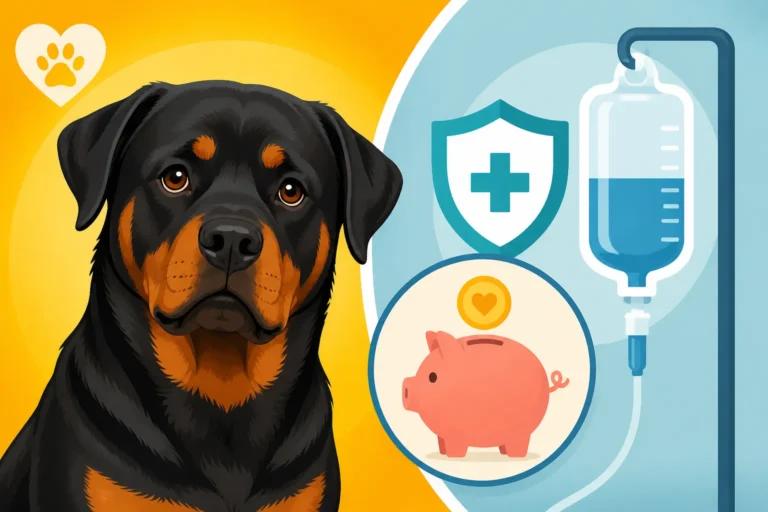
One of the most effective ways to mitigate the financial shock of an emergency like bloat is through pet insurance. A good pet insurance policy can cover a significant portion of these exorbitant costs, allowing you to focus on your Rottweiler's recovery rather than the looming debt. Companies like Healthy Paws are well-regarded for their comprehensive accident and illness plans.
However, there are crucial details to understand. Pet insurance operates on a reimbursement model, meaning you typically pay the vet upfront and then submit a claim for repayment. Policies come with deductibles (what you pay before coverage kicks in) and reimbursement rates (e.g., 70%, 80%, 90% of eligible costs). Most importantly, pet insurance does not cover pre-existing conditions. This means you must enroll your Rottweiler before any signs of bloat or other major illness appear. If your dog has already had a bloat episode, even a minor one, a second occurrence may be considered pre-existing by insurers. This highlights the importance of getting coverage for your Rottweiler as a young puppy. You can find more information on general policy costs in Rottweiler Insurance Premiums Around $204 a Month. Understanding What a Rottweiler Policy Will Not Cover is essential for making an informed decision.
Alternative Payment Options and Financial Planning
Even with pet insurance, there might be deductibles or remaining balances. If you don't have pet insurance, or if your policy doesn't cover enough, several other financial options are available:
- Veterinary Credit Cards: Services like CareCredit offer special financing options for veterinary expenses, often with interest-free periods if the balance is paid within a certain timeframe. Many emergency clinics accept these.
- Emergency Savings Fund: This is perhaps the most straightforward and stress-free option. Setting aside a dedicated emergency fund, even a small amount each month, can accumulate enough to cover a significant portion of unexpected vet bills. Considering the potential for high medical costs throughout their lifetime, budgeting for Rottweiler Costs Across Eight to Ten Years should always include a substantial emergency buffer.
- Payment Plans with the Clinic: Some veterinary hospitals, though not all, may offer in-house payment plans. It's always worth asking, especially if you have a long-standing relationship with the facility.
- Personal Loans/Credit Cards: While not ideal due to high interest rates, these can be a last resort for covering immediate costs.
- Financial Aid/Charitable Organizations: In some cases, organizations like The Pet Fund or RedRover might offer financial assistance to pet owners facing emergency veterinary bills, though eligibility criteria can be strict and funds limited.
- Strategic Budgeting for Other Pet Supplies: Look for ways to save on everyday pet expenses. Shopping for food and supplies through online retailers like Chewy can often yield better prices than brick-and-mortar stores, freeing up funds. If you use a premium, fresh dog food service like Ollie, consider if there are ways to optimize your plan to reduce costs slightly, allowing you to reallocate those savings to an emergency fund.
Preventive measures can also play a huge role in lowering your financial risk. Discussing a prophylactic gastropexy with your vet during your Rottweiler's spay or neuter procedure can dramatically reduce the chance of future bloat episodes and their associated emergency costs. This discussion of prevention often ties into the broader question of Whether Preventive Gastropexy Is Worth It. It's crucial to understand that preparing for such emergencies is part of responsible Rottweiler ownership.
Disclaimer
The information provided in this article is for general educational purposes only and should not be considered a substitute for professional veterinary advice. Always consult with a qualified veterinarian for any health concerns or before making any decisions related to your Rottweiler's care, especially in an emergency situation. Costs mentioned are estimates and can vary significantly based on location, specific veterinary clinic, and the individual needs of the animal.