Rottweiler Puppy Training Through the First Year
Bringing a Rottweiler puppy home is an exciting time, but if you're like many new owners, you might quickly realize that this isn't just any puppy. These intelligent, powerful dogs grow at an astonishing rate, and the cute little fluffball that fits in your lap will soon be a substantial, formidable animal. This guide will walk you through the essential steps of training your Rottweiler puppy throughout their critical first year, transforming them from a playful dynamo into a well-mannered, confident companion.
Why Early, Consistent Training is Absolutely Non-Negotiable for a Rottweiler Puppy
Let's be honest, the thought of training a large, strong dog like a Rottweiler can feel a little daunting. Maybe you've heard people say, "Oh, they'll grow out of it," or "Just wait until they're a bit older." But with a Rottweiler, that kind of thinking is a direct path to a frustrated owner and a dog that's difficult to manage. Their sheer size and innate guarding instincts mean that laying a solid foundation of training and socialization from day one isn't just a good idea; it's absolutely crucial for their safety and yours.
The Rottweiler Puppy: A Tiny Terror Growing Into a Tank
That adorable Rottweiler puppy, all clumsy paws and wrinkly forehead, is a rapidly developing creature. They might look like a harmless cuddly toy today, but in a matter of months, they’ll be a force to be reckoned with. We're talking about a breed that can reach 80-135 pounds (or more!) by their first birthday, with powerful jaws and a confident, sometimes assertive, personality. Imagine trying to teach a 100-pound dog to stop jumping on guests, or to walk politely on a leash, if they've had a whole year to practice those behaviors unsupervised. It's an uphill battle that's often lost.
Their minds are like sponges during these early weeks and months. They are soaking up every experience, every interaction, and every consequence – or lack thereof. If they learn early on that jumping gets attention, or pulling on the leash gets them to where they want to go, those behaviors become deeply ingrained. It's far easier to guide a small puppy towards desirable habits than to correct firmly established undesirable ones in a powerful adult.
Think of it this way: you wouldn't wait until a child is a teenager to teach them basic manners or safety rules. You start early, consistently reinforcing what's right. The same applies, even more intensely, to a Rottweiler puppy. Their physical development is so fast that their behavior training needs to be on an equally fast track to keep pace.
Dispelling the Myth: Waiting is a Recipe for Disaster
There's a persistent misconception that puppies are too young to learn complex commands or that formal training should wait until they're past the "puppy stage." For a Rottweiler, this delay can be disastrous. By the time they hit six months, they're already sizable, strong, and potentially forming habits that are challenging to break. Why Rottweiler Training Cannot Wait Until Six Months delves deeper into this, explaining the neurological windows of opportunity that close rapidly.
Waiting to train often leads to scenarios where the owner feels overwhelmed. Picture a young Rottweiler, full of energy and weighing 70 pounds, pulling you down the street on a walk because they were never taught leash manners. Or imagine them resource guarding their food bowl because it was never addressed. These aren't just minor inconveniences; they can be serious safety issues for a dog of this breed's size and strength. Without proper guidance, their natural guarding instincts can manifest in undesirable ways, turning a loyal protector into a potential liability.
The reality is, a Rottweiler needs to understand boundaries, commands, and appropriate behavior before they have the physical capacity to overpower their human companions. Early training isn't about crushing their spirit; it's about channeling their intelligence and strength into a partnership built on trust and mutual understanding. It empowers them to be the best versions of themselves and allows you to enjoy them fully without constant worry.
Laying the Groundwork: Preparing for Your Rottweiler Puppy's Arrival
Bringing a new puppy into your home is always exciting, but with a Rottweiler, a little extra preparation goes a long way. You're not just getting a dog; you're inviting a future heavyweight into your living space. Thinking ahead about how to keep them safe, comfortable, and how to set yourself up for training success will make those first few weeks and months significantly smoother for everyone involved.
Creating a Safe and Structured Environment
Before your Rottweiler puppy even steps paw through the door, take some time to make your home a safe haven for a curious, chew-happy, growing canine. Remember, anything at puppy-level is fair game for exploration. This means securing electrical cords, removing toxic plants (many common houseplants are surprisingly dangerous), and putting away anything valuable or fragile that could be knocked over or chewed. Consider installing baby gates in doorways to limit their access to certain rooms, especially when you can't supervise them directly. This helps create a predictable environment for house training and prevents them from getting into trouble while they learn the rules of the house.
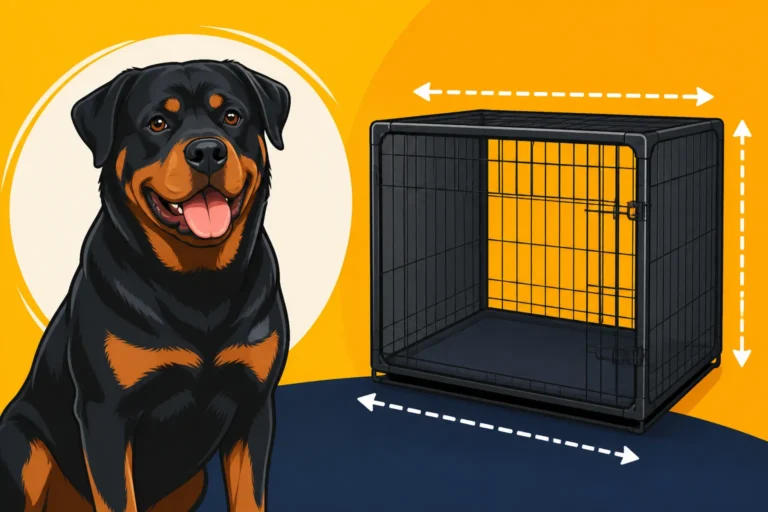
A dedicated "safe space" is also vital. This is typically their crate, which should be large enough for them to stand up, turn around, and lie down comfortably. As a Rottweiler grows so quickly, investing in a sturdy, appropriately-sized crate from the start, perhaps with a divider to adjust as they get bigger, is essential. Take a look at The Crate Size a Hundred Twenty Pound Rottweiler Needs to ensure you're getting the right dimensions for their adult size, not just their puppy size. This den will be their retreat, a place where they can feel secure and relax without being bothered, which is especially important during those early overwhelmed puppy days.
Beyond physical safety, think about a routine. Dogs thrive on predictability. Decide on feeding times, potty breaks, play sessions, and bedtime before your puppy arrives. This consistency helps them quickly learn what to expect and what's expected of them, reducing anxiety and making training much more effective. Your Rottweiler puppy will feel much more secure knowing the daily rhythm of their new home.
Equipping Your Home with Rottweiler-Proof Essentials
When it comes to gear for a Rottweiler puppy, you can pretty much guarantee that "heavy-duty" will be your mantra. They grow quickly and develop incredible strength, so flimsy equipment simply won't cut it for long. Start with a comfortable, well-fitting flat collar and a sturdy 6-foot leash. For a breed that will easily reach over 100 pounds, cheap plastic clips on leashes or collars are a no-go. You want metal hardware that can withstand their burgeoning power. Many owners find success with durable nylon or leather options, available on platforms like Amazon, ensuring they're built to last through the puppy phase and beyond.
Chew toys are another absolute must. Rottweiler puppies are serious chewers, and you need to provide appropriate outlets for this natural behavior to save your furniture and shoes. Look for toys specifically designed for strong chewers, often labeled as "extreme" or "power chewer" toys. Avoid anything too small that could be swallowed or easily destroyed into choking hazards. Brands like Kong and Nylabone offer excellent, durable options. For more insights on this, refer to Rottweiler Chew Toys That Survive the Jaw. Having a variety of textures and shapes will keep them engaged and redirect their chewing instincts away from your belongings.
Don't forget the practical essentials too! Large, tip-proof food and water bowls are important, as are grooming supplies like a slicker brush and nail clippers suitable for thick, strong nails. High-quality puppy food specifically formulated for large breeds is crucial for their healthy, slower growth. And, of course, a good supply of small, soft, high-value training treats will be indispensable for all the positive reinforcement you'll be doing.
| Essential Rottweiler Puppy Gear Checklist | Description | Why It's Important for a Rottweiler |
|---|---|---|
| Crate | Large, sturdy wire or plastic crate with optional divider | Provides a safe den, aids potty training, accommodates rapid growth. |
| Flat Collar | Durable nylon or leather with sturdy metal buckle | For ID tags and leash attachment. Must withstand pull. |
| Leash | 6-foot, 1-inch wide nylon or leather with strong metal clip | Essential for walks and training, needs to hold 100+ lbs. |
| Chew Toys | Heavy-duty, durable rubber (e.g., Kong), Nylabone, bully sticks | Redirects chewing, saves furniture, satisfies strong jaws. |
| Food & Water Bowls | Stainless steel, ceramic, or heavy plastic; tip-proof, raised options available | Easy to clean, durable, prevents tipping by a large, clumsy puppy. |
| Large Breed Puppy Food | Formulated specifically for large breed puppies | Supports controlled growth, crucial for joint health. |
| High-Value Training Treats | Small, soft, easily digestible pieces | Motivates during training, essential for positive reinforcement. |
| Slicker Brush/Undercoat Rake | For shedding and general coat maintenance | Helps manage their double coat, regular grooming. |
| Nail Clippers/Grinder | Heavy-duty, guillotine-style or powerful grinder | Keeps nails trimmed, prevents discomfort and damage. |
| Enzyme Cleaner | For cleaning up accidents | Essential for house training, eliminates odors to prevent re-marking. |
The First Critical Months: Establishing Routines and Building Trust (8-16 Weeks)
The first few weeks your Rottweiler puppy spends in your home are perhaps the most crucial for shaping their future behavior and temperament. It's a period of intense learning, bonding, and setting the stage for everything that comes next. Don't underestimate the power of these early interactions; they form the bedrock of your relationship.
Crate Training and Potty Training Success
For a Rottweiler puppy, mastering crate training and potty training early is an absolute game-changer. Given their future size, you really don't want a full-grown dog having accidents indoors or being destructive when left alone. The crate becomes their safe, personal den, and introducing it positively from day one is key. Start with short periods, making it a comfortable place with soft bedding and a chew toy. Never use the crate as punishment; it should always be a positive experience. You can find more detailed guidance on this in Crate Training a Rottweiler That Cries at Night.
Potty training for a Rottweiler puppy needs strict consistency. Take them out frequently – every 1-2 hours initially, immediately after waking up, after eating or drinking, and before bed. Always go to the same designated potty spot and reward them enthusiastically with praise and a small treat the moment they finish. If they have an accident indoors, clean it thoroughly with an enzymatic cleaner to remove all odor, which prevents them from wanting to mark the same spot again. For a comprehensive weekly breakdown, refer to House Training a Rottweiler Puppy by Week. Remember, patience is paramount; it takes time for puppies to gain full bladder and bowel control.
Establishing a clear daily routine with scheduled feeding, potty breaks, play, and rest times will do wonders for both crate and potty training. Puppies thrive on predictability, and a consistent schedule helps them understand when and where they're expected to relieve themselves. This structure reduces anxiety and builds confidence, making the entire process less stressful for you and your puppy.
Early Socialization: More Than Just Meeting Other Dogs
Socialization is one of the most vital tasks during your Rottweiler puppy's first year, especially within their critical "socialization window" (roughly 3-16 weeks). Many people misunderstand socialization as simply letting their puppy play with other dogs. While positive interactions with other well-vetted, vaccinated dogs are important, true socialization is much broader. It means safely exposing your puppy to a wide variety of sights, sounds, people, places, and experiences in a positive, controlled way. Think about everything they will encounter in their adult life: vacuums, doorbells, children, people with hats, bicycles, cars, different floor textures, veterinary clinics, new smells, and even the mail carrier.
Each new experience should be gentle and paired with something positive, like a high-value treat or praise. You want your puppy to associate novelty with good things, not fear. For example, if you hear a loud noise, don't soothe them; act cheerful and immediately offer a treat. This teaches them that unusual sounds aren't scary. Enroll in a well-run puppy class that prioritizes positive experiences and safe interactions, both with other puppies and new people. This also offers invaluable opportunities for them to meet other dogs in a structured, supervised environment.
It’s also crucial to practice gentle handling from a young age. Handle their paws, ears, mouth, and tail regularly. Make it a pleasant experience with treats and praise. This will make vet visits, nail trims, and grooming sessions much less stressful for your Rottweiler throughout their life. Guidance on how to make these routine procedures easier can be found in Rottweiler Handling Practice for Grooming. Remember, the goal is not just tolerance, but a positive association with being handled and exposed to the world.
Nipping, Chewing, and the Power of Bite Inhibition
Rottweiler puppies, like all puppies, explore the world with their mouths. They nip, chew, and mouth everything, and because of their strong jaws, this can quickly become painful for humans. Teaching bite inhibition – how to control the force of their bite – is crucial, perhaps more so for a Rottweiler than many other breeds. Teaching a Rottweiler Puppy That Teeth Hurt explains how this early learning prevents serious injuries later. When your puppy nips too hard, let out a high-pitched "ouch!" or "yip!" and immediately withdraw attention for a few seconds. If they persist, calmly end playtime for a minute or two. This teaches them that hard bites make the fun stop.
Always redirect their chewing to appropriate chew toys. Have a variety readily available and praise them when they chew on their toys instead of your hand or furniture. You can even stuff Kongs with safe treats like peanut butter or plain yogurt and freeze them, providing a long-lasting, satisfying chew. Never punish your puppy for chewing; instead, focus on redirecting and rewarding good choices. Prevention is also key: put away anything you don't want them to chew.
Beyond basic nipping, keep an eye on more concerning chewing behaviors. If your Rottweiler puppy starts to grab clothing, or shows any signs of guarding toys or food aggressively, address it immediately with professional guidance if needed. Early intervention for any resource guarding tendencies is vital for this breed. Consistent redirection, positive reinforcement, and ensuring they always have appropriate outlets for their chewing instincts will help them develop a soft mouth and understand what is, and isn't, acceptable to chew.
The Core Curriculum: Basic Obedience and Leash Mastery (4-6 Months)
Once your Rottweiler puppy has settled into their new home and is gaining confidence, it's time to really double down on basic obedience. This period, roughly between four and six months, is where you'll refine their understanding of core commands and establish good habits that will serve you both for a lifetime. Remember, consistency is your best friend here.
Foundation Commands: Sit, Stay, Come, Down
These four commands are the bedrock of any well-behaved dog, and for a Rottweiler, they are essential safety tools. Keep training sessions short, fun, and frequent – aiming for 5-10 minutes a few times a day is far more effective than one long, boring session. Always use positive reinforcement with high-value treats and enthusiastic praise.
- Sit: Hold a treat near their nose and slowly arc it over their head, towards their tail. As their nose follows the treat, their rear end will naturally lower. The moment it touches the ground, say "Sit!" and reward. Repeat, repeat, repeat!
- Stay: Once "Sit" is solid, ask for a sit, then take one step back, say "Stay," and immediately return to reward if they remain. Gradually increase distance and duration. If they break, gently lead them back to the original spot and try again, making it easier until they succeed.
- Come (Recall): This is perhaps the most critical command for a powerful dog like a Rottweiler. Start in a quiet, enclosed space. Get excited, call their name and "Come!", then squat down (making yourself less intimidating) and offer a huge reward when they reach you. Never use "Come" to do something unpleasant like give a bath or end a fun play session. You want "Come" to always mean "good things happen!"
- Down: This command teaches impulse control. Lure them into a "Sit," then hold a treat near their nose and slowly lower it straight to the ground between their paws, then drag it slightly forward. As they follow the treat to the ground, say "Down!" and reward once they are in position.
Patience is key. Your Rottweiler puppy won't get it perfect every time, and that's okay. Celebrate their successes and make learning a positive experience. Online platforms like BAXTER & Bella offer structured puppy programs that walk you through these commands step-by-step, which can be a great resource for at-home training.
Walking Politely: Preventing a Hundred-Pound Puller
Imagine being pulled by a full-grown Rottweiler. It's not a pleasant thought, is it? That's why leash manners must start the moment your puppy comes home, even before they go on proper walks. Introduce the collar and leash in a positive way, letting them wear it for short periods indoors, paired with treats. Then, practice walking with the leash around the house. The goal is to teach them that a loose leash means comfort and rewards, while a tight leash means stopping.
The moment your puppy pulls, stop moving. Only resume walking when the leash slackens. This method, often called "be a tree," teaches them that pulling gets them nowhere. For a large, strong breed, this is non-negotiable. You can read more about specific techniques in Teaching a Rottweiler Not to Pull at 110 Pounds. Invest in a comfortable front-clip harness or head halter designed for large breeds as a training aid, which can help redirect their pulling power without causing discomfort. Many durable options can be found on Amazon.
Consistency is crucial. Every walk, every time, you must reinforce loose-leash walking. If you let them pull "just this once," you're effectively undoing all your hard work. This means no more lunging at squirrels, no dragging you towards interesting smells, and no pulling you to greet other dogs. A Rottweiler who walks calmly on a leash is a joy to take out, and it's a critical safety measure for a dog of their size.
Introducing the World: Controlled Exposure and Good Manners
At this age, with vaccinations hopefully complete, your Rottweiler puppy is ready for more structured outings into the wider world. Continue their socialization by taking them to new, interesting places – pet-friendly stores (if allowed), quiet parks, or even just sitting on a bench to watch people and traffic go by. The key here is controlled exposure. You're not just letting them run wild; you're actively guiding their experiences.
For example, when meeting new people, teach your Rottweiler to "Sit" calmly for greetings instead of jumping. If they jump, the person should turn their back and ignore the puppy until all four paws are on the floor, then offer gentle praise and a treat. This teaches polite greeting manners before their jumping becomes an overwhelming problem at adult size. Rottweiler Counter Surfing at Full Height is another common behavior that can be addressed at this stage by rewarding "four on the floor" around counters and tables.
Continue with puppy classes or consider moving into a basic obedience course. These structured environments provide excellent opportunities for your puppy to learn in distracting settings while under expert guidance. The goal is to build a confident, well-adjusted Rottweiler who can comfortably navigate the world around them, interacting politely with people and other animals. This ongoing exposure, paired with consistent training, ensures they grow into a well-behaved adult.
Navigating the Turbulent Teens: Rottweiler Adolescence (6-12 Months)
Ah, adolescence – the teenage years! Just like human teenagers, your Rottweiler puppy, typically between 6 and 12 months (sometimes even up to 18-24 months for large breeds), will enter a phase where they might seem to "forget" everything you've taught them. This can be incredibly frustrating for owners who thought their puppy was perfectly behaved just weeks ago. But don't despair; this is a normal developmental stage, and understanding it will help you navigate it successfully.
Understanding the "Rebel Without a Cause" Phase
During adolescence, your Rottweiler's body is undergoing significant hormonal changes, similar to puberty. They're growing rapidly in size and strength, and their brains are still developing. This often manifests as selective hearing, pushing boundaries, increased confidence (sometimes bordering on cockiness), and a sudden surge in independence. Commands they once knew perfectly might suddenly be ignored, or they might test limits you thought were firmly established. For a deeper dive into this phase, consider reading Rottweiler Adolescence and Sudden Testing.
It's easy to get frustrated and think your dog is being stubborn or defiant, but often, they're simply responding to instinctual drives or testing the waters. Your calm, consistent leadership is more important now than ever. Avoid getting angry or using harsh corrections, as this can damage your bond and make them more resistant. Instead, go back to basics. Shorten your expectations, increase your rewards, and make training fun and engaging again.
This is also the period where you might consider spaying or neutering your Rottweiler. The age at which this is done can have implications for their behavior and physical development. Discussions around this can be complex, and Neutering Age and Rottweiler Behavior provides more context on the behavioral considerations. Regardless of when or if you choose to alter your dog, remember that continued training and socialization are paramount through this challenging, yet critical, developmental period.
Proofing Commands and Building Advanced Impulse Control
Since your Rottweiler is now bigger and stronger, the stakes are higher when it comes to obedience. This adolescent phase is the perfect time to "proof" their commands, meaning you practice them in increasingly distracting environments. Can they "Stay" for a minute while a ball rolls by? Can they "Come" when another dog is barking? Start in slightly distracting environments, like a quiet park, and gradually increase the challenge. Always set them up for success by starting easy and rewarding generously.
Focus heavily on impulse control. "Leave It" and "Drop It" become invaluable as your Rottweiler gets older and encounters more tempting distractions. Practice these commands with high-value items, gradually increasing the difficulty. You can use games like "Zen Bowl" (placing a treat in a bowl, covering it, saying "Leave It," and only letting them have it when they calm down) to build self-control. Find more ideas for engaging activities in Rottweiler Impulse Control Games.
Enroll in an advanced obedience class or a Canine Good Citizen (CGC) prep course. These classes provide structured opportunities to work through distractions with professional guidance. A CGC title, as discussed in Canine Good Citizen With a Rottweiler, demonstrates that your Rottweiler is a well-behaved member of the community, which can also be beneficial in areas where Rottweilers face scrutiny. The continued structure of classes will help you maintain consistency and address any new behavioral quirks that emerge during adolescence.
Continued Socialization: Refining Public Manners
Even though the critical socialization window has passed, continued positive exposure to the world is vital during adolescence. Your Rottweiler is still forming opinions and learning how to react to new situations. The difference now is that you're focusing more on refining their polite public manners rather than just broad exposure. This means teaching them how to behave appropriately in different settings.
Take them on outings to busy pedestrian areas, dog-friendly patios, or even just to watch the world go by from your car. Emphasize calm observation and polite greetings. Teach them that not every person or dog needs to be greeted; sometimes, the best behavior is simply ignoring distractions and focusing on you. This is particularly important for a Rottweiler, whose aloof nature often means they don't immediately warm up to strangers. You want them to be neutral, not reactive.
If you notice any signs of reactivity (lunging, barking, growling at other dogs or people), seek professional help immediately. Do not ignore these behaviors, especially in a large breed. A qualified trainer or veterinary behaviorist can help you address and modify these responses before they become entrenched. Ongoing positive socialization ensures your adolescent Rottweiler develops into a confident, stable, and well-mannered adult who can handle diverse situations with grace.
Beyond the First Birthday: Lifelong Learning and Enrichment
Congratulations, you've made it through the first year with your Rottweiler! By now, they're likely a magnificent, powerful dog, but the journey of training and enrichment is far from over. In fact, for a breed as intelligent and capable as the Rottweiler, lifelong learning is essential to keep them happy, healthy, and well-behaved. Think of it as investing in their mental and physical well-being for the rest of their years.
Keeping the Brain Busy: Mental Stimulation is Key
A bored Rottweiler is often a destructive Rottweiler. These dogs were bred for demanding jobs, and they thrive when given a purpose. Simply walking them isn't always enough; they need mental challenges to prevent boredom and channel their intelligence. Incorporate puzzle toys and feeder games into their daily routine. These make them work for their food, engaging their brains and slowing down their eating – a bonus for a breed prone to bloat. Many heavy-duty puzzle toys designed for larger breeds can be found on Amazon.
Continue practicing their obedience commands daily, but make it fun. Instead of just a "Sit," ask for a "Sit-Stay-Come-Down-Roll Over" sequence, rewarding each step. Teach them new tricks, like "shake a paw," "spin," or "bow." Even 5-10 minutes of mental games can be as tiring as a long walk for a Rottweiler. This kind of enrichment helps them stay engaged with you and prevents them from finding their own (often destructive) ways to entertain themselves. More ideas for engaging activities are available in Rottweiler Enrichment Beyond Walks.
Consider scent work or tracking games. Rottweilers have excellent noses, and allowing them to use this natural ability is incredibly fulfilling. You can start simply by hiding treats around the house and encouraging them to find them, or join a formal scent work class. The satisfaction your Rottweiler gets from solving a "problem" or completing a "job" will strengthen your bond and make them a more content companion.
Exploring Advanced Training and Rottweiler "Jobs"
Just because your Rottweiler has mastered basic obedience doesn't mean their training journey has to end. Many Rottweilers excel in various canine sports and activities, which provide excellent outlets for their energy, intelligence, and working drive. Exploring these options can be incredibly rewarding for both of you.
- Advanced Obedience & Rally: If your Rottweiler loves formal obedience, consider moving into advanced classes or even competitive Rally Obedience. This involves performing a series of obedience exercises at various stations, and it's a fantastic way to continue honing their focus and teamwork with you.
- Carting & Draft Work: Rottweilers were historically used as carting dogs, pulling butchers' carts to market. Many modern Rottweilers enjoy draft work, learning to pull small carts or wagons. This activity taps into their natural strength and heritage, providing both physical and mental stimulation. You can read more about this in Rottweiler Carting and Draft Work.
- Therapy Dog Work: For Rottweilers with a calm, stable temperament and excellent manners, becoming a certified therapy dog can be an incredibly rewarding path. Visiting hospitals, nursing homes, or schools allows them to spread joy and use their gentle nature for good.
- Protection Sports (with caution): While Rottweilers have a natural guarding instinct, formal protection training is a serious undertaking that requires expert guidance from reputable, ethical trainers. It's not for every dog or owner, and should never be approached lightly or without extensive prior training.
Even if you don't pursue competitive sports, continuing to learn and practice new skills will keep your Rottweiler mentally sharp and deepen the bond you share. Regular refreshers of core commands, short training sessions embedded in daily life, and introducing new challenges will ensure your magnificent Rottweiler remains a well-adjusted, happy, and cherished member of your family for many years to come.
Disclaimer
This article is for general informational purposes only and does not constitute professional advice. Laws, prices and regulations vary by location and change over time. Consult a qualified professional for guidance on your specific situation.