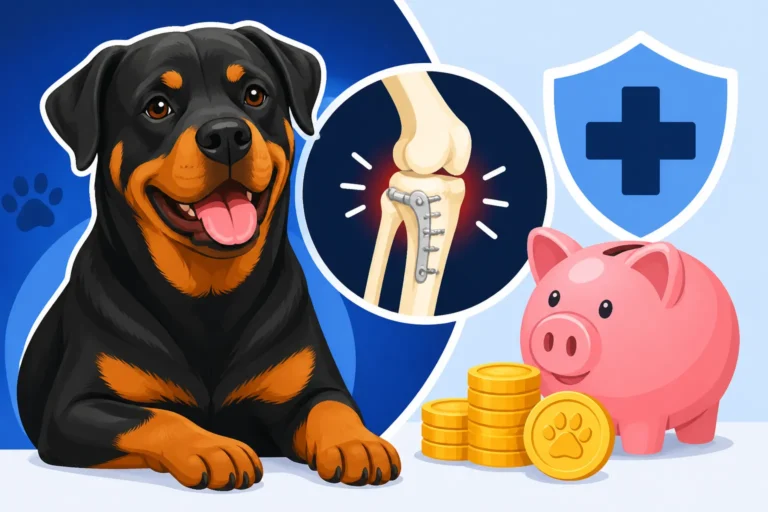
Rottweiler Puppy Prices From $1,000 to $2,500
Bringing home a Rottweiler puppy is an exciting prospect, full of dreams of a loyal companion, but many prospective owners are taken aback by the initial financial commitment. It’s easy to feel overwhelmed by the sticker shock when you first start looking, wondering why prices vary so wildly and what you're truly getting for your money. This guide aims to demystify Rottweiler puppy prices, helping you understand the factors involved and how to make a wise, informed decision that benefits both your family and your future dog.
Understanding the Baseline Rottweiler Puppy Price
When you start your search for a Rottweiler puppy, you'll quickly discover that the cost isn't uniform. It's not like buying a loaf of bread where the price is fairly standard across different stores. Instead, you'll see figures ranging significantly, often from about $1,000 to $2,500, but sometimes even higher. This baseline cost isn't just pulled out of thin air; it reflects a multitude of initial investments and care that a responsible breeder pours into their dogs and litters.
Geographic Variations in Cost
Just like real estate, the cost of a Rottweiler puppy can be influenced by where you live. In areas with a high cost of living, or where there's a greater demand for well-bred Rottweilers, you might find prices at the higher end of the spectrum. Conversely, in more rural areas, or regions with a lower demand, the prices might be a bit more moderate. However, it's crucial not to let geography be the only driving factor in your decision. A lower price in a less populated area doesn't automatically mean a better deal if the quality or health testing isn't there, and a higher price in a bustling city doesn't automatically mean you're getting a superior pup. It's about balancing local market rates with the breeder's practices.
Think about it like this: a reputable breeder in a major metropolitan area with higher overhead costs for their property, vet care, and perhaps even higher competition for quality breeding stock, might naturally price their puppies to reflect these expenses. Someone in a less expensive region might have lower operational costs. However, a responsible breeder, regardless of location, invests heavily in their animals, and those costs are often factored into what a Rottweiler puppy costs this year. Always investigate the why behind the price, rather than just the number itself.
Breeder Reputation and Experience
The experience and reputation of a breeder play a colossal role in determining the price of their puppies. A breeder who has been successfully breeding Rottweilers for decades, consistently producing healthy, stable-tempered dogs that excel in various capacities—whether as family companions, show dogs, or working partners—will command a higher price. This isn't just about their "name"; it's about the accumulated knowledge, the careful selection of breeding stock, and the proven track record of health and temperament they bring to each litter.
These breeders often have extensive waiting lists, and their puppies are in high demand because people know they can trust the quality. They understand the breed standard deeply, are active in breed clubs, and tirelessly work to improve the breed, not just produce puppies. An experienced breeder doesn’t just breed two dogs; they select individuals based on generations of health and temperament data, genetic clearances, and conformational strengths. This expertise, dedication, and the significant time commitment involved in every aspect of raising a litter from conception to placement are all woven into the price tag of a puppy from such an established kennel.
Factors That Elevate Rottweiler Puppy Costs
While the baseline cost gives you a starting point, several specific factors can significantly increase a Rottweiler puppy's price. These aren't just arbitrary additions; they represent critical investments made by responsible breeders to ensure the long-term health, temperament, and quality of their dogs. It’s often these very factors that differentiate a well-bred puppy from a poorly bred one, and why an $800 Rottweiler puppy costs more later in life due to potential health or behavioral issues.
Health Clearances of Parents
This is arguably the most critical factor influencing a puppy's price. Reputable breeders invest heavily in comprehensive health screenings for their breeding dogs to minimize the risk of passing on genetic conditions common in the breed. This includes evaluations for hips and elbows through organizations like the Orthopedic Foundation for Animals (OFA) or PennHIP, cardiac evaluations (often an echocardiogram to check for Subaortic Stenosis), eye certifications from a veterinary ophthalmologist, and DNA testing for conditions like Juvenile Laryngeal Paralysis & Polyneuropathy (JLPP).
Each of these clearances costs money, and they are performed on both the sire and the dam, sometimes repeatedly throughout their breeding careers. For example, a thorough cardiac workup or Rottweiler Heart Disease and Subaortic Stenosis can be quite involved. These tests are not cheap, and they add up, but they are absolutely essential. When a breeder can show you current, verifiable health certificates for both parents, it indicates a profound commitment to producing healthy puppies. Without these clearances, you're essentially gambling on your puppy's future health, which could lead to massive veterinary bills down the line for conditions like Rottweiler Hip Dysplasia and the OFA Grade or Rottweiler Elbow Dysplasia and Front Leg Lameness. This is why Why Health-Tested Rottweiler Parents Raise the Price is such an important topic.
Champion Bloodlines and Show Potential
Puppies from parents with distinguished pedigrees, including those who have earned champion titles in conformation (dog shows) or advanced working titles (such as obedience, Schutzhund, or agility), will naturally be more expensive. These titles aren't just fancy ribbons; they are tangible proof that the parent dogs meet or exceed the breed standard in terms of structure, temperament, and working ability. Breeders who campaign their dogs to these titles invest significant time, effort, and money in training, travel, entry fees, and professional handling.
When you purchase a puppy from champion lines, you're not just buying a name; you're buying into a legacy of selective breeding aimed at producing excellence. These puppies often possess superior genetics for correct conformation, sound temperament, and the inherent drive that Rottweilers are known for. While not every puppy from such a litter will become a champion, they generally have a higher potential for success in competitive venues or simply as magnificent, well-structured companions. The distinction between show quality against pet quality Rottweiler prices often boils down to this potential.
Working Dog Prospects
Some Rottweiler lines are specifically bred for working aptitudes, such as protection sports (Schutzhund, IGP), search and rescue, or even therapy work. These dogs possess specific traits like high drive, strong nerves, intelligence, and trainability, which are carefully cultivated through generations of breeding. For prospective owners looking for a Rottweiler to engage in these demanding activities, puppies from proven working lines are highly sought after and come with a premium price.
Breeders focusing on working lines rigorously test their dogs' instincts and abilities, ensuring they possess the mental and physical fortitude required for these roles. This often involves extensive specialized training for the parent dogs, further increasing the breeder's investment. The inherent genetic potential for a strong work ethic and specific drives is what makes these puppies so valuable to individuals or organizations needing a dog for specific performance tasks, beyond just companionship.
The Hidden Value in a Higher Price Tag
It might seem counterintuitive to spend more upfront on a puppy, especially when you see lower-priced options available. However, a higher initial cost from a truly reputable breeder often comes with invaluable long-term benefits and support that simply aren't offered by less scrupulous sources. This isn't just about avoiding future vet bills; it's about peace of mind and knowing you have a partner in your dog's journey.
Health Guarantees and Contracts
A responsible breeder stands behind the health of their puppies. This usually comes in the form of a written contract that outlines specific health guarantees, often covering genetic conditions like hip or elbow dysplasia, heart disease, or JLPP for a certain period, typically the first one to two years of the dog's life. If a puppy develops a guaranteed condition within that timeframe, the contract usually stipulates a resolution, such as a partial refund, a replacement puppy, or assistance with vet bills.
This kind of guarantee isn't just a legal formality; it's a testament to the breeder's confidence in their breeding program and their commitment to their puppies and their new families. It also acts as a safeguard for you, providing a level of protection against unforeseen and costly health issues. Always ask to see a copy of the breeder's contract and health guarantees before committing to a puppy. Understanding what your Rottweiler Breeder Contracts and Health Guarantees entail is crucial.
Lifetime Breeder Support
One of the most significant, yet often overlooked, advantages of buying from a reputable breeder is the ongoing, lifetime support they provide. A good breeder doesn't just sell you a puppy and disappear; they become a lifelong resource for advice, guidance, and assistance. They care deeply about the well-being of every dog they've brought into the world and want to see them thrive.
This support can manifest in many ways:
- Behavioral Guidance: If you encounter training challenges or behavioral quirks as your Rottweiler grows, your breeder is often the first and best person to call. They know their lines intimately and can offer insights or recommend trainers.
- Health Questions: While they aren't veterinarians, breeders often have a wealth of experience with Rottweiler health issues and can guide you on when to seek vet care or offer dietary advice.
- Rehoming Assistance: In the unfortunate event that you are unable to keep your Rottweiler at any point in its life, a responsible breeder will often require that the dog be returned to them or assist in finding it a new, suitable home. This ensures their dogs never end up in shelters.
- Community and Networking: Many breeders foster a community among their puppy owners, offering a network of fellow Rottweiler enthusiasts for support and sharing experiences.
This kind of sustained relationship and expert guidance is truly invaluable throughout your Rottweiler's eight to ten years.
Navigating Reputable Breeders Versus Other Sources
The path to finding your Rottweiler puppy can be filled with options that range from highly ethical to deeply problematic. Understanding the distinctions between these sources is paramount, not just for the initial price, but for the long-term health, temperament, and well-being of your future companion.
Identifying Reputable Breeders
A reputable breeder prioritizes the health, temperament, and longevity of the Rottweiler breed above all else. They view breeding as a serious responsibility, not just a business venture. Beyond the health clearances and guarantees discussed earlier, there are other tell-tale signs:
- Transparency: They are open about their facilities, their breeding practices, and the health history of their dogs. They should welcome questions and be willing to provide references from other puppy buyers and their veterinarians.
- Limited Litters: Good breeders typically don't have multiple litters available all the time. Breeding is intensive, and they usually focus on one or two litters a year to ensure each puppy receives adequate attention and care.
- Screening Process: Expect to be screened thoroughly yourself. A responsible breeder wants to ensure their puppies go to suitable, loving homes. They'll ask about your living situation, your experience with dogs, and your understanding of the Rottweiler breed.
- Environment: Puppies should be raised in a clean, stimulating home environment, not in isolated kennels. They should be well-socialized and accustomed to household sights and sounds.
- Paperwork: You should receive detailed health papers to ask a Rottweiler breeder for, including the OFA and JLPP paperwork that comes with a Rottweiler, vaccination records, and registration papers.
- No "Choice" Before Eight Weeks: They will not allow you to pick your puppy until they are at least 7-8 weeks old, as temperament and personality are still developing and need to be assessed by the breeder to ensure the best match for your family.
- Patience: Be prepared for waiting lists. Highly sought-after puppies, especially those with strong health testing and champion lines, will have lists. This isn't a red flag; it's a sign of quality.
Backyard Breeders and Puppy Mills
On the opposite end of the spectrum are backyard breeders and puppy mills. These sources are often characterized by lower prices, but these "savings" come at a tremendous cost in terms of health, temperament, and ethical practices.
- Backyard Breeders (BYBs): These individuals often breed their pets without proper knowledge, health testing, or understanding of genetics or breed standards. They might be well-meaning but lack the expertise to make informed breeding decisions. They rarely provide health clearances, may breed too frequently, and often have inadequate socialization for puppies. Their primary motivation is often to make a quick buck from "Rottweiler puppies for sale" without the investment.
- Puppy Mills: These are large-scale commercial breeding operations where dogs are treated as livestock. Profit is the sole motive, and animal welfare is neglected. Dogs live in cramped, unsanitary conditions, receive minimal veterinary care, and are bred relentlessly. Puppies from mills are often sickly, poorly socialized, and prone to severe behavioral problems due to neglect and genetic predispositions. Avoid any source that offers multiple breeds, ships puppies without allowing visits, or cannot provide proper paperwork and health history. These are often the places where you see an $800 Rottweiler puppy listed, but the hidden costs in vet bills and behavioral training will quickly eclipse any initial "savings."
Rottweiler Rescues and Adoption Fees
If the cost of a well-bred puppy is simply out of your budget, or if you prefer to give a second chance to a dog in need, considering a Rottweiler rescue is an excellent option. Rescue organizations are dedicated to rehabilitating and rehoming Rottweilers, often including adults and sometimes even puppies.
- Adoption Fees: These fees are typically much lower than breeder prices, usually ranging from a few hundred dollars. These fees help cover the rescue's costs for spaying/neutering, vaccinations, microchipping, and any medical treatments or behavioral rehabilitation the dog received. Rottweiler Rescue Adoption Fees and What They Cover is often a comprehensive package of initial care.
- Benefits of Rescue: Rescues often come with the advantage of being spayed/neutered and up-to-date on shots. Many adult rescue Rottweilers have already undergone some basic training, and their personalities are usually well-established, allowing the rescue staff to make a good match for your home. You're giving a deserving dog a loving home, and the adoption process often includes thorough screening and support.
- Availability: While finding a young puppy through a rescue might be less common, adult Rottweilers are frequently available. Organizations like the American Rottweiler Club's rescue network or local breed-specific rescues are great places to start.
Here's a comparison table to help visualize the differences:
| Source Type | Typical Price Range | Key Advantages | Key Disadvantages | Red Flags to Watch For |
|---|---|---|---|---|
| Reputable Breeder | $1,500 – $3,500+ | Health guarantees, lifetime support, predictable temperament/health, ethical breeding | Higher upfront cost, long waiting lists, extensive screening | No health clearances, multiple breeds, no screening process for buyers, no home visits |
| Backyard Breeder | $500 – $1,500 | Lower initial cost | Unpredictable health/temperament, no guarantees, lack of support, poor socialization | No health clearances, no pedigree, unclear living conditions, no contract |
| Puppy Mill | $300 – $1,000 | Low initial cost, immediate availability | High risk of health/behavioral issues, no support, unethical practices | Many breeds, cheap price, ships puppies, no visits allowed, poor puppy appearance |
| Rottweiler Rescue | $250 – $600 (adoption fee) | Often spayed/neutered/vaccinated, known temperament for adults, gives dog a second chance | Less choice in age/color/gender, potentially unknown history, might require specific experience | Unclear vetting process for dogs, lack of transparency on previous history |
Beyond the Purchase Price: Initial First Year Costs
Bringing home a Rottweiler puppy is only the beginning of your financial journey. The purchase price is just one piece of the puzzle. The first year, in particular, comes with a substantial array of expenses that can easily rival, if not exceed, the initial cost of the puppy itself. Budgeting for these ongoing costs is crucial for providing your Rottweiler with the best possible start in life.
Initial Vet Visits and Vaccinations
Your new Rottweiler puppy will require a series of veterinary visits during its first few months to ensure it's healthy and receives its crucial vaccinations. These visits typically include deworming, a full physical examination, and a series of core vaccinations (Distemper, Parvovirus, Adenovirus, Parainfluenza, and Rabies). Depending on your puppy's age and vaccination history when you bring it home, this could involve several appointments spaced a few weeks apart.
Beyond vaccinations, your vet will also discuss parasite prevention for fleas, ticks, and heartworm, which are ongoing monthly expenses. They'll also recommend microchipping, a small but important one-time cost for identification, and potentially a fecal test to check for intestinal parasites. These preventative measures are vital for your puppy's early health and can easily add several hundred dollars to your first-year budget. It's also worth discussing Rottweiler Vaccination Reactions and When to Call with your vet to be prepared.
Puppy Supplies and Gear
A Rottweiler isn't a small dog, even as a puppy, and its size dictates the need for robust, durable, and appropriately sized supplies. Don't underestimate these costs, as cheap items often won't last.
- Crate: A crucial investment for house training and safety. A Rottweiler will need a very large, sturdy crate, often 48 inches long. Expect to spend a significant amount here, as a good The Crate Size a Hundred Twenty Pound Rottweiler Needs is vital.
- Food Bowls: Heavy, non-tip stainless steel bowls are ideal for food and water.
- Collar, Harness, and Leash: You'll need durable, well-fitting equipment. A sturdy leash and collar are essential for Rottweiler Leash Manners at a Hundred Pounds as they grow.
- Bedding: A comfortable, chew-resistant bed that fits their large crate.
- Toys: Rottweilers are powerful chewers. Invest in high-quality, durable chew toys to keep them entertained and redirect destructive chewing. Brands found on platforms like Chewy often offer strong options designed for large breeds.
- Grooming Supplies: Even though they have a short coat, regular brushing, nail trims, and occasional baths are necessary. You'll need a good brush, nail clippers or a grinder, and dog-specific shampoo.
- Cleaning Supplies: Accidents happen! Stock up on enzymatic cleaners for puppy messes.
These initial supplies can easily run into several hundred dollars, and some items, like toys, will be an ongoing expense.
Food and Training
Feeding a growing Rottweiler puppy is a significant ongoing cost. They require a large breed puppy formula to ensure slow, steady growth and proper bone development. This specialized diet is crucial for preventing orthopedic issues down the line. Feeding a Rottweiler Puppy That Grows for Two Years isn't cheap; a 30-pound bag of high-quality large breed puppy food can cost $60-$90 and may only last a couple of weeks for a rapidly growing pup. Consider brands like Ollie if you're exploring fresh food options, but be prepared for a higher price point commensurate with quality and convenience.
Training is equally, if not more, important for a Rottweiler. Their size and strength mean that good manners and obedience are not optional.
- Puppy Classes: Group puppy classes are highly recommended for early socialization and basic obedience. They typically cost $150-$250 for a multi-week session.
- Advanced Training/Private Sessions: As they mature, you might consider further obedience classes, specialized training (like Canine Good Citizen), or private sessions with a professional trainer to address specific challenges. Rottweiler Puppy Training Through the First Year should be considered a continuous investment.
- Pet Insurance: Given the breed's predisposition to certain health issues (like hip and elbow dysplasia, heart conditions, and certain cancers), pet insurance can be a wise investment. Premiums for a Rottweiler can average around Rottweiler Insurance Premiums Around $204 a Month, but these can save you thousands if a major health crisis arises. Companies like Healthy Paws offer comprehensive plans that cover accidents and illnesses.
When considering all these first-year costs, you'll quickly realize that the initial puppy price is just a down payment on a much larger, but incredibly rewarding, investment.
What to Do If a High-Quality Puppy Is Out of Reach
It’s completely understandable if the price tag of a well-bred Rottweiler puppy feels overwhelming. The desire for a loyal companion is strong, but financial realities can be tough. The good news is that there are still ethical ways to bring a Rottweiler into your life without compromising on their health or supporting irresponsible breeding practices.
Saving Strategies for a Future Rottweiler
If your heart is set on a puppy from a reputable breeder, but the cost is currently out of reach, patience and planning are your best allies.
- Start a Dedicated Savings Fund: Treat it like saving for a major purchase. Set a realistic goal for both the puppy's price and the estimated first-year costs. Even putting aside a small amount regularly can add up over time.
- Research and Connect Early: Don't wait until you have all the money saved to start your research. Begin by contacting reputable breeders, joining breed clubs, and attending dog shows or events where Rottweilers are present. This early engagement allows you to learn more about pricing, understand waiting lists, and potentially even get on a waiting list with a deposit when you're ready. Many breeders appreciate committed buyers who plan ahead.
- Consider a Breeder with a "Co-Own" Option: Some reputable breeders offer co-ownership arrangements, where a puppy is placed in your home at a reduced cost (or sometimes no initial cost) with specific breeding rights or obligations shared with the breeder. This is not for everyone, as it comes with its own set of responsibilities and a different kind of commitment, but it can be an avenue for the right family.
Considering an Adult Rescue Rottweiler
As previously mentioned, adopting an adult Rottweiler from a breed-specific rescue organization is a fantastic, more affordable alternative. These dogs often come with the added benefit of being past the challenging puppy stage, and their personalities are already established.
- Reduced Initial Costs: Adoption fees are significantly lower than puppy prices, and the dog will typically be spayed/neutered, up-to-date on vaccinations, and microchipped. This saves you hundreds, if not thousands, in immediate veterinary expenses.
- Known Temperament: With an adult rescue, you often have a clearer picture of the dog's temperament, energy level, and compatibility with children or other pets. Rescue organizations do thorough evaluations and can guide you to a dog that's a good fit for your lifestyle.
- Training Advantage: Many adult rescues have already had some basic obedience training or house-training, making the transition into your home smoother.
- Giving a Second Chance: The emotional reward of giving a loving home to a dog in need is immeasurable. There are many wonderful Rottweilers who, through no fault of their own, find themselves needing a new family. Read up on What a Rottweiler Rescue Charges and Why to understand their processes.
Disclaimer
This guide is intended for informational purposes only and should not be taken as veterinary, financial, or legal advice. Always consult with a qualified veterinarian for your dog's health needs, and speak with financial or legal professionals for specific advice tailored to your situation. Pricing information is an estimate and can vary significantly based on location, breeder, and market conditions.