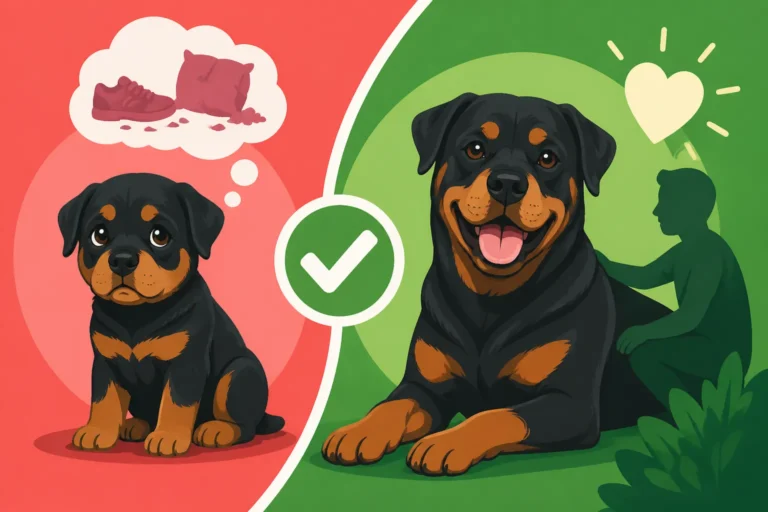
Why an $800 Rottweiler Puppy Costs More Later
It's incredibly tempting to see a Rottweiler puppy advertised for $800 or even less and think you've found a fantastic deal. After all, reputable breeders often list their puppies for $1,500, $2,000, or even more. The difference in price can feel substantial, making that cheaper puppy seem like a smart financial choice. However, as many experienced Rottweiler owners will tell you, a low upfront cost can often be a Trojan horse, hiding a multitude of future expenses that far outweigh any initial "savings." This guide will break down exactly why an $800 Rottweiler puppy almost always ends up costing you significantly more in the long run, both financially and emotionally.
The Lure of a Low Price Tag
We all want to save money where we can, especially when facing the significant investment that comes with bringing a new dog into our lives. A large breed like a Rottweiler already comes with higher costs for everything from food to medication, so finding a "bargain" puppy can feel like a win right from the start. But it's crucial to understand what often lies behind that seemingly attractive low price.
The Initial Sticker Shock Versus Hidden Costs
The immediate relief of paying hundreds less for a puppy can quickly evaporate when you start tallying up the true costs down the line. When a breeder charges a premium for their puppies, a significant portion of that price goes into crucial upfront investments. This includes the extensive health testing of the parent dogs for genetic conditions like hip and elbow dysplasia, cardiac issues, and even specific neurological disorders like JLPP and the RAB3GAP1 Gene in Rottweilers. These tests are expensive, often costing hundreds, if not thousands, of dollars per dog, and they are performed by specialists, not just a regular vet.
A breeder who offers puppies for $800 or less is typically cutting corners on these essential health screenings. They might offer a "vet check" as reassurance, but a standard vet check only confirms that the puppy appears healthy at that moment. It doesn't tell you if the parents carry genes for debilitating diseases that will manifest as the puppy grows. The initial sticker shock of a $2,000 puppy might make you pause, but that investment significantly reduces the likelihood of needing to spend tens of thousands on surgeries, medications, or specialized care for a dog suffering from inherited conditions later in life. It's truly a pay-now-or-pay-much-more-later situation.
Where "Bargain" Rottweiler Puppies Often Come From
When you see a Rottweiler puppy listed at a significantly reduced price, it's a huge red flag that you're likely looking at a puppy from a backyard breeder, a puppy mill, or an accidental litter. These individuals or operations are primarily motivated by profit, not by the health, temperament, or welfare of the breed.
Backyard breeders often breed their pets without understanding genetics, temperament, or the importance of health clearances. They might genuinely love their dogs but lack the knowledge, resources, or commitment to do things properly. Puppy mills, on the other hand, are commercial breeding operations where dogs are kept in often deplorable conditions, bred repeatedly, and receive minimal veterinary care. Their puppies are frequently sold through pet stores or online classifieds, often sick, poorly socialized, and prone to a host of health and behavioral problems.
An accidental litter, while sometimes coming from loving homes, still lacks the intentional planning, health testing, and breed knowledge that reputable breeders provide. The parents aren't tested, their temperaments might not be suitable for breeding, and the puppies often don't receive the early enrichment and socialization necessary for a stable adult Rottweiler. These "bargain" puppies are cheap for a reason: the seller hasn't invested in the crucial steps that ensure a healthy, well-adjusted dog.
The True Cost of Neglecting Health Clearances
The most significant financial hit you're likely to face with an $800 Rottweiler puppy comes from health issues that could have been screened for and avoided. Reputable breeders meticulously screen their breeding stock to minimize the risk of passing on genetic diseases.
Inherited Conditions and Their Expenses
Rottweilers, like many large breeds, are predisposed to several significant health problems. Rottweiler Hips and Elbows and the 24-Month Rule are paramount. Hip and elbow dysplasia are painful, often debilitating conditions that can require expensive surgeries, ongoing pain management, and physical therapy. A single hip replacement can cost upwards of $6,000-$8,000 per hip, and many dogs require both. Elbow surgeries can also run into the thousands.
Beyond orthopedic issues, Rottweilers are also prone to certain heart conditions, such as subaortic stenosis (SAS). An echocardiogram to diagnose SAS can be costly, and ongoing medication and special care for a dog with heart disease can quickly add up. Furthermore, Rottweilers have a higher incidence of certain cancers, including osteosarcoma, a aggressive bone cancer. While cancer can strike any dog, responsible breeders strive to select lines with longevity and health, reducing risk where possible. If your $800 puppy develops one of these conditions, you're looking at bills that quickly eclipse your initial "savings." This is where a robust pet insurance policy, like those offered by Healthy Paws, can become invaluable, though even insurance often won't cover pre-existing conditions if the issues arise before enrollment.
The Absence of a Health Guarantee
A hallmark of a responsible breeder is a detailed health guarantee or warranty. This typically covers genetic health issues for the first one to three years of the dog's life, sometimes offering a replacement puppy or a partial refund if a severe, covered genetic condition emerges. These guarantees are a testament to the breeder's confidence in their breeding program and their commitment to the puppies they produce.
With an $800 puppy, a health guarantee is usually non-existent or incredibly vague. You'll likely be given a contract that states the puppy is "as-is" or only guaranteed for a few days against contagious diseases. This means that if your puppy is diagnosed with severe hip dysplasia at 12 months, or suddenly starts showing signs of a debilitating neurological condition, you, the owner, bear 100% of the financial burden. There's no recourse, no support, and certainly no replacement puppy. This lack of accountability speaks volumes about the breeder's priorities and the quality of their stock.
Behavioral and Training Expenses from Poor Breeding and Socialization
Beyond physical health, the temperament and behavior of a Rottweiler are profoundly influenced by genetics and early environment. An $800 puppy often comes from parents with unvetted temperaments and has received inadequate early socialization, leading to costly behavioral problems down the road.
Unaddressed Temperament Issues
A well-bred Rottweiler should possess a calm, confident, and self-assured demeanor, exhibiting aloofness towards strangers but unwavering loyalty to its family. This stable temperament doesn't happen by accident; it's the result of generations of careful breeding decisions by those who understand the breed standard and prioritize good character. When you get a puppy from a breeder who isn't focused on these traits, you risk inheriting temperament issues.
These issues can manifest as excessive shyness, fear, anxiety, or even aggression. Imagine a 100-pound Rottweiler displaying extreme fear reactivity on walks, lunging and barking at every passing dog or person. This isn't just unpleasant; it's dangerous and requires immediate, intensive intervention. Hiring a qualified behaviorist or a specialized trainer for reactivity can cost hundreds to thousands of dollars, with ongoing sessions, special equipment, and a significant time commitment. These trainers often charge premium rates for working with large, powerful breeds that exhibit serious behavioral challenges, making that initial $800 puppy suddenly seem very expensive indeed. Rottweiler Behavior Problems That Start Small can quickly escalate without proper handling.
Lack of Early Socialization and Its Ramifications
The first few months of a puppy's life are critical for socialization. Reputable breeders introduce their puppies to a variety of sights, sounds, textures, and gentle human interactions from a very young age. This early exposure helps the puppies develop into well-adjusted adults who are resilient and able to cope with the world around them.
In contrast, puppies from backyard breeders or puppy mills are often raised in isolated environments, lacking exposure to diverse stimuli, or even sufficient positive human contact. They might be kept in kennels, sheds, or basements, missing out on crucial developmental periods. When such a puppy comes into your home, it might be overly shy, fearful of new experiences, or reactive to common household noises.
Addressing these deficits requires extensive, proactive socialization and training, often involving specialized puppy classes, one-on-one sessions with a trainer, and countless hours of careful exposure work. If not addressed, these issues can lead to a dog that is difficult to take out in public, prone to panic in new situations, or even aggressive due to fear. The cost of such remedial work, both in terms of money and sheer effort, is substantial. Getting a puppy from a background with proper Rottweiler Socialization Before Sixteen Weeks is invaluable for preventing these costly issues.
Unexpected Veterinary Bills for Neglected Care
An $800 Rottweiler puppy frequently comes with a hidden medical debt from day one, due to basic care that was overlooked or intentionally skipped by the seller.
Basic Medical Care Skipped by Irresponsible Breeders
A reputable breeder invests in the immediate health of their puppies. This means regular deworming, the first set of vaccinations appropriate for their age, and a thorough veterinary examination before they go to their new homes. These steps protect the puppy from common ailments and give them a strong start.
Puppies from low-cost sources often miss out on this fundamental care. They might arrive with a heavy parasite load (worms, giardia, coccidia), which requires multiple vet visits, diagnostic tests, and expensive medications. They might be behind on vaccinations, putting them at higher risk for serious, life-threatening diseases like parvovirus, which can involve days of hospitalization and thousands of dollars in treatment. Moreover, if the mother dog wasn't properly nourished or cared for, the puppies' immune systems might be compromised, making them more susceptible to illness. All these neglected basics translate directly into unexpected and significant veterinary bills for the new owner.
Emergency Situations and the Cost of Unforeseen Illnesses
While any dog can experience a medical emergency, puppies from questionable backgrounds often have a weaker constitution, making them more vulnerable to severe outcomes from otherwise manageable issues. For instance, a puppy with an already compromised immune system might suffer a more severe reaction to a common virus.
Then there are the truly unpredictable emergencies like Bloat in a Rottweiler and the Hours That Matter. This life-threatening condition requires immediate surgery, which can cost anywhere from $4,000 to $8,000, depending on your location and the complexity of the case. While proactive measures like Gastropexy to Prevent Rottweiler Bloat can reduce risk, a puppy from a low-cost breeder often has an unknown lineage, making it harder to assess genetic predispositions to such issues. Having pet insurance can soften the blow, but it won't prevent the initial emergency.
Consider also issues like severe allergies, which can lead to chronic skin infections, ear infections, and gastrointestinal upset. Diagnosing and managing allergies can involve specialized diets (Ollie offers customized meal plans that can be very helpful here, but they are an ongoing cost), dermatological visits, allergy testing, and long-term medication, all adding up to hundreds or thousands of dollars annually.
Here's a quick comparison of what you might save upfront versus what you could realistically face in costs:
| Item | $800 "Bargain" Puppy (Initial Cost) | Health-Tested Puppy (Initial Cost) | Potential Future Costs for Bargain Puppy (Estimate) |
|---|---|---|---|
| Purchase Price | $800 | $1,500 – $3,000 | -$0 (already paid) |
| Hip Dysplasia Surgery | -$0 | -$0 | $6,000 – $16,000 (per dog, 1-2 hips) |
| Elbow Dysplasia Surgery | -$0 | -$0 | $2,000 – $6,000 (per elbow) |
| Cardiac Workup/Meds | -$0 | -$0 | $500 – $3,000+ (diagnosis, ongoing meds) |
| Behaviorist/Trainer | -$0 | -$0 | $500 – $4,000+ (for reactivity, fear aggression) |
| Emergency Vet Visit | -$0 | -$0 | $500 – $8,000 (for parvovirus, bloat, injury) |
| Deworming/Vaccines | -$0 (often incomplete) | Included in purchase | $100 – $400 (if skipped by breeder) |
| Total Potential | $800 | $1,500 – $3,000 | $9,100 – $37,400+ (Above purchase price!) |
This table clearly illustrates that while the initial outlay for a health-tested puppy is higher, it acts as a preventative measure against potentially catastrophic future expenses.
The Emotional and Time Investment
Beyond the financial drain, an $800 Rottweiler puppy can demand an immense emotional and time investment, often leading to heartbreak and exhaustion for the unprepared owner.
The Heartbreak of Chronic Illness
Watching your beloved Rottweiler puppy suffer from a chronic, painful, or debilitating illness is truly heartbreaking. The endless vet visits, the difficult decisions about treatment options, the constant worry about their quality of life – these things take an enormous emotional toll. You might spend countless hours researching conditions, administering medications, and providing special care, all while battling the grief of seeing your companion in pain. This isn't what you envisioned when you brought home a new puppy.
The "savings" you thought you made on the purchase price quickly disappear when faced with the reality of a dog that needs constant medical attention. The emotional cost of stress, worry, and potential early loss is immeasurable, far outweighing any monetary gain. For example, dealing with a Rottweiler who develops early-onset Osteosarcoma, the Cancer That Takes Most Rottweilers can be devastating, involving intense treatment decisions, pain management, and navigating a shortened lifespan.
The Commitment to Remedial Training
A Rottweiler is a powerful, intelligent, and sometimes stubborn breed. They require consistent training and firm, fair guidance from day one. If your $800 puppy comes with inherent behavioral challenges due to poor genetics or a lack of early socialization, the time commitment to remedial training can be staggering. You might spend hours every day working on basic manners, leash reactivity, or separation anxiety. This can mean sacrificing personal time, hobbies, and social engagements.
Imagine trying to manage a large, fearful Rottweiler in public, constantly vigilant to prevent incidents. Or spending every weekend at specialized training classes, when you'd rather be enjoying a relaxed walk. This isn't just about the financial cost of a trainer; it's about the emotional exhaustion and the constant effort required to shape a dog's behavior that should have been nurtured from birth. Tools and supplies like those found on Chewy can help, but they are only aids to consistent, dedicated training.
The adage "you get what you pay for" is particularly true in the world of purebred dogs, and especially so for a breed as robust and health-prone as the Rottweiler. Investing in a puppy from a reputable, health-testing breeder is not an indulgence; it's a wise, preventative measure that safeguards both your finances and your emotional well-being over the lifetime of your cherished companion. While it's tempting to think you're saving money with that $800 price tag, the reality is you're often setting yourself up for a far greater cost in the long run.
Disclaimer
This article is intended for informational purposes only and does not constitute veterinary advice. Always consult with a qualified veterinarian for any health concerns or before making decisions about your pet's medical care. Prices and costs mentioned are estimates and can vary widely based on location, specific veterinary practices, and individual circumstances.