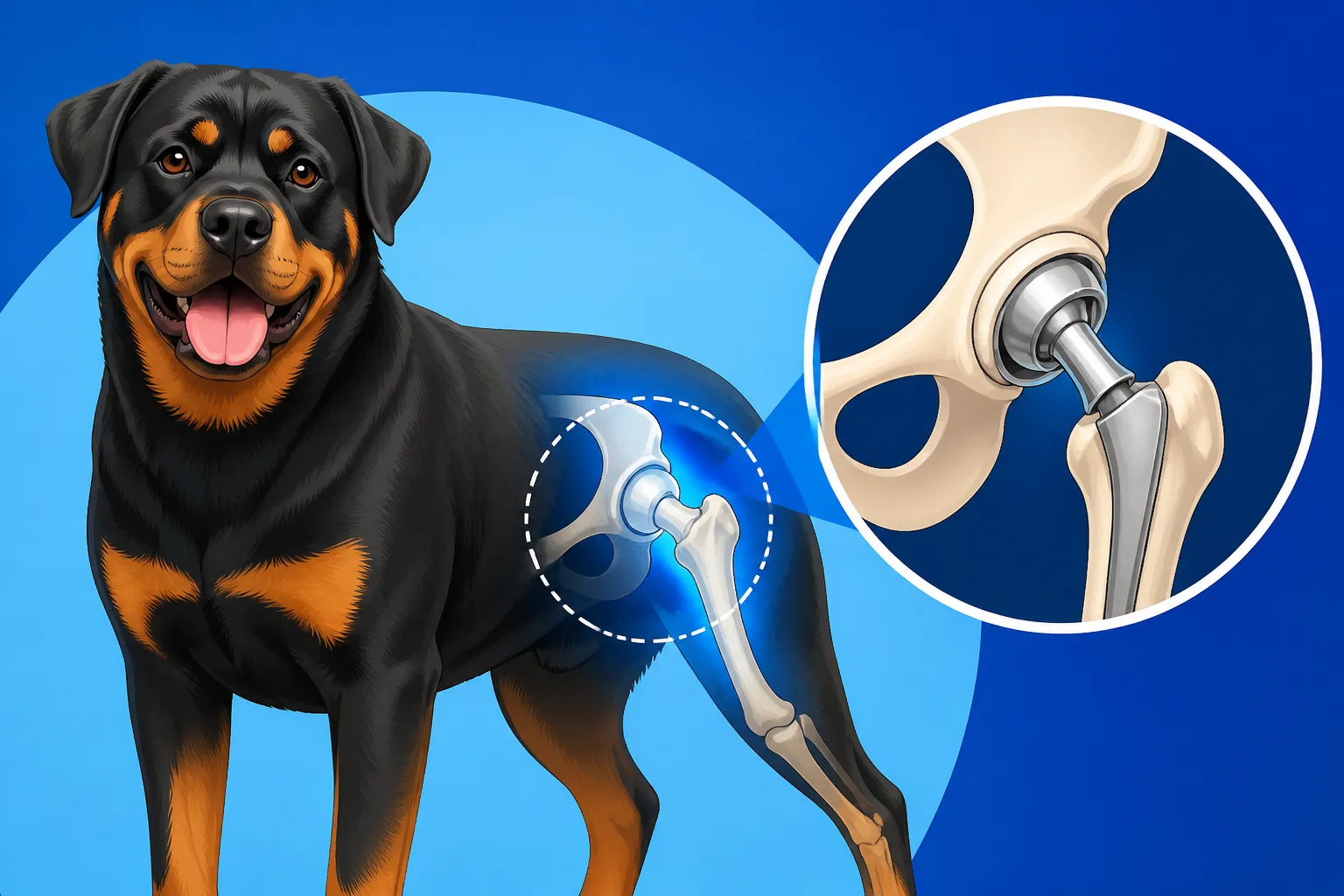
Total Hip Replacement in a Rottweiler
It’s absolutely heartbreaking to watch your robust, powerful Rottweiler, a dog known for its strength and stoicism, begin to struggle with the simplest movements. The stiffness, the hesitant gait, the outright refusal to jump or run—these are signs that something is deeply wrong, often signaling the debilitating pain of hip dysplasia. If you’re at a point where conservative treatments just aren’t cutting it and your beloved companion’s quality of life is suffering, a total hip replacement might just be the life-changing solution you’ve been desperately hoping for. This comprehensive guide will walk you through everything you need to know about this complex but often incredibly successful procedure.
Understanding Hip Dysplasia in Rottweilers
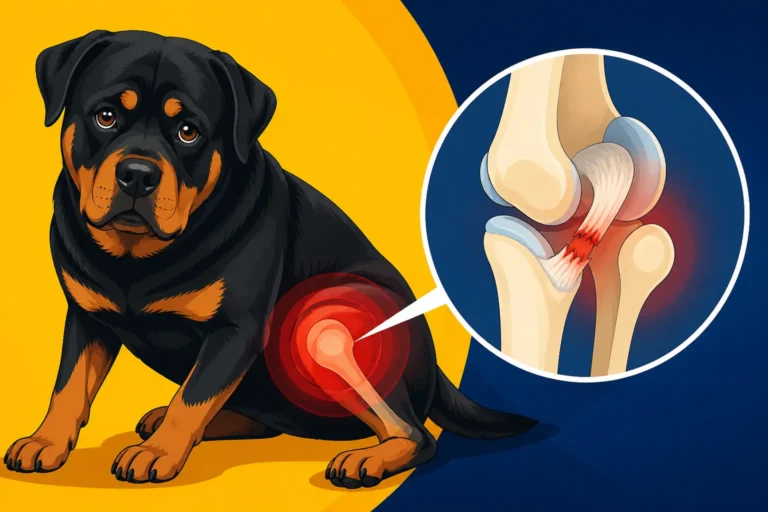
Hip dysplasia is a frustratingly common condition in large and giant breed dogs, and unfortunately, our magnificent Rottweilers are particularly susceptible. It's not an injury that happens overnight; rather, it’s a developmental orthopedic condition where the hip joint doesn’t form properly. Instead of a smooth, snug fit between the ball (femoral head) and socket (acetabulum), there's a looseness, an instability that leads to friction, grinding, and eventually, painful degenerative joint disease and arthritis.
The Genetic Predisposition
The primary driver behind hip dysplasia is genetics. While environmental factors like rapid growth, excessive weight, and inappropriate exercise in puppyhood can exacerbate the condition, a Rottweiler’s genetic blueprint largely determines its risk. This is why it’s absolutely paramount to choose a puppy from a responsible breeder who has conscientiously screened their breeding stock. You’ll want to see documentation of hip and elbow clearances from organizations like the Orthopedic Foundation for Animals (OFA) or PennHIP. These certifications help minimize the risk, though they can't guarantee a completely dysplasia-free offspring. Breeders committed to the health of the breed understand this deeply, and this commitment is why you should always look for The Five Clearances a Rottweiler Breeder Must Have. If you're looking at a breeder, asking to see the dam and sire's OFA certifications is non-negotiable.
Recognizing the Signs of Hip Pain
Sometimes, the signs of hip dysplasia are subtle at first, manifesting as mild discomfort that’s easy to dismiss as just a "bad step." But as the condition progresses and arthritis sets in, the symptoms become impossible to ignore. You might notice your Rottweiler exhibiting a reluctance to engage in activities they once loved, like chasing a ball or going for long walks. Common signs include a distinct limp, especially after rising from rest or after exercise. They might "bunny hop," moving both hind legs together, almost like a rabbit, to minimize weight bearing on a painful hip. Difficulty getting up from a lying position, struggling with stairs, a stiff or abnormal gait, decreased muscle mass in the hindquarters, and even pain when the hip is manipulated are all red flags. For some Rottweilers, these symptoms can appear quite early, even before their first birthday, as described in Rottweiler Hip Dysplasia Symptoms Before Age Two. It’s crucial to pay close attention to these subtle cues, as early intervention can make a significant difference in managing the disease.
Diagnosing Hip Dysplasia
If you suspect your Rottweiler might be suffering from hip dysplasia, your first step is a visit to your veterinarian. They’ll perform a thorough physical examination, assessing your dog’s gait, range of motion in the hips, and checking for any pain response. Often, they’ll perform specific manipulations, like the Ortolani sign, to check for hip laxity. However, the definitive diagnosis almost always comes from X-rays. These images allow the vet to visualize the hip joints, evaluate the shape of the femoral heads and acetabula, and look for signs of looseness, shallow sockets, or the bony changes indicative of arthritis. Organizations like the OFA grade hips based on these X-rays, providing ratings from excellent to severely dysplastic. Understanding your dog’s OFA grade, even if it’s merely "Fair," can provide valuable insight into their joint health and potential future needs, as detailed in Rottweiler Hip Dysplasia and the OFA Grade. These X-rays are typically taken with the dog under sedation or light anesthesia to ensure proper positioning and minimize discomfort, providing the clearest possible picture.
When Total Hip Replacement Becomes an Option
Discovering your Rottweiler has hip dysplasia can be overwhelming. Many owners initially opt for conservative management, and often, this is a very effective way to keep your dog comfortable for a good long while. However, there comes a point for some dogs when conservative approaches just aren’t enough to maintain a good quality of life.
Conservative Management Versus Surgical Intervention
Conservative management forms the cornerstone of early intervention for hip dysplasia. This typically involves a multi-pronged approach: rigorous weight management, ensuring your Rottweiler stays lean to reduce stress on their joints (it’s amazing how much How Rottweiler Weight Multiplies the Load on Its Hips), a tailored exercise routine that emphasizes low-impact activities like swimming, pain medication such as NSAIDs (non-steroidal anti-inflammatory drugs) to reduce inflammation and discomfort, and joint supplements containing ingredients like glucosamine, chondroitin, and Omega-3 fatty acids. Many owners begin these supplements quite early, even for healthy dogs, hoping to bolster joint health, as seen in the discussion around Joint Supplements Started Before a Rottweiler Turns Two. Physical therapy, including hydrotherapy and therapeutic exercises, can also be incredibly beneficial, as explored in Physical Therapy After Rottweiler Joint Surgery.
However, for some Rottweilers, especially those with severe dysplasia or advanced arthritis, these measures eventually lose their efficacy. When the pain is debilitating, when daily life becomes a struggle, and when medication no longer provides adequate relief, that’s when a total hip replacement (THR) moves from being a last resort to a life-changing necessity. It’s a decision often made in consultation with a board-certified veterinary orthopedic surgeon, weighing the dog’s current suffering against the potential for a pain-free future.
Ideal Candidate Profile
Not every Rottweiler with hip dysplasia is a candidate for a total hip replacement. The ideal candidate is typically an adult dog, though young dogs can undergo the procedure once their Rottweiler Growth Plates Closing at Eighteen to Twenty-Four Months have fully closed, usually around 18-24 months of age. They should be otherwise healthy, without other serious medical conditions that would complicate anesthesia or recovery. Temperament is also a significant factor; a dog that is overly anxious or aggressive might struggle with the post-operative confinement and rehabilitation protocols. Most importantly, the dog must be experiencing significant, debilitating pain that hasn't responded to conservative treatments. While many dogs have dysplasia in both hips, often only the more severely affected or painful hip is replaced first, with the second hip being addressed later if necessary. The goal is to dramatically improve the dog's quality of life by eliminating the source of chronic pain.
Unilateral Versus Bilateral Procedures
It’s common for Rottweilers to have hip dysplasia affecting both left and right hips. However, it’s rare for both hips to be replaced in a single surgery. Most commonly, surgeons will address the more painful or severely affected hip first – this is known as a unilateral procedure. The reasoning is that even replacing one hip can significantly improve a dog's overall comfort and mobility. Often, once one hip is fixed, the dog’s compensation mechanisms change, and the "good" hip may appear to be doing better than it actually is. After the first hip has fully recovered, typically 6-12 months later, a decision can be made about replacing the second hip if the dog is still experiencing significant pain or mobility issues on that side. The recovery from one THR is intense enough, and asking a dog to recover from two simultaneously, especially a large breed like a Rottweiler, would be incredibly challenging and carry higher risks.
| Factor | Conservative Management (CM) | Total Hip Replacement (THR) |
|---|---|---|
| Initial Cost | Lower (meds, supplements, PT) | High (surgery, hospital, rehab) |
| Effectiveness | Manages pain, slows progression | Eliminates source of pain, restores function |
| Recovery Time | Ongoing management | Intensive 3-6 months post-op |
| Pain Relief | Variable, often partial | Excellent, often complete |
| Activity Level | Often restricted | Significantly improved, near-normal |
| Suitability | Mild to moderate cases, or early stages | Severe, debilitating pain unresponsive to CM |
| Complications | Side effects from meds, continued pain | Infection, luxation, implant failure |
The Total Hip Replacement Procedure Explained
When it comes to total hip replacement, we’re talking about highly specialized, advanced veterinary surgery. This isn't a procedure performed by every general practice veterinarian; it requires a board-certified veterinary orthopedic surgeon and a dedicated surgical team with extensive experience in these complex cases.
What the Surgery Entails
The total hip replacement procedure is remarkably similar to human hip replacement surgery. The surgeon carefully removes the diseased parts of the hip joint: the head of the femur (the ball) and the damaged portion of the acetabulum (the socket). These are then replaced with prosthetic components, typically made of medical-grade metal alloys and high-density polyethylene. The new "ball" (femoral head) is usually titanium or cobalt-chrome, and it's securely fitted onto a stem that's inserted into the femur. The new "socket" (acetabular cup) is often a polyethylene liner seated within a titanium shell, which is then implanted into the pelvis. These implants are designed to mimic the natural joint, allowing for smooth, pain-free movement. The entire surgery is meticulous and can take several hours, demanding extreme precision to ensure proper alignment and long-term success. Given the size and weight of a Rottweiler, the implants used are robust and designed to withstand significant forces.
Hospital Stay and Immediate Post-Op Care
Following such an extensive surgery, your Rottweiler will typically remain hospitalized for several days. This allows the veterinary team to closely monitor their recovery, manage pain effectively, and prevent early complications. Intense pain management is paramount, often involving a combination of injectable pain medications, nerve blocks, and oral medications to keep your dog as comfortable as possible. During this immediate post-operative period, movement is strictly controlled to protect the new joint while it begins to heal and integrate with the bone. The surgical site will be bandaged, and your dog will likely wear an E-collar to prevent licking or chewing at the incision. This critical initial phase lays the groundwork for successful long-term recovery, and the dedicated nursing care during this time is invaluable.
The Long Road of Rehabilitation
Bringing your Rottweiler home after THR surgery is just the beginning of a lengthy and incredibly important rehabilitation process. This isn't a "fix it and forget it" surgery. For the first several weeks, strict confinement and controlled activity are non-negotiable. This means leash walks only, no running, jumping, or roughhousing, and often restricting them to a small, non-slip area. The exact timeline will be provided by your surgeon, but it often involves a gradual increase in activity over three to six months, sometimes even longer.
Physical therapy is a vital component of recovery, helping to rebuild muscle mass, restore range of motion, and encourage proper gait. This might include gentle passive range of motion exercises, controlled walking, and eventually more advanced therapeutic exercises under the guidance of a certified canine rehabilitation therapist. It’s a huge commitment, requiring patience, consistency, and a vigilant eye to prevent your Rottweiler from overdoing it too soon. However, this dedication pays off immensely, as proper rehabilitation ensures the best possible outcome for your dog, especially when considering how vital mobility is for their overall well-being and preventing further issues like Senior Rottweiler Mobility Decline.
Life After Total Hip Replacement for Your Rottweiler
The ultimate goal of a total hip replacement is to give your Rottweiler back a life free from chronic pain and to restore their mobility. When successful, the transformation can be truly remarkable.
Restored Mobility and Quality of Life
For Rottweilers who have lived with the debilitating pain of hip dysplasia, a successful total hip replacement can feel like a miracle. Owners often report a dramatic reduction, if not complete elimination, of pain. This translates into restored mobility: dogs can walk, run, jump, and play with a vigor they haven't experienced in years. Their gait improves, they are no longer stiff after rest, and their overall demeanor often brightens significantly. Imagine seeing your once-reserved Rottweiler eagerly greet you at the door, wagging their tail and moving with ease. While a former working dog might not return to elite-level performance, a family pet typically achieves a wonderful quality of life, able to enjoy walks, play with family, and live comfortably. This renewed vitality is the true reward for enduring the challenging recovery period.
Potential Complications and Monitoring
While total hip replacement has a very high success rate (often cited at 90-95% for eliminating pain), it's still a major surgical procedure with potential complications. Owners need to be aware of these possibilities. The most common complications include infection, which can be severe and may require implant removal; luxation or dislocation of the prosthetic joint, often due to improper activity during recovery; implant loosening over time; or nerve damage, though this is less common. Other, rarer complications can also occur.
Vigilant monitoring at home is critical. You’ll need to watch for any signs of infection (redness, swelling, discharge from the incision), sudden lameness, limping, or changes in gait that could indicate a luxation. Any such signs warrant immediate contact with your veterinary surgeon. While these risks exist, the vast majority of Rottweilers navigate them successfully and go on to live active, pain-free lives.
Long-Term Management and Check-ups
Even after a successful total hip replacement and full recovery, long-term care remains important. Your Rottweiler will still benefit from regular veterinary check-ups to monitor the integrity of the implant and ensure overall joint health. Continued weight management is crucial; keeping your Rottweiler at a healthy, lean body weight minimizes stress on all their joints, including the new hip and any remaining natural joints. While the replaced hip itself should be pain-free, it's wise to continue with appropriate, consistent exercise to maintain muscle tone and flexibility. Some owners choose to continue with oral joint supplements or consider ongoing low-impact activities like swimming to keep other joints healthy, much like the strategies used in Managing Arthritis in an Older Rottweiler. The goal is not just a recovered hip, but a healthy, active Rottweiler for many years to come.
Financial Considerations and Support for Total Hip Replacement
There's no sugarcoating it: a total hip replacement for a Rottweiler is a significant financial undertaking. It's one of the most expensive veterinary orthopedic procedures, and understanding the costs involved is a crucial part of the decision-making process.
Understanding the Cost Breakdown
The cost of a total hip replacement can vary widely based on your geographic location, the specific veterinary surgical center, the surgeon's fees, and the specific type of implants used. Generally, you can expect the cost for a single hip replacement to range anywhere from $5,000 to $9,000 or even higher. This comprehensive fee typically includes the initial consultation with the orthopedic surgeon, pre-operative diagnostics (blood work, additional X-rays), the surgery itself, anesthesia, several days of hospitalization and post-operative pain management, and follow-up appointments. It may or may not include the full course of physical rehabilitation, which can add hundreds to thousands more depending on the intensity and duration. These costs are a major factor, often dwarfing the expense of other major procedures, as highlighted in Rottweiler Surgery Costs From Bloat to Bone Cancer. It’s always best to get a detailed estimate from your veterinary surgeon’s office.
The Role of Pet Insurance
This is where pet insurance can truly be a lifesaver for Rottweiler owners. If you enrolled your Rottweiler in a comprehensive pet insurance plan before any signs or diagnosis of hip dysplasia emerged, the policy would likely cover a significant portion of the total hip replacement cost. Most pet insurance providers, like Healthy Paws, consider hip dysplasia a treatable condition. However, it's almost universally considered a pre-existing condition if diagnosed or showing symptoms before coverage begins, meaning it would not be covered. This underscores the importance of obtaining pet insurance when your Rottweiler is a puppy, even if you think they’re perfectly healthy.
A good policy, especially from a provider known for its robust coverage like Healthy Paws, can reimburse you for 70%, 80%, or even 90% of eligible veterinary expenses after your deductible is met. This can turn a $7,000 bill into a much more manageable $700-$2,100 out-of-pocket expense, making a life-changing surgery accessible. You can learn more about typical costs and coverage in Rottweiler Pet Insurance and the $204 Average. It’s always a good idea to thoroughly review policy details and speak with an agent to understand what exactly is covered, particularly regarding orthopedic conditions and rehabilitation. The foresight of having a policy in place from a company like Healthy Paws can truly alleviate the stress of Financing a Rottweiler Surgery You Did Not Plan For.
Exploring Other Financial Assistance
If pet insurance isn't an option or doesn't cover enough, don't despair. There are other avenues for financial assistance. Many veterinary practices offer payment plans, or you can explore veterinary-specific credit options like CareCredit, which provides low or no-interest financing for a set period. Some breed-specific rescue organizations or foundations dedicated to helping dogs with orthopedic conditions may also offer grants or subsidies. It’s worth researching these options and having an open conversation with your veterinary team about the financial realities and possible solutions. Sometimes, a combination of these approaches can help you afford the surgery your Rottweiler desperately needs.
Disclaimer
The information provided in this article is for general informational purposes only and does not constitute veterinary advice. Always consult with a qualified veterinarian or veterinary specialist for any health concerns or before making any decisions about your pet's medical care.