Early JLPP Signs in a Rottweiler Puppy
It's absolutely heartbreaking when you bring home a new Rottweiler puppy, full of dreams and expectations, only to start noticing subtle signs that something just isn't quite right. That tiny worry can quickly blossom into overwhelming anxiety, especially when it comes to serious genetic conditions. This guide is here to help you navigate those confusing early days, shedding light on the crucial signs of Juvenile Laryngeal Paralysis & Polyneuropathy (JLPP) so you can seek timely veterinary attention for your beloved companion.
Understanding JLPP in Rottweilers
When we talk about health in Rottweilers, there are certain conditions that weigh heavily on the minds of responsible breeders and owners alike. JLPP is definitely one of them, a devastating genetic disorder unique to our majestic breed. It's a progressive disease, meaning it gets worse over time, and understanding what it is and how it's inherited is the first step in recognizing its early whispers.
What is Juvenile Laryngeal Paralysis & Polyneuropathy
JLPP is a complex neurological disorder that specifically affects Rottweilers. The name itself gives us clues: "Juvenile" means it shows up in young puppies, typically before they're a year old. "Laryngeal Paralysis" points to the voice box, or larynx, being affected, which impacts breathing and swallowing. "Polyneuropathy" indicates a more widespread issue with the peripheral nervous system – the nerves outside the brain and spinal cord – which can lead to weakness and coordination problems in the limbs. Essentially, the nerves that tell certain muscles what to do aren't working properly, leading to a cascade of physical challenges. This isn't just a minor issue; it progressively impairs crucial bodily functions, making life increasingly difficult for an affected puppy.
The Genetic Basis and Inheritance
The root cause of JLPP lies in a specific genetic mutation within the RAB3GAP1 gene. This gene plays a role in nerve development and function, so when it's faulty, the nerves don't work as they should. JLPP is an autosomal recessive condition, which sounds complicated, but it just means a puppy must inherit two copies of the faulty gene—one from its mother and one from its father—to be affected. If a puppy inherits only one copy, it becomes a "carrier," meaning it won't develop the disease but can pass the faulty gene on to its own offspring. This is precisely why it's so vital for responsible breeders to perform genetic testing on their breeding dogs. You really want to make sure that Why One Rottweiler Parent Must Test Clear when you're considering a puppy, as it dramatically reduces the risk of this devastating disease appearing in a litter. Understanding this genetic blueprint is key to preventing JLPP and ensures that puppies like yours have the best possible start to their Rottweiler Lifespan and the Eight to Ten Year Average.
Age of Onset for JLPP Symptoms
One of the most heart-wrenching aspects of JLPP is that its symptoms typically begin to manifest during a Rottweiler puppy's crucial developmental period. While some signs might be incredibly subtle at first, they generally become noticeable between 3 and 6 months of age, though some cases might appear slightly earlier or later. It's truly a "juvenile" disease, striking during what should be a time of boundless energy, playful antics, and rapid growth. This early onset means that affected puppies often don't have the chance to experience a full, healthy puppyhood. Owners might initially dismiss early clumsiness or a strange sound as just typical puppy behavior, which makes recognizing these specific markers even more important. The challenge lies in distinguishing normal puppy growing pains from the insidious onset of a serious neurological condition.
The First Subtle Clues: Laryngeal Issues
The larynx, or voice box, is one of the first areas affected by JLPP, and the signs here can be particularly easy to miss or misinterpret. As Rottweiler owners, we want our pups to be robust and healthy, and it's easy to write off small peculiarities, but with JLPP, these subtle changes are critical.
Changes in Bark Quality and Sound
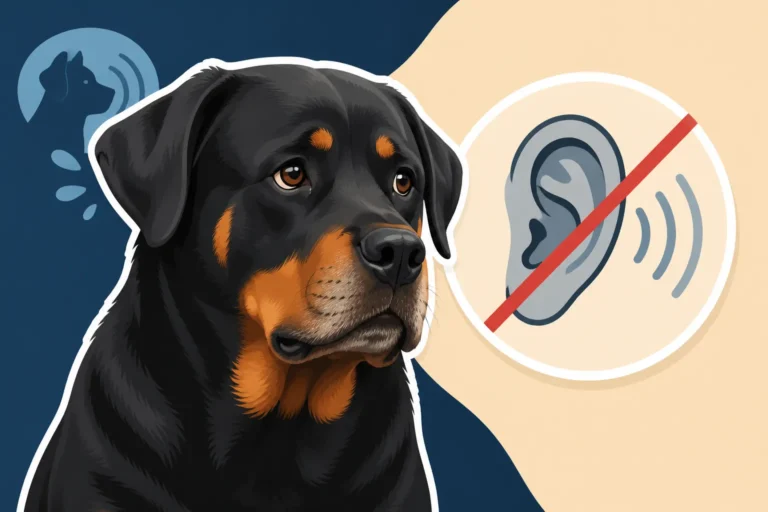
Imagine your robust Rottweiler puppy, full of boisterous barks and happy grumbles. Now imagine those sounds starting to change. With JLPP, one of the earliest and most telling signs is a noticeable alteration in your puppy's bark. Instead of a strong, clear "woof," you might start to hear something that sounds hoarse, raspy, or even strangely high-pitched. Sometimes, it might seem like the bark is "broken" or has lost its power, almost like a permanent sore throat. In more advanced cases, a puppy might even develop a complete loss of voice, only managing a whisper or a strained gasp. Owners often describe it as their puppy's bark having "gone missing" or sounding perpetually froggy. It’s not just a minor annoyance; it’s a symptom of the laryngeal nerves failing to properly open and close the vocal cords, which impacts more than just sound. If you notice A Rottweiler Puppy Whose Bark Has Changed, especially if it persists or worsens, it's definitely a red flag.
Labored Breathing and Exercise Intolerance
Beyond the bark, the impact on the larynx can lead to serious breathing difficulties. The vocal cords, controlled by those affected nerves, don't fully open when the puppy inhales. This creates a restricted airway, making it harder to pull in enough oxygen. You might start noticing your puppy breathing with more effort, especially after even mild exertion, excitement, or in warmer weather. This labored breathing often comes with a distinctive, noisy sound called "stridor" – a high-pitched, wheezing, or roaring sound heard most clearly on inhalation. It's a stark contrast to the quiet, efficient breathing of a healthy pup. A puppy with JLPP might also seem unusually winded after short play sessions, or they might lag behind their littermates or other dogs during walks. In severe instances, their gums might even appear bluish due to lack of oxygen, which is an immediate emergency. This isn't just about being out of shape; it's a sign that their body is struggling to get the air it needs.
Swallowing Difficulties and Gagging
The same nerves that control the larynx also play a role in coordinating the complex act of swallowing. When these nerves are compromised by JLPP, puppies often struggle to eat and drink normally, leading to what's called dysphagia. You might observe your puppy coughing or gagging frequently during or immediately after meals, almost as if food or water is going "down the wrong pipe." They might eat very slowly, drop food, or even try to stretch their neck out in an attempt to swallow more easily. This isn't just messy; it carries a significant risk of aspiration pneumonia, where food or liquid enters the lungs instead of the stomach. Affected puppies might also refuse certain types of food, preferring softer options, or appear reluctant to drink. This can quickly lead to dehydration or weight loss, even if they're otherwise offered plenty of nourishment. If you're noticing Rottweiler Swallowing Trouble and Aspiration Risk, it's a critical sign that warrants immediate veterinary investigation.
Neurological Signs Affecting Movement
While the laryngeal issues often catch attention first, the "polyneuropathy" aspect of JLPP means that the peripheral nerves throughout the body are also affected. This manifests as noticeable issues with movement and coordination, particularly in the hind limbs. It can be incredibly distressing to watch a once-playful puppy begin to struggle with basic movements.
Weakness and Ataxia in the Hind Limbs
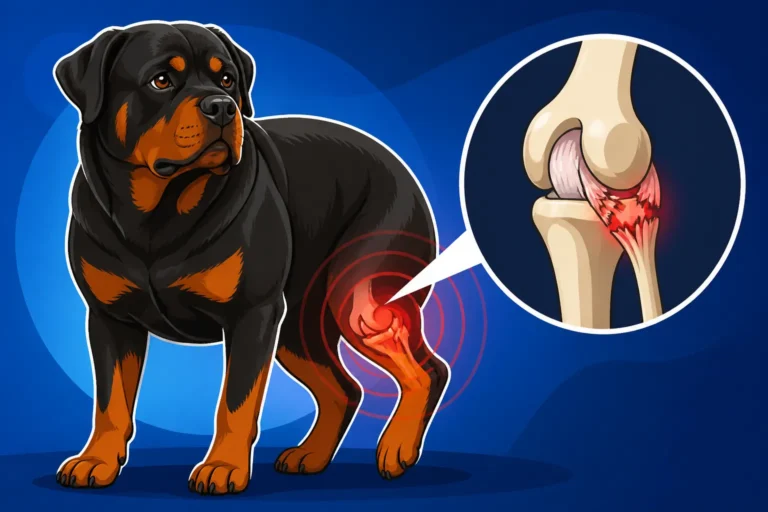
As JLPP progresses, the nerve damage starts to impact the muscles responsible for movement, especially in the hind limbs. Owners might first notice a subtle weakness or lack of coordination, often described as a "wobbly" gait or ataxia. Your puppy might stumble more frequently, seem unusually clumsy, or have difficulty maintaining balance. This isn't just a puppy tripping over its own feet; it's a genuine neurological impairment. Tasks like climbing stairs, jumping onto furniture (if allowed), or even standing up from a lying position might become increasingly challenging. You might see their hindquarters swaying excessively as they walk, or they might seem to "bunny hop" rather than trot properly. It's a progressive decline, meaning it generally gets worse over time, gradually diminishing their ability to move fluidly and confidently. It’s important to remember that these are not signs of typical Rottweiler Growth Plates and Why They Close So Late issues, but rather a different, neurological problem.
Muscle Atrophy and Decreased Muscle Tone
With the nerves failing to properly stimulate the muscles, affected areas will start to waste away, a process known as muscle atrophy. This is often most noticeable in the hindquarters, where healthy Rottweilers typically carry powerful, well-defined muscle mass. If you run your hands along your puppy's thighs and compare them to earlier weeks or to another healthy puppy, you might feel a distinct loss of bulk and firmness. The muscles might feel softer or more flaccid than they should. This decreased muscle tone contributes further to their overall weakness and unsteadiness. As the muscles weaken, they struggle to support the puppy's large frame, exacerbating issues with mobility. This isn't something that can be fixed with more exercise; in fact, over-exercising an affected puppy could potentially worsen their condition or lead to injury due to their instability.
Loss of Proprioception and Coordination
One of the more frustrating and often confusing neurological signs of JLPP is a loss of proprioception. Proprioception is a dog's sense of where its body parts are in space without having to look at them. Think about how you can walk without constantly looking at your feet; that's proprioception at work. For a JLPP-affected puppy, this sense is impaired, leading to classic signs like "knuckling over." This is when the puppy walks on the top of its paw rather than the pad, often dragging its toes. You might notice wear and tear on the top of their nails or even sores developing from dragging their feet. They might struggle to place their feet accurately, leading to frequent stumbling or tripping, even on flat surfaces. This isn't just minor clumsiness; it's a profound disconnect between the brain and the body's awareness, making every step a conscious, difficult effort.
Behavioral and General Indicators
Beyond the more specific laryngeal and neurological signs, JLPP can also manifest in broader changes in a puppy's overall demeanor and physical condition. These general indicators, while not exclusive to JLPP, can contribute to that unsettling feeling that "something is just off" with your young Rottweiler.
Lethargy and Reduced Play Drive
A healthy Rottweiler puppy is typically a whirlwind of energy, bouncing, wrestling, and exploring with boundless enthusiasm. When JLPP begins to take hold, owners often report a noticeable decline in their puppy's energy levels and play drive. The puppy that once eagerly chased toys might now tire quickly after only a few minutes of play, or show less interest in initiating games at all. They might spend more time resting, seem generally lethargic, or appear less engaged with their surroundings. This isn't laziness; it's a direct consequence of their body struggling. The effort required for breathing, swallowing, and simply moving around takes a toll, leaving them with less reserve for typical puppy activities. This shift in demeanor, especially when combined with other subtle signs, should certainly raise concerns.
Weight Loss or Failure to Thrive
Growing Rottweiler puppies need a lot of calories and nutrients to support their rapid development. JLPP can interfere with this vital process, leading to weight loss or a failure to thrive. The difficulties with swallowing mean that puppies might not be able to ingest enough food, or they might spend so much effort eating that they burn more calories than they consume. Furthermore, the overall impact of the neurological disease on their metabolism can also play a role. You might notice your puppy falling behind their littermates in size and weight, or if they were previously growing well, they might start to lose condition despite being offered plenty of food. Their ribs might become more prominent, or their muscle mass might visibly decrease. This is a serious indicator that their body isn't getting what it needs and requires immediate veterinary investigation.
Owner Observations and Gut Feelings
As a pet owner, your intuition is incredibly powerful. You spend more time with your puppy than anyone else, observing their quirks, their habits, and their personality. Often, before any single definitive symptom screams "problem," there's just a pervasive feeling that "something isn't right." This gut feeling – a vague unease, a sense that your puppy isn't reaching its milestones, or an unexplained change in their usual zest for life – is incredibly important. You know your puppy best. If you find yourself constantly watching them, replaying moments in your head, or Googling symptoms late at night, please trust that instinct. Vague signs, when combined, paint a clearer picture. Your observations, no matter how small they seem, are invaluable to your veterinarian and should absolutely be discussed without delay.
| Symptom Category | Early JLPP Signs | What You Might Observe |
|---|---|---|
| Laryngeal | Hoarse or raspy bark | Puppy's bark sounds "broken," froggy, or like a whisper. |
| Labored breathing (stridor) | Noisy, high-pitched breathing, especially after exertion; excessive panting. | |
| Swallowing difficulty | Coughing/gagging during meals, dropping food, slow eating, reluctance to drink. | |
| Neurological | Hind limb weakness/ataxia | Wobbly gait, stumbling, difficulty with stairs, swaying hindquarters. |
| Knuckling over paws | Puppy walks on top of its paws, dragging toes; wear on nails. | |
| Muscle atrophy (especially hindquarters) | Visible thinning or softness of muscles in hind legs. | |
| General | Lethargy/reduced play drive | Less energy, tires quickly, loses interest in play. |
| Weight loss/failure to thrive | Puppy is smaller than expected, losing weight despite eating. |
Confirming a JLPP Diagnosis
Once you've noticed these unsettling signs, the next crucial step is getting a professional diagnosis. It can be a nerve-wracking process, waiting for answers, but a definitive diagnosis is the only way to confirm JLPP and rule out other possibilities.
Veterinary Examination and Initial Assessments
When you bring your Rottweiler puppy in with concerns about JLPP, your veterinarian will conduct a thorough physical and neurological examination. They'll observe your puppy's gait, check their reflexes, and assess muscle tone. To specifically evaluate the larynx, they'll likely recommend a laryngeal examination, which usually involves a light sedative to allow them to visually inspect the vocal cords. In a healthy dog, the vocal cords should abduct (open wide) when the dog inhales. With laryngeal paralysis, they'll fail to open fully, if at all. This observation is a key diagnostic step. They might also listen carefully to your puppy's breathing, looking for stridor or other abnormal lung sounds. This initial assessment helps the vet piece together the puzzle and determine if further, more specialized testing is warranted.
The Importance of Genetic Testing
While clinical signs and a laryngeal exam can strongly suggest JLPP, the only way to definitively confirm the diagnosis is through genetic testing. This is where the beauty of modern veterinary science truly shines. A simple DNA test, usually done with a cheek swab or blood sample, can identify the specific RAB3GAP1 gene mutation. This test will clearly indicate if your puppy is "clear" (no mutation), a "carrier" (one copy of the mutation), or "affected" (two copies of the mutation, meaning they have or will develop JLPP). This genetic test is incredibly powerful, not only for confirming a diagnosis but also for preventing the disease in future generations of Rottweilers. Knowing that The RAB3GAP1 Test and What Clear Means offers incredible peace of mind for owners of unaffected puppies, and provides certainty for those facing a diagnosis. If you're buying a puppy, always ask to see the JLPP clearance results for both parents.
Differential Diagnoses to Rule Out
It's important to remember that some of the signs of JLPP, such as hind limb weakness or a strange gait, can overlap with other conditions. Your veterinarian will carefully consider these "differential diagnoses" to ensure they're pursuing the correct path. For example, a young, rapidly growing Rottweiler might experience Panosteitis in a Growing Rottweiler Puppy, an inflammatory bone condition that causes shifting lameness. Other possibilities could include various orthopedic issues, other neurological disorders, or even certain nutritional deficiencies if the puppy's diet is severely lacking. Your vet might recommend X-rays to rule out bone problems, or further neurological workups to distinguish JLPP from other conditions that might affect the spinal cord or brain. A comprehensive approach ensures that your puppy receives the most accurate diagnosis and appropriate care, even if that care ultimately involves making difficult decisions about a progressive disease like What JLPP Actually Does to a Rottweiler.
Managing JLPP and Supporting Your Puppy
Receiving a diagnosis of JLPP is devastating. There's no sugarcoating that. It's a progressive and ultimately fatal condition, and coping with that reality for your young puppy is incredibly hard. However, there are things you can do to manage the symptoms, improve your puppy's quality of life for as long as possible, and provide comfort.
Supportive Care and Lifestyle Adjustments
Once a JLPP diagnosis is confirmed, the focus shifts to supportive care to ease your puppy's symptoms and maintain their comfort. For laryngeal paralysis, adjustments to feeding are crucial. Raised food bowls can help with swallowing, and moistening food or switching to a softer, gruel-like consistency can reduce the risk of aspiration. Feeding smaller, more frequent meals might also be beneficial. It’s also vital to monitor your puppy's breathing closely, especially during exercise or hot weather. Keeping them cool and avoiding strenuous activity can help prevent respiratory distress. For the polyneuropathy, gentle, controlled exercise is best to maintain muscle mass without overexerting them. Providing good traction on floors can help prevent slips and falls. Consider orthopedic beds for comfort, and ensure easy access to water. The goal is to make their daily life as comfortable and safe as possible, adapting their environment to their changing needs.
When Surgical Intervention Might Be Considered
For the laryngeal component of JLPP, a surgical procedure called a laryngeal tie-back, or laryngoplasty, might be considered in some cases. This surgery involves permanently securing one or both sides of the larynx in an open position, which can significantly improve airflow and alleviate severe breathing difficulties. However, it's not a cure for JLPP, and it comes with its own set of risks. The most significant risk is aspiration pneumonia, as keeping the larynx open makes it easier for food or liquid to enter the lungs. This surgery also doesn't address the progressive polyneuropathy affecting the limbs. Therefore, the decision to pursue a tie-back is a very personal one, made in close consultation with your veterinary surgeon, weighing the potential benefits against the risks and the overall prognosis of the underlying disease. It's an option aimed at improving a specific symptom, not at halting the disease's progression.
Prognosis and Quality of Life Considerations
The prognosis for JLPP is unfortunately guarded to poor, as it is a progressive, neurodegenerative disease for which there is currently no cure. The disease will continue to advance, eventually affecting more nerves and muscles, leading to a decline in quality of life. As owners, one of the hardest parts is knowing when the kindest thing to do is to say goodbye. This involves continuously assessing your puppy's quality of life – are they still enjoying food, showing affection, experiencing pain-free moments, and maintaining dignity? This can be an ongoing, agonizing evaluation. Insurance providers like Healthy Paws can offer support in managing the significant veterinary costs associated with ongoing care, diagnostic tests, and potential surgical interventions for conditions like JLPP, though it's important to understand What a Rottweiler Policy Will Not Cover if the condition is pre-existing. It's an incredibly difficult journey, and your veterinary team will be there to support you through every step of making these deeply personal and loving decisions for your Rottweiler. As they enter what would be their senior years, similar considerations are made for Senior Rottweiler Care After the Age of Seven.
Disclaimer
The information provided in this article is for educational and informational purposes only and does not constitute veterinary medical advice. Always consult with a qualified veterinarian for any health concerns or before making any decisions related to your pet's health or treatment.