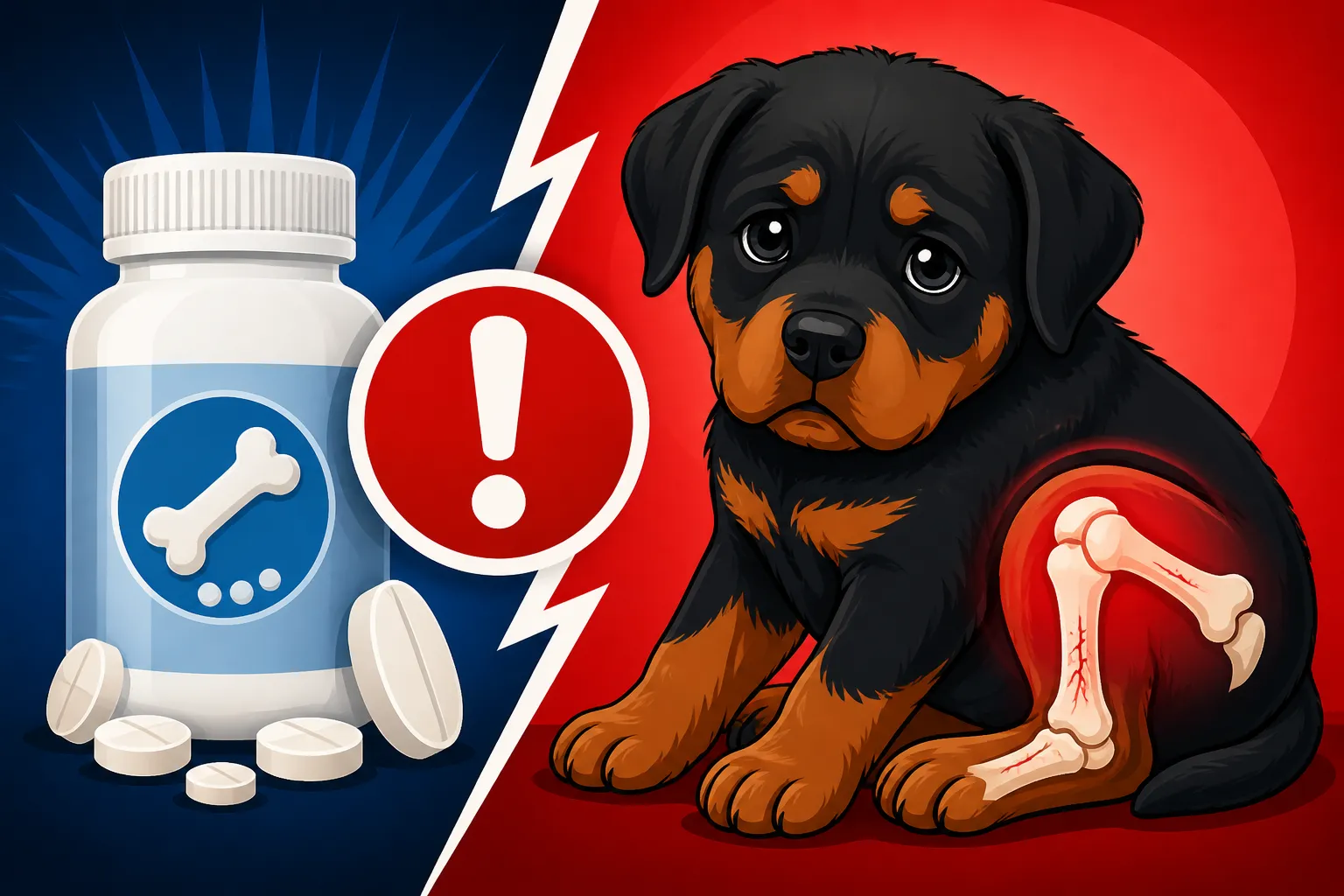
Why Calcium Supplements Damage a Rottweiler Puppy
Bringing home a Rottweiler puppy is an exciting time, full of joy and the promise of a loyal companion. But amidst all the puppy cuddles and training sessions, it's easy to fall into the trap of thinking that more nutrition, especially calcium, equals a stronger, healthier dog. Unfortunately, for rapidly growing large breeds like our beloved Rottweilers, this couldn't be further from the truth. In fact, calcium supplements can cause serious, irreversible damage, creating health issues you're desperately trying to prevent. This guide will walk you through exactly why these supplements are so dangerous for your Rottweiler puppy and what you should be doing instead.
The Delicate Balance of Rottweiler Puppy Growth
When you look at a Rottweiler puppy, it's hard to imagine how quickly they'll transform from a clumsy bundle of fluff into a powerful, substantial dog. This incredible growth spurt, while impressive, is also a period of immense vulnerability for their developing bones and joints. Unlike smaller breeds, Rottweilers don't just grow bigger; their bones undergo a complex and finely tuned process that can be easily disrupted.
Why Rapid Growth Makes Calcium Tricky
Rottweiler puppies are genetically programmed for rapid, heavy bone growth. Their growth plates, the soft areas at the ends of long bones responsible for lengthening, remain open for a much longer period than in smaller dogs. We're talking up to 18 to 24 months for some of those plates to fully fuse. This extended period means their skeletal system is constantly in flux, making it highly susceptible to nutritional imbalances. Think of it like a carefully orchestrated construction project; if you suddenly start dumping extra cement into the foundation before the framework is ready, you're not making it stronger, you're causing structural problems.
When a Rottweiler puppy grows too quickly, or when their calcium intake is excessive, the natural process of bone formation gets thrown off. The cells that lay down new bone and cartilage just can't keep up with the abnormal signals triggered by too much calcium. This often leads to a condition where cartilage doesn't mature correctly, or bones become too dense too fast, without the proper internal structure. This isn't just a minor hiccup; it can have lifelong consequences. You can learn more about this delicate process in Rottweiler Growth Plates and Why They Close So Late.
The Dangers of "More is Better" Mentality
It's a common misconception, especially among well-meaning owners, that giving extra calcium will ensure strong bones. After all, calcium is essential for bone health, right? Absolutely, but the problem lies in the amount and the timing. Puppy foods designed for large breeds already contain the optimal balance of calcium and phosphorus needed for controlled growth. Introducing additional calcium through supplements acts like an overdose, overriding the body's natural regulatory mechanisms.
Imagine feeding your puppy a high-quality, veterinarian-recommended large-breed puppy food from a reputable brand you can find on Chewy. This food is scientifically formulated to provide precisely the right amount of calcium. Then, you decide to add a calcium tablet, or maybe a calcium-rich dairy product every day, thinking you're boosting their health. What you're actually doing is pushing their calcium intake well beyond the safe limits, forcing their bones to try and develop at an unnatural rate or in an abnormal way. This "more is better" mindset, while understandable in its intention, is a direct pathway to serious skeletal deformities and pain for your growing Rottweiler.
Understanding Developmental Orthopedic Diseases (DODs)
The consequences of calcium over-supplementation in Rottweiler puppies aren't just theoretical; they manifest as a range of painful and debilitating conditions collectively known as Developmental Orthopedic Diseases, or DODs. These aren't minor issues that resolve with time; they can require extensive veterinary care, surgery, and lifelong management.
Osteochondrosis and Its Impact
One of the most common DODs exacerbated by excess calcium is osteochondrosis (OCD). This condition occurs when the cartilage on the ends of a bone (which eventually turns into bone) doesn't mature properly. Instead of smoothly transitioning to bone, the cartilage thickens and can even form flaps that detach, floating freely within the joint capsule. Think of it like a pothole forming in the smooth surface of a road – it creates friction, pain, and damage.
In Rottweilers, OCD most frequently affects the shoulders, elbows, and knees, leading to lameness, stiffness, and chronic pain, even in very young puppies. A puppy might show signs of discomfort after exercise, a reluctance to play, or a noticeable limp. The problem is, once the damage to the cartilage has occurred, it's often permanent. While surgery can sometimes remove the cartilage flaps and smooth the joint surface, it's a major procedure, and arthritis is almost guaranteed to develop in the affected joint later in life. This is why understanding Osteochondrosis From Overfeeding a Rottweiler is so critical.
Hypertrophic Osteodystrophy The Painful Reality
Another devastating DOD that can be triggered by excessive calcium and rapid growth is Hypertrophic Osteodystrophy (HOD). This is an inflammatory disease of the growth plates, primarily affecting the long bones in the legs. Puppies suffering from HOD experience extreme pain, often to the point of being unable to stand or walk. Their legs can appear swollen and hot to the touch, and they may run a fever and lose their appetite.
The pain of HOD is intense and can be utterly heartbreaking to witness. Imagine your active, playful puppy suddenly crying out when touched, limping severely, or refusing to bear weight. This isn't a minor growing pain; it's a serious medical emergency. While HOD can sometimes resolve with supportive care and pain management, severe cases can lead to permanent deformities, compromised mobility, and in rare, extreme circumstances, even be fatal due to complications. This devastating condition highlights just how delicate the growth process is for these big dogs, and you can learn more about it in Hypertrophic Osteodystrophy in a Rottweiler Puppy.
Worsening Hip and Elbow Dysplasia
While hip and elbow dysplasia have a strong genetic component, environmental factors, including diet, play a significant role in their expression and severity. Over-supplementing with calcium and encouraging too-rapid growth can absolutely worsen the development of these conditions in a genetically predisposed Rottweiler.
Hip dysplasia, where the hip joint doesn't form correctly, and elbow dysplasia, a collection of abnormalities in the elbow joint, are notorious problems in Rottweilers. When the bones grow too fast or irregularly due to dietary imbalances, the chances of the joints forming properly are drastically reduced. This means a puppy that might have developed mild dysplasia could end up with severe, painful joint issues that require expensive surgeries like total hip replacement later on. It's a cruel twist of fate for an owner trying their best, but understanding Rottweiler Hip Dysplasia and the OFA Grade and Rottweiler Elbow Dysplasia and Front Leg Lameness shows us just how critical proper puppy nutrition is for their long-term soundness.
What a Rottweiler Puppy Actually Needs
So, if calcium supplements are off the table, what does your Rottweiler puppy need to grow into a strong, healthy adult? The answer is simpler than you might think: a carefully selected large-breed puppy food, controlled growth, and a lean body condition. Forget the temptation to add "extra" anything; focus on providing precisely what they need, not more.
The Right Calcium Percentage in Puppy Food
This is where your detective work comes in, but it's crucial. For large breed puppies, the calcium content in their food should be carefully controlled. Look for dry kibble specifically formulated for "large breed puppies" or "giant breed puppies." These formulas are designed with a slightly lower calcium-to-phosphorus ratio and a reduced calorie count to promote slower, healthier growth.
Specifically, you want a calcium percentage between 1.0% and 1.5% on a dry matter basis. The calcium-to-phosphorus ratio should ideally be between 1.1:1 and 1.4:1. Anything outside these ranges, especially on the higher end for calcium, can contribute to the DODs we've discussed. Don't be shy about asking your veterinarian or even contacting the food manufacturer if you can't easily find this information on the label. This attention to detail on the label is discussed more in Calcium Percentages to Look For on a Rottweiler Bag.
Here's a quick guide to what to look for:
| Nutrient | Recommended Range (Dry Matter Basis) | Why it Matters for Rottweilers |
|---|---|---|
| Calcium | 1.0% – 1.5% | Too much or too little can lead to skeletal issues. |
| Phosphorus | 0.8% – 1.2% | Works with calcium; balance is key. |
| Calcium:Phosphorus Ratio | 1.1:1 – 1.4:1 | Essential for proper bone mineralization and development. |
| Protein | 22% – 26% | Supports muscle development without encouraging too-rapid bone growth. |
| Fat | 12% – 16% | Provides energy; crucial to avoid excessive calories leading to fast growth and obesity. |
Maintaining a Lean Body Condition
This cannot be stressed enough: a chubby Rottweiler puppy is not a healthy Rottweiler puppy. While a little puppy fat might look cute, carrying extra weight during their critical growth phases puts immense, unnecessary stress on their developing joints. This added load contributes directly to the severity of conditions like hip and elbow dysplasia, even if their diet is otherwise perfectly balanced.
Your goal is to keep your puppy lean, almost a bit lanky, until their growth plates have closed and they've matured. You should be able to easily feel their ribs when you run your hand along their side, but not see them protruding. There should be a noticeable tuck in their waist when viewed from above and from the side. If your puppy starts to look round or you can't easily feel those ribs, it's time to adjust their food intake. Talk to your vet about what a healthy weight range looks like for your specific puppy at each stage of growth. This proactive approach is detailed further in Keeping a Rottweiler Puppy Lean on Purpose.
Quality Food Sources and Avoiding Harmful Supplements
The best "supplement" for your Rottweiler puppy is a high-quality, complete, and balanced large-breed puppy food. Period. There are many excellent brands available that meet the stringent nutritional requirements for growing Rottweilers. You might find great options from brands available on Amazon or specialty pet stores. Brands like Purina Pro Plan, Royal Canin, or Eukanuba often have specific large breed puppy formulas that are vet-recommended.
When it comes to feeding, always measure your puppy's food, rather than free-feeding. Follow the guidelines on the food bag, but remember these are just starting points. Adjust the amount based on your puppy's activity level and body condition. If you're unsure about which food to choose, consult with your veterinarian. They can help you select a formula that's appropriate for your puppy's age, weight, and individual needs.
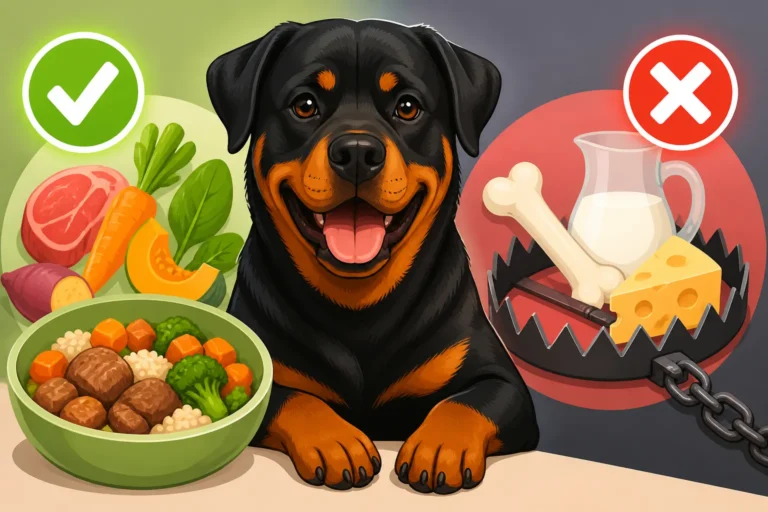
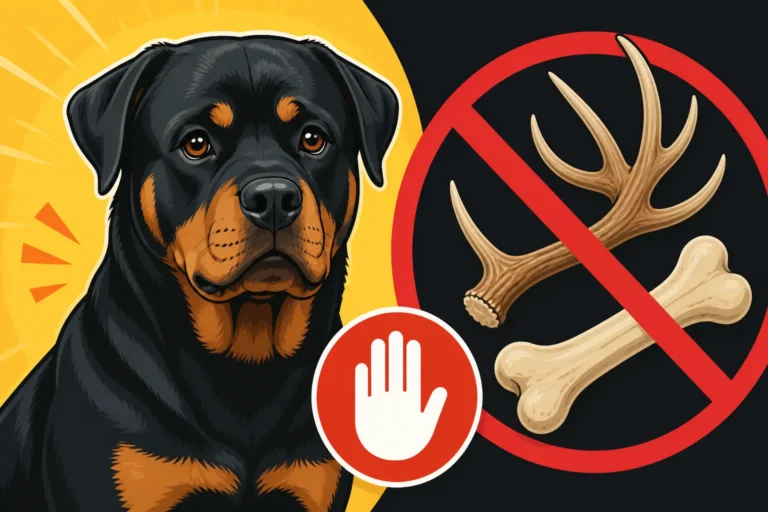
Avoid adding any supplemental calcium, vitamins, or minerals unless specifically directed by your veterinarian due to a diagnosed medical condition. This includes dairy products, bone meal, or human calcium supplements. If you're interested in fresh food options like those offered by Ollie, discuss them thoroughly with your vet to ensure they meet the specific calcium and phosphorus requirements for large-breed puppies and are truly complete and balanced. The risks far outweigh any perceived benefits of "boosting" their nutrition.
Recognising the Signs of Over-Supplementation and Taking Action
Even with the best intentions, it's possible for things to go awry. Knowing what to look for and how to react quickly can make a significant difference in your Rottweiler puppy's long-term health and comfort. Early intervention is key if you suspect a problem.
Subtle Clues and Veterinary Consultation
Rottweiler puppies are generally stoic, and they might try to hide discomfort, especially if they're still playing and engaging. However, certain subtle signs can indicate that something isn't right with their bone development, potentially linked to nutritional imbalances. Keep a keen eye out for:
- Intermittent lameness or limping: They might be fine one day, then limp after a short play session the next, only for it to disappear. This "shifting lameness" is a classic sign of developmental issues like panosteitis, but can also accompany OCD or HOD.
- Stiffness or reluctance to move: Difficulty getting up after resting, or not wanting to run and jump as much as their littermates.
- Swelling or tenderness in joints: Particularly around the elbows, wrists, or hocks. The joint might feel warm to the touch.
- Changes in gait: A bunny hop instead of a normal run, a hesitant trot, or favoring one leg.
- Pain response: Crying out when a leg is touched, or becoming withdrawn when approached.
- Unexplained fever or lethargy: These can be signs of HOD.
If you observe any of these symptoms, don't delay. Schedule an immediate appointment with your veterinarian. Be completely transparent about your puppy's diet, including any treats or supplements you've been giving. Your vet will perform a thorough physical examination and likely recommend X-rays to assess the condition of their growth plates and joints. Catching these issues early, as discussed in The First Limp That Turns Out to Be Bone Cancer (though this is about cancer, the principle of identifying an early limp is relevant), is paramount for effective management and improving your puppy's prognosis.
Long-Term Consequences and Prevention
The long-term consequences of calcium over-supplementation in a Rottweiler puppy can be severe. Even if the immediate symptoms are managed, these dogs are at a much higher risk for developing debilitating arthritis, chronic pain, and permanent lameness as they age. They may require lifelong medication, joint supplements, and potentially multiple surgeries to maintain a reasonable quality of life. This can translate into significant financial and emotional strain for you as an owner.
Prevention truly is the best medicine here. Stick to a high-quality, large-breed specific puppy food from a trusted manufacturer. Avoid the temptation to "boost" their growth or bone strength with extra calcium. Monitor their body condition diligently, ensuring they remain lean. Control their exercise, avoiding excessive jumping, forced running, or long walks until their growth plates have closed. Learn more about appropriate exercise levels in The Five Minute Rule for Rottweiler Puppy Walks and A Growing Rottweiler's Joints and Overexercise. Regular veterinary check-ups are also crucial to monitor their growth and overall health. By being proactive and disciplined with your Rottweiler puppy's nutrition and care, you're laying the foundation for a healthy, happy, and active life, free from the pain of preventable developmental diseases.
Disclaimer
This article is for general informational purposes only and does not constitute professional advice. Laws, prices and regulations vary by location and change over time. Consult a qualified professional for guidance on your specific situation.