Making End-of-Life Decisions for a Rottweiler
Facing the inevitable reality that your beloved Rottweiler's time is drawing near is one of the most heart-wrenching experiences a dog owner can endure. The burden of making end-of-life decisions can feel overwhelming, filled with guilt, confusion, and profound sadness. This guide aims to provide compassionate, realistic support and practical information to help you navigate this incredibly difficult journey with your cherished companion.
Recognizing the Signs It Might Be Time
Knowing when it's truly time to say goodbye to your Rottweiler is one of the hardest parts of pet ownership. There’s no single, universally clear sign, and often, it’s a mosaic of subtle changes that accumulate over time. You might feel like you're constantly second-guessing yourself, wondering if you're doing enough, or if you're just being selfish. These feelings are completely normal and part of the deep bond you share.
Subtle Changes in Behavior
Your Rottweiler communicates primarily through behavior, and often, the first indicators that they're struggling come through shifts in their routine or personality. They might not complain directly, but you'll notice their enthusiasm wane. For instance, a Rottweiler who used to bolt for the door at the sound of a leash might now hesitate, or even ignore the invitation for a walk. This isn't just a sign of slowing down; it can be an indication that movement is painful or simply too exhausting.
Think about their daily joys. Does your Rottweiler still greet you with a happy rumble or lean into you for affection? Do they still show interest in their favorite toys or chew bones? A significant decrease in these once-cherished activities is a strong indicator of a decline in their quality of life. They might begin to isolate themselves, choosing quiet corners over being near the family, or stop seeking out interactions they once loved. Observing these subtle shifts without projecting your own hopes onto them is crucial.
Managing Chronic Pain and Discomfort
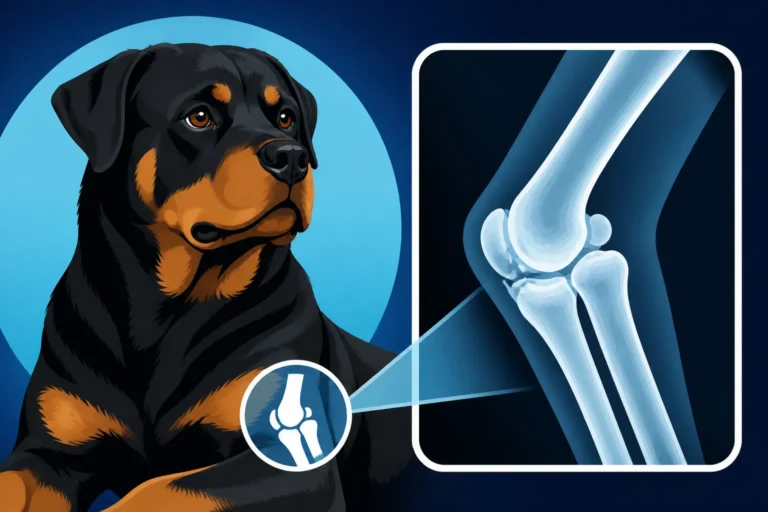
Rottweilers are stoic by nature, often hiding pain until it becomes severe. This makes recognizing and managing chronic discomfort a primary concern as they age. Conditions like severe arthritis, especially common in larger breeds, can make even simple acts like standing up or lying down a struggle. You might notice them favoring a limb, a reluctance to use stairs, or a general stiffness, particularly in the mornings or after resting. These are all signs of their body failing them. When you see a once powerful and agile dog like a Rottweiler struggling with even the simplest movements, it's a stark reminder of their vulnerability.
Effective pain control is paramount, but there comes a point when medication can no longer fully alleviate their suffering. When your Rottweiler is on maximum doses of pain relievers, anti-inflammatories, and possibly even alternative therapies, yet still visibly uncomfortable, panting excessively, or having trouble finding a comfortable position, their daily existence is becoming defined by pain. This is a critical juncture where we must objectively assess if we are truly helping them or merely prolonging their suffering. Exploring options for Pain Control for a Rottweiler With Bone Cancer might be relevant here, as many principles apply to chronic pain from other sources too.
When Treatments No Longer Help
It's a tough pill to swallow when the treatments you’ve been relying on for months or even years start to lose their effectiveness. You pour your heart, time, and finances into veterinary visits, special diets, and medications, only to see your Rottweiler continue to decline. This could manifest in recurring infections, a persistent lack of appetite despite appetite stimulants, or a continuous loss of weight and muscle mass. You might reach a point where your vet suggests more aggressive diagnostics or procedures, but the prognosis remains poor, or the recovery would impose too great a burden on your dog.
Sometimes, the treatment itself becomes a source of stress, causing more distress than relief. Frequent trips to the vet, invasive procedures, or medications with severe side effects can diminish their remaining good days. It's important to have an honest conversation with your veterinarian about the realistic outcomes and the impact on your Rottweiler's overall well-being. They can help you understand when you’ve reached the limit of what medical science can offer to improve, rather than just maintain, their current state. This often ties into the broader discussion of Palliative Care for a Rottweiler With Cancer, which aims to comfort rather than cure.
Evaluating Quality of Life for Your Rottweiler
Determining a pet’s quality of life isn't a straightforward process, but it's a critical step in making end-of-life decisions. It requires stepping back from our emotional attachment and trying to see the world through our Rottweiler’s eyes, focusing on their comfort, happiness, and dignity.
The HHHHHMM Scale for Assessment
Many veterinarians and pet owners find the "HHHHHMM" scale, or similar quality of life assessments, incredibly helpful. This mnemonic helps you evaluate several key areas: Hurt, Hunger, Hydration, Hygiene, Happiness, Mobility, and More Good Days than Bad. It provides a structured way to assess your Rottweiler's current state and can help you track their decline over time. For instance, if your Rottweiler is struggling with Senior Rottweiler Mobility Decline, their score for 'Mobility' would be low, impacting their overall well-being.
Let's break down what each letter might look like for a Rottweiler:
| Category | What to Observe for Your Rottweiler | Score (1-10, 10 being excellent) |
|---|---|---|
| Hurt | Is there uncontrolled pain or discomfort despite medication? Are they panting, restless, or reluctant to move? | |
| Hunger | Do they still have an appetite? Are they eating enough on their own? | |
| Hydration | Are they drinking enough water, or are they dehydrated? (Check gum stickiness) | |
| Hygiene | Can they relieve themselves without accidents? Are they able to stay clean? Do they have bedsores or urine scald? | |
| Happiness | Do they show joy? Do they engage with family? Do they react to favorite toys or activities? | |
| Mobility | Can they stand, walk, and move around without significant pain or assistance? Do they struggle getting up? | |
| More Good Days than Bad | Overall, are the majority of their days filled with positive experiences, or are bad days outweighing the good? |
By consistently assessing these factors, perhaps even journaling your observations, you create an objective record of their decline. It helps to have these concrete observations when discussing their condition with your vet and family. This structured approach helps ensure you're addressing the full spectrum of their well-being, not just one aspect.
Balancing Good Days and Bad Days
The concept of "more good days than bad" is often the most subjective, yet most crucial, part of quality of life assessment. In the final stages of life, even healthy senior Rottweilers can have intermittent good days mixed with increasingly difficult ones. The challenge is not to cling to those occasional good moments as proof that it's "not time yet," but to look at the overall trend. Are the good days becoming fewer, farther between, and less robust? Is your Rottweiler experiencing true joy, or just momentary relief from discomfort?
It's natural to want one more good day, one more walk, one more treat. But we must consider if we are asking our Rottweiler to endure more bad days in anticipation of those few good ones. Keeping a calendar or a journal where you mark "good" or "bad" days can be incredibly insightful. A "good" day might mean they ate a full meal, enjoyed a short, pain-free walk, or engaged happily with family. A "bad" day might involve vomiting, incontinence, severe pain, or profound lethargy. When the bad days consistently outnumber the good, or the good days are merely "less bad," it’s a strong signal that their overall quality of life has significantly deteriorated. This assessment is often a key part of Scoring Quality of Life for a Rottweiler.
Consulting with Your Veterinary Team
Your veterinarian is your most valuable ally in this process. They have the medical knowledge and objective perspective to help you understand your Rottweiler's condition, prognosis, and treatment options. Don't hesitate to schedule an appointment specifically to discuss quality of life and end-of-life care, rather than waiting for a routine check-up. Be honest about your observations, no matter how small they seem. They can help you interpret the subtle signs and guide you through the difficult decisions. They’ve seen countless pets go through this, and their experience can offer immense comfort and clarity.
Sometimes, a second opinion from another trusted vet, or even a specialist like a veterinary oncologist if your Rottweiler is battling cancer, can provide additional insight and peace of mind. Discuss palliative care options, which focus on comfort and pain management rather than cure. This might include alternative pain medications, acupuncture, physical therapy, or even dietary adjustments. These discussions often highlight the comprehensive Vet Visit Frequency for a Senior Rottweiler that becomes necessary to manage their declining health effectively. Remember, your vet isn't there to tell you what to do, but to provide all the information and support you need to make the best decision for your beloved Rottweiler.
Navigating Difficult Conversations and Options
Making the final decision is a solitary burden, but you don't have to carry it alone. There are resources and people who can help you navigate this emotionally charged period.
Discussing with Family and Loved Ones
Bringing family members into the conversation is crucial, especially if others are deeply attached to your Rottweiler. Children, in particular, need careful explanation and support during this time. They might not understand the concept of a pet's mortality or why "fixing" them isn't an option. Having an open, honest discussion about your Rottweiler's declining health, the signs you've observed, and the difficult choices ahead can help everyone prepare and feel heard.
It's common for family members to be in different stages of acceptance or grief. One person might be ready to say goodbye, while another is still holding onto hope. These differing viewpoints can create tension and make an already painful situation even harder. Try to approach these conversations with empathy, sharing the "HHHHHMM" assessment or your journal entries to provide a factual basis for your feelings. Ultimately, the decision should be made with your Rottweiler’s best interest at heart, ensuring everyone understands and supports the path chosen, even if it’s painful.
Understanding Financial Considerations
End-of-life care can involve significant financial considerations, whether it's for ongoing palliative treatment, diagnostics, or the euthanasia itself. It's a harsh reality that money often plays a role in these deeply personal decisions, adding another layer of stress during an already emotional time. Many owners find themselves reviewing their pet insurance policy, perhaps from providers like Healthy Paws, to understand what end-of-life care might be covered. Some policies offer coverage for hospice care or even the euthanasia procedure itself, so it’s worth checking your specific plan details.
Even with a good plan, like one you might have through Healthy Paws, some of these advanced palliative treatments can add up. Be upfront with your vet about your financial capabilities, as they may be able to offer various options or help you prioritize care. Exploring financing options, payment plans, or local charitable organizations that assist with vet bills can also alleviate some of the burden. It’s important to know that choosing euthanasia due to financial constraints is a valid and often compassionate decision, as prolonging suffering for monetary reasons is unfair to your pet. Thinking ahead about Budgeting for Rottweiler Cancer Treatment or other serious ailments can help alleviate stress later on.
Exploring Palliative and Hospice Care
Before considering euthanasia, many families explore palliative and hospice care options. These approaches focus entirely on maximizing comfort and minimizing pain for your Rottweiler during their final weeks or months. It’s about enhancing their quality of life, not curing their disease. This might involve managing chronic pain with a combination of medications, providing nutritional support, assisting with mobility, and ensuring a calm, supportive environment. For a large dog like a Rottweiler, this can mean using slings or ramps for assistance, specialized bedding, and careful hygiene practices.
Hospice care often involves a team approach, including your regular veterinarian, veterinary technicians, and sometimes even a certified hospice veterinarian. They can guide you on administering medications, managing symptoms at home, and recognizing subtle changes. This option allows you to cherish every remaining moment with your Rottweiler, providing them with dignity and comfort in their familiar surroundings. It’s a profound act of love that shifts the focus from fighting illness to embracing their remaining time with peace and support. Many resources are available for Senior Rottweiler Care After the Age of Seven, which includes many palliative approaches.
The Process of Euthanasia and What to Expect
Even when you know it's the right decision, the thought of euthanasia can be terrifying. Knowing what to expect can help ease some of the anxiety and ensure a peaceful experience for both you and your Rottweiler.
Choosing the Right Setting Home versus Clinic
Deciding where to say goodbye is a deeply personal choice, and both clinic and home euthanasia offer different benefits. Clinic euthanasia provides a sterile, medically equipped environment, often with staff readily available to assist. For some, the clinic setting feels more appropriate, separating the act of euthanasia from the home environment where happy memories reside. However, for a large dog like a Rottweiler, the stress of a car ride, waiting in a lobby, and the unfamiliar clinic smells can add unnecessary anxiety to their final moments.
Home euthanasia, often offered by mobile veterinary services, allows your Rottweiler to remain in their most comfortable, familiar surroundings, perhaps on their favorite bed or in a sunny spot in the yard. It minimizes stress and allows for a more private, intimate farewell. This is especially beneficial for Rottweilers who might be anxious at the vet or have difficulty with mobility. Many owners choose this option, feeling it offers the most peaceful transition for their beloved pet. Thinking about Home Euthanasia for a Dog a Rottweiler's Size specifically highlights the practical considerations for such a large companion.
The Gentle Procedure Itself
Regardless of the setting, the euthanasia process itself is designed to be peaceful and painless. Typically, your veterinarian will first administer a sedative, often through an intravenous catheter, to help your Rottweiler relax and fall into a deep sleep. This initial injection helps calm any anxiety and ensures they are completely comfortable before the final step. During this time, you can hold them, stroke their fur, and speak softly to them, offering comfort and reassurance. This period allows you to have a quiet moment of goodbye while they drift peacefully.
Once your Rottweiler is deeply sedated and unconscious, the veterinarian will administer a concentrated dose of an anesthetic drug, usually a barbiturate. This medication quickly and painlessly stops the heart and brain activity. The process is very rapid, often just a matter of seconds. Your vet will confirm that their heart has stopped. It's important to be aware that your Rottweiler might take a few deep breaths or have muscle twitches, which are natural reflexes, not signs of pain or awareness. Your vet will explain this beforehand, so you are prepared. The entire focus is on a humane and respectful transition.
Aftercare Burial, Cremation, and Keepsakes
After your Rottweiler has passed, you'll need to make decisions about their aftercare. The primary options are burial or cremation. If you choose burial, consider local regulations regarding pet burials, especially if you live in a suburban or urban area. Some families choose to bury their Rottweiler in a special spot in their yard, if permitted, allowing for a personal memorial. If you opt for cremation, you’ll typically have the choice between individual cremation, where your pet is cremated alone and their ashes returned to you, or communal cremation, where they are cremated with other pets and the ashes are scattered by the crematory.
Many owners find solace in keepsakes. This could be a paw print impression, a lock of fur, or even their collar and leash. Some companies offer custom urns, memorial jewelry, or engraved stones. These tangible reminders can be incredibly comforting during the grieving process, helping to keep your Rottweiler’s memory alive. Discuss these options with your vet or the mobile euthanasia service, as they often have relationships with reputable aftercare providers and can help you arrange these details. This planning is a vital part of Rottweiler End-of-Life Planning at Nine, or any age.
Coping with Grief and Remembering Your Companion
The grief over losing a Rottweiler is profound and real. It’s not "just a pet"; it's a family member, a loyal companion, and a source of unconditional love. Allowing yourself to feel that pain and finding healthy ways to cope are essential for healing.
Allowing Yourself to Grieve
It's common for society to sometimes minimize the loss of a pet, but your feelings of sorrow, emptiness, and even anger are valid. You’ve lost a significant part of your daily life and a unique bond. Don't feel pressured to "get over it" quickly or to hide your tears. Grief is a process, and it looks different for everyone. You might experience physical symptoms like fatigue or loss of appetite, or emotional swings from profound sadness to irritability. All of these are normal responses to such a significant loss.
Give yourself permission to mourn. Take time off work if you need to, or allow yourself moments to simply sit with your feelings. Look through old photos, remember funny quirks, and allow the memories to surface. Suppressing your emotions only prolongs the healing process. Your Rottweiler wouldn't want you to suffer, but they would understand your love and the depth of your loss.
Support Systems and Resources
You don't have to navigate this grief alone. Reach out to friends and family who understand your bond with your Rottweiler. Many people have experienced pet loss and can offer empathy and support. If you find your immediate circle doesn't quite "get it," there are numerous resources available. Pet bereavement hotlines, online support groups, and forums can connect you with others who are going through similar experiences. Organizations like the ASPCA and the Association for Pet Loss and Bereavement offer valuable resources and counseling services.
Consider talking to a grief counselor, especially one who specializes in pet loss, if your grief feels overwhelming or prolonged. They can provide strategies for coping, help you process your emotions, and guide you through the complexities of bereavement. Even just having someone listen without judgment can be incredibly therapeutic during this difficult time. It's okay to seek professional help; it's a sign of strength, not weakness, especially when you consider What a Rottweiler Costs Across Its Whole Short Life and the huge impact they have on our lives.
Honoring Your Rottweiler's Memory
Finding ways to honor your Rottweiler’s memory can be a powerful part of the healing process. This could involve creating a physical memorial, like planting a tree in their honor, setting up a small garden stone, or placing their ashes in a special spot. Some people choose to donate to a local animal shelter or a Rottweiler rescue in their pet's name. This transforms your grief into a positive action, helping other dogs in need.
Sharing stories and memories with loved ones also keeps their spirit alive. Create a photo album or a digital slideshow. Light a candle on their "gotcha day" or birthday. While the pain of their absence will linger, focusing on the joy and love they brought into your life can help shift your perspective from loss to gratitude. Your Rottweiler may be gone physically, but the paw prints they left on your heart will last forever.
Disclaimer
This article is intended for informational purposes only and is not a substitute for professional veterinary advice. Always consult with a qualified veterinarian for any health concerns or before making any decisions about your pet's care.