Rottweiler Ear Infections Under That Drop Ear
If you're a Rottweiler owner, you've probably noticed that their adorable, floppy ears are, well, a bit of a magnet for trouble. It's a frustrating cycle for many of us: you think you've finally cleared up that nagging ear infection, only for it to flare right back up a few weeks later. This guide is going to dig deep into why Rottweilers are so prone to these issues, how to spot the early signs, and what you can do to keep those ears healthy and happy.
Why Your Rottweiler's Drop Ears Create a Problematic Environment
It's easy to look at those beautiful, dark, floppy ears and just see another charming trait of our beloved Rottweilers. But from a biological standpoint, those drop ears, also known as pendulous ears, are essentially creating a mini-incubator for all sorts of unwelcome guests. Unlike breeds with upright, "prick" ears that allow for ample air circulation, your Rottweiler's ear flaps seal off the ear canal, trapping everything inside.
The Anatomy of a Covered Ear Canal
Imagine trying to keep a dark, warm, humid cave clean and dry. That's essentially what your Rottweiler's ear canal becomes. The ear flap, a thick piece of cartilage and skin, covers the entrance to the ear canal like a lid on a pot. This design, while aesthetically pleasing to the breed standard, significantly restricts airflow into and out of the ear. The external ear canal itself is quite long and L-shaped, making it even harder for debris or moisture to exit naturally. This deep, winding pathway means that anything that gets in there, whether it's water from a bath, pollen, or just everyday dirt, tends to stay put.
This creates a very different environment compared to, say, a German Shepherd with their upright ears. Those ears are constantly exposed to air, which helps dry out any moisture and prevents the build-up of humidity. For our Rotties, it's a constant battle against the odds, right from their very anatomy.
Trapping Moisture and Heat
The lack of ventilation leads directly to an increase in both humidity and temperature within the ear canal. This warm, moist environment is absolutely ideal for the overgrowth of yeast and bacteria. Think of a swamp: it's a perfect breeding ground for all sorts of microscopic life. The same principle applies to your Rottweiler's ear.
After a swim, a bath, or even just a particularly humid day, that moisture gets trapped. It doesn't evaporate easily. This dampness, combined with the body heat, creates a fungal and bacterial wonderland. Malassezia pachydermatis, a common yeast, absolutely thrives in these conditions, often leading to a smelly, itchy infection. Bacterial infections, frequently caused by staphylococci or pseudomonas, can also take hold, often presenting with a different kind of discharge and sometimes even more severe pain. It's a constant battle against nature, and it’s why something as simple as a splash in a puddle can set off a whole chain reaction in a susceptible Rottweiler.
Impact on Ear Wax and Debris Buildup
In a healthy ear, ear wax (cerumen) and shed skin cells naturally migrate out of the ear canal. This self-cleaning mechanism is essential for maintaining ear hygiene. However, in a Rottweiler's drop ear, this natural expulsion process is severely hampered. The restricted airflow and the L-shaped canal mean that wax and debris tend to accumulate.
This buildup isn't just unsightly; it's another layer of fuel for infections. Ear wax, while protective in small amounts, is a nutrient source for bacteria and yeast. When it gets trapped and mixes with moisture, it creates a thick, often dark, gunk that blocks the ear canal even further, making it harder for medicated ear drops to penetrate and do their job. This vicious cycle of buildup, infection, and inflammation can make your Rottweiler miserable and lead to chronic ear issues if not managed diligently. It's also why regular cleaning, as detailed in many guides on Rottweiler Ear Care Under a Drop Ear, becomes such a critical part of their routine.
Recognizing the Signs of a Rottweiler Ear Infection
Catching an ear infection early can save your Rottweiler a lot of discomfort and you a good deal of money and worry. Our stoic Rotties might not always make it obvious they're in pain, so you need to be observant and know what to look for.
Subtle Early Indicators
Sometimes, the first signs are incredibly subtle, and you might almost miss them. Your Rottweiler might start:
- Head shaking: A slight, intermittent shake of the head, as if trying to dislodge something. It might not be violent, just a gentle wobble.
- Ear scratching: You might notice them using a hind paw to scratch at the affected ear. This can be quick and subtle at first, becoming more persistent as the infection progresses.
- Rubbing ears on furniture or carpet: A classic sign of itchiness. They might drag their head along the floor or rub against the couch cushions, seeking relief.
- Increased ear discharge or redness (mild): A quick peek inside the ear might reveal a little more wax than usual, or a slight pinkness to the skin. This is the time to act!
- Changes in behavior: Perhaps they're a little less playful, a bit more withdrawn, or seem a little "off." Pain, even mild, can affect their overall demeanor. If you're petting their head and they flinch or pull away when you touch near an ear, that's a huge red flag.
Don't dismiss these minor signs. What starts as a mild itch can quickly escalate into a full-blown, painful infection in a breed so prone to ear problems.
Advanced Symptoms Requiring Immediate Vet Attention
If you miss the subtle cues, or if the infection progresses rapidly, you'll start to see more pronounced and distressing symptoms. At this stage, your Rottweiler is likely in significant pain and needs immediate veterinary care.
- Foul odor: This is often one of the most noticeable signs. A distinct, often yeasty or sweet, smell emanating from the ear.
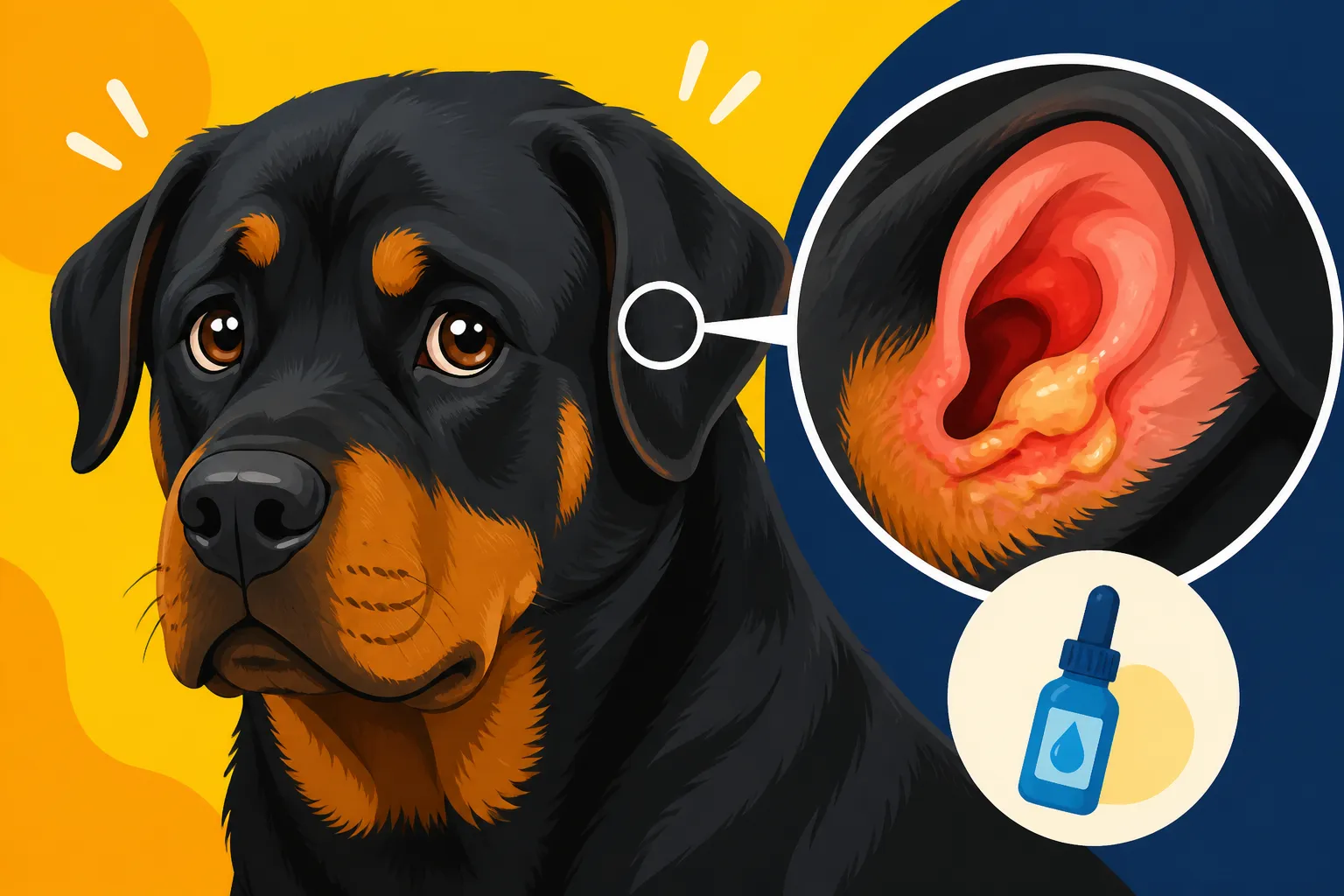
- Visible discharge: The discharge can vary widely. It might be yellowish, brownish, black, or even green. It could be waxy, pus-like, or watery. Any discharge that isn't normal, light-colored cerumen is a cause for concern.
- Swelling and redness: The ear flap and the opening of the ear canal might appear visibly swollen and bright red.
- Pain: Your Rottweiler might vocalize when you touch their ear, or become aggressive if you try to examine it. They might hold their head tilted to one side, or droop the affected ear lower.
- Repeated, vigorous head shaking: This is usually a sign of intense discomfort, often accompanied by whimpering or whining.
- Lethargy and loss of appetite: If your Rottie is in a lot of pain, they might not want to eat or play.
It's critical not to wait when you see these advanced signs. Untreated ear infections can lead to serious complications, including rupture of the eardrum, hearing loss, or even spread of infection to the inner ear and beyond.
Here's a quick reference table for recognizing symptoms:
| Symptom Category | Mild/Early Signs | Moderate Signs | Severe/Advanced Signs |
|---|---|---|---|
| Behavioral | Occasional head shake, mild scratching | Persistent scratching, rubbing ears | Frequent, vigorous head shaking, head tilt |
| Physical | Slight redness, mild increase in wax | Moderate redness/swelling, noticeable odor | Intense redness/swelling, visible discharge (pus/dark wax), pain on touch |
| General Well-being | Slight irritation, no change in activity | Restlessness, pawing at ear, reduced play | Lethargy, loss of appetite, aggression when ear is touched |
Practical Steps for Preventing and Managing Ear Infections
Dealing with Rottweiler ear infections effectively requires a multi-pronged approach that includes diligent home care, smart dietary choices, and timely veterinary intervention. It's not just about treating the infection once it's there, but actively working to prevent its recurrence.
Routine Cleaning and Maintenance
This is arguably the most crucial step in preventing ear infections in Rottweilers. Their drop ears simply don't have a self-cleaning advantage, so you have to step in.
- Frequency: For most Rottweilers, a weekly ear check and cleaning is a good baseline. If your dog swims frequently, has a history of infections, or has allergies, you might need to clean them more often, perhaps two or three times a week.
- Supplies: You'll need a vet-approved ear cleaning solution designed for dogs. Look for solutions that are gentle, non-irritating, and ideally contain drying agents to help counteract the moisture problem. Avoid cotton swabs, as these can push debris further into the ear canal and potentially damage the eardrum. Instead, use soft cotton balls or gauze pads.
- The Cleaning Process:
- Gather your supplies: Ear cleaner, cotton balls/gauze, and plenty of treats for positive reinforcement!
- Position your Rottweiler: Find a comfortable spot where your dog is relaxed. You might need a second person to help hold them steady, especially if they’re not used to ear cleaning.
- Apply cleaner: Gently lift the ear flap and squirt the ear cleaning solution directly into the ear canal until it's full. Don't be shy; you need enough to flush things out.
- Massage: Gently massage the base of the ear for about 30 seconds. You should hear a squishy sound as the cleaner breaks up wax and debris.
- Let them shake: Stand back and let your Rottweiler shake their head vigorously. This helps bring the dissolved gunk to the surface.
- Wipe clean: Use a cotton ball or gauze to gently wipe away any visible discharge, wax, or debris from the outer ear and the entrance to the ear canal. Only clean what you can see. Never insert anything deep into the ear.
- Reward: Always end with praise and treats to make it a positive experience.
- Post-swim/bath care: After any water exposure, make sure to dry the ears thoroughly. You can use a cotton ball or a soft cloth. Some owners even use a gentle, low-heat hairdryer (held far away!) to ensure the inside of the ear flap is dry.
Consistent ear cleaning is your best defense. It's a small investment of time that can prevent a lot of pain and expense down the road.
Dietary Considerations and Allergy Management
It might seem strange, but what your Rottweiler eats can have a profound impact on their ear health. Food allergies and environmental allergies (atopy) are incredibly common culprits behind chronic or recurrent ear infections. If your Rottweiler is constantly battling ear issues, and you're diligently cleaning, it's time to look deeper.
- Allergy Symptoms: Allergies in dogs often manifest as skin issues, and the ears are a common target. Besides ear infections, you might notice itching in other areas, like paws, armpits, or groin; redness; or a dull coat, which could also be a symptom of Thyroid Disease Behind a Rottweiler's Dull Coat.
- Common Allergens: The most common food allergens for dogs include proteins like chicken, beef, dairy, wheat, soy, and eggs. Environmental allergens can be anything from pollen and dust mites to specific grasses.
- Elimination Diet: If food allergies are suspected, your vet might recommend an elimination diet. This involves feeding your Rottweiler a novel protein (one they've never eaten before, like venison or duck) or a hydrolyzed protein diet for 8-12 weeks, strictly avoiding all other foods and treats. If the ear infections clear up, you'll then reintroduce ingredients one by one to identify the allergen. This process can be challenging, especially when you're used to Feeding an Adult Rottweiler at a Hundred Twenty Pounds and finding specific foods. Remember, it's also important to be mindful of What a Rottweiler Should Never Be Fed to avoid other health issues.
- Environmental Allergy Management: For environmental allergies, your vet might suggest allergy testing (blood test or intradermal skin test) to pinpoint specific triggers. Management can include antihistamines, anti-itch medications, immunotherapy (allergy shots or drops), and regular bathing with medicated shampoos to reduce skin allergens.
Addressing underlying allergies can break the cycle of chronic ear infections and vastly improve your Rottweiler's quality of life. For more on this, check out our guide on Rottweiler Allergies and Recurring Skin Infections.
When to See the Vet and What to Expect
While home care is essential, you must consult your veterinarian if you suspect an active ear infection or if your Rottweiler exhibits any signs of pain or discomfort. Self-treating can lead to resistant infections and worsen the problem.
- Initial Diagnosis: Your vet will perform a thorough examination, including an otoscopic exam using a special scope to look deep into the ear canal and assess the eardrum. They'll be looking for redness, swelling, discharge, foreign bodies, or any damage to the eardrum.
- Cytology: This is a crucial diagnostic step. Your vet will take a swab of the ear discharge and examine it under a microscope. This allows them to identify whether the infection is bacterial, yeast, or a combination, and often gives clues about the specific types of organisms present. This directly informs the choice of medication.
- Culture and Sensitivity: For persistent or severe infections, especially those not responding to initial treatment, your vet might recommend a culture and sensitivity test. This involves sending a sample of the discharge to a lab to grow the bacteria and determine which antibiotics will be most effective against them.
- Treatment Options:
- Topical Medications: Most ear infections are treated with ear drops or ointments containing antibiotics, antifungals, anti-inflammatories, or a combination of these. It's vital to administer these exactly as prescribed for the full duration, even if the ear looks better sooner.
- Oral Medications: For severe infections, particularly those with deep-seated bacteria or significant inflammation, oral antibiotics or anti-inflammatory drugs might be prescribed.
- Ear Flushes: In some cases, your vet might perform a professional ear flush under sedation to thoroughly clean the ear canal before starting medication.
- Surgery: In rare, chronic cases where the ear canal has become permanently scarred and narrowed (leading to end-stage ear disease), surgery such as a Total Ear Canal Ablation (TECA) might be necessary to alleviate pain and infection.
Remember that vet visits and medications can add up quickly. Having a good pet insurance plan, such as one from Healthy Paws, can be a real lifesaver when dealing with chronic or unexpected health issues like recurrent ear infections. Many policies, like those offered by Healthy Paws, help cover the costs of diagnostics, medications, and even potential surgeries, easing the financial burden on pet parents. Understanding options like Rottweiler Pet Insurance and the $204 Average is a smart move for any owner.
Disclaimer
This article is intended for informational purposes only and does not constitute veterinary advice. Always consult with a qualified veterinarian for any health concerns or before making any decisions about your Rottweiler's care.