Insurers That Still Quote a Rottweiler Cheaply
If you've ever started looking into pet insurance for your majestic Rottweiler, you know that sickening feeling when the first few quotes come back. It can feel like some companies look at "Rottweiler" and immediately tack on an extra zero, leaving you wondering if truly affordable coverage is even a possibility. This guide is all about cutting through that frustration, helping you understand why some policies seem so high, and revealing strategies to find those elusive insurers who still offer competitive, reasonable rates for your beloved big dog.
Understanding Why Rottweiler Insurance Can Be So Expensive
Let's be honest, there's a lot of misunderstanding out there about Rottweilers, and unfortunately, that can sometimes trickle down into things like insurance premiums. It’s not just about their size; it’s a combination of breed-specific health predispositions and sometimes, outdated perceptions.
Breed-Specific Perceptions and Realities
The world often sees Rottweilers as powerful, serious dogs, which they are, but often the narrative stops there, ignoring their loyal, goofy, and affectionate side with their families. Unfortunately, this perception, sometimes fueled by media or breed restrictions in housing, can lead insurers to flag them as a higher risk. They might mistakenly assume a higher likelihood of liability claims, even if your specific Rottweiler is a certified couch potato. This isn't fair, especially when well-trained and socialized Rottweilers are no more prone to issues than many other large breeds. However, insurance companies operate on actuarial data, and if historical data (even if flawed or generalized) suggests certain breeds have higher claim rates for any reason, that gets factored in.
Beyond perception, the sheer size and weight of a Rottweiler is a factual component in insurance costs. Larger dogs generally incur higher veterinary bills simply because they require more medication (higher dosages), more anesthesia, and sometimes more specialized equipment for diagnostics or surgery. An X-ray machine needs to accommodate a large dog, and a surgery table needs to support their weight. So, while your big Rottie might be a gentle giant, their physical presence does unfortunately translate to potentially higher costs when things go wrong medically.
Common Health Concerns Driving Up Premiums
Rottweilers, like many purebred dogs, are predisposed to certain health conditions that, while manageable, can be very expensive to treat. Insurers factor these known breed risks into their algorithms. For instance, joint issues are a big one. Rottweiler Hips and Elbows and the 24-Month Rule is a critical period for assessing these. Conditions like hip and elbow dysplasia are relatively common in large breeds, and the surgeries or long-term management required can easily run into the thousands of dollars. Early diagnosis and intervention for Rottweiler Hip Dysplasia and the OFA Grade can make a difference, but it's still a significant cost driver.
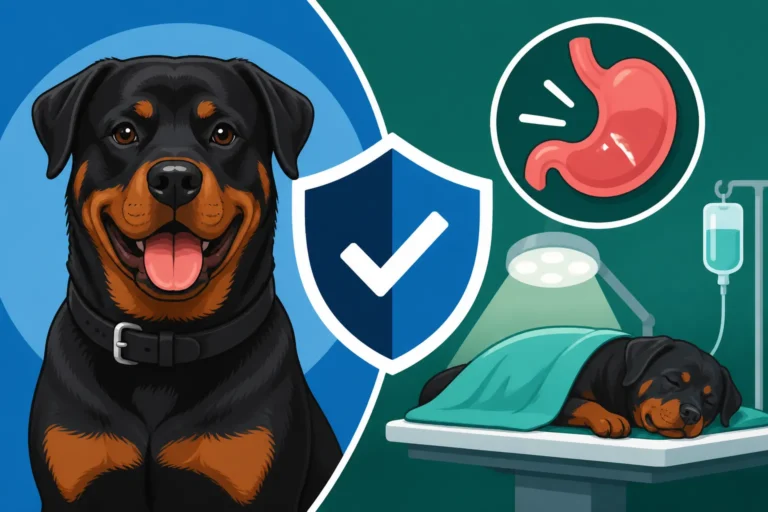
Then there's the dreaded bloat, or Gastric Dilatation-Volvulus (GDV). This is an absolute emergency for Rottweilers and other deep-chested breeds. The surgery to correct a twisted stomach is complex, intense, and incredibly time-sensitive, as discussed in Bloat in a Rottweiler and the Hours That Matter. The cost of this emergency surgery, often requiring overnight stays and critical care, is substantial and is a major concern for any Rottweiler owner. Insurers know this and factor it into their risk assessments.
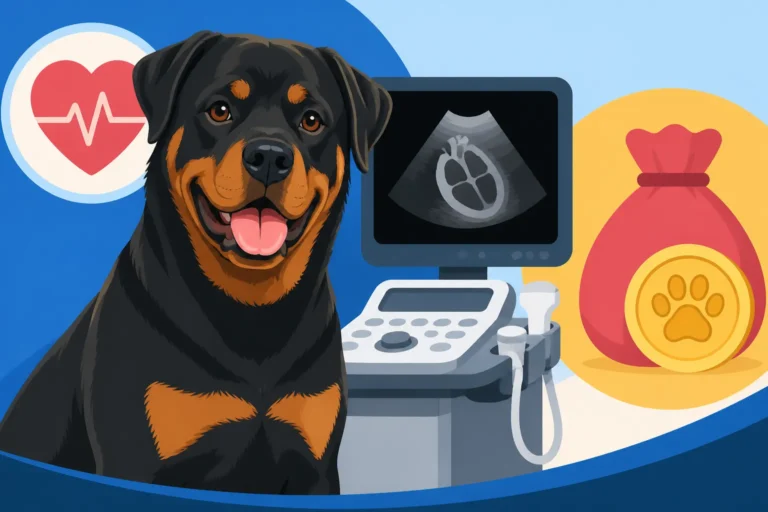
And we can't forget about cancer. Rottweilers, sadly, have a higher incidence of certain cancers, including osteosarcoma, a aggressive bone cancer detailed in Osteosarcoma, the Cancer That Takes Most Rottweilers. Treating cancer involves diagnostics, surgery, chemotherapy, and pain management, all of which are incredibly costly. While modern veterinary medicine has made huge strides, these treatments add up quickly. These significant health risks mean insurers are looking at a higher probability of paying out large claims during your Rottweiler's lifetime, which naturally influences the premiums they quote.
Key Factors That Influence Your Rottweiler's Insurance Quote
When you're shopping for pet insurance, it can feel like a labyrinth of options and variables. Understanding what levers you can pull, and what factors are simply beyond your control, is crucial to finding a policy that fits both your Rottweiler's needs and your budget.
Age and Location Matter More Than You Think
One of the biggest factors in your premium is your Rottweiler's age. It's a harsh reality, but the younger your dog is, the cheaper the insurance will typically be. A Rottweiler puppy, ideally insured before 16 weeks, will have significantly lower premiums than a senior Rottweiler, say, one past the age of seven, which is generally considered senior for the breed. As dogs age, the likelihood of illness and injury increases exponentially. Conditions like arthritis, organ dysfunction, and cancer become more prevalent. Insurers know this, which is why How a Rottweiler Premium Climbs With Age is a common concern. Insuring your Rottweiler while they are still a puppy and free of pre-existing conditions is by far the best way to lock in lower rates for as long as possible. Many policies won't even cover conditions that manifest within a short waiting period after enrollment if your dog is older.
Your geographical location also plays a surprisingly significant role. Veterinary costs can vary wildly from one state or even one city to another. Just like human healthcare, vet clinics in major metropolitan areas with higher costs of living often charge more for their services than those in rural areas. If you live in an expensive city like New York or Los Angeles, your Rottweiler's insurance premium will likely be higher than if you lived in a less costly region. Insurers use localized data to calculate these rates, so a comprehensive guide on Rottweiler Insurance Rates State by State would show dramatic differences. It's a factor you can't really change without moving, but it's good to be aware of why your quotes might differ from a friend's across the country.
The Deductible, Reimbursement, and Annual Limit Trifecta
These three terms are the cornerstone of any pet insurance policy and directly impact your monthly premium. Learning how to manipulate them is key to finding a quote you can live with.
-
Deductible: This is the amount you pay out-of-pocket before your insurance company starts reimbursing you. Think of it like the deductible on your car insurance. A higher deductible will always result in a lower monthly premium. If you're comfortable paying, say, $500 or $1,000 yourself annually before coverage kicks in, you could see substantial savings on your monthly bill. However, be realistic about what you can comfortably afford in an emergency. If your Rottweiler needs a sudden $5,000 surgery for Cruciate Ligament Tears in a Hundred Pound Rottweiler, and you have a $1,000 deductible, you're on the hook for that first grand.
-
Reimbursement Percentage: This is the percentage of eligible veterinary costs that the insurance company will pay after your deductible is met. Common options are 70%, 80%, or 90%. A higher reimbursement percentage (e.g., 90%) means you pay less out of your pocket per claim, but it also means a higher monthly premium. Conversely, choosing 70% reimbursement will lower your premium, but you'll be responsible for 30% of the bill once the deductible is met. Consider your financial comfort zone here. For major surgeries or ongoing conditions, that 10-20% difference can really add up.
-
Annual Limit: This is the maximum amount the insurance company will pay out in covered claims during a policy year. Limits can range from $5,000, $10,000, to unlimited. Policies with lower annual limits will have cheaper premiums. However, for a breed like a Rottweiler prone to expensive conditions such as cancer or multiple surgeries for joint issues, a low annual limit can be quickly exhausted. Imagine hitting a $5,000 limit with a single bloat surgery or even just the initial diagnostics for Lymphoma in a Rottweiler and Its First Signs. Many Rottweiler owners opt for higher or unlimited annual limits, even if it means a slightly higher premium, for true peace of mind. Setting a Rottweiler Deductible Against Cancer Odds often involves weighing these factors carefully.
By playing with these three variables – deductible, reimbursement, and annual limit – you can significantly customize your quote. It's a delicate balance between upfront monthly costs and potential out-of-pocket expenses during a crisis.
Strategies for Finding More Affordable Rottweiler Insurance
It’s easy to feel defeated when faced with high quotes, but there are definitely proactive steps you can take to make pet insurance for your Rottweiler more manageable. It really boils down to being a savvy consumer and a diligent pet parent.
Comparing Providers Beyond the Big Names
One of the most crucial things you can do is shop around. Don't just get one quote and assume that's the going rate. Many online aggregators allow you to compare multiple providers side-by-side, giving you a clearer picture of the market. While household names like Trupanion and Embrace are popular, sometimes smaller or newer companies might offer competitive rates or have different underwriting criteria that could favor your Rottweiler.
Look into providers that don't have explicit breed restrictions or surcharge policies for breeds often labeled as "high risk." Some companies are more focused on individual pet health and age rather than breed stereotypes. For instance, Healthy Paws is known for its comprehensive coverage and quick claims processing, and while they might not always be the absolute cheapest, their value proposition can be excellent, especially if you anticipate major medical events. Other companies like Lemonade Pet Insurance are gaining traction for their tech-forward approach and often competitive pricing, particularly for younger, healthy pets. You might also find options through platforms like Chewy Pet Health, which often partners with various pet insurance providers, allowing you to compare plans from several companies in one place. Always get multiple quotes and scrutinize what each policy actually covers. Just because a premium is low, doesn't mean it's the right fit for your dog's potential needs.
Optimizing Your Policy for Cost-Effectiveness
Once you start comparing, you'll see opportunities to tailor the policy to your specific situation and budget.
- Start Young: As mentioned, insuring your Rottweiler as a puppy is the absolute best way to keep premiums down and avoid exclusions for pre-existing conditions. Many policies won't cover anything diagnosed before enrollment or during initial waiting periods. So, get that puppy enrolled as soon as they come home! This is vital to cover conditions like Hip Dysplasia as a Pre-Existing Rottweiler Condition if it develops later.
- Adjust Deductibles, Reimbursement, and Annual Limits: Use the "trifecta" to your advantage. If you have a robust emergency fund, you might opt for a higher deductible to lower your monthly payment. If you prefer minimal out-of-pocket expenses during claims, choose a higher reimbursement percentage, understanding your monthly premium will increase. Be realistic about the annual limit; for a Rottweiler, a $10,000 or unlimited annual limit is often a wise choice, given the potential costs of major illnesses or accidents.
- Consider Accident-Only Plans: If comprehensive plans are simply too expensive, an accident-only policy is better than no policy at all. These plans are significantly cheaper and will cover injuries from accidents like broken bones, foreign body ingestion, or lacerations. They won't cover illnesses, but they can still save you thousands in emergency situations.
- Skip Wellness Add-ons (Initially): Many insurers offer "wellness riders" for routine care like vaccinations, annual exams, and parasite prevention. While these can be convenient, they often don't represent a true cost saving. Calculate if the additional premium for the wellness plan outweighs the reimbursements you'd get. Often, it's more cost-effective to pay for routine care directly out of pocket and keep your insurance focused on unexpected accidents and illnesses. However, some pet parents find the budgeting aspect of wellness plans appealing, so it's a personal choice.
Preventing Issues That Lead to Higher Claims
An ounce of prevention is worth a pound of cure, especially with a large breed like a Rottweiler. Proactive health management can not only improve your dog's quality of life but also potentially reduce the number and severity of claims you file, leading to fewer premium increases in the long run.
- High-Quality Nutrition: Feeding your Rottweiler a premium, breed-appropriate diet from puppyhood, like the kind offered by companies such as Ollie, can support overall health and immune function. Good nutrition is foundational for strong bones, healthy organs, and maintaining an ideal weight. Obesity, in particular, places immense strain on a Rottweiler's joints and can exacerbate conditions like arthritis, leading to more vet visits and potential claims. Regular monitoring of your Rottweiler Weight Gain After Neutering can help prevent this.
- Appropriate Exercise: While Rottweiler puppies need careful exercise to protect their developing joints, as highlighted in Rottweiler Growth Plates and Why They Close So Late, adult Rottweilers need regular, moderate exercise to maintain muscle mass and a healthy weight. Avoid excessive high-impact activities, especially when young, but ensure they get enough activity to stay fit.
- Regular Veterinary Check-ups: Don't skip those annual vet visits, and consider increasing frequency for a Senior Rottweiler Care After the Age of Seven. Early detection of health issues, even minor ones like Thyroid Disease Behind a Rottweiler's Dull Coat or Rottweiler Ear Infections Under That Drop Ear, can prevent them from becoming more serious and expensive problems down the line. Regular check-ups are also crucial for maintaining up-to-date vaccinations and parasite prevention.
- Training and Socialization: A well-trained and socialized Rottweiler is less likely to get into accidents that lead to emergency vet visits (e.g., being hit by a car, getting into fights with other dogs). Investing in solid Training a Rottweiler Before It Outweighs You pays dividends in safety and behavior.
- Preventive Surgeries: For breeds prone to bloat, a preventive gastropexy can be life-saving and can reduce the risk of a massive emergency bill. Often, this can be done concurrently with spay or neuter surgery, saving on anesthesia costs. For more information, check out Gastropexy to Prevent Rottweiler Bloat.
By being proactive in these areas, you're not just saving money on potential claims; you're investing in a longer, healthier, and happier life for your Rottweiler.
Insurers Known for More Reasonable Rottweiler Rates
Finding a truly "cheap" quote for a Rottweiler can be a moving target, as rates fluctuate based on location, age, and individual underwriting. However, some companies are often cited for having more competitive pricing for large breeds or generally fewer breed restrictions in their pricing models. The key is always to get multiple quotes.
Companies to Consider for Your Rottweiler
While no insurer can be universally declared "the cheapest" for every Rottweiler owner, here are some providers that frequently appear on lists for competitive pricing or offer flexible options that can make policies more affordable:
- Lemonade Pet Insurance: Often lauded for its modern, user-friendly app-based experience and competitive pricing, especially for younger, healthy pets. Lemonade's algorithms may assess risk differently, sometimes resulting in lower premiums for breeds that others might traditionally flag as higher risk. They offer customizable deductibles, reimbursement rates, and annual limits, allowing you to tailor a policy to your budget.
- Figo Pet Insurance: Known for offering comprehensive coverage with flexible options. Figo allows you to choose from various deductible, reimbursement, and annual limit combinations, including an unlimited annual payout option which can be invaluable for a Rottweiler. Their pricing is often seen as competitive, and their customer service is generally well-regarded.
- Spot Pet Insurance: Spot offers a range of plans, including accident-only and comprehensive options, with a variety of deductible and reimbursement choices. They often provide multiple ways to customize a plan to fit different budgets, making it possible to find a more "affordable" entry point, though you'll need to weigh the coverage carefully.
- Pets Best: This insurer has been around for a while and offers plans with flexible deductibles, reimbursement levels, and annual limits. While they might not always be the absolute lowest, they are often competitive and offer a solid reputation for claims processing. They also provide accident-only plans for budget-conscious owners.
- Embrace Pet Insurance: While sometimes a bit higher in premium, Embrace often offers a "healthy pet deductible" which reduces your deductible by $50 for every year you don't file a claim, making it more affordable in the long run if your Rottweiler stays healthy. This can be a significant draw for a large breed with potential future costs. You might find Embrace options through platforms like Chewy Pet Health, which makes comparison shopping easier.
Remember, the goal isn't just the lowest monthly payment, but the best value: comprehensive coverage that protects against the major, costly health issues Rottweilers face, without breaking the bank. Always use online quote tools and ideally speak to a representative to clarify any concerns about breed-specific exclusions or waiting periods.
Reading Between the Lines: What a "Cheap" Quote Really Means
A seemingly "cheap" quote can sometimes be a wolf in sheep's clothing, hiding limitations that could leave you vulnerable when you need coverage most. It’s crucial to delve into the details before committing.
- High Deductibles or Low Reimbursement: A low monthly premium often goes hand-in-hand with a very high annual deductible (e.g., $1,500-$2,500) or a low reimbursement rate (e.g., 60-70%). While this makes your monthly payment small, it means you'll be paying a much larger portion out-of-pocket if your Rottweiler needs significant veterinary care. For serious issues like Rottweiler Bloat Surgery and the Odds of Survival or cancer treatment, that difference can amount to thousands of dollars in actual expenses.
- Low Annual Limits: Be wary of policies with very low annual payout limits (e.g., $5,000). While this saves you on the premium, it offers minimal protection for a Rottweiler. A single major surgery or a short course of chemotherapy can easily blow past that limit, leaving you to cover the rest. Consider the potential Rottweiler Surgery Costs From Bloat to Bone Cancer before accepting a low limit.
- Extensive Exclusions: Some "cheaper" policies might have more extensive lists of exclusions, especially for breed-specific conditions. For example, some might exclude conditions common to Rottweilers, like certain joint diseases or even some cancers, if they can argue it's a "pre-existing" condition based on vague definitions or if your dog is older at enrollment. Always check the fine print for anything that might impact coverage for conditions like Osteochondritis Dissecans in a Rottweiler Shoulder or Subaortic Stenosis in Rottweiler Puppies.
- Long Waiting Periods: While all policies have waiting periods, some cheaper plans might have unusually long waiting periods for orthopedic conditions (e.g., 6-12 months), which is a significant concern for a Rottweiler prone to joint issues. Ensure these periods align with your comfort level and your dog's age and health status.
- Reputation for Denied Claims: Unfortunately, some insurers might offer low rates but have a reputation for difficult claims processes or frequent denials. It's worth checking online reviews and consumer reports (BBB, Trustpilot, etc.) to see what other pet owners say about their experience with a specific company's claims handling. The point of insurance is to pay when you need it, not to fight for it.
The best approach is to identify what you absolutely need covered (major accidents, illnesses, surgeries for breed-specific conditions) and then work backward to find the most affordable combination of deductible, reimbursement, and annual limit that meets those needs. Don't let a low premium blind you to inadequate coverage.
Here's a quick comparison of how different policy choices can impact your out-of-pocket costs versus your premium:
| Policy Type | Monthly Premium (Hypothetical) | Annual Deductible | Reimbursement | Annual Limit | Out-of-Pocket on a $5,000 Claim (after deductible) |
|---|---|---|---|---|---|
| Budget-Friendly | $80 | $1,000 | 70% | $5,000 | $1,000 (deductible) + $1,200 (30% of remaining $4,000) = $2,200 |
| Mid-Tier | $120 | $500 | 80% | $10,000 | $500 (deductible) + $900 (20% of remaining $4,500) = $1,400 |
| Comprehensive | $180 | $250 | 90% | Unlimited | $250 (deductible) + $475 (10% of remaining $4,750) = $725 |
Note: These are hypothetical figures for illustrative purposes only. Actual premiums and costs will vary widely based on your Rottweiler's age, location, and specific health profile.
Disclaimer
The information provided in this guide is for general informational purposes only and does not constitute financial, veterinary, or legal advice. Pet insurance premiums and policy details vary significantly by provider, location, pet age, and other factors. Always obtain multiple quotes and carefully review the terms and conditions of any insurance policy before making a decision. Consult with a qualified veterinary professional for health advice regarding your Rottweiler.