What a Rottweiler Echocardiogram Costs
Discovering your beloved Rottweiler might have a heart issue is truly worrying, and the anxiety isn't just about their health; it's also about the unknown costs associated with specialized diagnostics. When your vet recommends an echocardiogram, a swirl of questions can immediately come to mind, not least of which is, "What on earth does that even cost?" This comprehensive guide is here to shed light on exactly what a Rottweiler echocardiogram entails and break down the typical expenses you can expect.
Understanding the Rottweiler Echocardiogram
When your vet suggests an echocardiogram for your Rottweiler, it's natural to feel a bit overwhelmed. It sounds technical, and frankly, anything involving your dog's heart can be scary. But understanding what this test is, and more importantly, why it's so critical for a breed like the Rottweiler, can help ease some of that worry.
More Than Just a Listen: What an Echo Reveals
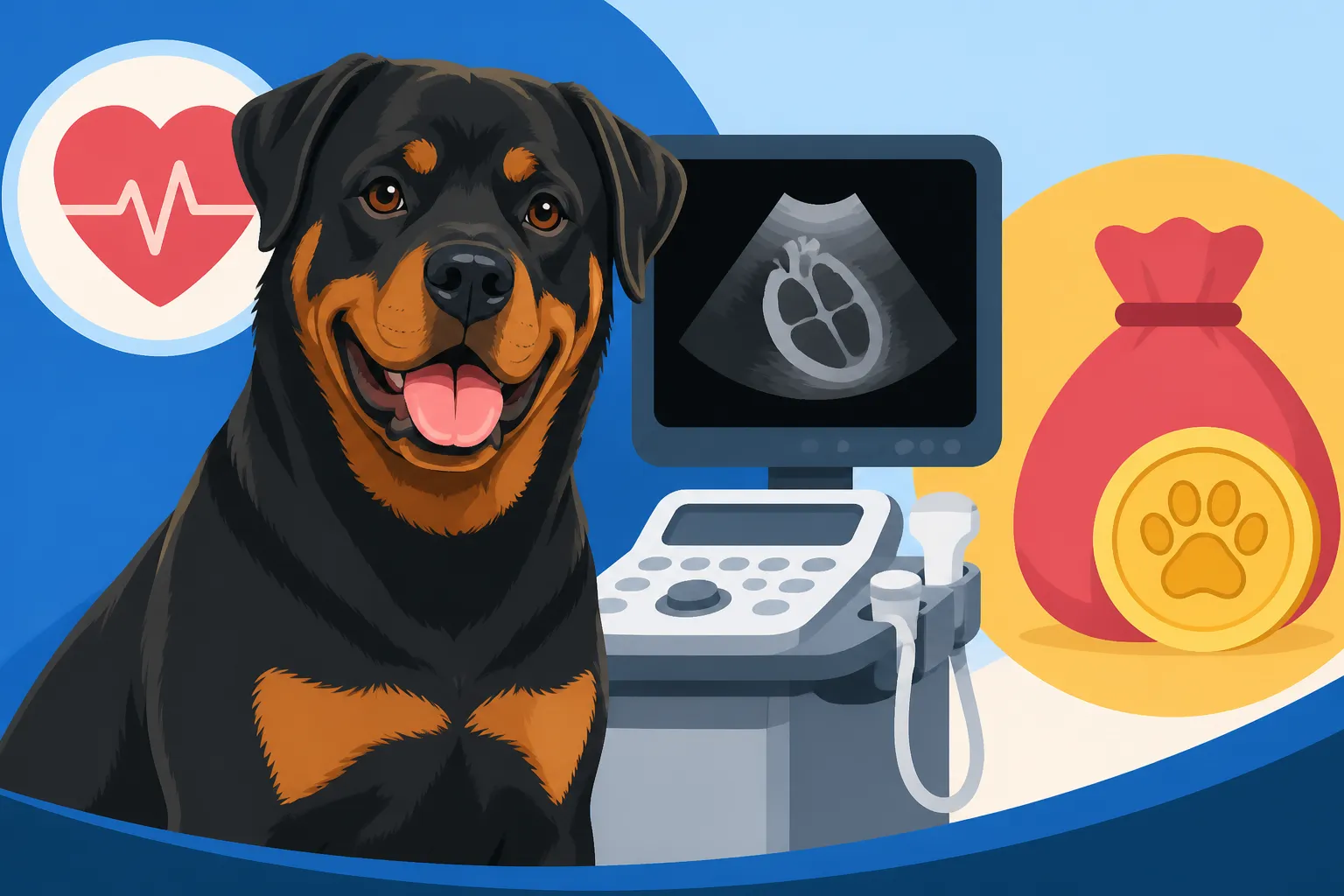
At its core, an echocardiogram is essentially an ultrasound of the heart. Think of it like a live video of your Rottweiler's heart, but instead of showing bone like an X-ray, it shows soft tissues. During the procedure, sound waves are sent into the chest, bounce off the heart, and return to a transducer, which then creates a real-time image on a monitor. This allows a veterinary professional to see the heart's chambers, valves, and surrounding structures in motion.
Unlike a simple stethoscope exam, which can only detect abnormal sounds like murmurs or arrhythmias, an echo provides a detailed visual assessment. It allows the vet to measure chamber sizes, assess wall thickness, evaluate valve function, and observe blood flow dynamics. This level of detail is impossible to get from an X-ray or a listening exam, providing invaluable information about the heart's physical structure and how well it's pumping blood throughout your Rottweiler's large body.
The nuances revealed by an echocardiogram can pinpoint the exact nature of a heart problem. For instance, it can differentiate between a leaky valve, a narrowed artery, or weakened heart muscle. This precision is vital for proper diagnosis and, subsequently, for developing the most effective treatment plan, which can significantly impact your Rottweiler's quality of life and longevity.
Why Rottweilers Need This Specialized View
Rottweilers, sadly, are a breed known to be predisposed to certain significant heart conditions. Two of the most common and serious are Subaortic Stenosis (SAS) and Dilated Cardiomyopathy (DCM). SAS is a congenital condition where a fibrous ring forms just below the aortic valve, obstructing blood flow out of the heart. DCM, on the other hand, is a disease where the heart muscle becomes thin and weak, leading to an enlarged heart that struggles to pump blood effectively.
Because of these predispositions, an echocardiogram isn't just a diagnostic tool; it's often a crucial screening tool for Rottweilers, especially those intended for breeding. Early detection of conditions like SAS, even in puppies, allows breeders and owners to make informed decisions and manage the condition proactively. Without an echo, many of these issues could go unnoticed until they reach an advanced, and often critical, stage.
For those serious about responsible breeding, getting a "The Rottweiler Echocardiogram at Two Years Old" is a critical step in a comprehensive health clearance protocol. It’s part of ensuring that potential parents are free from inheritable heart conditions, thereby working towards healthier generations of Rottweilers. This preventative approach helps to mitigate the spread of genetic diseases, protecting the breed's future and sparing countless future owners the heartbreak and financial strain of managing severe heart disease.
Common Reasons for a Rottweiler Echocardiogram
While the thought of your Rottweiler needing a heart specialist is daunting, there are several common scenarios that lead to an echocardiogram recommendation. Understanding these can help you be prepared and proactive about your dog's health.
Following Up on a Heart Murmur
One of the most frequent reasons a Rottweiler owner will hear the word "echocardiogram" is after their veterinarian detects a heart murmur during a routine check-up. A heart murmur is essentially an abnormal whooshing sound heard with a stethoscope, caused by turbulent blood flow within the heart. It’s important to remember that a murmur isn't a disease itself, but rather a sign that something might be amiss with the heart's structure or function.
While some murmurs are benign and physiological (especially in young, fast-growing puppies, sometimes referred to as "innocent murmurs"), others can indicate a significant underlying problem. For a Rottweiler, particularly with its breed-specific risks, a murmur warrants a closer look. A vet might initially grade the murmur based on its loudness and location, but only an echocardiogram can truly determine the cause, severity, and prognosis. This diagnostic step is crucial for differentiating a harmless anomaly from a serious condition like "Subaortic Stenosis Heard as a Rottweiler Puppy Murmur". Without it, treatment decisions would be based on guesswork, which is far from ideal for a condition as vital as heart health.
If your vet hears a murmur, don't panic, but do take the recommendation for an echo seriously. This advanced imaging will give you and your veterinary team the concrete answers needed to either give you peace of mind or start a targeted treatment plan for your Rottweiler's cardiac health.
Essential for Breed Health Screening
For Rottweiler enthusiasts, breeders, and those committed to the breed's health, an echocardiogram is not just a reactive diagnostic; it's a proactive screening tool. The Orthopedic Foundation for Animals (OFA) and the Canine Health Information Center (CHIC) strongly recommend cardiac evaluations for breeding Rottweilers due to the breed's high prevalence of heart diseases. These screenings aim to identify affected animals before they pass on genetic predispositions.
A comprehensive cardiac screening, which often includes an echocardiogram performed by a board-certified veterinary cardiologist, helps ensure that only heart-healthy dogs contribute to the gene pool. This commitment to health screening is a hallmark of responsible breeding practices and helps to improve the overall health of the breed. Prospective puppy buyers should always ask about parental health clearances, including cardiac evaluations, to reduce the risk of future health issues in their own Rottweiler puppy. This proactive step helps avoid future heartache and potentially massive veterinary bills down the line.
Beyond breeding, many dedicated Rottweiler owners opt for an echocardiogram as part of their dog's general health maintenance, especially around the age of two, even if no murmur is detected. This is a crucial window for screening as it often coincides with the full development of some inherited heart conditions. Think of it as a vital health check, much like routine blood work, offering peace of mind or early intervention if an issue is found.
Investigating Worrying Symptoms
Sometimes, the need for an echocardiogram becomes apparent when a Rottweiler starts displaying symptoms that suggest heart problems. These signs can be subtle at first but may progress over time. Common symptoms include persistent coughing, especially at night or after exercise, unusual lethargy, decreased exercise tolerance (they might tire quickly on walks they once loved), or even episodes of weakness or collapse.
Other indicators could be noticeable weight loss despite a good appetite, difficulty breathing, or a swollen abdomen (ascites) due to fluid buildup. It’s important not to dismiss these signs as simply "getting old" or "out of shape," especially in a breed like the Rottweiler. Because Rottweilers are so stoic, they often mask discomfort until a condition is quite advanced, making it even more critical to investigate any unusual changes promptly.
If you observe any of these symptoms, your vet will likely perform a thorough physical exam, listen to your dog’s heart and lungs, and possibly recommend an X-ray to check for fluid in the lungs or an enlarged heart. However, the echocardiogram remains the gold standard for precisely diagnosing the specific heart condition causing these symptoms, guiding the most effective and timely treatment to alleviate discomfort and improve your Rottweiler's prognosis.
Dissecting the Costs: What Impacts the Bill
When you receive an estimate for your Rottweiler's echocardiogram, you might notice a significant range in pricing. This isn't arbitrary; several key factors contribute to the final bill, from who performs the procedure to where it takes place. Understanding these variables can help you anticipate and manage the expenses.
The Specialist Factor and Clinic Type
One of the biggest drivers of echocardiogram costs is the expertise of the individual performing and interpreting the study. A board-certified veterinary cardiologist, who has undergone extensive additional training and certification beyond veterinary school, is considered the gold standard. They possess specialized knowledge and equipment to perform and accurately interpret complex echocardiograms, offering the most precise diagnosis. Naturally, their specialized expertise commands a higher fee, often making their services more expensive than those of a general practitioner.
The type of clinic also plays a significant role. A general veterinary practice might offer basic echocardiograms, often read remotely by a specialist, which can be a more budget-friendly option. However, a veterinary specialty hospital or university teaching hospital will typically have state-of-the-art equipment and full-time cardiologists on staff. While these facilities often provide the most thorough and immediate diagnostic capabilities, their overheads are higher, translating to increased costs for the services they provide. When you're dealing with a complex issue like "Rottweiler Heart Disease and Subaortic Stenosis", the peace of mind that comes with a specialist's diagnosis can be well worth the investment.
It's a balance between cost and comprehensive care. For a routine screening, a general practice might suffice, but for a dog with severe symptoms or a complex murmur, a cardiologist at a specialty hospital is often the recommended, albeit pricier, route.
Sedation and Anesthesia Considerations
While many Rottweilers are calm enough to undergo an echocardiogram without heavy sedation, some dogs, particularly those who are anxious, wiggly, or in pain, may require a mild sedative to ensure clear images. The procedure itself involves lying on a special table, often with a cut-out for the transducer to contact the chest wall, and remaining still for an extended period. For a large, powerful dog like a Rottweiler, even mild wiggling can blur the images and make a proper diagnosis difficult.
The cost of sedation is typically added to the base price of the echocardiogram. This can include the sedative itself, the monitoring required during the sedation, and the time for recovery. If your Rottweiler is particularly stressed or has other health issues that make sedation riskier, the vet might opt for a more comprehensive anesthesia protocol, which further increases the cost due to the need for advanced monitoring equipment, dedicated staff, and reversal agents.
Discuss with your vet whether sedation is anticipated for your Rottweiler. Factors like your dog's temperament, the severity of their symptoms, and any other concurrent health conditions will influence this decision. Being prepared for this potential additional cost is wise when budgeting for the procedure.
Additional Diagnostic Procedures
An echocardiogram is rarely performed in isolation, especially when investigating complex cardiac symptoms. Often, your vet will recommend other diagnostic tests to get a full picture of your Rottweiler's heart health and overall well-being. These can include chest X-rays, which help assess the size and shape of the heart and check for fluid buildup in the lungs (a sign of congestive heart failure).
Another common complementary test is an electrocardiogram (ECG or EKG), which measures the electrical activity of the heart. This helps detect arrhythmias or irregular heartbeats that might not be visible on an echocardiogram. Blood tests, such as a complete blood count (CBC) and a chemistry panel, might also be run to assess general health, organ function, and to look for markers of heart strain or other underlying conditions that could impact the heart. Sometimes, specific cardiac biomarkers, like proBNP, might be recommended to help diagnose or monitor heart disease progression.
Each of these additional tests comes with its own cost, and collectively, they can add hundreds of dollars to your overall bill. While it might feel like a lot, these comprehensive diagnostics are crucial for making an accurate diagnosis and formulating the most effective and personalized treatment plan for your Rottweiler. Skipping these steps might save money upfront but could lead to an incomplete diagnosis and less effective long-term care.
Geographical and Emergency Pricing
Just like human healthcare, the cost of veterinary services, including echocardiograms, can vary significantly based on your geographical location. Clinics in major metropolitan areas or regions with a higher cost of living generally charge more than those in rural or smaller towns. Competition among veterinary practices in a given area can also influence pricing.
Furthermore, the urgency of the situation plays a huge role. If your Rottweiler is in crisis, perhaps experiencing sudden collapse or severe breathing difficulties, and requires an emergency echocardiogram, you can expect to pay a premium. Emergency veterinary hospitals operate 24/7, with staff on duty through nights, weekends, and holidays, and their services reflect these higher operating costs. A scheduled echocardiogram, performed during regular business hours, will almost always be more affordable than an after-hours emergency procedure.
It's always a good idea to get a detailed estimate from your veterinary clinic or the specialty hospital before proceeding. If you have the luxury of time, calling a few different clinics for price comparisons can sometimes yield significant savings, but always prioritize the quality of care and the expertise of the veterinary cardiologist, especially when dealing with such a critical diagnostic.
Typical Echocardiogram Cost Ranges and Inclusions
Let's get down to the numbers. While costs can fluctuate wildly based on the factors we've just discussed, having a general idea of the expected price range for a Rottweiler echocardiogram can help you budget and prepare.
Breaking Down the Base Price
For a standard, non-emergency echocardiogram performed during regular business hours by a board-certified veterinary cardiologist, you can typically expect the base price to fall within a range of $500 to $1,000. This base price usually includes the performance of the ultrasound itself, the real-time interpretation by the specialist, and a detailed report sent to your primary veterinarian. It's important to remember this is for the echo only.
In a general practice setting, where the procedure might be performed by a general vet and then sent out for remote interpretation by a cardiologist, the cost might be slightly lower, perhaps in the $400 to $700 range. However, this often means a delay in getting the final interpretation. For some owners, this is a perfectly acceptable trade-off, especially if the dog's condition isn't immediately critical. Knowing the specific details of what's included in the base price is vital to avoid surprises.
Here's a breakdown of potential costs, keeping in mind these are averages and can vary:
| Service | Estimated Cost Range | Notes |
|---|---|---|
| Echocardiogram (Specialist) | $500 – $1,000 | Performed by board-certified cardiologist |
| Echocardiogram (General Vet) | $400 – $700 | May involve remote specialist interpretation |
| Mild Sedation | $50 – $200 | Varies by Rottweiler's size and sedative used |
| Chest X-rays | $100 – $250 | Often done concurrently to assess lung/heart size |
| Electrocardiogram (ECG) | $50 – $150 | Checks heart's electrical activity for arrhythmias |
| Blood Pressure Measurement | $20 – $50 | Routine part of cardiac workup |
| Cardiac Biomarker (e.g., proBNP) | $100 – $250 | Specific blood test for heart strain |
| Emergency Surcharge | $150 – $500+ | Added for after-hours or urgent cases |
As you can see, the final bill can quickly climb, especially if multiple diagnostics are deemed necessary. Don't hesitate to ask for a detailed, itemized estimate upfront from your veterinary clinic.
Navigating Potential Hidden Fees
Beyond the primary cost of the echocardiogram and common additional diagnostics, there can be other, less obvious fees that contribute to the overall bill. For instance, if your Rottweiler requires more intensive monitoring during sedation due to age or existing health conditions, the cost for anesthesia monitoring time can increase. Some clinics might also charge a separate "consultation fee" for the cardiologist, in addition to the procedure itself, particularly if they spend extensive time discussing findings and treatment options with you.
Then there are follow-up costs. An echocardiogram provides a snapshot of your Rottweiler's heart at a specific moment. If a heart condition is diagnosed, your vet might recommend follow-up echocardiograms to monitor the progression of the disease and the effectiveness of any prescribed medications. These follow-up echoes, while usually costing less than the initial comprehensive study, still represent recurring expenses.
Finally, don't forget the cost of any medications your Rottweiler might need if a heart condition is diagnosed. These can range from daily pills to specialized diets. While not part of the echocardiogram itself, it's a direct consequence of the diagnostic process and a crucial part of managing your Rottweiler's long-term heart health. Always factor in these potential downstream expenses when considering the true cost of dealing with a heart issue.
Preparing for the Expense: Financial Strategies
The financial strain of unexpected veterinary bills, especially for a large breed like a Rottweiler with a propensity for certain health issues, can be immense. However, with some foresight and planning, you can significantly mitigate the burden of costs like an echocardiogram.
The Lifeline of Pet Insurance
One of the most effective ways to prepare for costly diagnostics and treatments is pet insurance. Plans can vary widely in coverage, deductibles, and reimbursement percentages, but a good policy can be a real lifeline when your Rottweiler faces a significant health challenge. When considering pet insurance for your Rottweiler, it’s crucial to enroll them when they are young and healthy. This is because most policies, including those from providers like Healthy Paws, will not cover pre-existing conditions.
If you wait until your vet hears a heart murmur or suspects a cardiac issue, any subsequent echocardiogram or treatment related to that condition will likely be excluded from coverage. This is a common frustration for many owners who realize the benefits of insurance too late. Therefore, researching and enrolling in a comprehensive policy early in your Rottweiler's life is a smart financial move. Understand what your chosen policy covers for diagnostics, specialist visits, and emergency care. Comparing providers and reading the fine print carefully, especially regarding breed-specific conditions, is paramount.
Some policies even offer wellness add-ons that might cover routine screenings, though an echocardiogram typically falls under diagnostic or illness coverage. Even with insurance, you'll still be responsible for your deductible and your portion of the co-pay, but it can turn a multi-thousand-dollar bill into something much more manageable.
Exploring Payment Assistance Programs
Even with the best planning, sometimes unexpected costs arise, or pet insurance might not cover everything. Thankfully, there are options available to help manage significant veterinary expenses. Many veterinary clinics and specialty hospitals offer payment plans or work with third-party financing services like CareCredit. CareCredit functions much like a credit card specifically for healthcare expenses, often offering deferred interest periods if the balance is paid within a certain timeframe.
It's worth having a conversation with your veterinary office manager about payment options as soon as you receive an estimate for an echocardiogram or any other major procedure. They may be able to guide you through available resources or connect you with programs designed to help pet owners afford necessary care. Some breed-specific rescue organizations or national veterinary aid foundations might also offer grants or financial assistance for specific conditions, especially if your Rottweiler has a severe, life-threatening diagnosis.
Building a dedicated emergency fund for your Rottweiler is also a smart strategy. Even setting aside a small amount each month into a "pet savings" account can accumulate into a substantial buffer over time. This proactive financial planning, whether through insurance, payment programs, or personal savings, ensures that when a crucial diagnostic like an echocardiogram is needed, your focus can remain squarely on your Rottweiler's health, not just the bill. Many pet owners find a balance between a good insurance policy and a modest savings fund offers the most comprehensive peace of mind.
Disclaimer
This article is intended for informational purposes only and does not constitute veterinary advice. The costs provided are estimates and can vary significantly based on location, veterinary practice, and individual patient needs. Always consult with a qualified veterinary professional for any health concerns or before making any decisions about your Rottweiler's medical care.