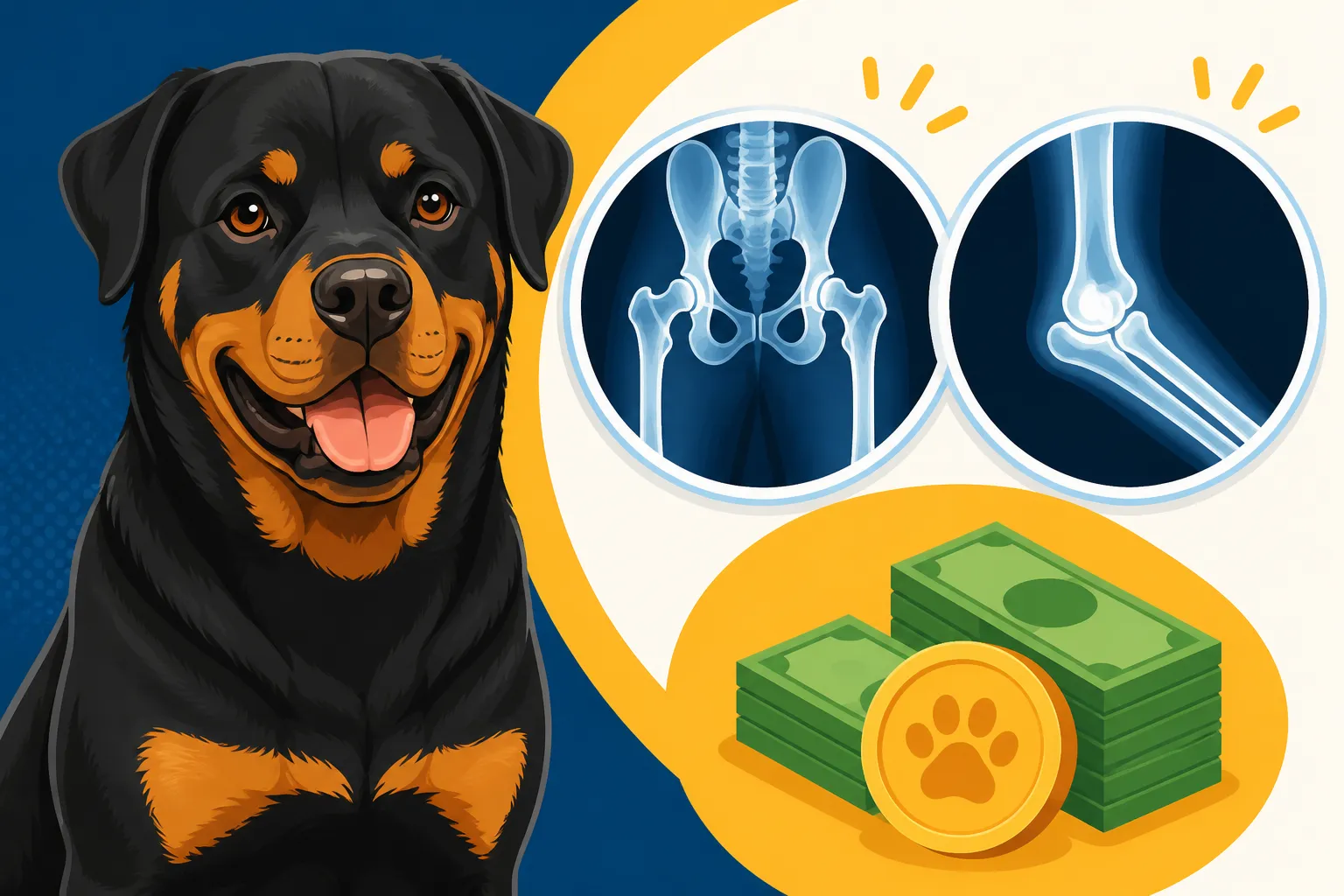
Rottweiler Hip and Elbow X-Ray Costs
Bringing a Rottweiler into your life is a huge commitment, filled with joy, companionship, and a whole lot of love. But with that joy often comes a natural anxiety about their health, especially concerning the musculoskeletal issues common to large breeds. One of the most significant concerns for Rottweiler owners is the cost associated with necessary health clearances, particularly the hip and elbow X-rays that can feel like a daunting financial hurdle. This guide is here to demystify those costs, helping you understand exactly what to expect when planning for your Rottweiler's crucial joint evaluations.
Understanding the "Why" Behind Rottweiler Joint X-Rays
It's not just about getting a picture; it's about safeguarding your Rottweiler's future and contributing to the health of the breed. These X-rays are more than a routine check-up; they're an essential diagnostic tool for conditions that can significantly impact a large dog's quality of life.
The Realities of Hip and Elbow Dysplasia
Rottweilers are magnificent dogs, but like many large, fast-growing breeds, they are predisposed to certain genetic conditions, with hip and elbow dysplasia topping the list. Hip dysplasia occurs when the hip joint doesn't form correctly, leading to a loose joint that can eventually cause debilitating arthritis. Similarly, elbow dysplasia encompasses a range of developmental abnormalities in the elbow joint, resulting in pain, lameness, and degenerative joint disease. These aren't just minor inconveniences; they can mean chronic pain, expensive surgeries, and a drastically reduced quality of life for your beloved companion.
The impact of these conditions can start early, sometimes even before a Rottweiler reaches its full adult size. Many owners might notice a subtle limp, reluctance to play, or difficulty getting up, which could be early signs of underlying joint issues. Catching these problems early through X-ray evaluations is paramount, not only for potential treatment but also for making informed decisions if you are considering breeding your dog. For breeders, these clearances are non-negotiable, forming a cornerstone of responsible breeding practices to reduce the incidence of these conditions in future generations. It’s also why understanding The Five Clearances a Rottweiler Breeder Must Have is so vital when choosing a puppy.
Why Early Screening is Crucial for Large Breeds
For a dog that grows as quickly and to the size of a Rottweiler, the stresses on their developing joints are immense. Their growth plates close later than smaller breeds, making them susceptible to injury and developmental issues if not managed correctly. This is why early, proactive screening is so important. By evaluating their hips and elbows at the appropriate age – typically after 24 months for official certification – you get a clear picture of their joint health. This knowledge empowers you to make informed decisions about their diet, exercise regimen, and any potential preventative measures, such as specific joint supplements. It can also alert you to potential issues like Rottweiler Hip Dysplasia Symptoms Before Age Two or Rottweiler Elbow Dysplasia and Front Leg Lameness that might not be obvious to the untrained eye.
Waiting until symptoms become pronounced often means the condition has progressed significantly, potentially limiting treatment options and increasing the complexity and cost of interventions. Regular check-ups with your vet, discussing any changes in your Rottweiler's gait or activity level, and being proactive with these X-rays are all part of responsible ownership. It’s about being ahead of the curve, rather than playing catch-up with a painful, advanced condition.
Breaking Down the Costs of Hip and Elbow X-Rays
When it comes to the actual price tag, there’s no single, universal answer. The cost of hip and elbow X-rays for your Rottweiler can vary quite a bit depending on several factors. However, understanding the components of these costs will help you budget more effectively.
Veterinary Examination and Sedation Fees
This is usually the first major part of the bill. To get clear, diagnostic-quality X-rays of a Rottweiler's hips and elbows, your dog absolutely needs to be sedated or anesthetized. A awake, fidgeting Rottweiler, no matter how well-behaved, simply won't hold still enough for the precise positioning required for OFA (Orthopedic Foundation for Animals) or PennHIP evaluations. Sedation ensures their comfort, safety, and the accuracy of the images.
The cost for the veterinary examination and the sedation itself will depend on your vet clinic's rates, your dog's weight (as anesthesia is typically dosed by weight), and the specific drugs used. A general vet consultation can range from $50 to $150. Sedation or light anesthesia, including monitoring and recovery, can add anywhere from $200 to $600 or more, especially if pre-sedation bloodwork is recommended (which it often is for safety). If your Rottweiler is a bit older or has any pre-existing health conditions, the vet might recommend more extensive blood panels to ensure they can safely handle the sedation, which adds to the overall cost. For example, a pre-anesthetic blood panel can easily add another $100-$200 to the bill.
Radiography and Official Submission Charges
Once your Rottweiler is sedated and positioned correctly, the X-rays are taken. This involves the use of specialized equipment and trained veterinary technicians. The cost for the actual X-ray images themselves, including the technician's time and the use of the radiography equipment, generally runs between $150 to $400 for a set of hip and elbow X-rays. This is for the imaging alone, not including the vet's interpretation or the submission fees.
After the X-rays are taken, your veterinarian will review them to ensure they meet the quality standards for submission to organizations like OFA or PennHIP. These organizations are responsible for evaluating the images and issuing official certifications for breeding soundness. Each organization charges its own submission fee. For OFA, as of late 2023/early 2024, the fee for hip and elbow evaluations is typically around $40-$50 per joint, meaning $80-$100 for both. PennHIP, which is a different methodology offering a quantitative score, tends to have a higher submission fee, often in the range of $150-$200, as it requires specialized training for the vet taking the images and a more detailed analysis. It's worth noting that your vet might also charge a small administrative fee for handling the paperwork and digital submission. You can learn more about the differences in methodology with PennHIP Set Against OFA for a Rottweiler.
Geographic and Clinic Variations
Just like the price of groceries or housing, veterinary costs fluctuate significantly based on your geographical location and the type of clinic you visit. In major metropolitan areas or regions with a higher cost of living, you can expect to pay more than in rural settings. A veterinary teaching hospital or a specialty orthopedic clinic, while offering state-of-the-art equipment and highly specialized expertise, might also have higher fees compared to a smaller, general practice.
For example, a full hip and elbow X-ray evaluation, including sedation and submission fees, might cost you around $400-$700 in a more rural or suburban clinic, while the same procedure in a bustling city like Los Angeles or New York could easily climb to $800-$1200. It truly pays to call around and get quotes from a few different clinics in your area. Always inquire about what is included in their quote – does it cover sedation, the X-rays, and the submission fees?
Here's a rough breakdown of potential costs you might encounter:
| Service Component | Estimated Cost Range (USD) | Notes |
|---|---|---|
| Veterinary Examination | $50 – $150 | Initial assessment, physical exam. |
| Pre-Sedation Bloodwork (Optional/Req) | $100 – $200 | Recommended for safety, especially older dogs or those with concerns. |
| Sedation/Anesthesia | $200 – $600 | Varies by weight, clinic, and drugs used. Includes monitoring. |
| Hip & Elbow Radiographs (Imaging) | $150 – $400 | Technician time and equipment use. |
| OFA Submission Fees (Hips & Elbows) | $80 – $100 | Paid directly to OFA. |
| PennHIP Submission Fees (Hips) | $150 – $200 | Paid directly to PennHIP. Does not include elbow evaluation. |
| Total Estimated Cost (OFA) | $580 – $1,450+ | For both hips and elbows using OFA. |
| Total Estimated Cost (PennHIP for Hips only) | $550 – $1,350+ | PennHIP evaluates only hips; elbows require separate OFA submission. |
Note: These are estimates and can vary widely. Always get a detailed quote from your chosen veterinary clinic.
Navigating Hidden Costs and Financial Planning
The immediate X-ray costs are one thing, but responsible pet ownership, especially with a breed like the Rottweiler, means looking at the bigger financial picture. These initial diagnostic costs can open the door to further considerations.
What if the Results Aren't Clear?
One of the less-talked-about "hidden" costs is the possibility that the initial X-rays might not be clear enough for official certification, or they might reveal ambiguous findings. In such cases, your vet might recommend retaking the X-rays. This means another round of sedation fees and imaging charges. It's frustrating, certainly, but getting accurate results is paramount. Sometimes, the issue isn't poor image quality but rather a finding that requires further investigation, such as additional specialized views or even a referral to a board-certified veterinary orthopedic surgeon or radiologist for a second opinion. A specialist consultation can add another $150-$400 to your expenses, and advanced imaging like a CT scan or MRI, if recommended, could cost thousands. This is a tough pill to swallow, but it’s part of ensuring your dog gets the best possible diagnosis and care.
Pet Insurance and Budgeting for Diagnostics
This is where pet insurance can truly shine. Many responsible Rottweiler owners invest in pet insurance early in their dog's life to help mitigate the high costs of unexpected veterinary care. While most pet insurance policies won't cover routine wellness exams or pre-existing conditions, they will often cover the diagnostic costs for new injuries or illnesses, including the X-rays and specialist consultations if a new condition is suspected. If you enroll your Rottweiler puppy before any signs of hip or elbow dysplasia appear (and ideally before their joints are officially evaluated), a comprehensive policy from providers like Healthy Paws might cover a significant portion of the X-ray costs if they were part of a diagnostic workup for lameness, rather than purely for certification.
It’s crucial to understand your policy’s terms, deductibles, and reimbursement rates. Some plans have a waiting period before coverage kicks in for orthopedic conditions, so enrolling your puppy young is usually the best strategy. If you're serious about budgeting, consider creating a dedicated "Rottie Health Fund" savings account. Even putting away $50-$100 a month can add up quickly and provide a safety net for those unexpected vet bills, from X-rays to potential surgeries or long-term medication for arthritis management. Beyond insurance, many clinics also offer payment plans or work with third-party financing options like CareCredit. For more information on what to expect, check out Rottweiler Pet Insurance and the $204 Average.
Making the Investment: Long-Term Benefits and Responsible Ownership
Thinking about these X-ray costs as an investment, rather than just an expense, can shift your perspective entirely. This isn't just about money; it's about the quality of life for your cherished family member and your role in the bigger picture of the Rottweiler breed.
The Value of Clearances for Your Dog's Quality of Life
Having your Rottweiler's hips and elbows officially evaluated provides invaluable insight into their long-term orthopedic health. If the results come back excellent or good, it's a huge relief and a testament to good breeding and care. If, however, the results show mild or moderate dysplasia, this knowledge allows you to proactively manage the condition. You can work with your vet to implement a tailored exercise plan, dietary adjustments, weight management strategies, and potentially start joint supplements or anti-inflammatory medications early on to slow the progression of arthritis and keep your dog comfortable for as long as possible. This informed approach can significantly improve your Rottweiler's comfort and mobility throughout their life.
For instance, knowing your dog has mild hip dysplasia might mean you opt for swimming instead of high-impact running, or that you invest in orthopedic dog beds. These small, proactive changes can make a world of difference in mitigating pain and maintaining mobility in Senior Rottweiler Mobility Decline. It is a crucial step in ensuring your Rottweiler has the best possible chance at a long, active, and pain-free life.
Contributing to the Future of the Rottweiler Breed
Beyond the individual dog, participating in official health clearance programs like OFA and PennHIP is a profound act of responsible breed stewardship. When breeders submit their dogs for these evaluations, and when those results are made publicly available (even if they don't pass), it creates a vast database of information that helps identify healthy breeding lines and allows prospective puppy buyers to make informed choices. By supporting breeders who prioritize these clearances, and by clearing your own Rottweiler, you help reduce the incidence of debilitating genetic conditions within the breed as a whole. This collective effort works towards ensuring that future generations of Rottweilers are healthier and live longer, more comfortable lives.
This commitment to health clearances distinguishes responsible breeders from backyard breeders who often skip these crucial steps to save money, inadvertently perpetuating genetic health problems. Your investment, therefore, extends beyond your own Rottweiler; it's an investment in the health and integrity of the entire Rottweiler community. It's part of the ongoing effort to ensure the breed thrives, known for its strong health as much as its impressive presence. Many dog owners choose to get their dogs cleared even if they don't plan to breed, simply to contribute to the data and ensure they are making the most informed decisions about their own dog's care.
Disclaimer
The information provided in this article is for general informational purposes only and does not constitute veterinary advice. Always consult with a qualified veterinarian for any health concerns or before making any decisions about your pet's medical care, diet, or treatment. Costs are estimates and can vary based on location, clinic, and individual circumstances.