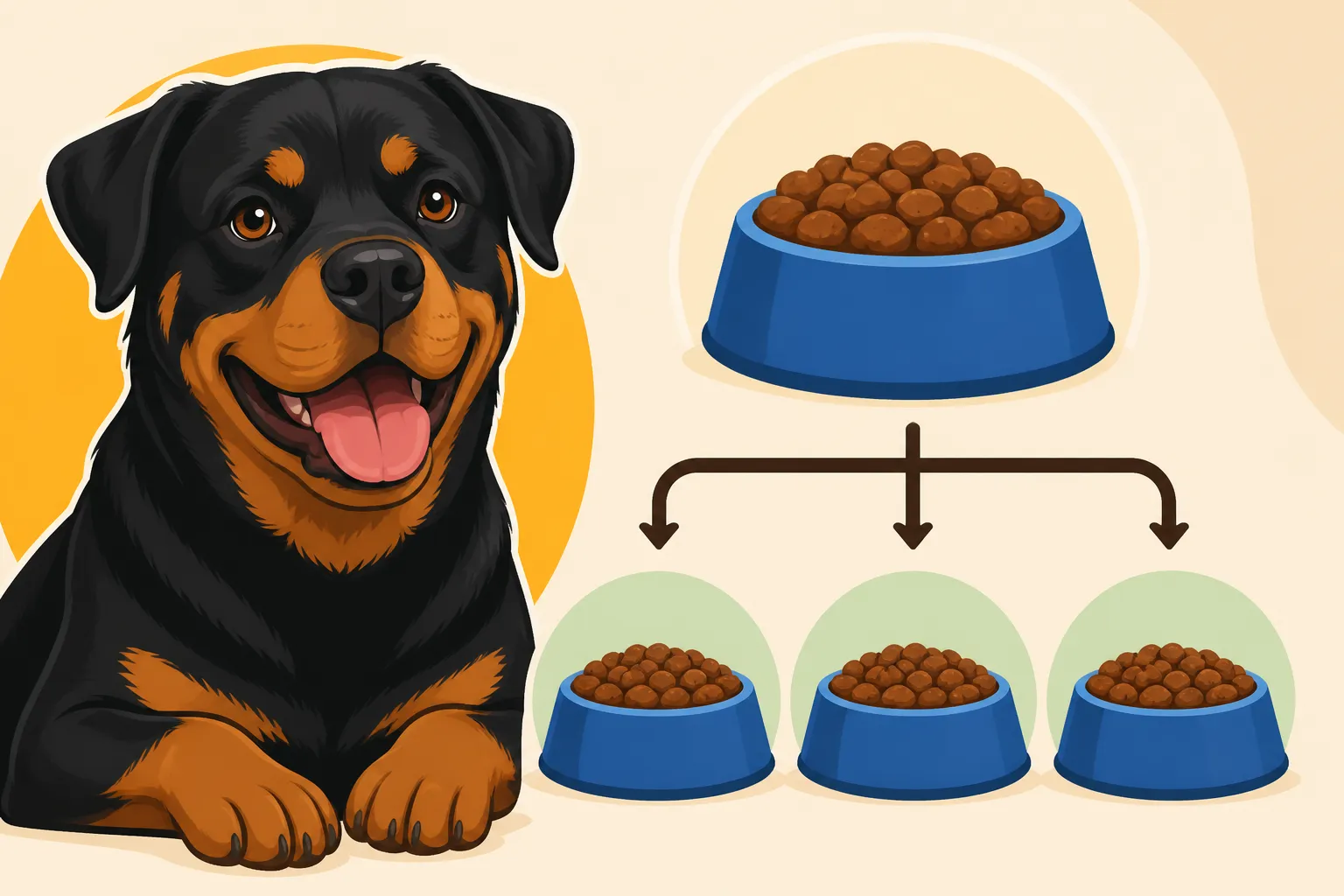
Splitting a Rottweiler Ration Into Three Small Meals
It can be a real headache to manage the feeding schedule for a big, powerful dog like a Rottweiler. Many owners struggle with finding the right balance between giving their beloved companion enough fuel for their energetic lives and avoiding serious health risks, especially the dreaded bloat. This guide will walk you through why and how splitting your Rottweiler's daily food ration into three smaller, well-timed meals can be a game-changer for their health, comfort, and longevity.
Why Splitting Meals Matters for Rottweilers
When you have a dog that can easily reach well over 100 pounds, every aspect of their care needs careful consideration. Feeding is no exception. For Rottweilers, in particular, how and when they eat can have significant implications for their digestive health, far beyond simple indigestion. It’s not just about getting calories into them; it's about how those calories are consumed and processed.
Minimizing the Risk of Bloat (GDV)
Let's be blunt: bloat is terrifying. Gastric Dilatation-Volvulus (GDV), or bloat, is a life-threatening condition where a dog's stomach fills with gas, food, or fluid, and then twists, cutting off blood supply and trapping everything inside. It comes on fast, and it's a huge concern for deep-chested breeds like our Rottweilers. Owners often find themselves frantically searching for information on Recognizing Bloat in a Rottweiler in the middle of the night.
One of the biggest culprits contributing to bloat risk is rapid eating of large meals, especially when combined with exercise before or after. When a Rottweiler gulps down a huge meal, they often swallow a lot of air. This air, combined with the large volume of food, can distend the stomach. If that distended stomach then twists, you have a veterinary emergency on your hands where every minute counts. Splitting the daily ration into three smaller meals significantly reduces the volume of food in the stomach at any one time, making it less likely to distend excessively and therefore, less prone to twisting. It's a proactive step that can genuinely save your dog's life, especially as Rottweiler Bloat Risk Rising With Age becomes a factor.
Improving Digestion and Nutrient Absorption
Think about it from a human perspective: eating one massive meal versus several smaller, balanced ones. Your body generally handles the latter better. The same goes for your Rottweiler. Their digestive system is designed to process food efficiently, but it can be overwhelmed by a single, gargantuan portion.
When a large amount of food hits the stomach all at once, the digestive enzymes and acids have to work overtime to break it down. This can lead to less efficient digestion, meaning your dog isn't getting all the nutrients they could be from their food. You might notice issues like gas, softer stools, or even regurgitation if they're eating too quickly. By breaking their daily intake into three smaller meals, you allow their system to work at an optimal pace. Each meal gets thoroughly digested, ensuring maximum absorption of vitamins, minerals, and protein. This can lead to better coat health, more consistent energy levels, and overall improved well-being for your Rottweiler, making those big, beautiful muscles truly shine.
How to Effectively Split Your Rottweiler's Meals
Making the switch to multiple meals doesn't have to be complicated, but it does require a bit of planning and consistency. Remember, your Rottweiler thrives on routine, and establishing a new feeding rhythm will benefit them greatly in the long run.
Calculating the Right Portions
The first step is to figure out your Rottweiler's total daily calorie requirement. This isn't a one-size-fits-all number. It depends on their age, activity level, metabolism, and whether they need to gain, lose, or maintain weight. Your veterinarian is the best resource for nailing down this figure. They can help you calculate the precise Daily Calories for a Hundred Twenty Pound Rottweiler or whatever your dog's specific needs are. Once you have that total daily amount, you simply divide it by three.
For example, if your vet recommends 2,400 calories per day, each of your three meals will be 800 calories. If you're feeding kibble, you'll need to know the calorie content per cup (usually found on the bag) to accurately portion it out. Don't just eyeball it; invest in a proper kitchen scale to weigh their food for accuracy, especially if you're trying to manage their weight. Consistency in portion size is key to maintaining a healthy weight and ensuring they receive adequate nutrition.
Establishing a Consistent Feeding Schedule
Rottweilers thrive on predictability. Once you've determined the number of meals and portion sizes, establish a consistent schedule. For most households, three meals often look like breakfast, lunch, and dinner.
A typical schedule might be:
- Morning Meal: Around 7:00 AM – 8:00 AM (before or just after your morning routine)
- Mid-Day Meal: Around 1:00 PM – 2:00 PM (this often works well if someone is home for lunch, or if you can use an automatic feeder)
- Evening Meal: Around 7:00 PM – 8:00 PM (a few hours before bedtime)
The exact times aren't as important as the consistency. Try to stick to the same schedule every day, even on weekends. This helps regulate your dog's digestive system and can reduce anxiety around meal times. If you have a busy schedule, consider using an automatic feeder for the mid-day meal. Many models are available on platforms like Amazon or Chewy that allow you to program multiple feeding times and precise portions, taking the guesswork out of your day.
Transitioning Your Rottweiler to Multiple Meals
Suddenly changing your Rottweiler's feeding routine can be a bit jarring for them, especially if they've been on a two-meal schedule their whole lives. A gradual transition is often best to avoid any digestive upset or confusion.
Start by splitting their existing two meals into three, making each portion slightly smaller than what they're used to, but still adding up to the same daily total. For instance, if they normally get 3 cups twice a day, you might give them 2 cups three times a day for a few days. Once they adjust to the new timing, you can then fine-tune the portions based on your caloric calculations. Monitor their behavior and stool consistency during this transition. If you notice any signs of digestive upset, slow down the transition or consult your vet. Most Rottweilers adapt fairly quickly, eager for those extra mealtime opportunities throughout the day!
Choosing the Right Food and Feeding Tools
Beyond when and how much you feed, what you feed and what you feed it in also play crucial roles in your Rottweiler's overall health and the success of a multi-meal feeding plan.
Selecting Appropriate Dog Food
For a large, robust breed like the Rottweiler, the quality and type of food you choose are paramount. Many owners opt for high-quality kibble formulated specifically for large breeds, which often contain appropriate protein-to-fat ratios and carefully balanced calcium and phosphorus levels to support their skeletal development and maintain joint health. Brands that focus on breed-specific or large-breed formulas are generally a good starting point.
Some owners also explore fresh food options, whether commercially prepared services like Ollie or home-cooked meals. If you go the fresh food route, it's absolutely critical to ensure the diet is nutritionally complete and balanced, often requiring consultation with a veterinary nutritionist to prevent deficiencies or excesses, especially regarding minerals vital for large breed dogs. Regardless of your choice, make sure the food is appropriate for your Rottweiler's life stage (puppy, adult, senior) and any specific health needs they may have. Always read labels carefully to understand ingredients and nutrient content, and discuss your choices with your veterinarian.
Utilizing Slow Feeder Bowls and Puzzles
Even with smaller meals, some Rottweilers are still champion gobblers. Eating too fast, even a small portion, can still lead to swallowing air and discomfort. This is where slow feeder bowls and puzzle feeders become invaluable tools. These bowls are designed with ridges, mazes, or compartments that force your dog to eat around obstacles, slowing down their pace significantly. You can find a wide variety of these on websites like Chewy or Amazon.
Beyond just slowing them down, puzzle feeders offer mental enrichment. Instead of simply gulping down their food, your Rottweiler has to think and work a little to get each bite. This engages their brain, which can reduce boredom and destructive behaviors. You can also use food-dispensing toys as a third meal or a supplement, turning mealtime into a stimulating game. For a Rottweiler, whose ancestral job involved actual work like droving cattle, engaging their minds during meals can be just as important as nourishing their bodies. Using Slow Feeder Bowls That Hold a Rottweiler Ration that can actually handle the volume of their food is essential.
Beyond the Bowl: Integrating Meal Splitting into a Routine
Feeding is just one piece of the puzzle. To truly maximize the benefits of splitting your Rottweiler's meals, you need to consider how this new routine integrates into their overall daily life, especially concerning exercise and general health monitoring.
Managing Exercise Around Meal Times
This is a critical point for bloat prevention. It's not just what or how they eat, but when they exercise in relation to their meals. Vigorous exercise directly before or after a meal is a known risk factor for bloat. The bouncing and twisting motion of running or jumping can, in some cases, cause a full stomach to shift and twist.
As a general rule, always allow at least 30-60 minutes of quiet rest before a meal and, even more importantly, wait at least 1-2 hours after a meal before engaging in any strenuous activity. This gives their stomach time to begin digesting and for the food to move out of the stomach, significantly reducing the risk of a twist. A short, calm leash walk for potty breaks is usually fine, but save the enthusiastic play sessions, fetch, or long jogs for well before or long after meal times. Being mindful of How Long to Wait After a Rottweiler Meal Before Exercise is a non-negotiable part of responsible Rottweiler ownership.
Monitoring Your Rottweiler's Weight and Condition
Splitting meals helps with digestion and bloat risk, but you still need to keep a close eye on your Rottweiler's overall body condition. Smaller meals don't automatically mean a healthier weight if the total daily calories are still too high or too low. Regularly assess your Rottweiler's physique. You should be able to feel their ribs without seeing them, and they should have a clear waist tucking up from their ribcage to their hips.
If your Rottweiler starts to gain too much weight, becoming overweight puts additional strain on their joints (which are already prone to issues like hip and elbow dysplasia) and can shorten their lifespan. On the flip side, if they are losing weight, they might not be getting enough calories. Adjust portions as needed, always based on your vet's guidance. Regular weigh-ins and body condition scoring are simple habits that can reveal a lot about their health. Remember, Rottweiler Obesity and the Load It Adds is a serious health concern, and proactive monitoring can prevent many problems down the line.
Hydration and Overall Digestive Health
Water is absolutely essential for digestion and overall health, especially for large dogs. Rottweilers need constant access to fresh, clean water, particularly after meals, on hot days, or after exercise. Dehydration can exacerbate digestive issues and impact every bodily function.
While it's important for them to drink, be mindful of how they drink immediately after eating. Some dogs will gulp down massive amounts of water right after a meal, which can also contribute to stomach distension. Offer fresh water freely, but if your Rottweiler is a super fast drinker right after a meal, you might consider offering smaller amounts more frequently, or waiting 15-20 minutes after they've finished eating their food before refilling a completely empty bowl. Ensuring proper Water Intake for a Rottweiler on a Hot Day is always important, but the timing around meals is especially crucial. A healthy digestive system relies on both quality food and adequate hydration.
Making the Change: A Commitment to Health
Transitioning your Rottweiler to three smaller meals a day is more than just a feeding tweak; it's a commitment to their long-term health and well-being. It’s about mitigating serious risks like bloat, optimizing their digestion, and ensuring they receive consistent, balanced nutrition throughout the day. It requires a bit of discipline from your end, especially when it comes to consistent scheduling and mindful exercise, but the peace of mind knowing you're doing everything possible to keep your powerful companion healthy is invaluable.
It’s completely understandable to feel overwhelmed by all the health considerations for a Rottweiler, from Rottweiler Hips and Elbows and the 24-Month Rule to Rottweiler Heart Disease and Subaortic Stenosis. But proactive steps like careful feeding can make a huge difference. Don't hesitate to consult your veterinarian if you have questions about your specific Rottweiler's dietary needs or if you suspect any digestive issues. They are your best partner in navigating these important decisions.
By making this small, actionable change, you're not just feeding your Rottweiler; you're nurturing their health and helping them live a more comfortable, safer life by your side.
| Meal Time | Example Time Range | Purpose | Considerations |
|---|---|---|---|
| Breakfast | 7:00 AM – 8:00 AM | Kickstarts metabolism, provides morning energy | Avoid intense exercise immediately before/after. |
| Lunch | 1:00 PM – 2:00 PM | Sustains energy, prevents excessive hunger | May require an automatic feeder if you're not home. |
| Dinner | 7:00 PM – 8:00 PM | Fuels evening activity, settles for night | Allow 1-2 hours minimum before strenuous exercise or bedtime. |
Disclaimer
This article is for general informational purposes only and does not constitute professional advice. Laws, prices and regulations vary by location and change over time. Consult a qualified professional for guidance on your specific situation.