Appetite Loss in an Old Rottweiler
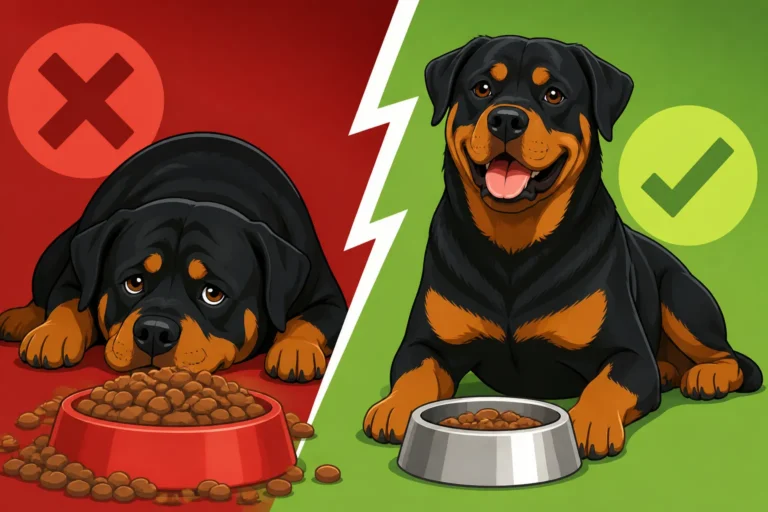
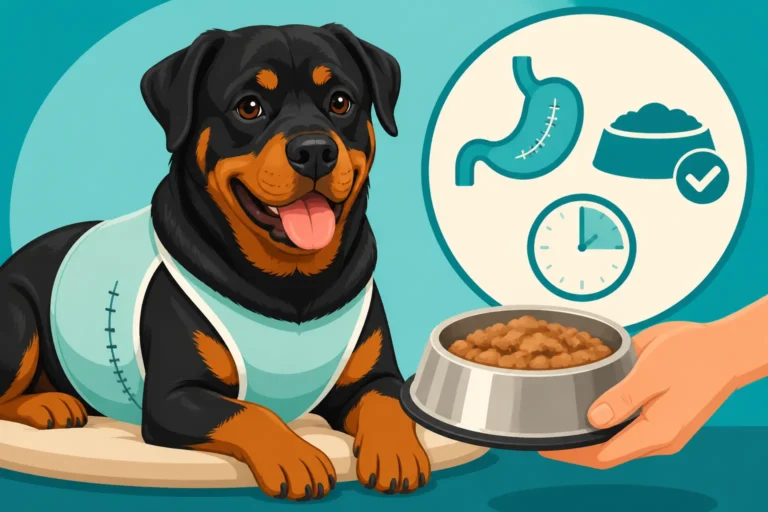
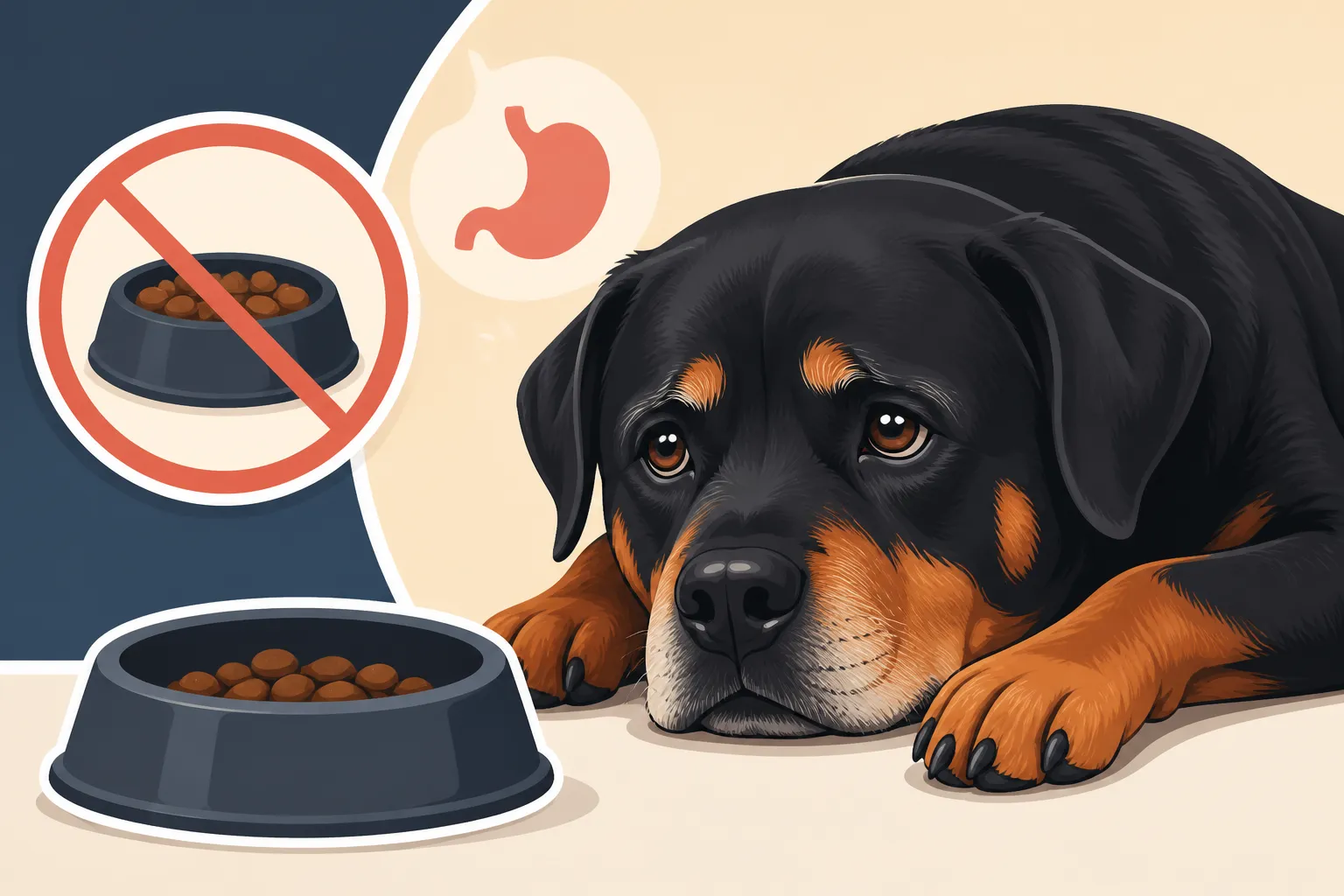
It’s a heartbreaking sight, isn't it? Your once enthusiastic, always-hungry Rottweiler, now in their golden years, suddenly turns their nose up at a meal they used to devour. You worry, you try everything, and the frustration grows as you watch them push kibble around the bowl, barely touching a bite. This guide is all about understanding why your old Rottweiler might be losing their appetite and, more importantly, what compassionate steps you can take to help them find their joy in food again.
Unraveling the Whys Behind a Senior Rottweiler's Fading Appetite
When your senior Rottweiler starts to skip meals or show disinterest in food, it's rarely just about being "picky." As our big, beloved dogs age, their bodies undergo a lot of changes, and many of these can directly impact their desire to eat. It's like us – when we don't feel well, the last thing we want is a big plate of food. For a Rottweiler, whose average lifespan is already shorter than many smaller breeds, every year counts, and a decline in appetite is a significant signal that something deeper might be going on.
The Silent Ache: Pain and Discomfort
One of the most common, yet often overlooked, reasons for appetite loss in older dogs is pain. Imagine trying to eat a hearty meal when every movement sends a jolt through your hips or spine. Many senior Rottweilers suffer from arthritis, hip dysplasia, or other musculoskeletal issues that make standing, bending, and even lowering their head to a bowl uncomfortable. If they associate eating with discomfort, they might just decide it's not worth the effort.
Perhaps they have Senior Rottweiler Mobility Decline, making it hard to get to their food bowl if it's in an inconvenient spot, or even to stand long enough to finish a meal. The discomfort might not be obvious limping; it could be a subtle stiffness, a reluctance to move, or a change in how they lie down. They might be in constant, low-grade pain that saps their energy and enthusiasm for everything, including mealtime. Sometimes, they might even find that eating from a low bowl puts strain on their neck or back, making the whole experience less appealing. You can tell they want to eat, they might even approach the bowl, but then they just stand there, looking wistful, before walking away.
Internal Shifts: Organ Health and Disease
Beyond external aches, internal health issues are huge culprits. Senior Rottweilers are susceptible to a range of age-related conditions that can profoundly affect appetite. Kidney disease, for instance, can lead to a buildup of toxins in the blood, causing nausea and a general feeling of malaise. It’s like having a constant upset stomach, which makes food completely unappetizing. Similarly, liver disease can impact metabolism and digestion, often resulting in a diminished desire to eat. Your vet might be watching their Kidney Values Worth Watching in a Rottweiler as part of routine senior bloodwork for this very reason.
Then there's cancer, a devastating reality for many Rottweiler owners. Different types of cancer can cause appetite loss in various ways – directly through tumors in the digestive tract, indirectly through systemic illness, or as a side effect of aggressive treatment. Conditions like Rottweiler Cancers Beyond the Bone can present with subtle signs, and appetite loss is often one of the first. Even heart conditions, such as Dilated Cardiomyopathy in a Rottweiler, can lead to fluid retention and discomfort that makes eating difficult. When their body is fighting a serious internal battle, food often becomes the least of their concerns.
Changes in Senses and Cognitive Function
As dogs age, their senses aren't as sharp as they once were. Just like humans, an old Rottweiler's sense of smell and taste can decline. Since smell plays such a huge role in a dog's enjoyment of food – imagine eating something you can't really smell! – a diminished sense can make even their favorite kibble seem bland and unappealing. This often means they’re not getting the same cues that used to make their mouths water.
Cognitive dysfunction, sometimes called "doggy dementia," can also play a role. A Rottweiler might become disoriented, forget where their food bowl is, or simply lose interest in routine activities, including eating. You might notice other signs like wandering aimlessly, staring blankly, or changes in sleep patterns, alongside the appetite changes. It’s part of a broader shift in their mental landscape, which can be incredibly disorienting for them. A Rottweiler That Stops Recognizing the Room might struggle with where their meal comes from or how to interact with it.
Medication Side Effects and Dental Woes
It's a tricky balance: older dogs often need medication to manage various health conditions, but many of these drugs can have side effects that include nausea or a reduced appetite. Pain medications, anti-inflammatories, or even certain antibiotics can sometimes make a dog feel a bit "off," leading them to shun food. If your Rottweiler has recently started a new medication or had a dosage adjustment, it's worth discussing potential side effects with your vet.
And let's not forget their mouth! Dental problems are incredibly common in senior dogs. Rottweiler Dental Disease and Cracked Teeth can cause immense pain. Imagine trying to chew crunchy kibble with a painful abscess, a cracked tooth, or severe gum inflammation. It would be excruciating! Even if the problem isn't visible, a hidden infection or sensitive spot could be making every bite a painful ordeal. Sometimes, their breath might get worse, or you might notice them pawing at their mouth or dropping food. It's not that they don't want to eat; it's that it hurts to eat.
Recognizing the Subtle Cues Beyond an Empty Bowl
It’s easy to notice when your Rottweiler’s bowl is untouched, but appetite loss isn't always that dramatic. Sometimes, it starts subtly, and you might miss the early warning signs if you’re not looking closely. Being observant can help you intervene sooner and potentially address underlying issues before they become more severe. Remember, your big dog relies on you to interpret these changes, especially as they get older.
The Picky Eater Versus the Truly Anorexic
There's a big difference between a temporary bout of pickiness and true anorexia, which is a significant loss of appetite. A picky senior Rottweiler might eat some of their food, perhaps only the tastier bits, or they might hold out for a high-value treat. They might eat a bit of dinner but skip breakfast. This could be due to a mild upset stomach, a slightly reduced sense of smell, or just a change in preference. It's frustrating, but it's not typically life-threatening in the short term.
True anorexia, however, means a sustained refusal to eat anything or very little for an extended period – sometimes days. This is a red flag. They might show absolutely no interest in their regular food, human treats, or even things they usually love. This level of disinterest almost always signals an underlying medical problem that needs immediate veterinary attention. Don't assume they're just "being difficult" if they haven't eaten for 24 hours or more. Their large size means they need a lot of calories, and a prolonged fast can quickly lead to health complications, especially in an older dog.
Weight Loss and Muscle Wasting
Perhaps the most obvious long-term consequence of appetite loss is weight loss. You might initially notice their ribs becoming more prominent, their waist tucking in more sharply than before, or their spine feeling bonier when you pet them. This isn't just about looking thinner; it’s about losing crucial muscle mass, which is particularly detrimental for a large breed like a Rottweiler. Losing muscle makes it harder for them to move around, exacerbating any existing Senior Rottweiler Mobility Decline or arthritis.
Muscle wasting, also known as sarcopenia, is a common problem in senior dogs, even those who are eating. When combined with reduced caloric intake, it can accelerate rapidly. You might notice their hindquarters becoming weaker or their gait becoming less steady. Regular body condition scoring – feeling along their ribs and spine – is important for tracking these changes. If you’re seeing significant weight loss, it’s a clear sign their nutritional needs aren't being met, and it warrants a trip to the vet. This isn't just aesthetic; it impacts their quality of life.
Behavioral Changes Around Mealtime
Pay attention to more than just the food disappearing from the bowl. How does your Rottweiler act around mealtime? Do they still get excited when you prepare their food? Do they follow you to the kitchen, or do they remain in their bed, seemingly indifferent? A sudden lack of enthusiasm for what was once the highlight of their day is a significant indicator. They might approach the bowl, sniff, and then walk away, perhaps with a soft sigh.
Some dogs might even display signs of discomfort during or after eating, such as whining, drooling excessively, or trying to spit food out. They might eat a few bites and then just stop, looking uncomfortable. If their appetite loss is due to pain, you might notice them shifting their weight while eating, holding their head in an unusual position, or making noises they didn't before. Changes in bathroom habits, such as diarrhea or constipation, can also be linked to appetite issues or the underlying causes of anorexia. Keep a mental log of these smaller cues; they're all pieces of the puzzle.
Gentle Strategies to Reawaken Their Love for Food
Once you’ve consulted with your veterinarian and ruled out or are managing serious underlying health issues, there are many practical and compassionate steps you can take at home to encourage your senior Rottweiler to eat. The goal is to make mealtime as appealing and comfortable as possible, validating their changing needs without giving up hope.
Tempting Their Palate with Variety and Warmth
Sometimes, a little creativity can go a long way. Their sense of smell and taste might be dulled, so enhancing the aroma and flavor of their food can be very effective. Try warming their food gently – a few seconds in the microwave (check for hot spots!) can release enticing smells that catch their attention. A spoonful of warm, low-sodium chicken broth, beef broth, or even a bit of warm water mixed into their kibble can work wonders.
Consider switching to a higher-quality wet food, as these are often more palatable and easier to chew and digest. Brands like Ollie offer human-grade fresh food options that can be incredibly tempting for picky seniors, often with natural ingredients that appeal to their senses. You can also explore various toppers: a little cooked chicken, scrambled egg, cottage cheese, or a senior-specific nutritional supplement. Just make sure any additions are vet-approved and don't upset their stomach. Don't be afraid to experiment with different textures – some older dogs prefer softer, mushier foods, while others might surprise you by enjoying a slightly crunchier topping. Many pet stores, including online retailers like Chewy, offer a wide array of senior-specific foods and toppers designed for palatability and nutritional support for aging dogs.
Creating a Low-Stress, Appealing Eating Environment
The environment where your Rottweiler eats matters just as much as the food itself. Ensure their feeding area is quiet, calm, and free from distractions or competition from other pets. A separate, peaceful spot can make a huge difference. If they have arthritis or mobility issues, consider using raised bowls. These elevated feeders prevent them from having to bend down, reducing strain on their neck, back, and hips, which can make eating far more comfortable. You can find many sturdy, appropriately sized raised feeders on platforms like Amazon.
Think about the timing too. Some senior dogs do better with a consistent feeding schedule, while others might benefit from a more flexible approach, offering food when they seem most interested. Try hand-feeding small amounts; sometimes, the personal attention and gentle encouragement can be enough to get them started. This can also help you gauge if there's any discomfort when they try to eat. Ensure they have easy access to fresh water nearby but not so close that it splashes into their food. Make mealtime a positive, soothing experience, not a battle.
The Power of Small, Frequent Meals
For an older Rottweiler with a diminished appetite, large meals can be overwhelming and even daunting. Their digestive system might also be less efficient. Instead of two large meals, try offering smaller portions three, four, or even five times a day. This approach can be less intimidating and easier for their system to handle, maximizing the chances that they'll eat some food each time.
Think of it as grazing. Each small meal is an opportunity for them to get some calories and nutrients without feeling pressured to clean a huge bowl. If they only eat a few bites, that's still better than nothing. You might find that they are more willing to eat a small, fresh portion than a large one that has been sitting out for a while. This strategy is also helpful if they're on medication that needs to be given with food, as you can spread out the doses across these smaller feeding times. This approach also ties into general Feeding a Rottweiler Past Its Eighth Year recommendations, which often involve tailoring their diet to their changing metabolic needs.
When to Bring in the Professionals: Your Vet's Role
While home strategies can certainly help, a persistent loss of appetite in an old Rottweiler is a serious matter that always warrants professional veterinary attention. Don't wait too long, especially with a large breed. Early intervention can make a significant difference in diagnosing and treating underlying conditions, improving their comfort and quality of life.
The Importance of a Thorough Veterinary Workup
Your veterinarian is your best partner in figuring out why your senior Rottweiler isn't eating. They'll start with a comprehensive physical exam, feeling their joints, checking their teeth, and listening to their heart and lungs. This will often be followed by a series of diagnostic tests.
A full blood panel (CBC and chemistry) can reveal a wealth of information about organ function, inflammation, and potential infections. This is where you might uncover issues like Rottweiler Hypothyroidism and Unexplained Weight Gain (though in this case, it might be appetite loss rather than gain) or the early stages of kidney or liver disease. Urinalysis can provide further insights into kidney function and rule out urinary tract infections. X-rays might be necessary to look for arthritis, tumors, or other musculoskeletal problems that could be causing pain, such as the kind you'd see when checking for Rottweiler Hips and Elbows and the 24-Month Rule in younger dogs, but in seniors, it's about checking for degeneration. If an internal mass is suspected, an ultrasound might be recommended. These diagnostic tools are crucial for getting a complete picture of your dog's internal health. This is all part of the Vet Visit Frequency for a Senior Rottweiler routine that becomes more critical as they age.
Managing Underlying Conditions and Prescribing Support
Once a diagnosis is made, your vet will work with you to develop a treatment plan. If pain is the culprit, pain management strategies are key. This could involve anti-inflammatory medications, joint supplements, or even physical therapy to help them move more comfortably. Managing Arthritis in an Older Rottweiler is about giving them back their comfort, which often restores their desire to eat.
For organ diseases, dietary changes are often prescribed, along with medications to support organ function. For example, a specialized diet might be recommended for kidney disease. If dental pain is the issue, a dental cleaning or extractions might be necessary. In some cases, if nausea is a primary symptom, anti-nausea medications can be incredibly effective. For those truly struggling to eat, your vet might even prescribe an appetite stimulant. These medications can kickstart their hunger, giving them the boost they need to get back on track. Your vet might also discuss Cancer Screening for a Rottweiler Past Six if initial tests are inconclusive, as early detection is always best.
Navigating End-of-Life Feeding Decisions
This is perhaps the hardest part of caring for an aging dog. If your Rottweiler has a terminal illness or is nearing the end of their life, their appetite might decline significantly despite all efforts. In these situations, the focus shifts from aggressive treatment to palliative care – ensuring their comfort and dignity.
Your vet can help you assess their quality of life and make difficult decisions. Sometimes, hand-feeding their absolute favorite, vet-approved treats (even if it's not a "balanced" meal) is the most loving thing you can do to keep them comfortable and happy in their final days. The goal isn't necessarily to reverse the appetite loss but to ensure they have positive experiences and minimal suffering. This conversation about quality of life is never easy, but it’s essential to approach it with honesty and compassion. Scoring Quality of Life for a Rottweiler can be a valuable tool to guide these profound decisions.
| Potential Cause of Appetite Loss | Common Signs Beyond Not Eating | Veterinary Actions | Home Strategies |
|---|---|---|---|
| Pain/Arthritis | Stiffness, reluctance to move, whining, difficulty lowering head | X-rays, pain medication, joint supplements, physical therapy | Raised bowls, comfortable bedding, warmth, gentle massage |
| Kidney/Liver Disease | Nausea, vomiting, increased thirst/urination, lethargy | Bloodwork, urinalysis, specialized diet, medications | Hydration, bland diet, small frequent meals, warmed food |
| Dental Issues | Dropping food, pawing at mouth, bad breath, chewing on one side | Oral exam, dental cleaning, extractions, antibiotics | Soft food, pureed meals, gentle hand-feeding, pain relief |
| Cancer | Weight loss, lethargy, lumps, vomiting, diarrhea | X-rays, ultrasound, biopsies, chemotherapy, palliative care | Tempting foods, appetite stimulants, ensure comfort |
| Medication Side Effects | Nausea, lethargy, diarrhea (recent medication change) | Review meds, dosage adjustment, anti-nausea medication | Timing meals around meds, bland diet |
| Cognitive Decline | Disorientation, staring, changes in routine, wandering | Neurological exam, cognitive support supplements, enriched environment | Consistent routine, clearly defined eating area, engaging interaction |
| Reduced Senses | Sniffing food then walking away, less interest in known favorites | Rule out other causes | Warm food, strong aromas, varied textures, toppers |
Disclaimer
This article is for general informational purposes only and does not constitute professional advice. Laws, prices and regulations vary by location and change over time. Consult a qualified professional for guidance on your specific situation.