Rottweiler Leash Pulling at Adult Weight
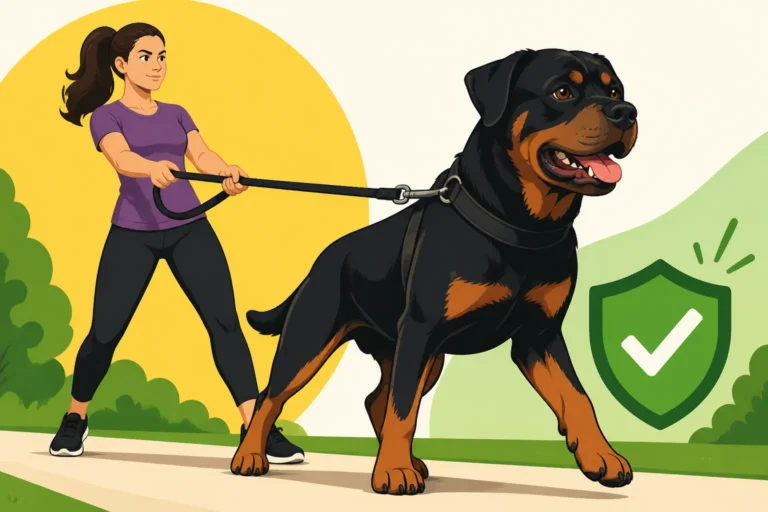
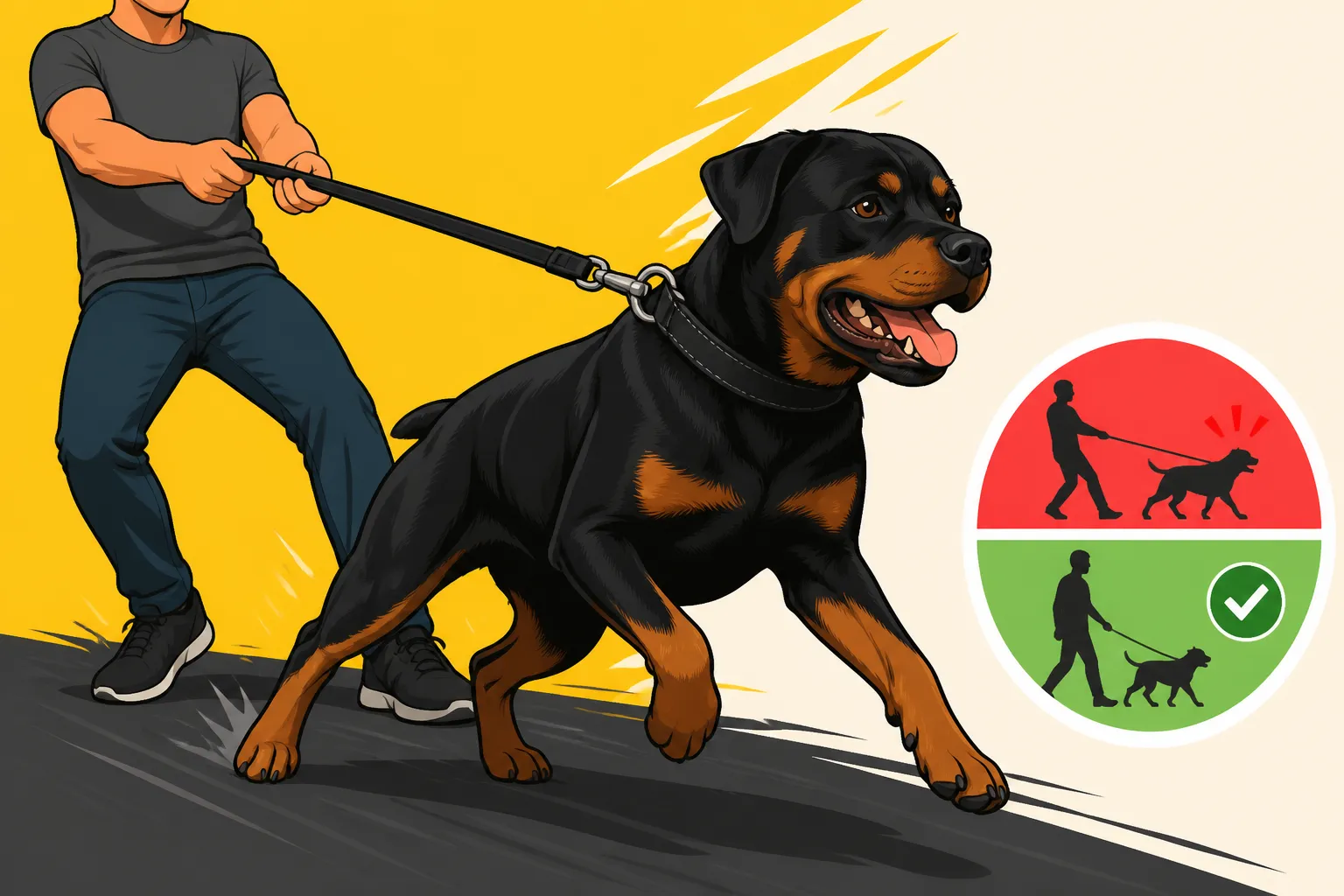
There's nothing quite like the feeling of being dragged down the street by a hundred-pound Rottweiler who's decided that squirrel across the road is a matter of life and death, or that the patch of grass two blocks away holds secrets only they can uncover. It's frustrating, it's exhausting, and let's be honest, it can be downright dangerous for both you and your beloved companion. This comprehensive guide is here to tackle that very real struggle head-on, offering practical insights and actionable strategies to transform those dread-filled walks into enjoyable, loose-leash strolls you both deserve.
The Sheer Reality of a Pulling Rottweiler
Bringing home a Rottweiler puppy is a joyous occasion, filled with dreams of harmonious walks and respectful companionship. However, as they grow, their immense strength becomes undeniable, and a pulling habit that was merely annoying in a 30-pound pup can become a serious problem in a 100-pound adult. Many of us have been there, feeling that jolt in our shoulder, the burning in our hand, or worse, the fear of losing control entirely.
The Physical Toll on You and Your Dog
When your Rottweiler pulls, it's not just an inconvenience; it's a physical strain on both ends of the leash. For you, it can mean sore shoulders, a strained back, or even wrist injuries from sudden jerks. It can feel like a constant tug-of-war, leaving you drained rather than refreshed after a walk. And let's not forget the sheer embarrassment when your dog drags you past neighbors, making you feel completely out of control.
But it's not just hard on us. Consider the impact on your Rottweiler. A dog constantly pulling against a flat collar puts immense pressure on their trachea, potentially causing damage or discomfort. This pressure can lead to coughing, gagging, and even long-term throat issues. Their neck and spine absorb the force of every lunge, which, over years, could contribute to discomfort or injuries, particularly given their predisposition to orthopedic issues. A dog that is constantly tense and pulling isn't truly enjoying their walk; they're in a state of high arousal, missing out on the calm sniffing and exploration that makes walks enriching. How Rottweiler Weight Multiplies the Load on Its Hips
The Impact on Your Daily Life and Socialization
Beyond the physical stress, a pulling Rottweiler can severely limit your shared experiences. Many owners find themselves avoiding walks altogether, or only taking their dog out at odd hours to minimize encounters with other people or dogs. This isolation isn't fair to your Rottweiler, a breed that thrives on mental stimulation and appropriate socialization. If you can't confidently control your dog on a leash, you might shy away from taking them to dog-friendly patios, local parks, or even for a simple stroll around the block.
This lack of exposure can, in turn, exacerbate other behavioral issues. A dog that isn't regularly exposed to the world in a controlled, positive manner might become more reactive, fearful, or even aggressive when they do encounter new stimuli. The cycle is tough: your dog pulls, you limit walks, your dog becomes less socialized, and the pulling—or other issues—get worse. Breaking this cycle is essential not only for your peace of mind but for your Rottweiler's overall well-being and quality of life.
Why Rottweilers Pull: Instinct, Environment, and Experience
It's easy to get frustrated when your Rottweiler pulls, believing they're deliberately being disobedient. However, understanding why they pull is the first step toward finding a solution. It's rarely out of malice; it's usually a combination of deep-seated instincts, lack of proper training, and the overwhelming sensory experience of the outside world.
Understanding Their Natural Drives
Rottweilers are a working breed, originally developed as drover dogs, herding cattle to market. This history imbues them with certain powerful instincts. They possess a natural drive to move forward, to investigate, and to use their considerable strength. Imagine a dog bred to move livestock – a little resistance on a leash isn't going to stop them from wanting to investigate a new smell or chase a critter. They have powerful bodies, incredible stamina, and a strong sense of purpose. When they feel the slight pressure of a leash, their natural inclination can be to pull into it, rather than yield to it.
Furthermore, many Rottweilers have a strong prey drive. A flickering bird, a scampering rabbit, or even a blowing leaf can trigger an intense desire to chase. When this instinct kicks in, all the polite leash manners they might have learned can vanish in an instant, replaced by a surge of pure, unadulterated drive. It's a powerful impulse that can be incredibly difficult to override without consistent, dedicated training. Rottweiler Prey Drive Around Cats
The Role of Insufficient Early Training
Many leash-pulling habits begin innocently in puppyhood. A small Rottweiler puppy pulling on a leash might seem cute, or at least manageable. We might even inadvertently reward the pulling by continuing to move forward whenever they tug, effectively teaching them, "If I pull, I get to go where I want." This accidental reinforcement builds a strong habit that becomes incredibly hard to break once that puppy weighs over 100 pounds.
Consistency is key, and often, busy owners might not have the time or knowledge to implement consistent loose-leash training from day one. They might use different methods, different family members might walk the dog differently, or training might simply fall by the wayside. Without a clear, consistent message that pulling gets them nowhere, and loose-leash walking earns rewards, a Rottweiler will naturally default to using their strength to get what they want. Training a Rottweiler Before It Outweighs You
Environmental Triggers and Over-Stimulation
The world outside your home is a cacophony of sights, sounds, and smells for your dog. For a Rottweiler, with their keen senses, every walk can be an overwhelming experience. A new smell on a lamppost, the sound of a distant car backfiring, another dog barking, or a person approaching can all be incredibly stimulating. This over-stimulation can lead to excitement, anxiety, or curiosity, all of which manifest as pulling on the leash.
Some dogs, especially those without extensive early Rottweiler Socialization Before Sixteen Weeks, might feel overwhelmed or even threatened by new environments, leading them to pull as a way to either escape or get closer to something they perceive as interesting or concerning. It's important to remember that for your Rottweiler, the world is a giant, exciting (or sometimes scary) place, and their instinct is often to explore it with all the force their powerful bodies can muster.
Choosing the Right Tools for the Job
Before you even begin training, having the right equipment is absolutely crucial, especially with a dog as powerful as a Rottweiler. Relying solely on a flat collar for a strong puller is not only ineffective but can be harmful. The right tools can give you better control, make training easier, and ensure your dog's comfort and safety. You can find many of these options through retailers like Amazon, which offers a wide selection of heavy-duty gear suitable for large breeds.
Why a Flat Collar Isn't Enough (and Can Be Harmful)
For a Rottweiler that pulls consistently and with significant force, a standard flat collar offers very little leverage or control. The pressure it applies is directly on their throat, which can cause discomfort, coughing, choking, and potentially serious tracheal damage over time. Imagine constantly having pressure on your windpipe – it's no way to enjoy a walk! This discomfort can also lead to negative associations with walks, making your dog even more anxious or resistant.
Moreover, a Rottweiler's neck is thick and strong. If they decide to lunge, they can easily slip out of a poorly fitted flat collar, posing a serious safety risk for both your dog and the public. For safety and humane reasons, a flat collar should generally be reserved for holding ID tags and, perhaps, for already well-trained dogs walking politely on a loose leash. It's simply not designed to manage the strength of a determined Rottweiler puller.
Exploring Harnesses: Front-Clip vs. Back-Clip
Harnesses offer a more humane and often more effective alternative to flat collars for managing a pulling Rottweiler. The key is understanding the difference between front-clip and back-clip harnesses.
-
Back-Clip Harnesses: These harnesses have the leash attachment ring on your dog's back, usually between their shoulder blades. While they distribute pressure across the chest and shoulders, they often do very little to discourage pulling. In fact, for a powerful breed like a Rottweiler, a back-clip harness can inadvertently engage their natural opposition reflex, essentially turning them into a sled dog. They can lean into the harness and pull even harder, using their full body weight. These are great for dogs who already walk nicely or for activities like car rides, but typically not for addressing pulling issues.
-
Front-Clip Harnesses: This is where the magic often happens for pullers. A front-clip harness has the leash attachment ring on your dog's chest. When your Rottweiler tries to pull forward, the leash connection redirects their momentum to the side, gently turning them back toward you. This makes it physically difficult for them to pull in a straight line, and it teaches them that pulling actually makes them change direction, not go forward. This subtle redirection is often enough to significantly reduce pulling, making walks much more manageable and less stressful for both of you. Brands like Easy Walk and Balance Harness are popular and can be found on platforms like Amazon in sizes appropriate for a sturdy Rottweiler. Harness Hardware That Holds a Pulling Rottweiler
The Head Halter: A Game Changer for Strong Pullers
For some Rottweilers, especially those with an extremely strong pulling habit or intense reactivity, a head halter can be an absolute game-changer. Often confused with muzzles (though some can resemble them), a head halter works much like the halter on a horse. It fits around your dog's muzzle and behind their ears, with the leash attaching under their chin. When your dog pulls, the pressure is applied to the nose and the back of the head, gently turning their head, which in turn directs their body.
The advantage of a head halter is that where the head goes, the body follows. You have much more control over your dog's direction and focus. It's not about forcing them, but about providing a clear, gentle signal that pulling won't work and that they need to pay attention to you. It's crucial to introduce a head halter slowly and positively, pairing it with treats and praise, so your dog develops a positive association with it. Never just snap it on and go for a walk. Allow them to wear it for short periods with high-value rewards, building up their comfort level. A well-fitted head halter, like those from Gentle Leader or Halti, can offer immediate relief from pulling and help you gain confidence on walks.
Here's a quick comparison of popular leash walking aids for Rottweilers:
| Tool Type | Pros | Cons | Best Use Case |
|---|---|---|---|
| Flat Collar | Holds ID tags, simple, common | No control for pullers, tracheal pressure, easy to slip out | Well-trained dogs, holding ID, short transfers |
| Back-Clip Harness | Distributes pressure, comfortable for non-pullers, good for car safety | Encourages pulling, little control for strong dogs | Dogs that already walk well, car safety, general comfort |
| Front-Clip Harness | Redirects pulling, humane, easy to use, less neck strain | Can rub in armpits if ill-fitting, dog might try to chew it | Moderate to strong pullers, ongoing training |
| Head Halter | Excellent control, redirects focus, very effective for strong pullers | Requires positive introduction, can be mistaken for a muzzle, some dogs dislike it | Very strong pullers, reactive dogs, advanced control needed |
Implementing Effective Loose-Leash Training
Once you have the right tools, it's time to dive into the training. Consistency, patience, and positive reinforcement are your best friends here. Remember, you're teaching your Rottweiler a new skill against deeply ingrained habits, so don't expect overnight miracles. Just like teaching a child to ride a bike, it takes practice and encouragement. Rottweiler Puppy Training Through the First Year
Starting with Basics: Foundation and Consistency
The foundation of loose-leash walking starts long before you even leave the house. Begin with short training sessions indoors or in a low-distraction yard. The goal is to teach your Rottweiler that walking politely next to you, with a loose leash, is the most rewarding behavior.
- Lure and Reward: Hold a high-value treat (something your Rottweiler absolutely loves) at your side, by your hip, where you want their head to be. Take a few steps. As long as the leash remains slack and your dog is walking nicely beside you, give them the treat and praise them enthusiastically. If they pull, immediately stop moving. Stand still, like a tree, until the leash slackens. The moment it goes slack, even for a second, praise and resume walking. This teaches them that pulling makes the walk stop, while a loose leash makes it continue (and earns them a reward!).
- Change of Direction: This is a powerful technique. As soon as your Rottweiler starts to forge ahead or pull, abruptly change direction. Turn 90 degrees, or even 180 degrees. If they're pulling, they'll be caught off guard and have to reorient themselves to catch up to you. When they do, and the leash is loose, reward them. Repeat this frequently. It forces them to pay attention to you, rather than just pulling blindly forward. Teaching a Rottweiler Not to Pull at 110 Pounds
Remember that little steps lead to big victories. Don't try to go for a long walk around a busy park immediately. Start with short bursts of success, gradually increasing duration and distraction. BAXTER & Bella offers excellent online programs that can guide you through these foundation steps with clear, structured lessons, making it easier to maintain consistency across the household.
Techniques for Redirection and Reward
Once your Rottweiler understands the basics in a low-distraction environment, you can introduce more sophisticated techniques for redirection and reward during actual walks.
- The "Look at Me" Command: This is invaluable for gaining your Rottweiler's attention when distractions arise. Practice it indoors first: hold a treat to your eye level, say "Look at me," and as soon as your dog makes eye contact, reward them. Gradually introduce this outdoors. When you see a potential distraction (another dog, a person, a squirrel), preemptively ask for "Look at me." Reward them for choosing to focus on you instead of the distraction. This is a powerful way to redirect their attention before they even have a chance to pull.
- Treat Scatter: For dogs that get overly focused on a scent or object, a treat scatter can be a great redirection tool. Instead of pulling them away, toss a handful of small, high-value treats on the ground near you. This encourages them to sniff the ground at your feet, breaking their intense focus on the distraction and giving you a moment to move past it while they're engaged in a calm, rewarding activity. Once they've eaten the scattered treats, you can resume walking.
Consistency with rewards is paramount. Always have treats with you – small, soft ones that are easy for your Rottweiler to eat quickly without stopping the flow of the walk. Praise is also a powerful reward; use a happy, enthusiastic tone when they're doing well. The goal is to make walking politely more rewarding than pulling.
Real-World Application and Consistency
Taking your training from your quiet backyard to a bustling street requires patience and a systematic approach. Don't get discouraged if your Rottweiler regresses in a new environment; it's perfectly normal.
- Gradual Exposure: Start with areas that have minimal distractions, like a quiet street early in the morning. As your Rottweiler improves, gradually increase the level of distraction. If they start pulling again, simply reduce the distraction level until they're successful, then try again. This might mean starting with short loops around your block before tackling the local park.
- Pocket Treats and a Training Pouch: Make it easy on yourself. A training pouch or fanny pack filled with high-value treats is essential. Having treats readily available means you can reward the moment your Rottweiler offers a loose leash, reinforcing the behavior instantly. Delaying a reward by fumbling for treats diminishes its effectiveness.
- Manageable Expectations: Understand that not every walk will be perfect, especially with a powerful, intelligent breed like a Rottweiler. Some days, they'll be more energetic or distracted than others. Focus on small improvements and celebrate every moment of loose-leash walking, no matter how brief. Over time, these moments will add up. Remember The Exercise That Damages a Growing Rottweiler and be mindful of your Rottweiler's physical development, especially when they are young.
When to Call in the Cavalry: Professional Help
While many leash-pulling issues can be resolved with consistent at-home training, there are times when seeking professional help is not just advisable, but necessary. Don't view it as a failure; view it as an investment in a better relationship with your Rottweiler.
Recognizing When You Need More Than DIY
You might need professional assistance if:
- You're making no progress: Despite consistent effort and using the right tools, your Rottweiler's pulling isn't improving, or is even getting worse.
- You feel overwhelmed or unsafe: If you genuinely fear losing control of your Rottweiler, or if you've been injured during walks, it's time for expert intervention.
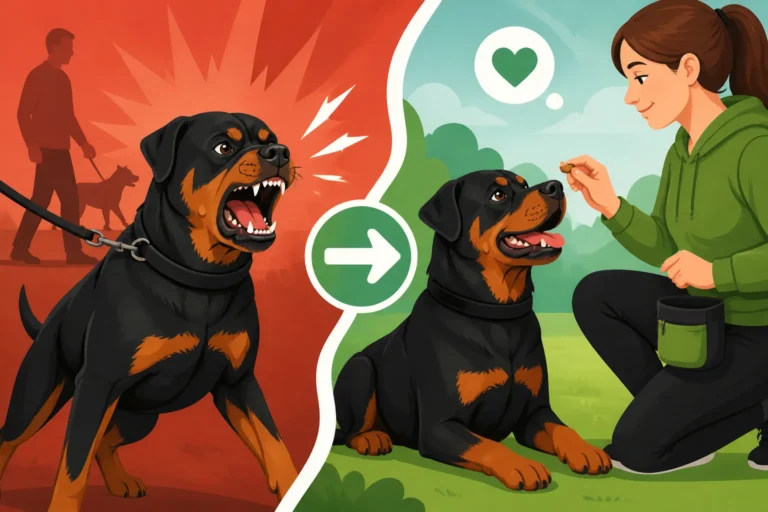
- Reactivity is a factor: If your Rottweiler's pulling is coupled with lunging, barking, or growling at other dogs, people, or vehicles (what's often called "leash reactivity"), this requires a more specialized approach than basic loose-leash training alone. Rottweiler Reactivity That Starts on Walks
- Your dog exhibits fear or aggression: If pulling is accompanied by signs of fear (tucking tail, trying to bolt) or aggression (hard stares, snapping), a professional behaviorist is crucial.
These situations often indicate underlying issues that go beyond simple pulling and require a deeper understanding of canine behavior, which a professional can provide.
Finding a Qualified Rottweiler Trainer
Not all dog trainers are created equal, and finding one with specific experience with powerful breeds like Rottweilers is a huge advantage. Look for trainers who:
- Specialize in large breeds or working breeds: They'll understand the strength and unique drives of a Rottweiler and won't be intimidated.
- Use positive reinforcement methods: While some balanced trainers might be effective, ensure their methods prioritize rewarding desired behavior over punishing unwanted behavior. Avoid trainers who rely heavily on force, intimidation, or harsh corrections, as these can damage your bond with your Rottweiler and potentially exacerbate reactivity or fear.
- Offer one-on-one sessions: Group classes can be overwhelming for a dog with pulling or reactivity issues. Individual sessions allow the trainer to focus solely on your dog's specific needs and teach you how to implement the training effectively. Finding a Rottweiler-Experienced Trainer Near You
- Are certified and experienced: Look for certifications from reputable organizations (e.g., CCPDT, KPA-CTP, IAABC) and ask for references.
Don't hesitate to interview a few trainers. A good trainer will be happy to discuss their methods, experience, and approach before you commit. They should be transparent and make you feel comfortable and empowered.
Considering Advanced Training or Behavior Consults
Sometimes, the issue isn't just pulling, but deep-seated behavioral patterns that require the expertise of a certified canine behaviorist. This is particularly true if anxiety, fear, or aggression are driving the pulling behavior. A behaviorist can conduct a thorough assessment, diagnose underlying causes, and develop a comprehensive behavior modification plan that might include management strategies, desensitization, counter-conditioning, and sometimes, even medication in severe cases.
Additionally, after you've made significant progress with loose-leash walking, you might consider enrolling in advanced obedience classes or even canine good citizen (CGC) courses. These can help reinforce good manners in more distracting environments and strengthen your bond and communication with your Rottweiler. A well-trained Rottweiler is a joy to behold, and continuing their education throughout their life ensures they remain a polite and well-adjusted companion. Canine Good Citizen With a Rottweiler
Maintaining Good Leash Manners Throughout Life
Training a Rottweiler for loose-leash walking isn't a one-and-done deal; it's an ongoing commitment. Like any skill, it requires maintenance and reinforcement. Life changes, environments shift, and your Rottweiler ages, all of which can impact their leash manners.
Continued Reinforcement and Practice
Just because your Rottweiler has mastered loose-leash walking doesn't mean you can stop rewarding them or practicing. Life happens: they might have an off day, encounter a particularly enticing scent, or be feeling a little more rambunctious than usual. Continue to carry treats, even if you don't use them on every walk. Randomly reward good behavior with praise or a small treat to keep the positive association strong.
Regular practice in varied environments helps solidify their training. Don't just walk the same route every day; explore new areas, expose them to different sounds and sights, and gently challenge their focus. The more they practice walking politely in diverse situations, the more resilient their good manners will become. Consider it like muscle memory for good behavior – the more you use it, the stronger it gets.
Adapting to Age and Physical Changes
As your Rottweiler matures and eventually enters their senior years, their physical capabilities and needs will change. A younger, more energetic Rottweiler might need more active training and longer walks, while an older dog might benefit from shorter, more frequent strolls. Be mindful of their joint health; a senior Rottweiler with Senior Rottweiler Mobility Decline might find pulling more uncomfortable or might be more prone to losing balance if they pull aggressively.
If your Rottweiler develops arthritis or other mobility issues, adjust your expectations and perhaps switch to a comfortable front-clip harness to minimize strain. An older dog might also experience cognitive changes that affect their focus or responsiveness. Continue to be patient, use positive reinforcement, and consult your veterinarian or a professional trainer if you notice significant changes in their behavior or ability to walk politely on a leash. Their comfort and well-being should always be your top priority.
The Lifetime Reward of a Well-Mannered Companion
Ultimately, the effort you put into teaching your Rottweiler impeccable leash manners will pay dividends throughout their entire life. Imagine the freedom of being able to take your beloved companion anywhere, knowing they will walk politely by your side, allowing you to enjoy the scenery, interact with people, and explore the world together. This isn't just about control; it's about building trust, strengthening your bond, and ensuring that every outing is a positive, enriching experience for both of you.
A Rottweiler who walks calmly on a leash is a testament to dedicated ownership and a fantastic ambassador for the breed. It dismantles negative stereotypes and showcases their true nature: intelligent, loyal, and capable companions when given the right guidance. So, keep at it, stay patient, and enjoy the incredible journey of raising a well-mannered Rottweiler. What Actually Adds Years to a Rottweiler
Disclaimer
This article is for general informational purposes only and does not constitute professional advice. Laws, prices and regulations vary by location and change over time. Consult a qualified professional for guidance on your specific situation.