Why a Rottweiler Must Be Trained Before It Grows
It’s a common sight: a tiny, fuzzy Rottweiler puppy, all clumsy paws and adorable wrinkles, melting hearts everywhere it goes. What many first-time owners might not fully grasp is just how quickly that charming fluff ball will transform into a formidable, powerful dog weighing over 100 pounds. Waiting until your Rottweiler is already bigger than you to start serious training is a recipe for immense frustration and potential challenges down the line. This guide will delve deep into why early, consistent training is not just a good idea, but an absolute necessity for every Rottweiler owner, setting both you and your loyal companion up for a lifetime of success and harmony.
The Astonishing Growth Rate of a Rottweiler Puppy
One of the biggest eye-openers for new Rottweiler owners is the sheer pace at which these dogs develop. They don't just grow; they explode in size and strength, often surprising even those who thought they were prepared. This rapid physical maturation means that what might be a minor, manageable behavioral quirk in a small puppy can quickly become a significant, dangerous problem in a large adolescent.
From Tiny Terror to Towering Toddler
Think about it: a Rottweiler puppy can gain several pounds a week in its first few months. You bring home an eight-week-old pup that weighs maybe 15-20 pounds, easy to scoop up and cuddle. Fast forward just a few months, and that same puppy is now a 60-80 pound bundle of energy, still mentally a puppy but physically a force to be reckoned with. By the time they hit their first birthday, many males are well over 100 pounds, and females are often close behind. This isn't just about weight; it's about sheer muscle mass, jaw strength, and a growing confidence that needs appropriate guidance.
This rapid physical development often outpaces their mental maturity. They might look like adults, but their brains are still very much in the "teenage" phase, testing boundaries and exploring their world with boundless enthusiasm. A playful nip from an eight-week-old is one thing; a full-strength, enthusiastic mouth from a 70-pound pup is entirely another. This is why Rottweiler Growth Plates and Why They Close So Late is such a critical topic – their bones are still developing even as their body size becomes substantial.
The Misconception of Puppyhood Duration
Many people assume "puppyhood" lasts for a few months, and then their dog is magically an adult. With Rottweilers, this couldn't be further from the truth. While the fastest growth in terms of height and weight happens in the first year, a Rottweiler isn't truly done growing and maturing until they are closer to two or even three years old. Their joints are still vulnerable, their hormones are fluctuating, and their understanding of the world is constantly expanding.
This extended adolescence means that training isn't a "one and done" affair. It's an ongoing process that starts the moment they arrive home and continues throughout their developmental stages. If you delay, you're not just postponing a few lessons; you're missing crucial windows where their minds are most receptive and their habits are being formed. Imagine trying to teach a 120-pound dog not to pull on the leash when they've been allowed to do so for months – it's a battle of wills and strength that could have been entirely avoided with early intervention.
Why Early Training Isn't Just "Nice," It's Non-Negotiable
Given their size, strength, and inherent guarding instincts, a well-trained Rottweiler isn't just a pleasure to live with; it's a societal imperative. Owners have a responsibility to ensure their powerful dogs are respectful, well-mannered, and safe in all situations. This starts with dedicated, early training that establishes a clear framework for behavior.
Managing Physical Strength and Size
A full-grown Rottweiler is a powerful animal. Males can easily stand over two feet tall at the shoulder and weigh upwards of 120 pounds. Females, while typically smaller, are still incredibly strong, often exceeding 90 pounds. This isn't a breed you can easily physically overpower once they've reached maturity, especially if they decide to pull on the leash, jump on guests, or chase after a squirrel.
Early training focuses on teaching fundamental commands like "sit," "stay," "come," and "leave it," but more importantly, it teaches self-control. It builds the habit of deferring to your guidance before they develop the physical prowess to ignore it. A puppy that learns to walk nicely on a leash at 20 pounds will have a much easier time maintaining those manners at 100 pounds. Without early intervention, you risk ending up with a dog that dictates the walk, pulls you off your feet, or bowls over visitors unintentionally. Rottweiler Leash Pulling at Adult Weight is a serious concern for many owners, and it's best addressed before it becomes a ingrained habit.
Shaping a Powerful Mind
Rottweilers are intelligent dogs, often described as having a "thinking" nature. They are observant, and they learn quickly – both good habits and bad ones. If you don't actively shape their minds with positive reinforcement and clear boundaries from day one, they will find ways to entertain themselves and establish their own rules, which may not align with yours.
Early training taps into this intelligence when they are most impressionable. It helps them understand what is expected, how to interact appropriately with the world, and how to control their natural instincts. This isn't about "breaking their spirit"; it's about channeling their innate drive into constructive behaviors. For instance, a Rottweiler's natural guarding instinct can be a wonderful trait when properly guided, but without early socialization and training, it can escalate into inappropriate aggression or fear-based reactivity. Rottweiler Aloofness and Why It Reads as Cold is a key part of their temperament that needs to be understood and guided through early interaction.
Establishing Leadership and Trust
Training is fundamentally about communication and building a relationship. When you start training early, you establish yourself as a consistent, reliable leader who provides structure and guidance. This isn't about dominance in an old-fashioned, punitive sense. It's about being the benevolent provider of resources, safety, and clear rules. Your Rottweiler learns to trust your judgment and looks to you for direction.
This early bond built through training is crucial for a breed as confident and discerning as the Rottweiler. They thrive on clear expectations and a predictable routine. Without this foundation, your dog might become confused, anxious, or even decide they need to take charge, which can lead to behavioral issues. Regular training sessions, even short ones, reinforce your role and strengthen the bond of trust, making your Rottweiler a more secure and cooperative companion.
Foundational Training: What to Prioritize First
When that fluffy puppy first bounds into your home, it can feel overwhelming to know where to start. But prioritizing a few key areas of training right away will make a world of difference as your Rottweiler grows. These foundational skills are the building blocks for a well-behaved adult.
Bite Inhibition and Mouth Manners
Perhaps the most critical skill for any large breed puppy, especially a Rottweiler, is bite inhibition. Puppies naturally explore the world with their mouths, and they play-bite each other. They learn how much pressure is "too much" from their littermates and mother. When they come to your home, you become the teacher for appropriate mouth use with humans. Teaching a Rottweiler Puppy That Teeth Hurt is a lesson that needs to be taught early and gently.
This involves yelping loudly if their teeth touch your skin during play, immediately stopping play, and disengaging. They quickly learn that hard bites make the fun stop. As they get older, the goal shifts from teaching them to inhibit their bite to teaching them not to put their mouth on people at all, unless gently taking a treat. Providing appropriate chew toys – sturdy ones you can find on Amazon that stand up to a Rottweiler's powerful jaws – and redirecting mouthing onto these toys is essential.
Leash Walking Before They Outweigh You
A Rottweiler pulling on a leash is not just annoying; it can be dangerous. An adult Rottweiler can easily drag a person, especially if they suddenly lunge after something. Teaching loose-leash walking from day one, when they are small and manageable, is paramount. Start with short sessions in a quiet environment, rewarding them for walking calmly beside you.
Use a flat buckle collar or a well-fitted front-clip harness. Avoid harsh corrections or choke chains, especially on a developing puppy, as this can damage their neck and trachea and create negative associations with walks. The goal is to make walking a pleasant experience for both of you. Consistency is key here; every walk, no matter how short, is a training opportunity.
Crate Training for Safety and Sanity
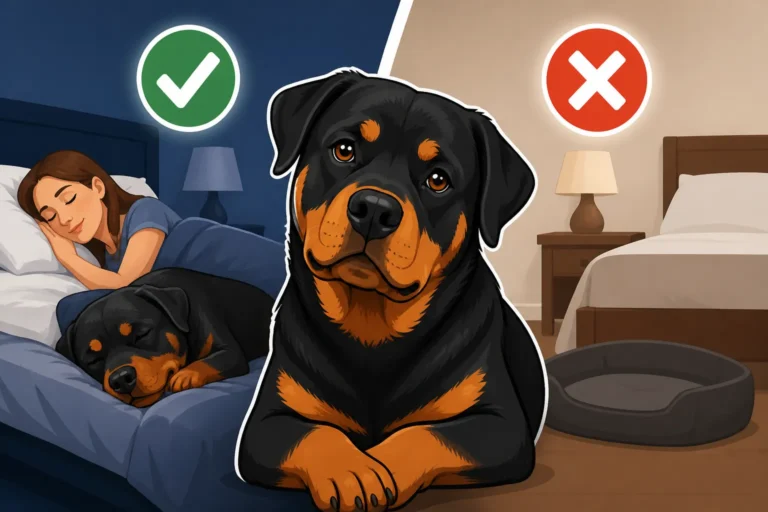
Crate training is invaluable for Rottweilers. It provides a safe, den-like space for your puppy, aids in house training, prevents destructive chewing when unsupervised, and can be a lifesaver in emergency situations (like vet visits or evacuations) where your dog needs to be confined comfortably. Crate Training a Rottweiler That Cries at Night can be challenging, but it's crucial for their long-term well-being and your sleep!
Introduce the crate positively, making it a place of comfort with treats, toys, and soft bedding. Never use the crate as punishment. Gradually increase the time they spend in it, always making it a good experience. A crate that is appropriately sized for an adult Rottweiler (allowing them to stand, turn around, and lie down comfortably) is a significant initial investment, but one that pays dividends in peace of mind.
Socialization: Beyond Just Meeting Dogs
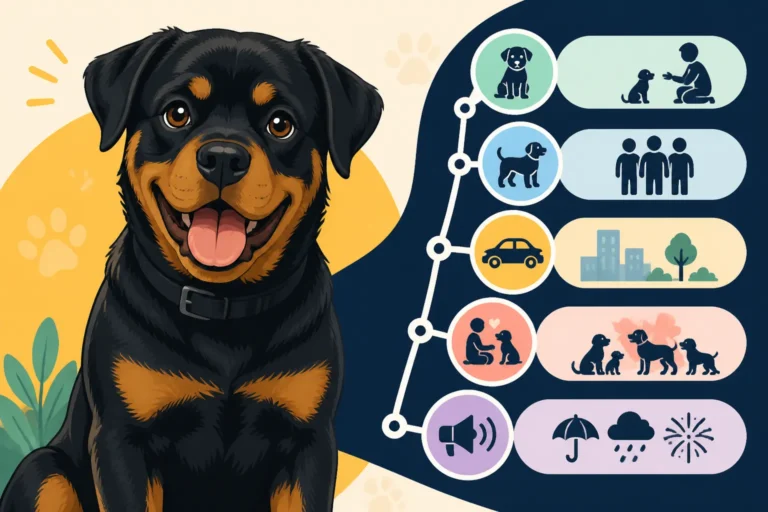
Socialization for a Rottweiler is far more than just letting them play with other puppies. It's about exposing them to a wide variety of positive experiences, sights, sounds, people, and environments during their critical developmental window (roughly up to 16 weeks). This helps them develop into confident, well-adjusted adults who are not fearful or reactive to novel situations. Rottweiler Socialization Before Sixteen Weeks should be a top priority.
This means safely introducing them to friendly strangers of different ages, genders, and appearances. It means exposing them to different sounds (traffic, alarms, children playing), different surfaces (grass, pavement, stairs), and different environments (parks, stores where dogs are allowed, car rides). Always aim for positive, low-stress experiences, and reward calm, curious behavior. A well-socialized Rottweiler will be much more adaptable and less prone to fear-based aggression or anxiety later in life.
Common Pitfalls of Delaying Rottweiler Training
It's tempting to think you can "start later" once your puppy is past the zoomies or once you have more time. However, with a Rottweiler, delaying training can lead to significant behavioral problems that are far more challenging – and sometimes impossible – to correct in adulthood.
The "Too Big to Handle" Syndrome
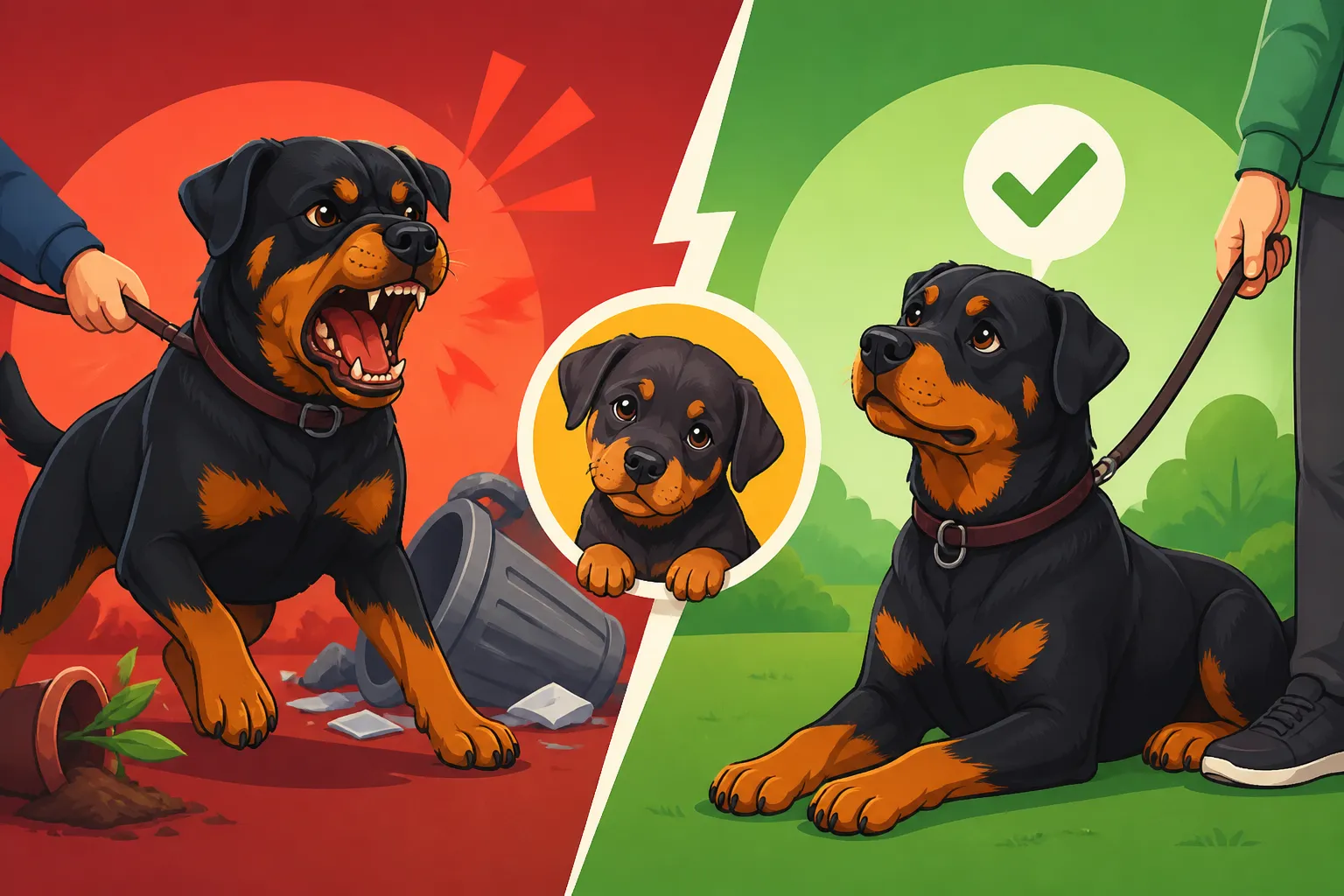
This is the most direct consequence of delaying training. What was a minor nuisance at 30 pounds becomes a serious safety concern at 100 pounds. A playful jump on a guest can knock them over. A lunge at another dog on the leash becomes a wrestling match you're likely to lose. Many owners find themselves physically incapable of managing their large, untrained Rottweiler, leading to walks becoming stressful, visitors being avoided, and the dog being increasingly confined.
This syndrome not only strains the owner-dog relationship but can also lead to the Rottweiler being misunderstood or, sadly, surrendered to a shelter. No one wants to live with a dog they can't control, and for a powerful breed like the Rottweiler, this lack of control can quickly lead to dangerous situations. The investment in early training is an investment in your safety, your dog's future, and the reputation of the breed.
Behavior Problems Magnified
Without early guidance, common puppy behaviors don't just disappear; they often escalate and become deeply ingrained habits. Chewing, for example, is normal for puppies. But if not redirected onto appropriate toys, a full-grown Rottweiler with a powerful jaw can quickly destroy furniture, doors, or anything they can get their teeth on. Similarly, a puppy that's allowed to jump on people will continue to do so, causing much more significant impact as an adult.
Resource guarding, a natural instinct for many dogs including Rottweilers, can also become a major problem if not addressed early. A puppy might growl over a favorite toy; an adult Rottweiler might become aggressive when someone approaches their food bowl or a valuable item. Early intervention teaches them that humans are not a threat to their resources and that trading up for a better item is a positive experience. Rottweiler Resource Guarding at Home is a prime example of a behavior that needs careful management from a young age.
Relationship Breakdown and Frustration
When a dog is consistently misbehaving and the owner feels powerless to stop it, the relationship inevitably suffers. Frustration, resentment, and even fear can replace the initial joy of puppy ownership. The dog senses this tension, which can lead to more anxiety or defiance on their part, creating a vicious cycle.
An untrained Rottweiler often leads a more restricted life. They might not be able to go to public places, visit friends, or enjoy off-leash adventures because their behavior is unreliable. This not only limits their experiences but also impacts their quality of life, potentially leading to boredom, stress, and further behavioral issues. Early, positive training fosters a strong, respectful bond, making your Rottweiler a truly integrated and cherished member of your family.
Resources and Support for Your Training Journey
Embarking on a Rottweiler training journey might seem daunting, but thankfully, there are many excellent resources available to help you succeed. From professional guidance to online communities and essential gear, support is readily available.
Professional Trainers Who Understand Rottweilers
One of the best investments you can make is finding a professional dog trainer who has experience with large, powerful breeds like Rottweilers. Look for trainers who use positive reinforcement methods and focus on building a strong, trust-based relationship. Avoid trainers who advocate for harsh, punitive methods, as these can be detrimental to a Rottweiler's temperament and bond with you.
A good trainer can guide you through puppy classes, which offer controlled socialization and teach basic obedience in a group setting. They can also provide private lessons tailored to your specific needs and challenges. Interview potential trainers, ask about their experience with Rottweilers, and observe a class or session before committing. They can provide invaluable insight into Why Rottweiler Training Cannot Wait Until Six Months and help you navigate the unique challenges of the breed.
Online Courses and Community Support
For those who might not have access to local Rottweiler-experienced trainers or prefer a more flexible learning schedule, online training platforms can be incredibly helpful. Many offer comprehensive courses that walk you through puppy raising and basic obedience step-by-step. For example, BAXTER & Bella offers an extensive online program that provides lifetime access, live Q&A sessions, and a supportive community, covering everything from puppy foundations to more advanced behaviors. This kind of resource can be invaluable, especially during those critical first few months when early training is so important.
Joining online forums or local breed-specific groups can also provide a wealth of knowledge and support. Connecting with other Rottweiler owners means you can share experiences, ask questions, and get advice from those who truly understand the breed's nuances. Just remember to critically evaluate advice and prioritize recommendations from certified professionals.
Essential Gear for Training Success
Having the right tools can make training much easier and more effective. Here’s a quick overview of what you'll need:
| Gear Type | Purpose | Key Features for Rottweilers |
|---|---|---|
| Crate | House training, safe space, management | Sturdy metal or heavy-duty plastic, appropriately sized for adult weight (e.g., 48-inch for males, 42-inch for females), secure latches. Dividers are useful for puppies. |
| Leash | Walking, control | Six-foot length, durable material (nylon, leather, biothane), strong hardware. Avoid retractable leashes which offer little control. |
| Harness | Walking, preventing pulling, alternative to collar | Front-clip or no-pull design for better leverage, strong buckles and D-rings, comfortable padding, escape-proof design. Ensure it fits snugly but doesn't chafe. |
| Collar | ID tags, light control | Sturdy buckle collar, wide enough not to dig in, clear identification tags with contact info. |
| High-Value Treats | Motivation, reward for good behavior | Small, soft, easily digestible, and highly palatable (e.g., cut-up hot dogs, cheese, boiled chicken). Use sparingly and keep training sessions short. |
| Chew Toys | Redirecting inappropriate chewing, mental stimulation | Durable, Rottweiler-proof materials (e.g., solid rubber, Nylabone power chews, Kong extreme). Look for toys that can be stuffed with treats to extend engagement. Many great options are available on Amazon. |
| Puzzle Toys | Mental enrichment, slow feeding | Designed to make your dog work for their food or treats, preventing boredom and encouraging problem-solving. Size appropriate for a Rottweiler's mouth and strength. |
| Long Line | Recall practice in safe, open areas | 15-30 feet long, durable, lightweight material. Used for teaching recall before your Rottweiler is fully reliable off-leash. |
Investing in quality gear that can withstand the strength and enthusiasm of a growing Rottweiler will save you money in the long run and provide safer, more effective training tools. Remember, training is an ongoing process, and having the right support and equipment makes all the difference.
Disclaimer
This article is for general informational purposes only and does not constitute professional advice. Laws, prices and regulations vary by location and change over time. Consult a qualified professional for guidance on your specific situation.