Rottweiler Resource Guarding at Home
It can be incredibly disheartening, and frankly, a little scary, when your beloved Rottweiler starts to act possessive over a toy, their food bowl, or even a spot on the couch. What often begins as a subtle stiffening or a hard stare can escalate, leaving you feeling unsure, frustrated, and worried about what might happen next. This comprehensive guide is here to walk you through understanding resource guarding in Rottweilers, helping you identify its signs, implement preventative measures, and manage existing behaviors to ensure a safe and harmonious home for everyone.
Understanding What Resource Guarding Actually Is
Resource guarding, at its core, is a completely natural canine behavior. In the wild, or even among feral dog populations, possessing valuable resources like food, mates, or prime resting spots is crucial for survival. A dog that couldn't protect its meal from a rival would simply starve. When we bring dogs into our homes, we ask them to suppress these deep-seated instincts in an environment where resources are generally abundant and competition is not the norm. However, the instinct never truly vanishes; it merely adapts to the domestic setting.
The Instinct Behind the Behavior
Imagine for a moment your dog's ancestral wolf. Every morsel of meat, every warm den, was a treasure to be defended. This isn't about malice or aggression; it's about self-preservation. When a dog guards, they are communicating, in their own way, that something is highly valuable to them and they don't want to lose it. It's a primal message: "This is mine, and I intend to keep it." This instinct is woven into the very fabric of canine behavior, manifesting in various ways, from a subtle shift in body posture to overt growling and snapping.
Understanding this natural origin is key to approaching resource guarding without taking it personally or labeling your dog as "dominant" or "bad." It's just a dog being a dog, expressing a powerful, innate drive. Our job as responsible owners is not to eliminate the instinct entirely – that's impossible – but to manage it and teach our dogs more appropriate, safer ways to interact with valued items and people in a human household. This involves a lot of patience, consistency, and a deep dive into how dogs communicate their boundaries.
Why It's Often Misunderstood
Many owners misunderstand resource guarding, often interpreting a growl or snarl as an act of defiance or aggression against them personally. This leads to common, yet counterproductive, reactions like punishing the growl, forcibly taking the item away, or trying to "dominate" the dog. These approaches can actually make the problem worse. When a dog is punished for growling, they learn that their warning signals are not tolerated. Instead of stopping the guarding, they might learn to skip the warning signs and go straight to a bite next time, as their initial communication was ignored or punished.
Furthermore, a dog doesn't understand our human concept of "ownership" in the same way. They don't grasp that the bone you gave them is still "yours" and you can take it back whenever you want. To them, if they have it, it's theirs. Our goal should be to teach them that human presence around their resources is a positive thing, not a threat. This requires careful, positive-reinforcement based training that builds trust and predictability, rather than confrontation. We need to shift their perception from "threat" to "opportunity."
The Spectrum of Guarding
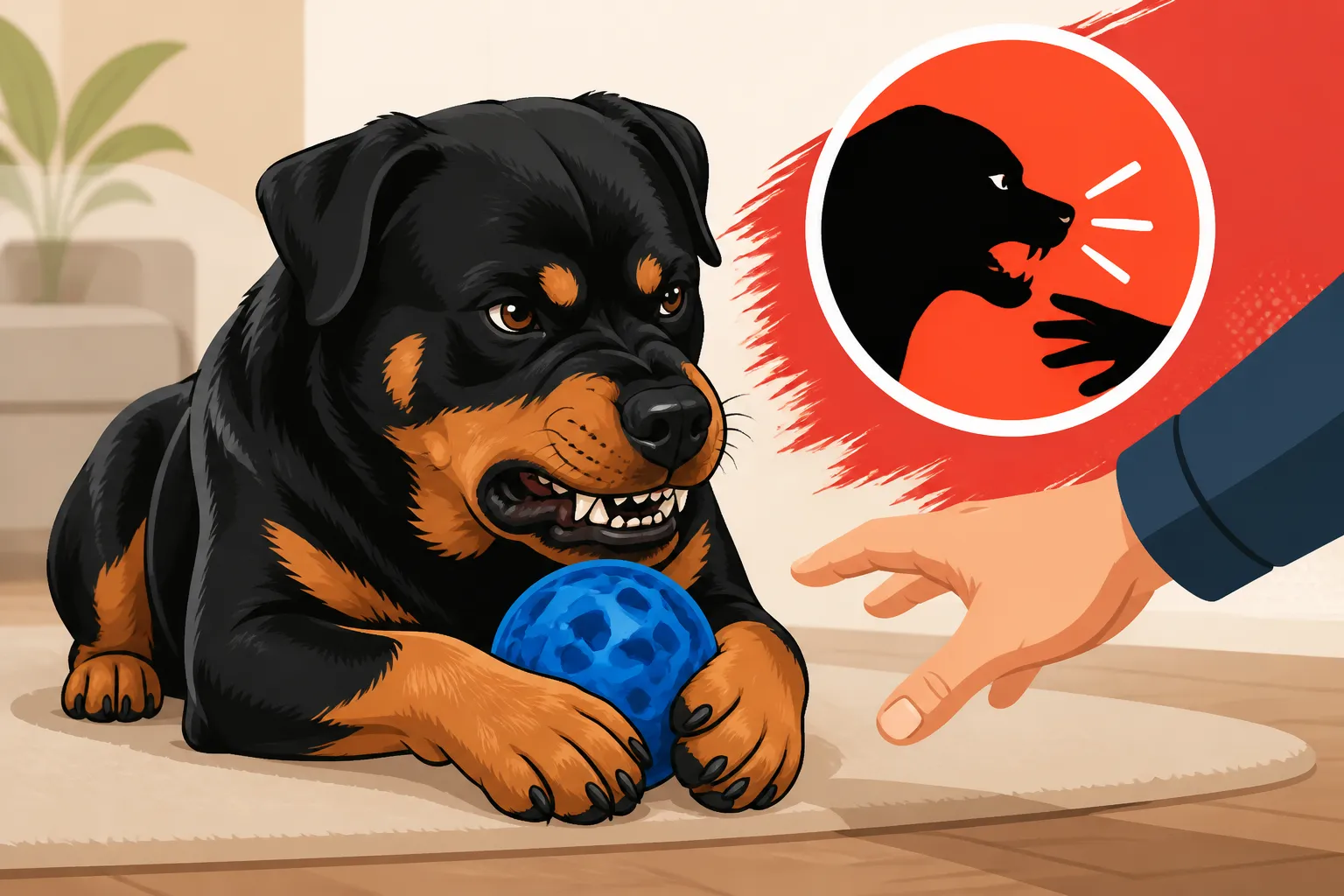
Resource guarding isn't a one-size-fits-all behavior; it exists on a spectrum. On one end, you might have a dog that simply eats faster when you approach their bowl, or moves a favorite toy to a more secluded spot. This is a very mild form, almost imperceptible to the untrained eye. In the middle, you'll see more overt displays: a stiff body, a low growl, a hard stare, or a subtle body block. The dog isn't necessarily trying to hurt you yet, but they're making it clear they want you to back off.
At the severe end of the spectrum, guarding can involve lunging, snapping, or biting to protect a resource. This is where the behavior becomes truly dangerous and necessitates professional intervention. It's crucial to recognize where your Rottweiler falls on this spectrum, as the appropriate intervention strategy will vary. Catching it early, when signs are mild, is always best. Understanding Rottweiler Whale Eye and Other Warning Signs can be incredibly helpful here, as these subtle cues often precede more overt guarding behaviors.
Why Your Rottweiler Might Be Prone to Guarding
Rottweilers, with their formidable presence and historical background, can be particularly prone to resource guarding. It's not because they are inherently aggressive, but rather due to a combination of their genetics, size, and the very instincts they were originally bred to possess. Understanding these factors can help you approach the issue with empathy and effective strategies.
A Legacy of Protection and Droving
The Rottweiler's ancestors, the Roman drover dogs, were tasked with protecting herds of cattle and the people who drove them. Later, in the German town of Rottweil, they became the "butcher's dogs" or "Metzgerhund," guarding money pouches tied around their necks, protecting their masters' property, and even pulling carts. This history of guarding, protecting, and being intensely focused on valuable assets is deeply ingrained. Their instincts tell them to be vigilant and protective of what they perceive as theirs.
This means that a Rottweiler's natural inclination is often to be watchful and discerning. They are not typically dogs that greet every stranger with effusive joy; rather, they observe and assess. This inherent seriousness, combined with a strong protective drive, can easily translate into resource guarding if not properly channeled and managed from a young age. They are bred to take their "job" seriously, and in a domestic setting, that job can sometimes extend to guarding a specific chew bone or a favorite resting place.
Size and Perceived Value
A Rottweiler's impressive size and strength also play a significant role. A small dog growling over a toy is one thing; a 100-pound Rottweiler doing it is quite another. Their sheer physical presence can make any guarding behavior feel much more intimidating and dangerous. This can inadvertently reinforce the behavior, as people naturally tend to back away from a large, growling dog, thus teaching the dog that growling is an effective deterrent.
Furthermore, a large, powerful dog like a Rottweiler may perceive even small items as highly valuable because they are capable of defending them successfully. This isn't a conscious thought process on their part, but a learned association. If they successfully guard an item once, the likelihood of them doing it again increases. This highlights the importance of consistent training and management, especially with a breed that commands such physical respect. For more on their ancestry, consider reading The Roman Drover Dogs Behind the Rottweiler and Why Butchers Called the Rottweiler a Metzgerhund.
Learned Behavior and Environmental Factors
While instincts provide a predisposition, resource guarding is often amplified or triggered by learned behaviors and environmental factors. For example, if a puppy's food bowl is frequently taken away while they're eating, they might learn to guard it more fiercely. Similarly, if they have to compete with other pets for resources, or if highly valued items are scarce, guarding can develop.
A busy household with children who don't understand how to interact safely with a dog around food or toys can also inadvertently teach a Rottweiler to guard. Imagine a child constantly trying to take a toy or interrupt mealtime; the dog may learn that aggressive displays are the only way to establish boundaries. This is why proper socialization and clear rules for human-dog interaction are so vital, especially in a home with a powerful breed. The goal is to create an environment where the Rottweiler feels secure and understands that resources are plentiful and not under constant threat.
Recognizing the Subtle to Obvious Signs of Resource Guarding
Catching resource guarding early, when the signs are subtle, is paramount. The longer the behavior is allowed to escalate, the harder it becomes to manage safely. Rottweilers, being intelligent and observant, often give clear signals before a full-blown incident, if you know what to look for.
Early Warning Signals Body Language
Resource guarding is a form of communication, and dogs use their entire body to convey their intentions. It rarely starts with a bite out of nowhere. Instead, you'll see a progression of signals. Look for:
- Stiffening: The dog's body might become rigid, their posture tense, often leaning over or directly on the resource. This is their way of saying, "Don't come closer."
- Hard Stare: A direct, unblinking gaze, often accompanied by "whale eye," where the whites of their eyes are visible at the corners. Their eyes may appear narrowed or intensely focused on you.
- Head or Body Blocking: The dog might position their body between you and the resource, or use their head to block your hand if you reach towards it. This physical barrier is a clear boundary.
- Low Growl or Grumble: This is the most obvious auditory warning. It might be a very soft, rumbling sound initially, often misinterpreted as a happy "grumble" in some Rottweilers, but in this context, it's a clear "back off."
- Lip Lick/Yawn (in context): Sometimes, these are stress signals. If your dog licks their lips or yawns while you're near a valued resource, especially if combined with other tense body language, they might be feeling anxious about you approaching.
- Freezing: The dog might suddenly stop all movement, becoming completely still. This is often an "action stopper," indicating they are highly uncomfortable and considering their next move.
These early signals are your dog's way of saying, "I'm uncomfortable, please give me space." Punishing these warnings is dangerous, as it teaches the dog to skip the warning and go straight to more severe actions. Instead, acknowledge them and adjust your approach. Rottweiler Tail Language After Docking might make some signals harder to read if your dog has a docked tail, so focusing on the whole body is essential.
Escalation of Guarding Behavior
If the early warnings are ignored, or if the dog feels increasingly threatened, the guarding behavior will likely escalate. This is a natural progression as the dog tries harder to communicate its discomfort and protect its perceived possession.
- Snapping the Air: The dog might snap their jaws in the air near your hand or body, without making contact. This is a clear "air bite" warning.
- Nose Pokes or Nudges: A more forceful nudge with their nose, or even a soft bite with their mouth open, but no pressure. This is another step up in their attempts to deter you.
- Mouth Open, Teeth Bared: This is a serious warning. The dog is now openly showing its teeth, indicating a readiness to bite if you don't retreat. This is often accompanied by a higher pitched, more aggressive growl.
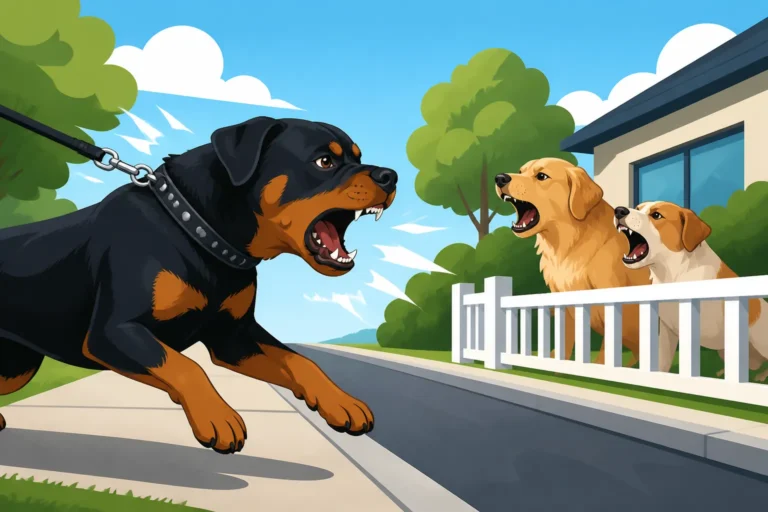
- Lunging: The dog might lunge forward, sometimes without making contact, or pushing you away with its body. This is a very intense physical threat.
Any of these escalated behaviors indicate a serious problem that needs immediate, careful attention. It means the dog's comfort threshold has been crossed, and they feel they need to defend themselves and their resource more vigorously. This is precisely when you need to re-evaluate your approach and consider professional help, as continuing to push may result in a bite.
Specific Contexts for Rottweiler Guarding
While food bowls and high-value chews are classic targets, Rottweilers can guard almost anything they perceive as valuable. This includes:
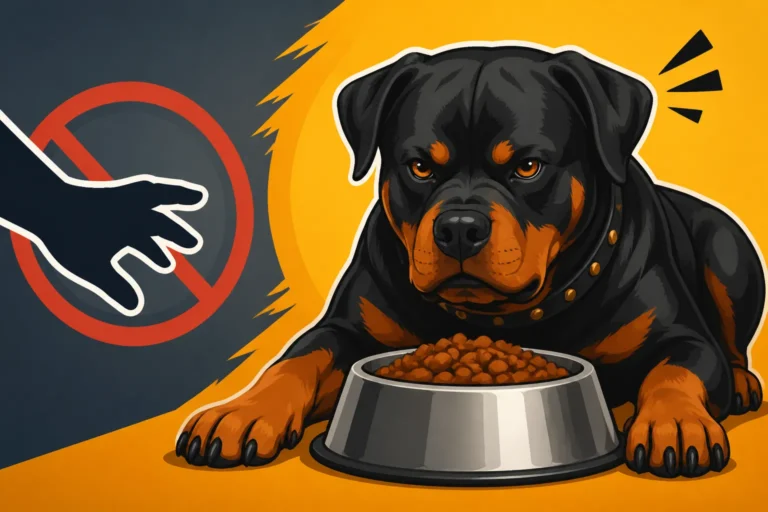
- Food and Water Bowls: This is perhaps the most common form of guarding, especially if a dog has experienced food insecurity in the past, or if the household has multiple pets competing for food. Bowl Guarding in a Rottweiler Bred to Guard is a common issue due to their genetic predisposition.
- Toys and Chews: A favorite squeaky toy, a robust chew toy, or a treasured bone can become a highly guarded item. This is particularly true for items they are deeply engaged with, like a Kong filled with peanut butter. A Rottweiler Guarding Toys and Chews can pose a real challenge for families.
- Space/Location: This could be their bed, a specific spot on the couch, a doorway, or even an entire room. They might prevent people from approaching or entering their perceived territory. A Rottweiler That Guards a Doorway can make simple movement through the house stressful.
- People: In some cases, a Rottweiler may guard a specific family member, preventing others (including other pets) from approaching that person. This is often seen as loyalty but is a form of resource guarding that can be problematic. When a Rottweiler Guards a Child is a serious concern requiring careful management.
- Stolen Items: If your Rottweiler snatches a forbidden item – say, a remote control or a sock – they might guard it fiercely, especially if they anticipate you trying to take it back. Their perception is "I have this now, it's mine."
Observing the specific contexts in which your Rottweiler guards provides crucial clues for effective management strategies. Each scenario might require a slightly different approach, but the underlying principles of positive reinforcement and preventing direct confrontation remain the same.
Preventing Resource Guarding in Your Rottweiler Puppy
Preventing resource guarding from developing is always easier and safer than trying to fix it once it's established. With a Rottweiler puppy, early, positive experiences are key to shaping a confident, non-guarding adult. This involves desensitization, teaching a reliable "trade" system, and careful management around food and chews.
Starting Early with Desensitization
From the moment your Rottweiler puppy comes home, you want to create positive associations with your presence around their valued items. This is called desensitization and counter-conditioning. Start by simply walking past their food bowl while they're eating, dropping a higher value treat near the bowl, and continuing on your way. Do not reach for the bowl, do not hover, just pass and give.
Repeat this many times a day, every day. The goal is for your puppy to associate your approach with getting something even better, not with the loss of their current resource. They should start to look up at you with anticipation, rather than stiffening. Do this with toys too: approach, drop a high-value treat, and walk away. This builds a foundation of trust. Remember, Rottweiler Puppy Training Through the First Year is crucial, and early efforts here pay huge dividends.
Teaching a "Trade" System
A reliable "trade" is one of the most powerful tools against resource guarding. This teaches your Rottweiler that giving something up results in getting something equally good or even better in return. Start with low-value items that your puppy isn't intensely guarding.
- Offer a Trade: Approach your puppy with a high-value treat (something truly irresistible, like cooked chicken or cheese).
- Say "Trade": As you present the treat, say "Trade!"
- Exchange: Most puppies will drop the item to get the treat. As soon as they do, pick up the original item.
- Give Back (Sometimes): Immediately give the puppy the treat, and sometimes even give the original item back after they've eaten the treat. This teaches them that "trade" doesn't always mean permanent loss, building even more trust.
- Practice Often: Practice this multiple times a day with various items. Gradually work up to slightly higher-value items as your puppy consistently and happily trades. The goal is for them to eagerly offer the item for the trade, rather than reluctantly. This skill is vital for Taking a Bone Back From a Rottweiler Safely in the future.
Safe Feeding and Chew Management
How you manage feeding and chews can either prevent or encourage resource guarding. Establishing clear, positive routines is critical for a young Rottweiler.
- Feed in Peace: Always feed your puppy in a quiet, undisturbed location where they can eat without feeling threatened by people or other pets. If you have multiple dogs, feed them in separate rooms or crates.
- Hand-Feeding: Occasionally, hand-feed your puppy a portion of their meal. This builds a strong positive association with your hands around their food.
- Add Goodies: While your puppy is eating, occasionally drop extra high-value treats into their bowl. This reinforces that your presence equals good things.
- Supervise Chew Time: Always supervise your puppy with high-value chews. If they show any signs of guarding, immediately initiate a "trade" as described above. Don't leave them unattended with items they might guard intensely.
- Proper Chew Selection: Offer chews appropriate for their age and chewing style. For Rottweilers, you'll need Rottweiler Chew Toys That Survive the Jaw.
- Manage Multiple Pets: If you have other pets, ensure each has their own designated feeding area and high-value chews are given when pets are separated. Feeding a Rottweiler Away From Other Dogs is crucial to prevent competition-induced guarding.
By being proactive and consistent with these strategies, you're setting your Rottweiler puppy up for a lifetime of trusting you around their resources, making your home a safer and happier place.
Strategies for Managing Existing Resource Guarding
If your Rottweiler is already exhibiting resource guarding behaviors, it's essential to approach the situation carefully and systematically. The goal is to reduce the dog's need to guard by changing their emotional response to your presence around their valued items. This is not about "winning" a confrontation, but about building trust and security.
The "No Punishment" Rule
This is perhaps the most critical rule for managing resource guarding. Never, ever punish your Rottweiler for growling, snarling, or showing any warning signs of guarding. Punishment, such as yelling, hitting, or forcibly taking the item, will only make the situation worse. When you punish a growl, you teach your dog that their warning signals are unacceptable. They might stop growling, but not because they've stopped guarding; rather, they've learned to skip the warning and go straight to a bite when they feel threatened.
Instead of suppressing the growl, recognize it as valuable communication. It's your dog telling you, "I'm uncomfortable, please back off." Acknowledge the warning and immediately create distance. The growl gives you vital information, allowing you to de-escalate the situation before it becomes dangerous. Understanding Why You Should Never Punish a Rottweiler Growl is fundamental to effective and safe management. Your Rottweiler needs to feel safe communicating their discomfort without fear of retribution.
Controlled Exposure and Positive Reinforcement
The core of managing existing resource guarding is to systematically change your dog's emotional association with your presence around their resources from negative (threat) to positive (opportunity for something better). This is a slow, gradual process that requires immense patience and consistency.
- Identify Triggers: Make a list of everything your Rottweiler guards (food bowl, specific toys, chew bones, particular spots, people). Understand the intensity of their guarding for each item.
- Start with Low-Value Items: Begin working with items your dog guards least intensely, or even items they don't guard at all. The goal is to build success and positive associations before tackling tougher challenges.
- The "Exchange Game" (Trade-Up): Similar to the "trade" taught to puppies, but with a more structured approach.
- Give your dog a moderate-value item (something they like but aren't fiercely protective of).
- Approach them, but stay far enough away that they don't show any guarding signs.
- Toss a higher-value treat (e.g., cooked chicken, cheese) past them, away from the guarded item. As they move to eat the treat, pick up the original item.
- Give them the same item back immediately, or a different high-value item, along with another treat. This reinforces that "giving up" means "getting something even better."
- Repeat this many times, slowly decreasing the distance as your dog shows no signs of guarding and consistently anticipates the treat. The key is to never take something without giving something better in return. Trading Up to Take Something From a Rottweiler needs to be a positive experience.
Table: Resource Guarding Management at a Glance
| Resource Type | Common Signs | Management Strategies | Safety Considerations |
|---|---|---|---|
| Food Bowl | Eating faster, stiffening, growling, head over bowl | Feed in separate, quiet area; add high-value treats to bowl; hand-feed occasionally; "trade" for better treat. | Avoid reaching into bowl; do not stand over dog; supervise children. |
| High-Value Chews | Growling, running away, body blocking, snapping | Supervise closely; "trade" for irresistible treat; offer when dog is alone; use chew holders/toys. | Use long-handled tongs for "trade"; never pry open mouth; remove if guarding escalates. |
| Toys | Stiffening, hard stare, picking up and moving away, possessive play | "Trade" game with high-value treats; play structured "fetch" and "drop it"; rotate toys. | Ensure "drop it" is rock solid; avoid tug-of-war if guarding is present. |
| Space (Bed, Couch) | Growling when approached, body blocking, not moving when asked | Teach "off" or "place" command; make the spot less appealing (remove cushions); reward for moving. | Do not physically force dog off; use treats to lure them; block access to guarded areas. |
| People | Growling/blocking others, herding away, snapping at person approaching | Positive reinforcement for calm interactions; use leashes to control approaches; separate dog if guarding. | Consult professional; avoid encouraging "guardian" behavior; teach "place" for dog during guest visits. |
| Stolen Items | Running away with item, growling if approached, holding item in mouth | Immediately offer a very high-value "trade" for the item; make it worth letting go. | Do not chase or physically grab; use a long leash to guide dog if necessary; secure household items. |
Managing the Environment to Prevent Incidents
Environmental management is your first line of defense, especially while you're working on training. It's about preventing opportunities for guarding to occur, thereby preventing the dog from practicing the behavior.
- Separate When Necessary: If you have multiple dogs and resource guarding is an issue, feed them in separate rooms or crates. Give high-value chews only when dogs are separated. This prevents Same-Sex Aggression Between Rottweilers from escalating over resources.
- Secure Valuables: Keep items your Rottweiler guards (or might steal and guard) out of reach. This means putting away remotes, children's toys, shoes, etc. "Out of sight, out of mind" can be very effective.
- Designated Feeding Area: Ensure your Rottweiler always eats in a calm, consistent, and private location where they won't be disturbed.
- Leash Management: If your Rottweiler guards a specific spot (e.g., a doorway or couch), use a long line or leash to safely guide them away or prevent them from accessing that spot temporarily.
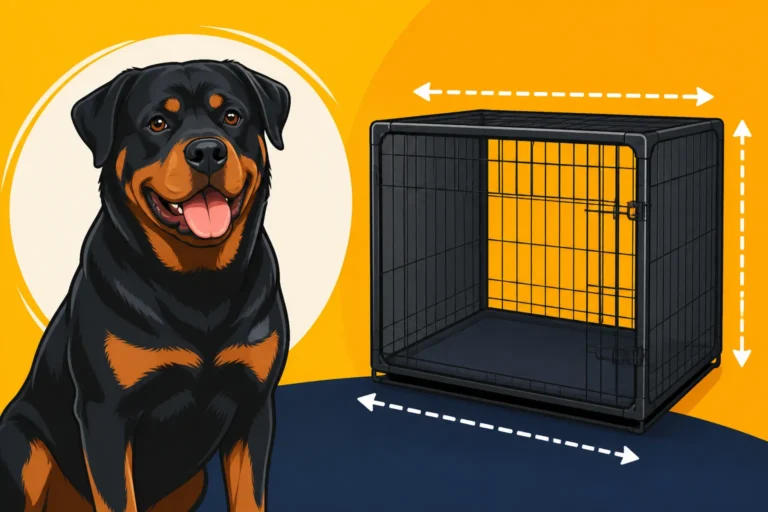
- Crate Training: A crate can be an invaluable tool. It provides a safe, personal space where your Rottweiler can enjoy their chews or meals without feeling the need to guard against intrusion. Make the crate a positive place. The Crate Size a Hundred Twenty Pound Rottweiler Needs is important for comfort.
- Supervision, Always: Never leave a resource-guarding Rottweiler unsupervised with children or other pets, especially when high-value items are present. If you can't supervise, separate.
By diligently managing the environment, you reduce the stress on your Rottweiler and yourself, creating a safer space to implement your training strategies. This proactive approach minimizes incidents and reinforces positive behaviors.
When and How to Seek Professional Help
Dealing with resource guarding, especially with a powerful breed like a Rottweiler, can be challenging and sometimes dangerous. It's crucial to recognize when your efforts alone aren't enough and professional guidance is needed. Delaying professional help can allow the behavior to become more entrenched and potentially more dangerous.
Identifying When You're Out of Your Depth
There are clear indicators that it's time to call in a professional:
- Escalation to Bites: If your Rottweiler has ever made contact with their teeth (even a "warning bite" that didn't break skin) while guarding, you need immediate professional help. This is a severe safety risk.
- Frequent or Intense Guarding: If guarding occurs regularly, involves multiple resources, or is very intense (e.g., lunging, snapping), it's beyond the scope of general advice.
- Fear or Intimidation: If you or other family members feel genuinely afraid of your Rottweiler around certain items or in specific situations, that's a red flag. Your relationship with your dog should be based on trust, not fear.
- Lack of Progress: If you've been consistently applying positive reinforcement techniques for several weeks or months and see no improvement, or the behavior is worsening, it's time for expert intervention.
- Guarding People: If your Rottweiler is guarding a specific person in the household, this is a complex form of guarding that often requires a behaviorist to unravel.
- Uncertainty or Overwhelm: If you simply don't know where to start, feel overwhelmed by the task, or are unsure if you're doing things correctly, a professional can provide clear guidance and support.
Remember, seeking professional help is a sign of responsible pet ownership, not failure. It's about putting your dog's well-being and the safety of your household first.
Finding a Qualified Professional
Finding the right professional is critical. Not all dog trainers are equipped to handle complex behavior issues like severe resource guarding. Look for someone with specific qualifications and experience in behavior modification.
- Certified Professional Dog Trainers (CPDT-KA, -KSA): These individuals have passed certification exams and have demonstrated knowledge in dog training. Many are excellent, but for true behavior modification, you might need someone with further specialization.
- Certified Applied Animal Behaviorists (CAAB or ACAAB): These professionals have master's or doctoral degrees in animal behavior or a related field. They are highly qualified to diagnose and treat complex behavioral problems.
- Veterinary Behaviorists (DACVB): These are veterinarians who have specialized in animal behavior, similar to how a human doctor specializes in cardiology. They can diagnose behavioral issues, prescribe medication if necessary (in conjunction with behavior modification), and develop comprehensive treatment plans. They are typically the highest level of expertise.
- Look for Positive Reinforcement Focus: Ensure the professional you choose uses humane, force-free, positive reinforcement methods. Avoid anyone who suggests dominance theory, alpha rolls, punishment, or harsh corrections for resource guarding, as these methods are detrimental and dangerous.
- Experience with Rottweilers: Ask if they have experience working with large, powerful breeds like Rottweilers, as the nuances of handling and managing these dogs can be different from smaller breeds.
- Personal Referrals: Ask your veterinarian for a referral, or seek recommendations from trusted Rottweiler owners in your community or breed clubs. Many good trainers for Rottweiler Reactivity That Starts on Walks are also adept at managing resource guarding.
Websites like the Certification Council for Professional Dog Trainers (CCPDT) or the American College of Veterinary Behaviorists (ACVB) can help you locate qualified professionals in your area. For online learning, resources like BAXTER & Bella offer puppy training programs that cover foundational skills which are key in preventing resource guarding from the outset. While not a substitute for a behaviorist for severe cases, these online platforms can provide valuable education and tools.
What to Expect from a Behaviorist
When you work with a veterinary behaviorist or a certified applied animal behaviorist, the process will typically involve several steps:
- Comprehensive History: The professional will ask you detailed questions about your Rottweiler's history, the onset and progression of the guarding, triggers, your living situation, and any attempts you've made to resolve it. This typically involves a long questionnaire before the first appointment.
- Observation: They may want to observe your Rottweiler in your home environment, if possible, or during a consultation, to see the guarding behavior firsthand (under controlled, safe conditions, of course).
- Diagnosis and Treatment Plan: Based on their assessment, they will provide a diagnosis and develop a detailed, individualized treatment plan. This plan will outline specific exercises, environmental management strategies, safety protocols, and potentially medication if anxiety or fear is a significant component.
- Hands-On Coaching: They will often coach you through the exercises, ensuring you are implementing them correctly and safely. This is crucial for success.
- Follow-Up and Adjustments: Behavior modification is not a quick fix. You will have follow-up appointments to assess progress, troubleshoot challenges, and adjust the treatment plan as needed.
- Safety First: A good behaviorist will always prioritize safety for both your dog and your family. They will help you put measures in place to prevent incidents while you work through the training.
Be prepared for a significant time commitment and potentially financial investment, but the peace of mind and improved relationship with your Rottweiler are invaluable.
Living Successfully with a Resource-Guarding Rottweiler
Managing resource guarding is often a lifelong journey, but it is absolutely possible to live a happy, safe, and fulfilling life with a Rottweiler who has this tendency. It requires ongoing vigilance, consistent application of rules, and a deep understanding of your dog's needs and communication.
Consistent Household Rules and Routines
Consistency is the bedrock of successful behavior management. Every member of the household must be on the same page regarding rules and interactions with the Rottweiler around resources.
- Establish Clear Boundaries: Everyone needs to understand which items are potential guarding triggers and how to interact with the dog when those items are present. For example, a rule might be "No approaching Fido when he has his bully stick."
- "Trade Up" is Universal: Ensure everyone understands and consistently practices the "trade" game. It's not just a training exercise; it's a safety protocol. If your dog has something they shouldn't, or something they are guarding, the default response is always to offer a high-value trade, not to snatch.
- Designated "Safe Zones": Ensure your Rottweiler has a designated space – like a crate or a specific mat – where they can enjoy their chews and meals undisturbed. Everyone in the family must respect this space. This helps reduce anxiety around meal times and chew sessions.
- Supervision and Separation: Children, in particular, need strict supervision around a resource-guarding dog. Teach them never to approach a dog who is eating, chewing, or resting with a valued item. When supervision isn't possible, the dog should be separated from access to high-value resources or confined to their safe space.
Establishing and consistently enforcing these rules creates predictability for your Rottweiler, which reduces their anxiety and, consequently, their need to guard. When they know what to expect, they are less likely to feel threatened.
Building Trust and Predictability
The ultimate goal in managing resource guarding is to transform your Rottweiler's emotional state from feeling threatened to feeling secure and trusting in your presence. This isn't achieved through force, but through consistent, positive interactions.
- Positive Associations: Continue to associate your presence with positive outcomes. Regularly drop high-value treats near your Rottweiler's food bowl or valued items, even if they aren't actively guarding. The more positive experiences they have, the less they will feel the need to guard.
- Avoid Confrontation: Never put yourself or your dog in a position where you have to confront their guarding behavior directly. If you see signs of guarding, simply back away and re-evaluate your strategy. The less they successfully practice guarding, the less entrenched the behavior becomes.
- Predictable Routines: Dogs thrive on routine. Predictable feeding times, walk schedules, and training sessions can significantly reduce anxiety and help your Rottweiler feel more secure in their environment. When their world is predictable, they don't have to worry about resources suddenly disappearing.
- Strong Foundation Training: A well-trained Rottweiler with a solid foundation in obedience is generally more confident and less likely to resort to guarding. Commands like "leave it," "drop it," and a reliable recall are invaluable. For help with these, consider structured training classes or online programs. These are foundational to ensuring safety and communication. Training a Rottweiler Before It Outweighs You is critical for all aspects of behavior.
By consistently building trust and creating a predictable, positive environment, you can help your Rottweiler feel secure enough to relax their guarding instincts. This takes time, but the bond you forge through this process will be incredibly strong.
Long-Term Management and Safety
Living with a resource-guarding Rottweiler means accepting that the instinct may never fully disappear, but it can be safely and effectively managed. This requires ongoing commitment to safety protocols and a realistic understanding of your dog's needs.
- Continued Vigilance: Even after significant improvement, remain vigilant. Occasional flare-ups can occur, especially during times of stress, illness, or changes in routine. Be prepared to revert to management strategies if necessary.
- Know Your Dog's Limits: Understand what situations or items are absolute "no-gos" for your Rottweiler. For example, if they consistently guard a particular type of chew, it might be best to simply stop providing that item, or only give it in a secure, isolated environment.
- Prioritize Safety: Always err on the side of caution. If there's any doubt about a situation, manage it by separating your dog or removing the guarded resource safely (via trade, not force). Children should never be left unsupervised with a dog that has a history of guarding, regardless of how much progress has been made.
- Regular Vet Check-ups: Sometimes, underlying pain or medical conditions can exacerbate behavioral issues, including guarding. Regular veterinary check-ups are essential to rule out any physical causes for behavioral changes. This is important for Rottweiler Behavior Changes That Mean Pain.
- Advocacy for Your Dog: Be your Rottweiler's advocate. Educate visitors about your dog's boundaries and ensure they respect the established rules. Don't be afraid to politely instruct guests on how to interact with your dog, especially around resources.
Living with a resource-guarding Rottweiler is a testament to your dedication as an owner. With patience, consistent positive reinforcement, and a commitment to safety, you can foster a trusting relationship and ensure a peaceful home for everyone.
Disclaimer
This article is for general informational purposes only and does not constitute professional advice. Laws, prices and regulations vary by location and change over time. Consult a qualified professional for guidance on your specific situation.