The Roman Drover Dogs Behind the Rottweiler
Have you ever looked at your powerful, self-assured Rottweiler and wondered where that incredible strength and unwavering loyalty truly comes from? Many folks see the modern Rottweiler and think of a formidable guard dog, but the roots of this magnificent breed stretch back over two millennia to the heart of the Roman Empire. This guide is going to take a deep dive into the fascinating history of the Roman drover dogs, tracing their journey from the dusty roads of ancient Rome to the bustling cattle markets that eventually gave us the Rottweiler we know and love today.
The Roman Empire's Mobile Meat Supply and Its Guardians
Imagine the vastness of the Roman Empire, its legions marching across continents, conquering new territories, and establishing outposts far from Rome itself. This wasn't just about military might; it was about logistical genius. Armies, especially large ones, need to eat, and back then, "fresh food" often meant "food walking on four legs." The movement of cattle, sheep, and other livestock was absolutely crucial for sustaining these massive military operations.
Legions on the March and Their Logistical Needs
A Roman legion was a formidable force, often comprising thousands of soldiers, camp followers, and support staff. Moving such a contingent across rugged terrain, often through hostile territory, required an incredible amount of planning and resources. While soldiers carried some rations, relying solely on preserved foods or foraging was simply not sustainable for long campaigns. This meant live cattle herds often accompanied the legions, serving as a mobile pantry. These animals weren't just for meat; they also provided hides, milk, and sometimes even motive power for wagons. The challenge, of course, was keeping these valuable herds together, safe from predators, and moving efficiently. This is where the dogs came in.
These weren't just any dogs; they were chosen for their robust build, intelligence, and natural guarding instincts. Without them, the logistics of supplying an army would have been exponentially more difficult, if not impossible. Think of the sheer effort involved in moving thousands of head of livestock across hundreds of miles – it’s a job that would humble even the most dedicated modern rancher. The Roman legions understood the value of these working dogs, integrating them into their daily operations as vital members of the logistical chain. We can appreciate this need for durability and efficiency even today when we pick out durable chew toys or heavy-duty leashes from places like Chewy for our own large, active dogs; the needs change, but the core desire for reliability endures.
The Role of Livestock in Sustaining Roman Armies
Consider a typical Roman campaign. After a day of marching or battle, the army would set up a temporary camp. This camp would be a hive of activity, with soldiers constructing fortifications, preparing for the next day, and, crucially, preparing meals. The livestock that had been driven alongside the legion would be butchered and distributed, providing fresh meat, which was a critical component of the Roman soldier's diet. This constant supply of protein was essential for maintaining the strength and morale of the troops.
The presence of live animals also meant a reduced reliance on long supply lines from distant Roman provinces, which could be vulnerable to attack. It was a self-sufficient system designed for endurance and adaptability. The dogs, therefore, were not just herders but protectors of the army's very sustenance. A lost or culled animal due to attack wasn't just a minor inconvenience; it could impact the ability of the legion to fight another day. This historical context helps us understand the fundamental purpose for which the Rottweiler's ancestors were developed: reliability, strength, and unwavering dedication to their charge, whether it was a herd of cattle or the army's provisions.
The Unsung Canine Companions of the Legions
The dogs that accompanied the Roman legions were not simply stray animals picked up along the way. They were purpose-bred animals, specifically selected for the demanding tasks of herding and guarding. Their lineage speaks to a long tradition of working dogs within Roman society, dogs whose descendants would eventually put their paw prints on the breed we know as the Rottweiler.
Mastiff-Type Dogs in Roman Culture and Warfare
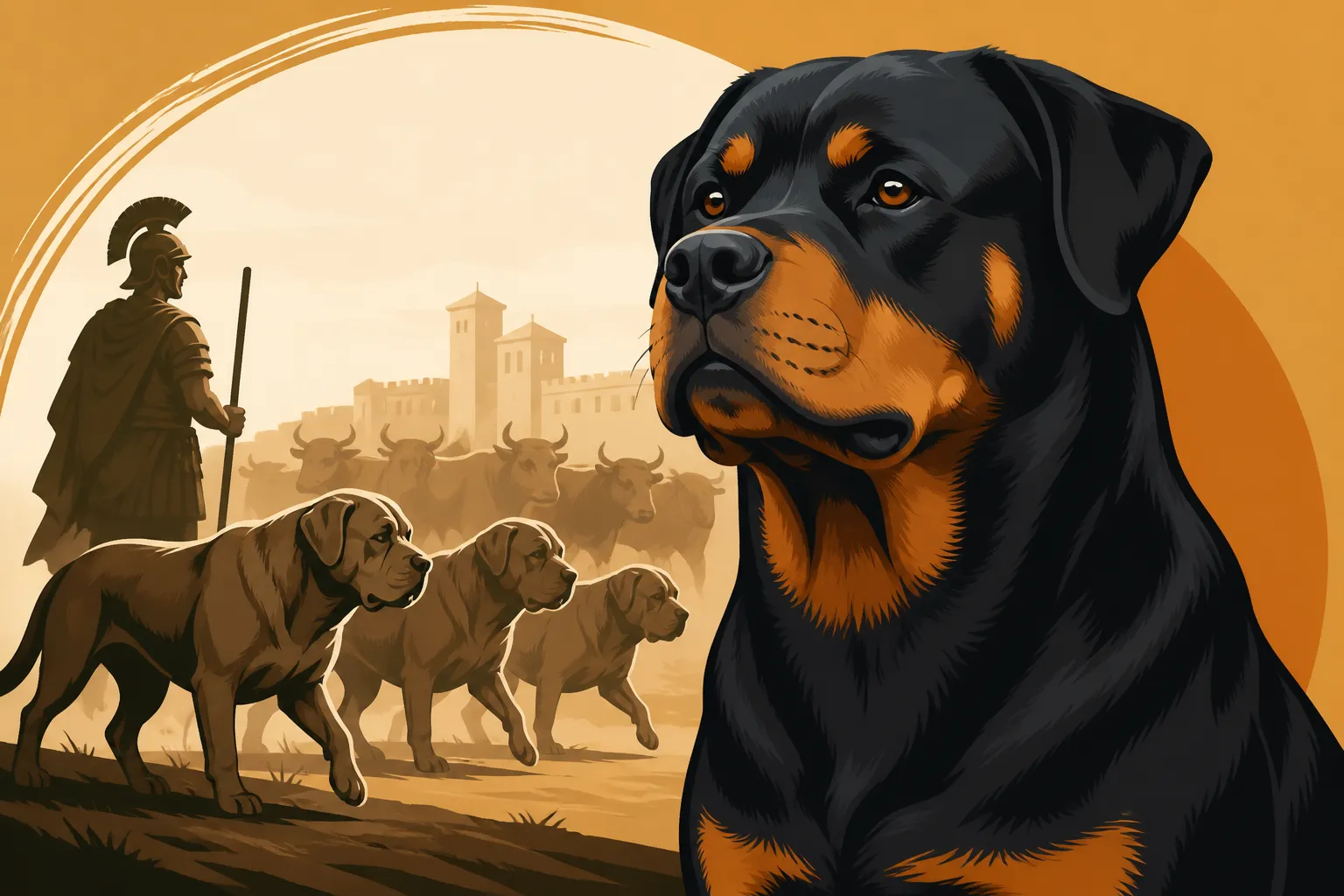
The Roman Empire was home to various types of dogs, but it was often the larger, more powerful "molosser" or mastiff-type dogs that found favor in roles requiring strength, intimidation, and protective instincts. These dogs were known for their muscular builds, broad heads, and formidable presence. They were employed in diverse capacities, from gladiatorial contests and hunting large game to guarding estates and, indeed, working with livestock. When we talk about Which Roman Dog Type the Rottweiler Descends From, it's these robust, heavy-boned dogs that are at the heart of the discussion.
Their physical characteristics made them ideal for dealing with unruly cattle – large enough to command respect and strong enough to turn a stubborn bull. Moreover, their protective nature meant they were excellent deterrents against both human bandits and wild animals that might prey on the herds. These traits were highly valued, and the Romans undoubtedly fostered these qualities through generations of breeding, ensuring that each new litter produced dogs capable of fulfilling their crucial roles. It’s a testament to the effectiveness of these early working dogs that their fundamental characteristics persist in their modern descendants.
Herding and Guarding Duties on the Roman Frontier
Life on the Roman frontier was harsh and unpredictable. Legions established fortifications and settled new lands, bringing with them not only soldiers but also the infrastructure for daily life, including farming and animal husbandry. The drover dogs were integral to this expansion. Their primary duties were two-fold: to keep the cattle together, moving them efficiently along the legion's route, and to guard them against threats. How Roman Legions Used Their Drover Dogs wasn't just about driving cattle; it was about active protection.
Imagine a herd of a hundred cattle, perhaps more, moving through a dense forest or across an open plain. Without skilled drover dogs, managing such a large, often stubborn, group of animals would be a monumental task, requiring many more human hands. The dogs would work at the periphery of the herd, using their imposing presence and occasional nips to keep the animals moving in the desired direction. At night, or during a halt, these same dogs would form a protective perimeter, their keen senses alert to any approaching danger. This continuous cycle of herding and guarding forged a dog with an incredible sense of duty and an inherent understanding of responsibility for its charge.
The Journey North: Dogs Follow the Empire's Expansion
As the Roman Empire pushed its boundaries northward into what is now Germany, its legions established permanent settlements and trade routes. These routes often followed rivers, and the Neckar River valley, where the town of Rottweil would eventually flourish, was one such region. The Roman presence in this area, dating back to the 1st century AD, brought with it Roman culture, technology, and, crucially for our story, Roman dogs. These dogs would have been an everyday sight, integrated into the life of the military camps and burgeoning civilian settlements.
Over time, as Roman influence waxed and waned, and legions were sometimes withdrawn or relocated, many of these dogs would have been left behind. They interbred with local dogs, but their core characteristics – their working drive, their size, and their guarding instincts – would have persisted, passed down through generations. This is how the genetic blueprint for the Rottweiler began to lay its foundations in this specific geographic area. The dogs adapted to the local environment and the needs of the emerging Germanic communities, slowly evolving into a distinct type of working dog unique to the region. This transplantation of working breeds is a common thread in canine history, and the Rottweiler's story is a prime example. When Roman Dogs First Reached the Rottweil Area marked a pivotal moment in the breed's unwritten history.
From Roman Outpost to Germanic Settlement: The Town of Rottweil
The story of the Rottweiler is inextricably linked to the town of Rottweil itself, a settlement whose very existence became a melting pot of Roman legacy and Germanic industriousness. It was in this specific location that the descendants of the Roman drover dogs would find their enduring purpose and, eventually, their name.
The Roman Presence in the Neckar Valley
Long before it was known for its famous dogs, the Neckar Valley, where Rottweil sits, was a strategically important area for the Romans. It was a frontier region, rich in resources, and offered navigable waterways. The Romans established a significant settlement here, known as Arae Flaviae, which functioned as an administrative center and a hub for trade. This Roman influence meant that their ways of life, including their use of working dogs, became deeply embedded in the local culture.
Archaeological digs in the area have uncovered remnants of Roman roads, villas, and fortifications, all pointing to a sustained Roman presence. When you consider What the Romans Fed Their Armies on the March, you can envision the herds of cattle being driven through this very valley, guarded by the ancestral Rottweilers. This direct historical link is what makes Rottweil so significant to the breed's origins. The dogs were not just passing through; they were part of the Roman fabric of this nascent town, and when the Romans eventually pulled back, their canine companions remained, continuing their work under new masters.
Leaving a Legacy: Dogs Left Behind as Legions Withdrew
The ebb and flow of empires mean that territories are gained and lost, and military outposts eventually become less vital. When the Roman legions eventually withdrew from many of their northern outposts, including Arae Flaviae, they didn't take every single animal with them. Many of the drover dogs, having adapted to the region and having interbred with local dog populations, simply stayed. They were valuable working animals, and the Germanic people who inherited these lands quickly recognized their utility.
These dogs, therefore, became a living legacy of the Roman occupation. Their strong working drive and protective instincts were highly desirable traits in a society that relied heavily on livestock and trade. They formed the genetic bedrock for the local working dogs, ensuring that the characteristics vital for cattle herding and guarding continued to be passed down. This continuity is a powerful illustration of how practical necessity shapes breed development.
The Town of Rottweil: A Hub for Trade
Centuries after the Romans, the town of Rottweil blossomed into a thriving medieval free imperial city. Its strategic location at the intersection of important trade routes, particularly those for cattle, made it a significant commercial center. Farmers and butchers from across the region would converge on Rottweil, bringing their livestock to market. This was a noisy, bustling environment, full of activity, and unfortunately, opportunities for theft. Why the Town of Rottweil Carries That Name is tied directly to this historical importance.
It was in this vibrant setting that the descendants of the Roman drover dogs truly came into their own. They were indispensable to the local butchers and cattle dealers, who needed strong, reliable dogs to manage their herds on the journey to and from market, and to guard their money and goods once transactions were complete. The town of Rottweil, therefore, became the crucible in which the modern Rottweiler was forged, its name forever linked to its primary role in this commercial hub. You can almost picture the scene, with powerful dogs navigating the crowds, keeping their charges safe.
The Metzgerhund Emerges: A New Role in a New Land
As Rottweil grew into a major cattle market town, the demand for strong, capable drover dogs intensified. The local butchers, or "Metzgers," found these dogs to be utterly indispensable, so much so that the breed eventually earned the moniker "Rottweiler Metzgerhund," or "Rottweil Butcher's Dog." This era cemented the breed's reputation and refined its working traits.
Butchers and Their Need for Strong, Reliable Dogs
The life of a medieval butcher in Rottweil was tough and physically demanding. They didn't just sell meat; they were often responsible for acquiring the live animals, driving them to market, negotiating prices, and then bringing the proceeds safely home. This was a process fraught with challenges, from keeping unruly cattle in line to protecting the substantial sums of money they carried after a successful day of trading. These butchers needed dogs that were not only powerful but also intelligent, obedient, and fiercely loyal.
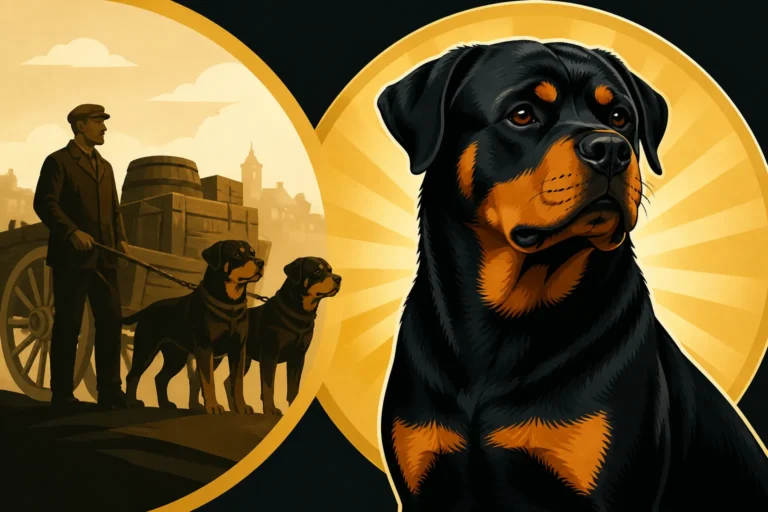
The dogs of Rottweil perfectly fit this bill. Their strength allowed them to move large, stubborn cattle, while their natural guarding instincts made them formidable protectors. A butcher could literally tie his money pouch around the dog's neck, confident that few would dare approach such a guardian. This level of trust speaks volumes about the dogs' temperament and reliability. These animals were not just tools; they were partners, integral to the butcher's livelihood and personal safety. What a Metzgerhund Did in a Day's Work goes beyond simple herding; it encompasses a complete package of duties.
Adapting to the Demands of the Cattle Market
The cattle market environment was unlike any other. It was loud, crowded, and often chaotic. Dogs needed to be able to navigate this sensory overload without becoming overwhelmed or aggressive. They had to be responsive to their master's commands, able to quickly move animals through tight spaces, and skilled at separating specific cattle from the herd. This required not just physical prowess but also considerable mental acuity and composure.
The Rottweiler's ancestors adapted beautifully to these demands. Their inherent calmness, combined with their powerful build, allowed them to maintain control without resorting to excessive aggression. They learned to work closely with their human partners, anticipating commands and acting decisively. This period of intense selection for market work further refined the breed's characteristics, emphasizing its practicality and unwavering focus on the task at hand. It's interesting to consider how modern breeds are still shaped by their working environments, much like these early Rottweilers. Even today, finding the right food for a working dog's energy needs, perhaps through services like Chewy, is crucial for performance.
Guarding the Butcher's Profits and Property
Perhaps one of the most iconic images associated with the Metzgerhund is that of the dog guarding the butcher's money pouch. After a long day at the market, when substantial amounts of cash had been exchanged for livestock, the journey home could be perilous. Bandits and opportunists were always a threat. Tying the money pouch around the neck of a large, imposing Rottweiler was a common and highly effective deterrent. How a Rottweiler Guarded a Butcher's Takings illustrates the profound trust placed in these animals.
But their guarding extended beyond just money. They protected the butcher's shop, his home, and his family. This ingrained protective instinct, coupled with their imposing physical presence, made them ideal guardians. They were not typically aggressive without cause, but their confident demeanor and readiness to defend made others think twice. This selective breeding for intelligent, discerning protection laid the groundwork for the modern Rottweiler's temperament: self-assured, calm, but always watchful.
Characteristics of the Early Rottweiler Ancestors
The traits that made the Roman drover dogs and later the Metzgerhund so successful were not accidental. They were the result of generations of selective breeding, both intentional and through natural selection, for specific physical and temperamental qualities that were essential for their demanding jobs.
Physical Traits for Droving and Guarding
The physical build of the early Rottweiler ancestors was perfectly suited for their role. They were powerful, muscular dogs, built for endurance and strength rather than speed. Their robust skeletal structure, heavy bones, and well-developed musculature allowed them to withstand the rigors of long drives and handle stubborn cattle. A strong, broad head and powerful jaws were also crucial, not for aggression, but for delivering a persuasive nip to a cow's hocks when needed, or for holding onto a valuable object.
Their medium-length, dense double coat offered protection against the elements, whether it was the biting cold of a German winter or the heat of a summer cattle drive. These dogs weren't delicate; they were built to work hard in all conditions. While the exact appearance would have varied more than in a modern, standardized breed, the underlying theme was always practicality and working ability. They were dogs that looked like they could do a job, and indeed, they could. It’s a far cry from the careful consideration of a puppy's Rottweiler Growth Plates and Why They Close So Late or careful exercise to avoid Panosteitis in a Growing Rottweiler Puppy in today's structured breeding.
Temperamental Foundation: Steadfast and Loyal
Beyond their physical attributes, the temperament of these early dogs was paramount. They needed to be intelligent enough to understand complex tasks, courageous enough to stand up to a thousand-pound steer or a human threat, and, most importantly, steadfastly loyal to their handlers. A dog prone to flightiness or unreliability would have been useless, even dangerous, in their line of work.
The dogs developed a keen sense of observation and a "wait-and-see" attitude when encountering strangers, a trait still characteristic of the modern Rottweiler. They were confident without being overtly aggressive, understanding that their presence alone was often enough to deter trouble. Their loyalty was unwavering, forming deep bonds with their human partners. This combination of discernment, courage, and devotion laid the bedrock for the Rottweiler's famed Rottweiler Temperament and That Self-Assured Aloofness. This blend of traits, refined over centuries, made them not just working animals, but trusted companions.
Early Breeding Practices and Natural Selection
While there might not have been formal breed clubs or written standards in these early centuries, breeding was still a selective process driven by necessity. Dogs that excelled at droving and guarding were naturally favored for breeding, as their offspring were more likely to inherit these desirable traits. Dogs that were weak, timid, or unreliable would not have been kept or bred from. This is a powerful form of natural selection, guided by human purpose.
The environment itself also played a role. Dogs had to be hardy to survive and thrive. Those with robust health and sound structure were the ones that lived long enough to contribute to the gene pool. This emphasis on functionality and resilience contributed to the overall health and vigor of the early Rottweiler type. It’s a very different scenario from today’s careful attention to The Five Clearances a Rottweiler Breeder Must Have or DNA testing for specific conditions like JLPP and the Rottweiler DNA Test. The selection criteria were simpler, more direct, and brutally efficient: could the dog do its job and survive? If yes, it passed the test.
The Lingering Influence on the Modern Rottweiler
Even with thousands of years separating the Roman drover dog from your Rottweiler curled up on the rug, the echoes of their ancestors are unmistakable. The foundational purpose and carefully honed traits of those ancient working dogs continue to shape the breed's characteristics today.
Echoes of the Past in Today's Breed Standard
Take a look at the official Rottweiler breed standard, and you'll find language that clearly reflects its historical working roots. Terms like "powerful," "robust," "self-assured," and "aloof" are direct descendants of the qualities needed by a drover dog or a Metzgerhund. The standard calls for a dog that is strong and agile, capable of performing demanding tasks, rather than a delicate show animal.
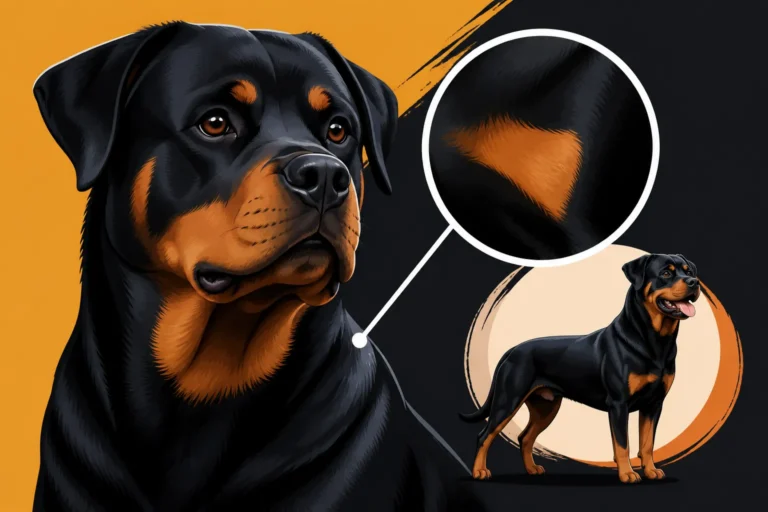
The breed's physical structure, from its broad chest to its strong hindquarters, speaks to its heritage of pulling carts and maneuvering cattle. Even the distinctive black and rust markings, which likely offered camouflage in varying light conditions during outdoor work, are a hallmark of the breed today. It's truly fascinating to see how generations of working lineage are codified into the very description of the modern breed, connecting your companion directly to those ancient working dogs. This rich history makes the Rottweiler more than just a pet; it's a living piece of history. You might even find historical reenactment gear for dogs, or robust harnesses, available on online pet supply stores like Chewy, reflecting this working heritage.
The Enduring Drive to Work and Protect
One of the most striking aspects of the modern Rottweiler is its innate drive to work and protect. While most Rottweilers today are beloved family pets, that deep-seated instinct to guard their family (their "herd") and their home (their "territory") is undeniably present. This isn't something that can be easily trained out of a Rottweiler; it's an intrinsic part of who they are. Instead, it needs to be carefully channeled through responsible ownership and appropriate training, like the early lessons on Rottweiler Bite Inhibition and the Adult Mouth to ensure a well-adjusted companion.
This protective nature manifests in various ways, from their natural vigilance around strangers to their desire to be close to their family. They thrive on having a "job" to do, whether it's competitive obedience, tracking, carting, or simply being a responsible family guardian. This desire for purpose is a direct link to their ancestors, who were always employed, always with a task. It's why a Rottweiler can become destructive or unhappy if left without sufficient mental and physical engagement – that working drive needs an outlet.
Appreciating a Deep and Storied Heritage
Understanding the history of the Roman drover dogs and their evolution into the Rottweiler Metzgerhund offers a profound appreciation for the breed. It moves beyond superficial stereotypes and reveals a dog developed through centuries of purposeful work, resilience, and a deep partnership with humans. When you look at your Rottweiler, you're not just seeing a dog; you're seeing a living testament to an ancient legacy of strength, loyalty, and unwavering dedication.
This heritage informs everything from their robust health (when properly bred and cared for) to their confident, sometimes discerning, personality. It encourages us as owners to respect their capabilities, to provide them with the training and mental stimulation they need, and to celebrate the remarkable journey their ancestors undertook. It's a reminder that the bonds we share with our dogs today are built upon millennia of mutual benefit and respect. The Rottweiler is a truly special breed, carrying the weight of history in every steadfast step.
| Era/Group | Primary Role | Key Characteristics | Impact on Modern Rottweiler |
|---|---|---|---|
| Roman Legions | Drover and Guardian for Livestock | Strong, robust, protective, hardy | Foundational build, guarding instinct, endurance |
| Germanic Settlers | Adaptable working dog, local guardian | Resilience, loyalty, intelligence | Integration into local communities, versatility |
| Medieval Rottweil | Metzgerhund (Butcher's Dog) | Cattle driving, money guarding, steadfast, discerning | Temperament (self-assured, aloof), working drive, protection |
| Modern Rottweiler | Family companion, working dog (diverse) | Loyalty, protective, intelligent, confident, powerful | All modern traits stem from these historical roots |
Disclaimer
This article is for general informational purposes only and does not constitute professional advice. Laws, prices and regulations vary by location and change over time. Consult a qualified professional for guidance on your specific situation.