Why a Rottweiler Keeps Growing Until Nearly Two
If you've welcomed a Rottweiler puppy into your home, you've likely watched them grow at an incredible rate, quickly transforming from a chunky little fluffball into a substantial dog. But here's the thing that often catches new owners by surprise: despite reaching impressive heights and weights by their first birthday, Rottweilers aren't actually finished growing. In fact, many continue to develop, mature, and fill out until they are nearly two years old, leaving many folks wondering why their "fully grown" dog is still changing.
The Prolonged Journey of Growth Plate Closure
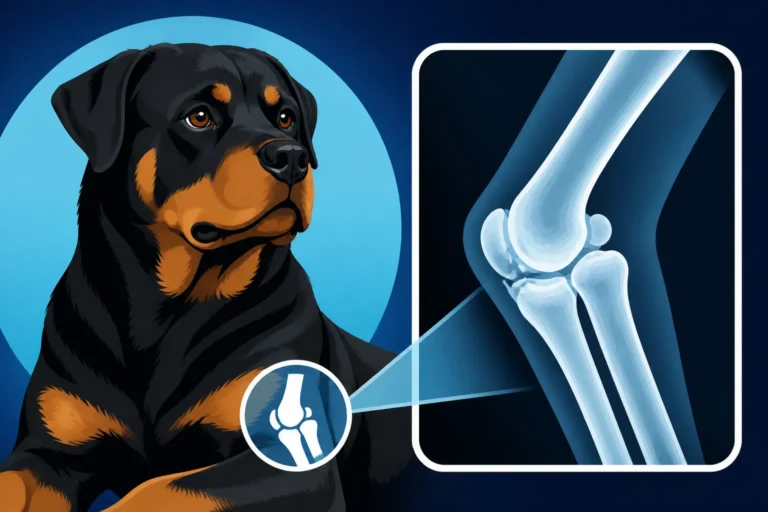
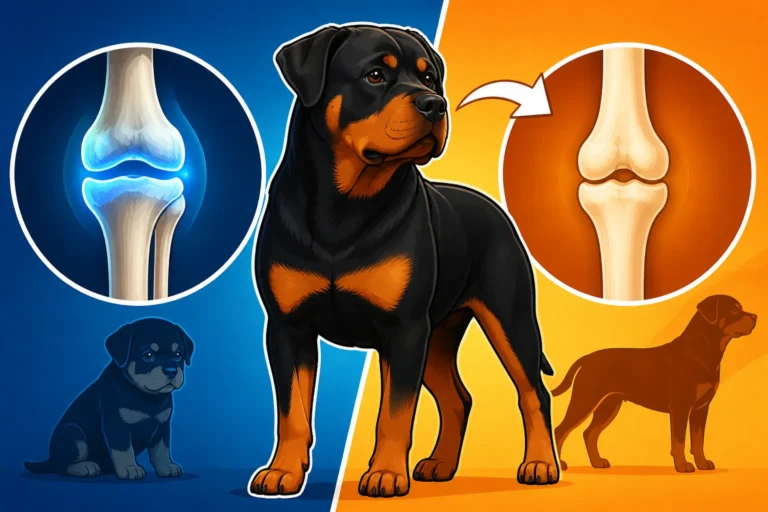
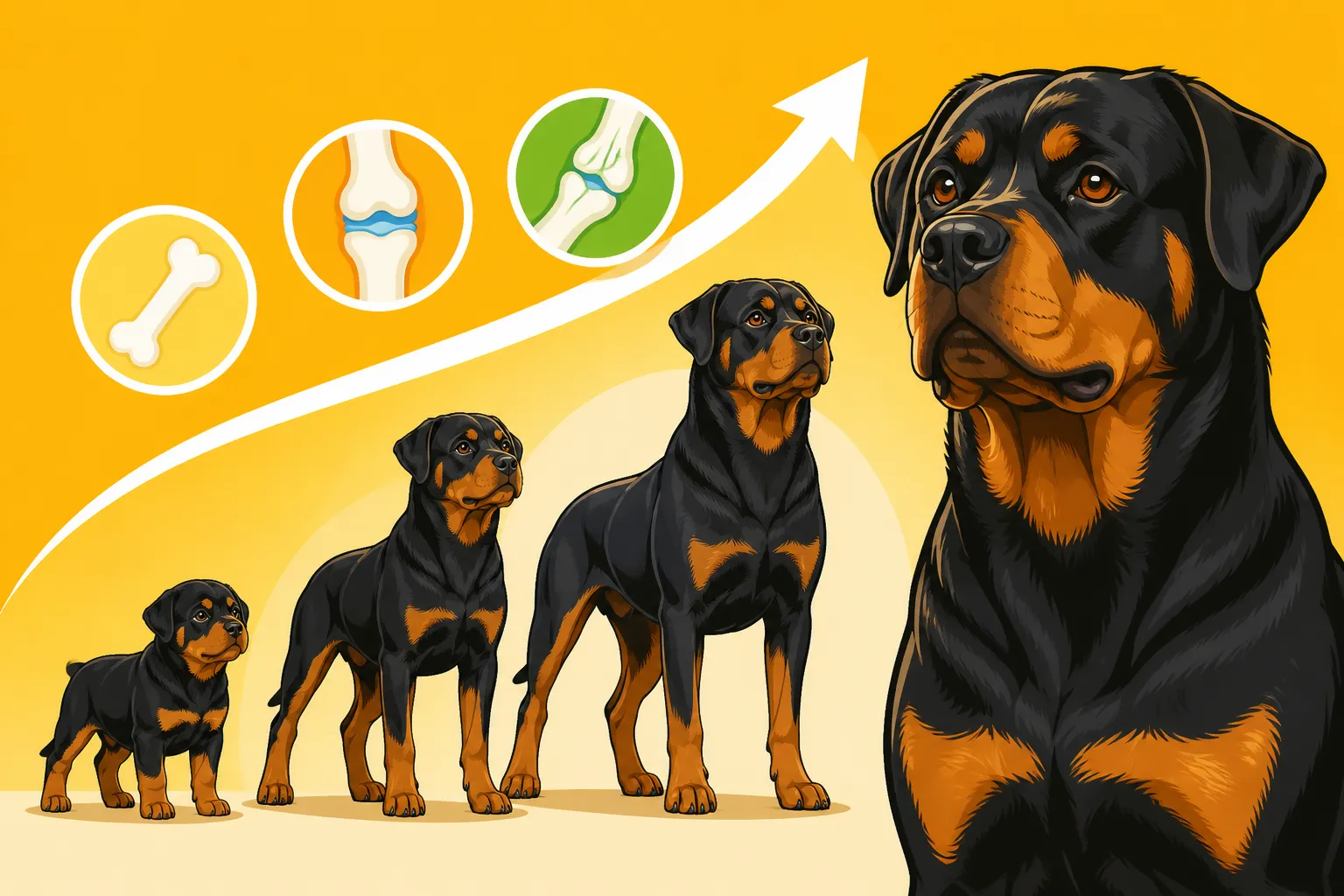
One of the most crucial reasons your Rottweiler seems to keep growing long past its first year lies deep within its bones: the growth plates. These are areas of cartilage located near the ends of long bones in puppies and young dogs, and they're responsible for all the skeletal lengthening that happens during growth. Unlike smaller breeds, which often see their growth plates fuse and close much earlier, sometimes even before 10-12 months, Rottweilers have a significantly extended period of skeletal development. This means those vital growth plates remain open and susceptible to injury for much longer.
Understanding Bone Development in Large Breeds
Think of a Rottweiler's development like building a skyscraper compared to a bungalow. A small breed dog, like a Jack Russell Terrier, might be fully developed in terms of bone structure and height by 8 to 10 months because their bones don't have to support as much weight or grow to such a massive size. Their growth plates close relatively quickly. For a Rottweiler, however, the sheer volume and density of bone required to support an eventual 80-135 pounds (or more!) means that their skeletal system needs more time to properly mature and strengthen. This isn't just about getting taller; it's about forming robust bones that can handle their impressive adult physique. This extended timeline is a key reason why discussions around topics like Rottweiler Growth Plates and Why They Close So Late are so important for owners.
This gradual process allows the bones to become dense and strong enough to withstand the incredible forces their large bodies will exert. Rushing this process, or not understanding its duration, can lead to developmental orthopedic diseases that plague many large breeds. It's a delicate balance, ensuring they get the right nutrition and exercise without overstressing immature joints. If you're ever in doubt about your Rottweiler's development, especially if you notice a limp or pain, a vet visit is paramount. Keeping up with all those vet visits and specialist consultations can be a strain on the wallet, which is why many savvy owners consider pet insurance from providers like Healthy Paws.
The Dangers of Early Intense Exercise
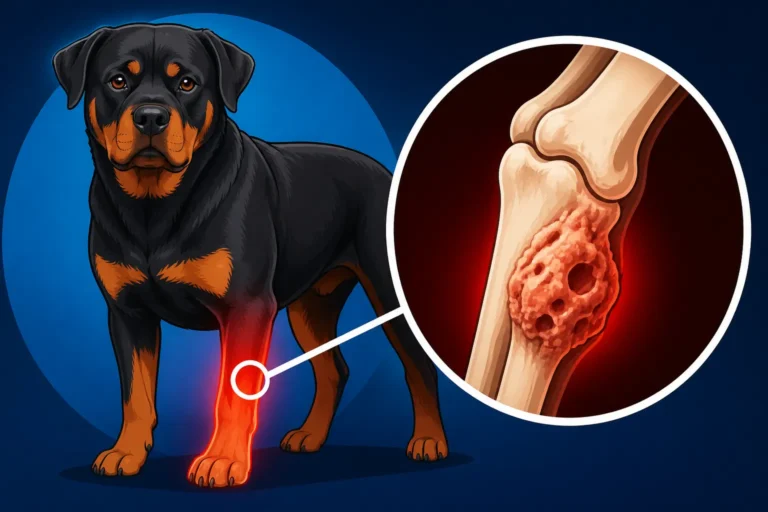
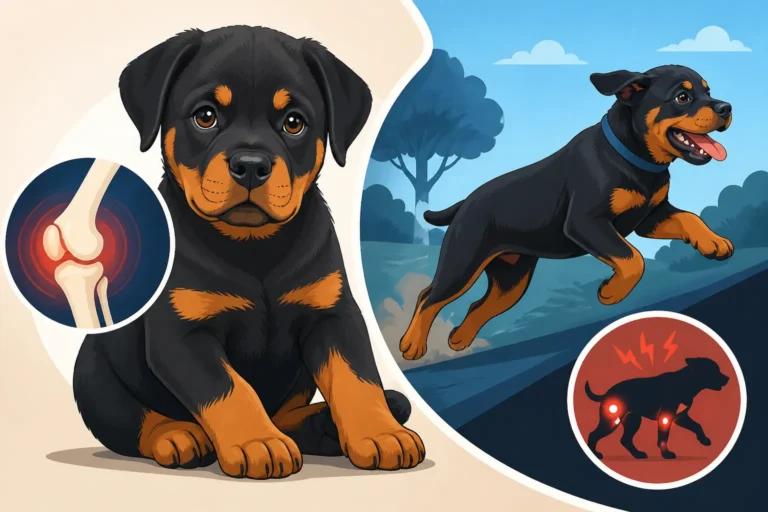
Because growth plates remain open longer in Rottweilers, they are inherently more vulnerable to injury. High-impact activities like repetitive jumping, long-distance running on hard surfaces, or even excessive stair climbing can place undue stress on these soft, still-developing areas. Imagine pushing on soft clay before it's had a chance to harden; it's prone to deformation. Similarly, impact on open growth plates can cause fractures, premature closure, or irregular growth, leading to conditions like angular limb deformities, or exacerbating predispositions to problems like hip and elbow dysplasia.
It's a frustrating situation because your Rottweiler puppy, with all their youthful energy, might look and act like they're ready for anything. They seem so strong, so robust, and it's easy to forget that beneath that impressive exterior, their skeleton is still a work in progress. This is why careful management of The Exercise That Damages a Growing Rottweiler is absolutely critical. Puppy play is fine, even encouraged, but intense, forced exercise or activities that involve repeated jarring motions should be avoided until those growth plates have definitely closed, typically closer to 18-24 months. Overexercising can also contribute to conditions like Panosteitis in a Growing Rottweiler Puppy, a painful but usually self-limiting inflammation of the long bones.
Beyond Height and Weight: Maturing into a Rottweiler
While your Rottweiler might hit its "adult" height around 12-14 months, and a significant portion of its weight around 18 months, that doesn't mean the growth stops. Think of it like a teenager who suddenly shoots up in height, looking lanky and gangly. They're tall, but they haven't "filled out" yet. Rottweilers go through a similar phase where they reach their skeletal framework, but then spend additional months packing on muscle, deepening their chests, and broadening their heads.
Filling Out and Musculature
Once the rapid lengthening of bones starts to slow down, usually around 12-18 months, your Rottweiler begins the process of truly "filling out." This is where they start to gain the impressive musculature and robust body condition that is characteristic of the breed. They'll transition from looking like a leggy, energetic teenager to a powerful, compact adult. This phase involves significant muscle development, which adds considerable weight and girth. It's not uncommon for a Rottweiler to put on another 10-20 pounds during this period, turning that lanky frame into a solid, imposing figure.
This filling out isn't just cosmetic; it's functional. Strong, well-developed muscles provide crucial support and stability for their large joints, helping to protect them even after the growth plates have closed. This phase requires continued attention to their diet, ensuring they're getting adequate protein and nutrients to build and maintain this muscle mass. Even after reaching their adult height, they continue to fill out and build muscle, a process that demands a consistent, high-quality diet and regular, controlled exercise. This prolonged development period means more vet checks, especially concerning those crucial joints, making comprehensive pet insurance like Healthy Paws a wise investment.
Mental and Physical Coordination
As their physical body matures, so too does their coordination and mental prowess. A young Rottweiler, even a big one, can often be surprisingly clumsy. They're still learning to manage their rapidly changing body, navigate the world with their increasing size, and fine-tune their movements. Think of a gangly colt finding its legs; it takes time to move with grace and power. As their growth plates solidify and their muscles become more defined, their proprioception – their sense of their body in space – improves dramatically.
This improved physical coordination often goes hand-in-hand with mental maturation. The boisterous, sometimes haphazard energy of a young Rottweiler puppy will gradually give way to the calm, self-assured demeanor characteristic of a mature adult. They learn to control their impulses better, respond more reliably to commands, and generally become more settled and confident. This developmental arc is a big part of what makes Rottweilers such magnificent adults, but it requires patience and consistent training throughout their protracted adolescence. Owners often find that topics such as Rottweiler Puppy Training Through the First Year are helpful guides during this extended period of development.
Nutritional and Lifestyle Considerations for Extended Growth
Understanding that your Rottweiler is growing for longer than many other breeds profoundly impacts how you care for them. It means the specialized care for puppies, particularly in terms of diet and exercise, needs to extend well beyond their first birthday. Ignoring this can have serious long-term consequences for their joint health and overall well-being.
Sustained Large Breed Puppy Nutrition
Perhaps the most critical aspect of caring for a growing Rottweiler is its diet. It is absolutely paramount that Rottweilers, and other large and giant breeds, are fed a high-quality, large breed puppy formula until they are at least 18 months old, and sometimes even up to two years. These specialized formulas are designed with carefully controlled calcium and phosphorus levels, and an appropriate calorie density, to promote slow, steady growth. This is in direct contrast to regular puppy foods, which are often too rich in calories and calcium for a large breed puppy, encouraging rapid growth that can overwhelm developing joints and bones.
Feeding a regular puppy food, or worse, supplementing with calcium, can lead to severe skeletal problems, including osteochondrosis (OCD), hypertrophic osteodystrophy (HOD), and increased risk of hip and elbow dysplasia. It’s a common misconception that more calcium is better for growing bones, but for large breeds, too much can actually be detrimental. Therefore, discussions about Rottweiler Calcium Limits and Why Supplements Hurt are vital. Your vet will track your dog's growth and advise on when it's appropriate to switch from large breed puppy food to adult formula, or when to gradually increase exercise intensity. Many pet owners find that having support from providers like Healthy Paws helps them afford these regular check-ups and any necessary early interventions.
It's also important to manage their weight. A chunky puppy might look cute, but excess weight puts additional strain on those developing joints. You should be able to easily feel your Rottweiler's ribs without seeing them, and they should have a discernible waist when viewed from above. Regularly checking their body condition score with your veterinarian will ensure they are growing at a healthy rate. For more detailed information, exploring content like Daily Calories for a Rottweiler Puppy at Four Months can provide valuable insights into managing their intake during these crucial months.
Protecting Developing Joints
The extended period of growth plate closure means that joint protection is a priority for much longer in a Rottweiler's life. This isn't just about nutrition; it's also about careful management of their physical activity. While regular, moderate exercise is essential for building muscle and maintaining a healthy weight, high-impact or repetitive activities should be avoided until your vet confirms those growth plates are fully closed.
Here are some practical steps to protect your Rottweiler's joints:
- Limit jumping: Avoid jumping from heights, like off furniture, out of cars, or intense fetch that involves repeated, high jumps.
- Avoid excessive stairs: Limit trips up and down stairs, especially for very young puppies. Consider ramps for cars. Stairs and a Rottweiler Puppy's Joints elaborates on this.
- No forced running: Never force a growing Rottweiler to jog or run long distances alongside you. Let them set their own pace during walks and play.
- Soft surfaces for play: Encourage play on softer surfaces like grass or sand rather than hard pavement.
- Controlled leash walks: Focus on controlled, moderate leash walks rather than intense, prolonged sprints.
- Avoid rough play with older, larger dogs: While socialization is important, ensure playmates are not overly rough or heavy-handed, which could lead to injury.
The financial implications of treating conditions like hip or elbow dysplasia, which can be exacerbated by incorrect growth, are substantial. Having a plan with Healthy Paws can provide immense peace of mind should a developmental issue arise. Remember, prevention and careful management during these critical early years are far more effective and less costly than treatment later on. This also ties into why rigorous screening, such as the Rottweiler Hips and Elbows and the 24-Month Rule by organizations like OFA, is so important for breeding parents.
Recognizing Full Maturity
So, how do you know when your Rottweiler is truly done growing and has reached its full adult potential? It's not always a sudden event, but rather a gradual transition you'll observe both physically and behaviorally. It's a satisfying milestone, signifying that your big puppy has become the magnificent, stable adult you envisioned.
Physical Indicators of Skeletal Maturity
Once your Rottweiler approaches its second birthday, you'll start to see a completion of its physical development. Here are some key indicators:
- Stable height and length: Their height at the shoulder and body length will remain consistent for several months.
- Full chest and bone depth: Their chest will have dropped and widened considerably, giving them that characteristic deep, broad appearance. The entire bone structure will appear dense and robust.
- Broadening of the head: The head, particularly in males, will often continue to broaden and deepen, giving it a more powerful, mature look.
- Muscle definition: They will have filled out significantly, with well-defined musculature across their shoulders, back, and hindquarters. They won't look "leggy" anymore.
- Weight stabilization: While weight can fluctuate slightly based on diet and exercise, their overall adult weight will have largely stabilized.
Your veterinarian can also confirm growth plate closure through X-rays, although this is usually only done if there's a medical reason or as part of health clearances for breeding, such as those required for The Five Evaluations a Rottweiler Needs for CHIC. Most owners can gauge maturity by observing these physical changes over time.
To give you a clearer picture, here's a general timeline for a Rottweiler's growth and development:
| Age (Months) | Approximate Height/Weight Progression | Key Developmental Stages |
|---|---|---|
| 0-4 | Rapid height and weight gain | Intense neurological development, socialization window |
| 4-8 | Continued rapid growth, becoming "lanky" | Puppy energy, learning basic manners |
| 8-12 | Nearing adult height, gaining significant weight | Adolescence, testing boundaries, growth plates still open |
| 12-18 | Reaching adult height, filling out, muscle development | Growth plates often closing, increasing coordination |
| 18-24 | Continued filling out, chest deepening, head broadening | Growth plates typically closed, mental maturity settling |
| 24+ | Full physical and mental maturity | Stable adult size, temperament, and health |
Please note: These are general guidelines. Individual Rottweilers may vary.
Behavioral and Energetic Shifts
Beyond the physical changes, a truly mature Rottweiler also exhibits a shift in behavior and energy levels. The boundless, sometimes chaotic energy of a puppy will generally mellow out. This isn't to say they become lazy; Rottweilers are still active dogs, but their energy tends to be more purposeful and controlled. They often become more settled in the home, less prone to destructive behaviors born of boredom, and more inclined to relax quietly by your side.
They'll also show increased confidence, judgment, and emotional stability. The anxiousness or over-excitement that some adolescent Rottweilers display around new situations or people often diminishes, replaced by the breed's hallmark self-assured and aloof nature. This mental maturation is just as significant as the physical one and marks the transition from a "big puppy" to a truly adult Rottweiler, a loyal and formidable companion. Understanding this extended period of development is key to nurturing a healthy, well-adjusted Rottweiler into its magnificent adulthood.
Disclaimer
The information provided in this article is for general informational purposes only and is not a substitute for professional veterinary advice. Always consult with a qualified veterinarian for any health concerns or before making any decisions related to your Rottweiler's care, diet, or exercise regimen.