Whether a Retiree Can Manage a Rottweiler
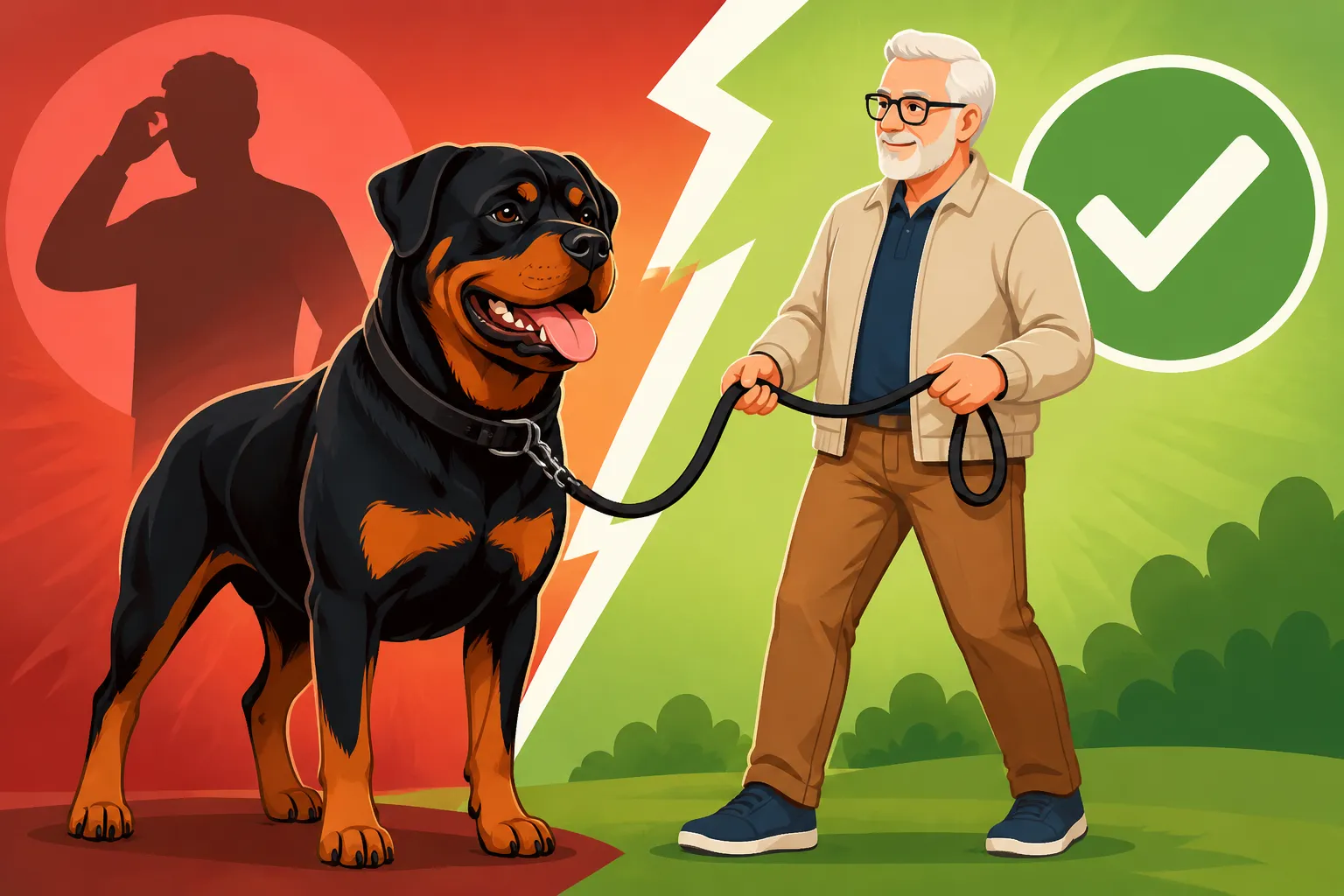
It's a question many wonderful, experienced people ask as they approach or enter their retirement years: is a Rottweiler a realistic companion for this stage of life? The truth is, while a Rottweiler brings immense joy and loyalty, their sheer size, strength, and needs can present unique challenges that are sometimes underestimated. This guide will help you honestly assess what it takes to welcome one of these magnificent dogs into your golden years, looking at both the practicalities and the undeniable rewards.
Understanding the Rottweiler's Needs at Any Age
Before we dive into the specifics of retirement, it's crucial to understand what makes a Rottweiler, well, a Rottweiler. These aren't dainty lapdogs. They are powerful, intelligent, and often very opinionated dogs with a rich history as working companions. Their needs remain consistent whether their owner is twenty or seventy.
Physical Demands and Exercise Requirements
One of the biggest misconceptions about large, calm-looking dogs like Rottweilers is that they don't need much exercise. While they certainly appreciate a good nap on the couch, a Rottweiler is a working breed at heart and requires consistent physical activity to stay healthy and happy. We're not talking about a quick potter around the block; we're talking about substantial walks.
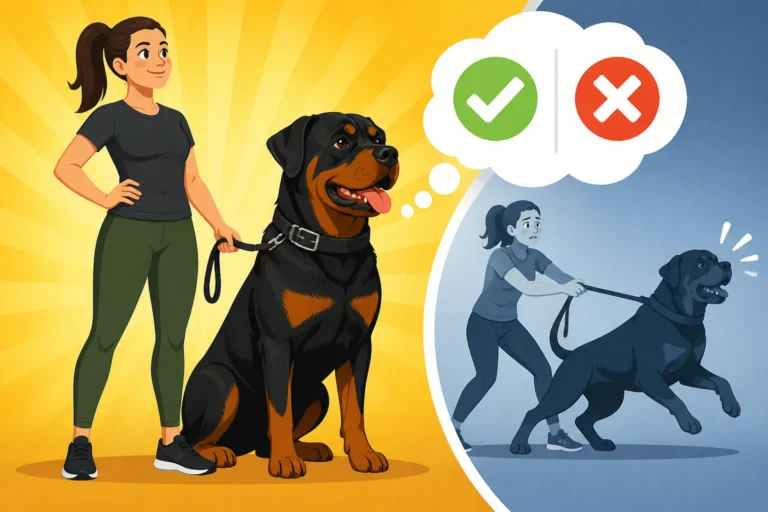
Think about a healthy, adult Rottweiler. They thrive on brisk walks, playtime in a secure yard, and activities that challenge their bodies. A typical day might include two decent walks, perhaps 30-45 minutes each, plus some mental games. Imagine trying to manage a sudden surge of energy from a 100-pound dog when you're feeling a bit stiff yourself. Even a well-trained Rottweiler can react to a squirrel or another dog, and their strength can be surprising. Rottweiler Leash Pulling at Adult Weight is a real concern, and it's something to prepare for long before it becomes an issue. For puppies, the exercise needs are different, focused more on controlled play to protect their developing joints, as discussed in A Growing Rottweiler's Joints and Overexercise. It’s a delicate balance to provide enough activity without overdoing it, particularly in those crucial early years.
Training and Mental Stimulation
Rottweilers are smart, very smart. This means they absolutely need their brains to be engaged as much as their bodies. They excel in obedience, tracking, and other dog sports because they love having a job to do. If they're not given appropriate outlets for their intelligence, they can become bored, and a bored Rottweiler can quickly invent their own "jobs"—which often manifest as destructive behaviors like chewing, digging, or excessive barking.
Consistent, positive reinforcement training is essential from day one, whether you bring home a puppy or an adult rescue. This isn't just about teaching "sit" and "stay"; it's about establishing a clear communication system and building a strong bond. Attending obedience classes can be wonderful, but it also requires an owner who can physically participate, manage the dog in a group setting, and consistently follow through with homework. A Rottweiler puppy needs Rottweiler Puppy Training Through the First Year to set them up for success. Even an older Rottweiler benefits from continued mental enrichment, like puzzle toys or learning new tricks. Their minds are sharp, and keeping them active helps prevent behavioral issues that can be difficult for anyone to manage, let alone someone with limited physical strength.
Size and Strength Considerations
This is where the rubber truly meets the road for many potential retiree owners. A male Rottweiler can easily weigh 100-135 pounds, and a female 80-100 pounds. They are broad, muscular, and incredibly strong. Imagine trying to lift your Rottweiler into a car if they're injured, or guide them out of the vet's office if they're nervous. Even simple tasks like grooming or getting them positioned for a vet exam can require significant physical effort.
Their sheer size can also be a challenge in the home. A happy wagging tail can clear a coffee table in seconds, and a playful body bump can send a person off balance. If you live in a multi-story home, consider Helping a Senior Rottweiler Up the Stairs if you already have mobility issues yourself, as a young Rottweiler might pull you down, and an old one might need assistance. Harness Hardware That Holds a Pulling Rottweiler is a topic often discussed because even with good training, a sudden lunge from a strong Rottweiler can be dangerous for someone who isn't physically robust. It's not about the dog being malicious; it's simply about their natural power.
Assessing a Retiree's Lifestyle and Capabilities
Now that we've covered the Rottweiler's inherent traits, let's turn the lens to the prospective owner. Retirement offers wonderful freedoms, but it also means a potential shift in physical capabilities, financial resources, and social routines.
Physical Health and Mobility
This is perhaps the most critical factor. Be brutally honest with yourself: how is your physical health? Do you have any chronic conditions like arthritis, back pain, or balance issues? Are you prone to falls? Can you walk several miles a day, consistently, rain or shine? Can you react quickly to a dog's sudden movement?
Managing a large, powerful dog like a Rottweiler requires a certain level of physical resilience. Daily walks, bending down for feeding, cleaning up accidents, or even just playing tug can be taxing. If you struggle with mobility now, think about how you might feel in five or ten years. A Rottweiler can live for eight to ten years, sometimes longer, and you want to be able to meet their needs for their entire life. If you're looking for a dog to get you more active, a Rottweiler might be too much, too fast. It's important to be realistic about your energy levels and physical limitations, both current and projected.
Time Commitment and Social Life
One of the great advantages a retiree often has is more time. This is a huge bonus for a Rottweiler, as they thrive on companionship and interaction. Having someone home for much of the day can prevent boredom and separation anxiety, which can be a problem in Rottweilers if they are Hours Alone Before a Rottweiler Starts Patrolling. Your days might be less structured, allowing for flexible walk times and extended training sessions.
However, consider your other commitments. Do you travel frequently? Who will care for a large, often breed-restricted dog while you're away? Boarding a Rottweiler When Facilities Say No can be a challenge. Do you have a vibrant social life that takes you out of the house for long stretches? While you might have more free hours, ensure those hours align with a Rottweiler's needs for consistent attention and routine. Grandchildren visiting, especially small ones, also need careful consideration due to the dog's size and play style, as explored in Rottweilers and Toddlers Under the Same Roof. It’s about ensuring the dog enhances your retirement, rather than becoming a source of stress or limitation.
Financial Considerations for a Large Breed
Owning a Rottweiler is not cheap. Their size dictates higher costs across the board. Food bills alone can be substantial; a 100-pound dog eats a lot more than a small terrier. You'll need large, durable equipment like crates, beds, and harnesses, which tend to be more expensive. Companies like Chewy offer auto-ship options and a wide variety of large-breed specific products, which can help manage recurring costs and ensure you always have what you need.
Beyond daily expenses, veterinary care can be a major factor. Rottweilers are prone to certain health issues like Rottweiler Hip Dysplasia and the OFA Grade and Bloat in a Rottweiler and the Hours That Matter, which can lead to expensive surgeries. Rottweiler Surgery Costs From Bloat to Bone Cancer can run into thousands of dollars. Pet insurance is highly recommended, but premiums for large breeds, especially as they age, can be significant. Even preventive care, like flea and heartworm medications, are dosed by weight, meaning higher costs for a Rottweiler. For retirees on a fixed income, it’s vital to have a substantial emergency fund or robust pet insurance coverage.
Strategies for Successful Rottweiler Ownership in Retirement
If you've carefully considered the challenges and still feel a Rottweiler is the right fit, there are many strategies you can employ to make the journey successful and joyful. It's all about proactive planning and building a strong support network.
Choosing the Right Rottweiler
The choice of which Rottweiler makes a huge difference. For a retiree, a high-energy, dominant puppy might not be the ideal match.
- Puppy vs. Adult: While puppies are undeniably cute, they are also a whirlwind of energy, sharp teeth, and endless training needs. Rottweiler Puppy Training Through the First Year is a full-time job. An adult Rottweiler, particularly one past the age of three or four, might be a better fit. Many rescues have well-socialized, house-trained adults whose temperaments are already established. You can find a calmer, more settled dog that still has plenty of love to give, without the intense demands of puppyhood.
- Temperament is Key: Regardless of age, prioritize temperament. Look for a dog with a calm, confident, and biddable nature. Avoid puppies or adults that seem overly boisterous, reactive, or nervous. Speak extensively with breeders about their lines' temperaments, or with rescue organizations about an adult dog's history and personality.
- Health Clearances: Insist on puppies from breeders who provide verifiable health clearances for hips, elbows, heart, and eyes, and who test for JLPP. This increases the chances of a healthier dog, potentially reducing future vet bills and heartbreak. The Five Clearances a Rottweiler Breeder Must Have is non-negotiable.
Building a Support System
You don't have to do it all alone. Building a reliable support network is key to sustainable Rottweiler ownership, especially for retirees.
- Professional Trainers: Even if you're experienced, a professional trainer can be invaluable. They can help with specific behavioral issues, teach you new techniques, or even provide one-on-one sessions that are less physically demanding than group classes. Finding a trainer experienced with large, strong breeds is crucial.
- Dog Walkers and Pet Sitters: Don't hesitate to hire help for daily walks if you're having an off day, or if the weather is bad. Regular dog walkers can ensure your Rottweiler gets their necessary exercise consistently. For vacations or emergencies, a trusted pet sitter who is comfortable with large breeds can be a lifesaver. Look for local services on platforms like Rover or ask your vet for recommendations.
- Family and Friends: If you have supportive family or friends nearby, enlist their help. They might enjoy taking your Rottweiler for a hike, or simply coming over to play fetch in the yard, providing additional socialization and exercise.
- Online Resources: Utilize online communities for support and advice. Forums, Facebook groups, and reputable blogs (like this one!) offer a wealth of information and connection with other Rottweiler owners who understand the breed. You can also order heavy items like large bags of food or treats for a Daily Calories for a Hundred Twenty Pound Rottweiler directly to your door from online retailers such as Chewy, saving you the physical strain of lugging them home.
Adapting the Home and Routine
Thoughtful adaptations to your living space and daily routine can significantly ease the management of a large dog.
- Ramps and Non-Slip Surfaces: If you have an older Rottweiler, or if you anticipate mobility issues for yourself or your dog, ramps for cars or stairs can be invaluable. Non-slip rugs on hard floors can prevent slips and falls for both humans and dogs, especially in an older dog struggling with Senior Rottweiler Mobility Decline.
- Raised Bowls: While The Raised Bowl Argument in Rottweiler Bloat has mixed scientific evidence regarding bloat prevention, raised bowls can certainly make eating more comfortable for a large dog, reducing strain on their neck and joints.
- Grooming Stations: Invest in a sturdy grooming table if you plan to do much of the grooming yourself. This reduces bending and stooping. Otherwise, find a groomer who can handle large breeds for regular bathing and nail trims.
- Safety Gates: Baby gates designed for large breeds can help manage access to certain areas of the house, preventing your Rottweiler from inadvertently knocking someone over or getting underfoot.
- Routine and Predictability: Rottweilers thrive on routine. A predictable schedule for meals, walks, and training can reduce anxiety and make for a calmer, more settled companion.
Common Challenges and How to Overcome Them
Even with the best intentions and preparations, challenges can arise. It's about recognizing them early and having a plan to address them.
Managing Physical Strain
Let's face it, there will be days when you just don't feel up to a long walk or wrestling a large dog into the bath. This is where your support system comes into play.
- Invest in Good Gear: A well-fitting harness (like a front-clip harness) or a head halter can give you much more control over a pulling Rottweiler than a standard collar. Harnesses and Head Halters Sized for a Rottweiler are designed to make walks easier for the handler. For grooming, consider a sturdy drying towel that absorbs a lot of water to minimize lifting and wrestling after a bath. You can find many options on Chewy that are rated for large, strong dogs.
- Prioritize Mental Exercise: On days when physical activity is limited, lean heavily on mental stimulation. Puzzle toys, scent work games, or short indoor training sessions can tire a Rottweiler's mind without requiring intense physical effort from you.
- Adaptive Equipment: For things like nail trims, consider a dremel tool rather than clippers, which can be easier on your hands and less stressful for the dog if introduced correctly. For bathing, a walk-in shower with a non-slip mat or a visit to a self-service dog wash with elevated tubs can make the task manageable.
Unexpected Health Issues
Unfortunately, as dogs age, health issues become more likely. For a large breed like a Rottweiler, these can be profound and expensive.
- Emergency Fund or Pet Insurance: Revisit the financial aspect. Having a dedicated emergency fund or comprehensive pet insurance, like plans offered by Trupanion or Healthy Paws, is critical. This peace of mind allows you to make medical decisions based on what's best for your dog, rather than solely on cost. Even with insurance, it's wise to understand What a Rottweiler Policy Will Not Cover to manage expectations.
- Regular Vet Check-ups: Maintain a proactive approach to your Rottweiler's health. Regular veterinary check-ups, especially as they enter their senior years, can catch issues early. Discuss Bloodwork Worth Running on a Senior Rottweiler with your vet to monitor for common age-related conditions.
- Palliative Care: Be prepared for discussions about quality of life. As Rottweilers age, they can develop conditions like arthritis. Understanding options for pain management and palliative care is important, as covered in Palliative Care for a Rottweiler With Cancer (even if it's not cancer, the principles apply). Making End-of-Life Decisions for a Rottweiler is incredibly tough but being prepared helps.
Social Isolation and Traveling with a Rottweiler
Retirement often means more freedom to travel or pursue hobbies, but a large dog can complicate these plans.
- Finding Dog-Friendly Options: Research dog-friendly hotels, parks, and even restaurants if you plan to travel with your Rottweiler. Many places have breed restrictions, so always call ahead.
- Reliable Pet Care: If traveling without your dog, ensure you have a trusted network of pet sitters or a reputable boarding facility that accepts large breeds. Build these relationships long before you need them.
- Community Engagement: Don't let your dog become a reason for social isolation. Join local dog clubs, participate in obedience classes (if physically able), or find dog-friendly social groups. This not only benefits your Rottweiler's socialization but also provides you with a community of like-minded individuals. A well-trained Rottweiler can even become a certified therapy dog, opening doors to new social opportunities and community involvement, as explored in Therapy Dog Certification for a Rottweiler.
| Consideration | Retiree Advantage | Rottweiler Challenge | Potential Solution |
|---|---|---|---|
| Time Commitment | More time for companionship & training | Needs consistent attention to prevent boredom | Structured daily routine, mental games, hired dog walker |
| Physical Demands | Can be a motivator for activity | High strength, can pull; heavy to lift/manage | Front-clip harness, trainer, dog walker, ramps, physical aids |
| Financial Cost | Fixed income, need to budget carefully | High food, vet, insurance costs for large breed | Pet insurance, emergency fund, bulk buying (e.g., Chewy), budget for professional help |
| Social Life/Travel | More flexibility for travel | Breed restrictions, finding sitters for large dogs | Research dog-friendly places, establish trusted pet sitter network, local dog groups |
| Home Environment | Can adapt home for comfort | Takes up space, can be clumsy due to size | Ramps, non-slip flooring, sturdy furniture, gates |
Ultimately, owning a Rottweiler in retirement is not just possible, but can be incredibly enriching, provided you approach it with realistic expectations, thorough preparation, and a willingness to adapt. These loyal, loving dogs offer unparalleled companionship, and with the right planning, they can be a wonderful part of your golden years.
Disclaimer
This article is for general informational purposes only and does not constitute professional advice. Laws, prices and regulations vary by location and change over time. Consult a qualified professional for guidance on your specific situation.