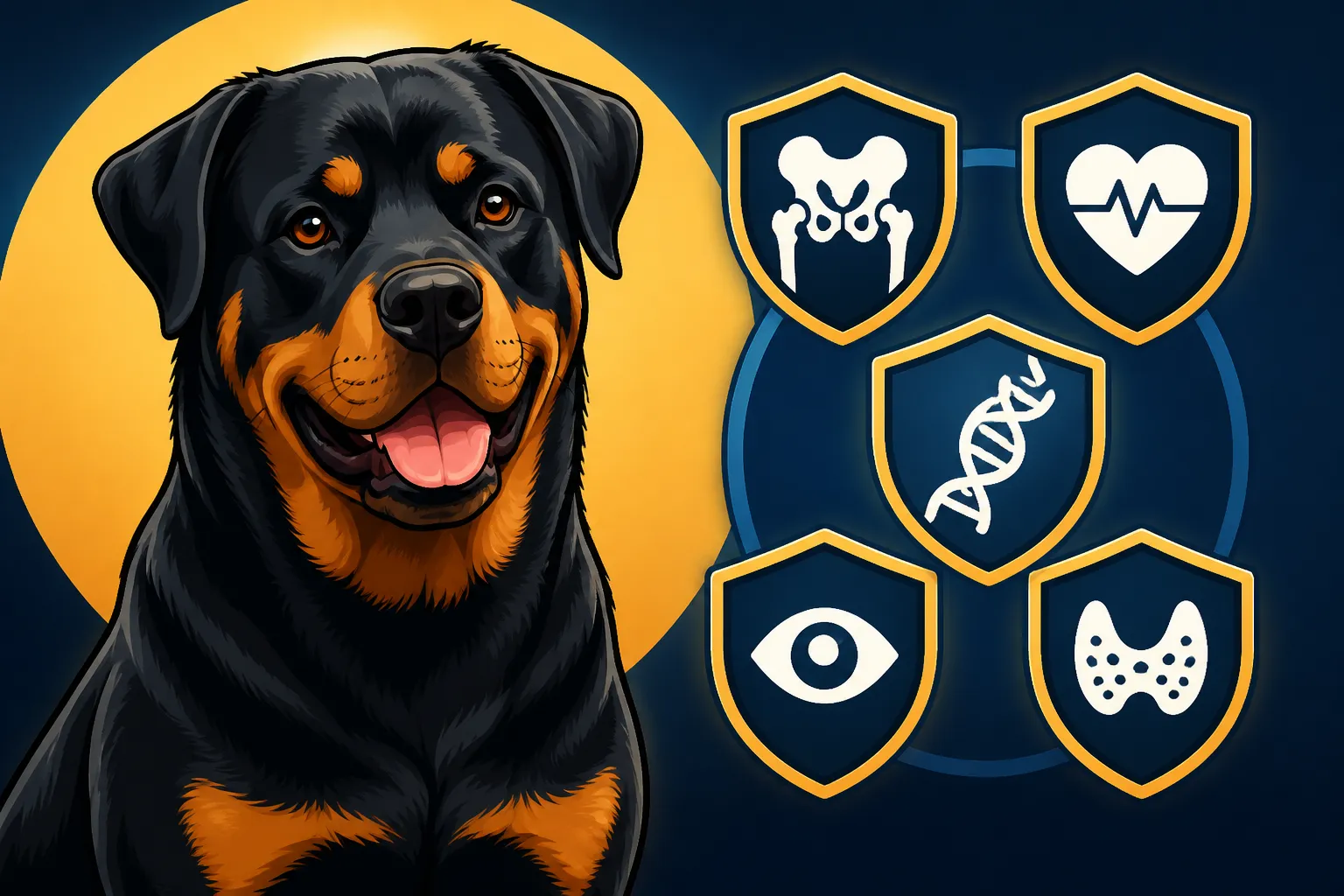
The Five Clearances a Rottweiler Breeder Must Have
It can be incredibly confusing and even overwhelming when you first start looking for a Rottweiler puppy, especially when breeders begin talking about "clearances" and "certifications." You just want a healthy, happy companion, but suddenly you're faced with acronyms like OFA, CERF, and terms like "dysplasia" or "SAS." This guide is here to cut through that noise, explaining in plain language the five absolutely essential health clearances that any reputable Rottweiler breeder must have for their breeding dogs, and why they matter so much for the future health of your potential puppy.
Understanding the Foundation of Responsible Rottweiler Breeding
Bringing a Rottweiler into your home is a huge commitment, and you want to stack the deck in favor of a long, healthy life for your new family member. That journey really begins long before your puppy is even conceived, with the careful choices made by a responsible breeder. They understand that while genetics aren't the only factor in a dog's health, they are a profoundly significant one, and that’s where health clearances come in.
Why Health Clearances Are Non-Negotiable
For a breed as magnificent and powerful as the Rottweiler, certain genetic predispositions can lead to heartbreaking and expensive health issues down the line. We’re talking about conditions like hip and elbow dysplasia, which can cause chronic pain and lameness, or inherited heart conditions that can shorten a lifespan drastically. Without proper health testing, breeders are essentially guessing, playing a game of chance with the well-being of their puppies and, by extension, the families who will love them.
Think about it from a preventative standpoint. If a parent dog carries genes for a serious condition, there's a good chance some of their offspring will inherit those genes. A responsible breeder goes to great lengths to minimize this risk by having their breeding stock undergo specific evaluations. They do this not just for their own reputation, but because they genuinely care about the dogs they bring into the world. It's an ethical responsibility to ensure they are passing on the best possible genetic blueprint. Skipping these vital steps is a shortcut that often leads to heartache for future owners, potentially resulting in thousands of dollars in veterinary bills or, even worse, the premature loss of a beloved pet.
The Role of OFA and Other Registries
When we talk about health clearances, the Orthopedic Foundation for Animals, or OFA, is probably the most widely recognized name in the United United States. OFA is a not-for-profit organization that provides a centralized database for canine health information. They establish health testing protocols, evaluate radiographs and other test results from veterinary specialists, and then issue certifications based on specific criteria. These certifications are publicly verifiable, which is a key component of transparency in breeding. A breeder should always be able to provide you with an OFA public database number for their dogs, allowing you to look up the results yourself.
While OFA handles a broad range of clearances, including hips, elbows, patellas, and cardiac evaluations, other organizations and specific tests play a role too. For instance, eye certifications often fall under a specific ophthalmologist's purview, with results submitted to OFA for database entry. DNA tests for specific genetic diseases like JLPP are often performed by specialized laboratories, with those results also being recorded with OFA to create a comprehensive health profile. These registries act as a crucial system of checks and balances, providing a standard for health evaluation and helping to ensure that the health claims made by breeders are backed up by objective, expert assessment. It’s how we can collectively work towards healthier generations of Rottweilers.
Clearance One: Hips for Sound Movement
When you picture a strong, robust Rottweiler, you probably envision a dog with powerful, effortless movement. Unfortunately, hip problems can severely undermine this image, turning joyful romps into painful struggles. This is precisely why hip clearance is paramount for any breeding Rottweiler.
The Scourge of Hip Dysplasia in Rottweilers
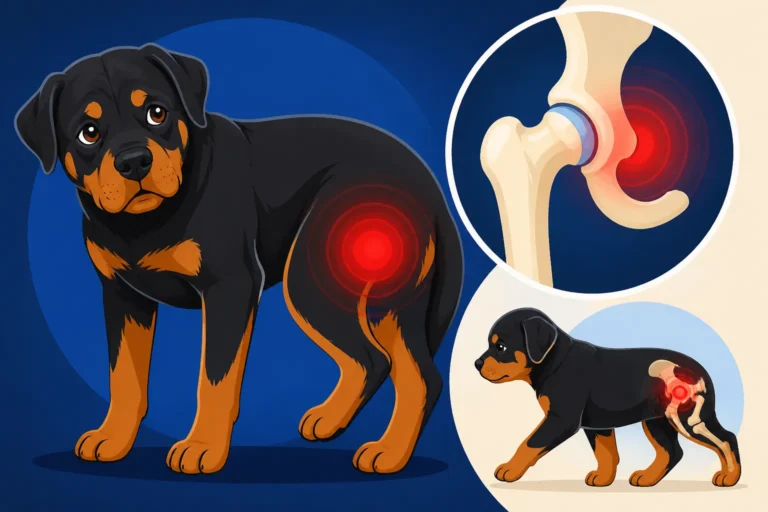
Hip dysplasia is an inherited condition that affects the hip joints. Essentially, the hip joint – a ball-and-socket joint – doesn't develop correctly, leading to a loose fit between the head of the femur (the ball) and the acetabulum (the socket). For a large, heavy breed like the Rottweiler, this poor fit means the joint surfaces grind against each other instead of gliding smoothly. Over time, this abnormal wear and tear leads to painful degenerative joint disease, or osteoarthritis.
The impact on a Rottweiler can be devastating. Symptoms can range from a subtle lameness, difficulty getting up, reluctance to jump or play, to severe pain and crippling arthritis. Imagine a powerful Rottweiler, bred for strength and endurance, struggling to simply walk or climb stairs. It’s heartbreaking to witness. While environmental factors like diet and exercise can influence the expression of hip dysplasia, the underlying genetic predisposition is there from birth. This is why screening breeding dogs is so vital. If both parents have excellent hips, the chances of their puppies developing severe dysplasia are significantly reduced. Even with the best genetics, accidents can happen, but starting with healthy parents from a breeder who can show you Rottweiler Hip Dysplasia and the OFA Grade for their dogs is the first step towards preventing this debilitating condition.
The OFA Hip Evaluation Process
To get an official OFA hip clearance, a Rottweiler must be at least 24 months old. This age requirement is critical because the hip joints continue to develop and mature throughout the first two years of a dog's life. Radiographs (X-rays) taken too early might not accurately reflect the dog's adult hip conformation, potentially giving a false "normal" reading.
The process involves a veterinary radiograph performed under sedation or general anesthesia. This ensures the dog is relaxed and perfectly positioned for the specific views required by OFA. The most common view is the ventrodorsal (VD) extended hip view, where the dog lies on its back with its hind legs extended straight back. These X-rays are then submitted to OFA, where a panel of three independent, board-certified veterinary radiologists reviews them. They assess various anatomical features of the hip joint, looking for signs of looseness, abnormal bone remodeling, and arthritic changes.
OFA assigns one of seven grades: Excellent, Good, or Fair are considered passing grades for breeding. Borderline, Mild, Moderate, or Severe are failing grades, indicating varying degrees of hip dysplasia. A responsible breeder will only breed dogs that have received a passing grade (Fair or better). It's important to understand that a "Fair" grade is still acceptable for breeding, as it signifies functionally normal hips. However, many conscientious breeders strive for "Good" or "Excellent" in their breeding stock to continually improve the breed. Knowing that breeders have adhered to the Rottweiler Hips and Elbows and the 24-Month Rule for these evaluations gives peace of mind.
Clearance Two: Elbows for Robust Front Support
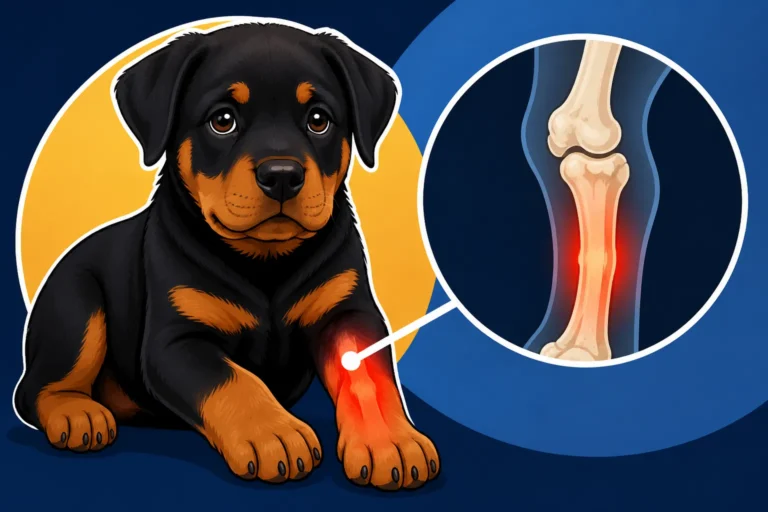
Just like hips, healthy elbows are essential for a Rottweiler, given their powerful front assembly and significant body weight. Elbow dysplasia is another common and often painful condition that responsible breeders diligently screen for.
Elbow Dysplasia and the Rottweiler's Burden
Elbow dysplasia is not a single disease but a complex, inherited condition that involves abnormal development of the elbow joint. It can manifest in several ways, often concurrently, including:
- Fragmented Coronoid Process (FCP): A small piece of bone breaks off from the ulna.
- Ununited Anconeal Process (UAP): A growth plate in the ulna fails to fuse properly.
- Osteochondritis Dissecans (OCD): A flap of cartilage separates from the surface of the humerus.
- Elbow Incongruity: The bones forming the elbow joint don't fit together perfectly.
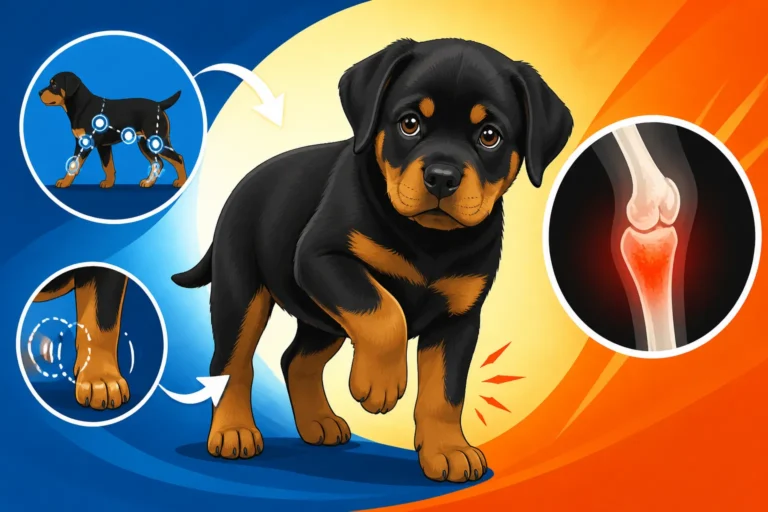
Any of these conditions can lead to pain, lameness, and the early onset of debilitating arthritis in the elbow joint. For a Rottweiler, carrying their substantial weight on compromised front legs can be incredibly difficult. Imagine the impact of every step, every jump, every movement on a joint that isn't developing or functioning properly. The pain can be constant, leading to a noticeable stiffness, a persistent limp, or a reluctance to engage in activities they once loved. It can begin subtly in puppyhood and progressively worsen, affecting their quality of life dramatically. Recognizing Rottweiler Elbow Dysplasia and Front Leg Lameness early through screening is crucial.
OFA Elbow Evaluation and What It Reveals
Similar to hip evaluations, OFA elbow certifications require the dog to be at least 24 months of age for official certification. This allows for full skeletal maturity of the elbow joint. The process again involves sedation or anesthesia to get precise radiographic views. For elbows, specific flexed lateral views are generally taken.
These radiographs are submitted to OFA and reviewed by three board-certified veterinary radiologists. The radiologists evaluate the bones and joint spaces for any signs of abnormal development or arthritic changes associated with elbow dysplasia. OFA provides a straightforward grading system for elbows:
- Normal: The elbow joint is free of evidence of elbow dysplasia. This is the only passing grade for breeding.
- Grade I Dysplasia: Minimal bone change, indicating mild elbow dysplasia.
- Grade II Dysplasia: Moderate bone change.
- Grade III Dysplasia: Severe bone change.
Any dog receiving a Grade I, II, or III for elbow dysplasia should not be used for breeding. A responsible breeder will proudly show you the "Normal" elbow clearances for their breeding dogs. This commitment to screening, especially ensuring that the Rottweiler Elbow X-Rays Taken at Twenty-Four Months rule is followed, demonstrates a true dedication to the long-term health of the breed and their puppies.
Clearance Three: Cardiac Health and Subaortic Stenosis
While joint issues are often visible through a limp, heart disease can be a silent threat, lurking beneath the surface without obvious symptoms until it's too late. For Rottweilers, one particular inherited heart condition warrants specific attention: subaortic stenosis.
Understanding Heart Disease in Rottweilers
Rottweilers are predisposed to several heart conditions, but Subaortic Stenosis, or SAS, is by far the most concerning and prevalent inherited heart defect in the breed. SAS is a congenital condition, meaning the dog is born with it. It involves a narrowing (stenosis) of the outflow tract from the left ventricle of the heart, just below the aortic valve. This narrowing forces the heart to work much harder to pump blood through the constricted opening to the rest of the body.
The severity of SAS can vary greatly, from mild to severe. In mild cases, a dog might live a normal lifespan with no apparent issues. However, moderate to severe SAS places an enormous strain on the heart, leading to a thickened heart muscle, potential arrhythmias, and, tragically, a risk of sudden death, often at a young age and without any prior warning. Dogs with more severe SAS can develop signs of congestive heart failure, such as coughing, exercise intolerance, and difficulty breathing. It's a truly devastating condition that can cut a promising life far too short. This is why understanding Rottweiler Heart Disease and Subaortic Stenosis is so crucial for prospective owners.
The Cardiac Clearance Protocol
Due to the serious nature of SAS and its prevalence in Rottweilers, cardiac clearance is a non-negotiable test for breeding stock. This isn't just a simple stethoscope listen by a general practitioner vet. For an OFA cardiac clearance, the evaluation must be performed by a board-certified veterinary cardiologist.
The cardiologist will conduct a thorough examination, which typically includes:
- Auscultation: Listening carefully to the heart for murmurs. A heart murmur is an abnormal sound caused by turbulent blood flow, and in the case of SAS, it’s caused by blood being forced through the narrowed subaortic area. The intensity and location of the murmur help the cardiologist determine its significance.
- Echocardiogram: This is a specialized ultrasound of the heart and is the definitive diagnostic tool for SAS. The cardiologist can visualize the heart's structure, measure the thickness of the left ventricular wall, and assess the blood flow velocity through the aorta. These measurements allow them to determine the presence and severity of SAS.
For OFA certification, the dog generally needs to be at least 12 months old. Some breeders opt for an initial auscultation earlier to screen for significant murmurs, but the official certification typically occurs after the first year. A dog that receives a "clear" certification from a cardiologist, ideally with a normal echocardiogram, is considered healthy for breeding. Any dog diagnosed with SAS, regardless of severity, should be removed from a breeding program. This diligence helps to reduce the incidence of Subaortic Stenosis in Rottweiler Puppies and ensures that future generations have robust, healthy hearts.
Clearance Four: Eye Health for a Clear Outlook
Good vision is fundamental to a dog's quality of life, allowing them to navigate their world, play, and interact with their environment. While Rottweilers generally have good eye health, they are susceptible to certain inherited conditions that can cause discomfort, pain, or even blindness.
Common Eye Conditions in Rottweilers
Several eye conditions can affect Rottweilers, and while some are less common than joint or heart issues, they are still important to screen for:
- Entropion: This is a condition where a portion of the eyelid rolls inward, causing the eyelashes and fur to rub against the cornea (the surface of the eye). It's incredibly irritating and painful, leading to excessive tearing, squinting, inflammation, and potential corneal ulcers or scarring. It often requires surgical correction.
- Ectropion: The opposite of entropion, where the eyelid rolls outward, exposing the delicate conjunctiva. This can lead to dryness, chronic irritation, and susceptibility to infections. While less painful than entropion, it can still require surgical intervention.
- Progressive Retinal Atrophy (PRA): This is a group of inherited degenerative diseases that affect the retina, eventually leading to blindness. PRA can develop slowly over time, often starting with night blindness and progressing to total blindness. While not as common in Rottweilers as some other breeds, screening helps identify carriers and affected individuals.
These conditions, particularly entropion and ectropion, can significantly diminish a dog's comfort and vision. It's essential to prevent passing them on, as they can lead to chronic discomfort and multiple vet visits or even surgeries throughout a dog's life. Understanding Rottweiler Entropion and Eyelid Problems helps you appreciate the need for proper screening.
The OFA Eye Certification Exam (CAER)
To gain an OFA Eye Certification (formerly known as CERF, now often referred to as CAER – Companion Animal Eye Registry), a breeding Rottweiler needs to undergo a thorough eye examination performed by a board-certified veterinary ophthalmologist. This isn't just a quick peek by your regular vet.
During the examination, the ophthalmologist uses specialized equipment, including an ophthalmoscope, to carefully examine all parts of the eye – the eyelids, conjunctiva, cornea, lens, retina, and optic nerve. They'll look for any abnormalities, signs of inherited eye diseases, or conditions that could affect the dog's vision or comfort. Many of these exams involve dilating the pupils to get a clear view of the retina.
A key aspect of eye certifications is that they often need to be done annually. Some conditions can have a late onset, meaning a dog might be clear one year but develop an issue the next. While a single "clear" certification is good, ongoing annual clearances are preferred for active breeding stock to ensure no issues have developed. When you consider the cost and inconvenience of treating a dog with chronic eye issues, the value of Rottweiler Eye Certification and the Three Year Rule becomes clear. A breeder who consistently performs these exams is investing in the long-term health and comfort of their puppies.
Clearance Five: JLPP – Neurological Peace of Mind
Beyond structural and organ health, genetic testing has opened doors to understanding and eliminating devastating neurological diseases. For Rottweilers, one such condition that demands attention is Juvenile Laryngeal Paralysis & Polyneuropathy, or JLPP.
The Reality of Juvenile Laryngeal Paralysis & Polyneuropathy (JLPP)
JLPP is a severe, inherited neurological disease that specifically affects Rottweiler puppies. It's an autosomal recessive disorder, meaning a puppy must inherit two copies of the defective gene (one from each parent) to be affected. If a puppy inherits only one copy, they are a "carrier" but will not show symptoms themselves.
The symptoms of JLPP typically manifest in puppies between 3 and 18 weeks of age. The most prominent signs are related to laryngeal paralysis:
- Voice Change: The puppy's bark might sound hoarse or change in pitch.
- Difficulty Breathing: Especially during exercise or excitement, the puppy may have noisy breathing, struggle to get enough air, or even collapse.
- Difficulty Swallowing: This can lead to regurgitation, choking, and a significant risk of aspiration pneumonia, where food or liquid enters the lungs.
As the disease progresses, it often leads to a more generalized polyneuropathy, resulting in weakness in the limbs, ataxia (lack of coordination), and muscle atrophy. Affected puppies rarely survive to adulthood, often succumbing to aspiration pneumonia or euthanasia due to the severe decline in their quality of life. It’s an absolutely heartbreaking condition to witness, underscoring why understanding What JLPP Actually Does to a Rottweiler is so critical.
Genetic Testing for JLPP
The good news is that JLPP can be easily and definitively screened for through a simple DNA test. This test typically involves a non-invasive cheek swab (buccal swab) that collects cells from the dog's mouth. The sample is then sent to a specialized genetic testing laboratory.
The results of a JLPP DNA test will categorize a dog as one of three types:
- Clear: The dog does not carry the gene for JLPP and cannot pass it on to its offspring.
- Carrier: The dog carries one copy of the JLPP gene. It will not develop the disease itself, but it can pass the gene to 50% of its offspring.
- Affected: The dog has two copies of the JLPP gene and will develop the disease.
A responsible breeder will absolutely test all their breeding stock for JLPP. The key to preventing affected puppies is to ensure that at least one parent in a breeding pair is "Clear." A "Carrier" dog can be safely bred, but only to a "Clear" dog. If two "Carriers" are bred together, there is a 25% chance that each puppy in the litter will be "Affected," leading to tragic outcomes. This is why it's so important that Why One Rottweiler Parent Must Test Clear is a universal rule for conscientious breeders. The availability of JLPP and the Rottweiler DNA Test means there is no excuse for unknowingly producing affected puppies.
The Bigger Picture: Beyond the Five Clearances
While the five core clearances—hips, elbows, heart, eyes, and JLPP—form the bedrock of responsible Rottweiler breeding, they are part of an even larger commitment to canine health and welfare. Understanding their importance helps prospective owners make informed decisions that benefit themselves and the breed as a whole.
Why "Pet Quality" Still Deserves Healthy Parents
A common misconception among puppy buyers is that health testing is only crucial for "show quality" or "breeding quality" dogs. This couldn't be further from the truth. Every single puppy, regardless of whether it's destined for the show ring, a working title, or simply to be a cherished family pet, deserves to come from parents with verifiable health clearances. A "pet quality" puppy is still a living, breathing creature that will become a beloved member of your family for the next eight to ten years. Don't you want those years to be as healthy and pain-free as possible?
The health issues we've discussed, such as hip dysplasia, elbow dysplasia, or heart conditions, affect a dog's comfort, mobility, and lifespan—not its ability to win a ribbon. They cause real pain, require extensive and costly veterinary treatments, and can shorten the time you have with your loyal companion. Choosing a puppy from health-tested parents is an investment in your future and your dog's quality of life. It significantly reduces the odds of dealing with these preventable genetic conditions, saving you potential heartache and hefty vet bills down the road. Some owners might even consider pet insurance like Healthy Paws as an added layer of protection, but starting with a healthy puppy from well-screened parents helps minimize claims for common genetic ailments. You can ensure your breeder participates in broader health initiatives, making sure their dogs have The Five Evaluations a Rottweiler Needs for CHIC.
What to Ask Your Breeder (and What to Expect)
When you're speaking with a potential breeder, don't be shy about asking for specific health clearance documentation. A truly responsible breeder will not only welcome these questions but will also be eager to share the results and explain their health testing philosophy. Here's what you should ask and what to expect:
- "Can I see the OFA certificates for the sire and dam?" They should be able to provide OFA numbers (e.g., "OFA Hips: RO-XXXXXG24F-VPI") for hips, elbows, and cardiac evaluations. For eye certifications, they should have the ophthalmologist's report with the OFA CAER number. For JLPP, they'll show you the DNA test results from the lab, indicating "Clear" or "Carrier," along with the OFA number that registers that DNA test.
- "Are the results public on the OFA website?" A breeder should be comfortable with you looking up their dogs directly on the OFA public database (www.ofa.org) using the registered name or OFA number. This is the ultimate verification.
- "At what age were the hip and elbow X-rays taken?" Confirm they were done at or after 24 months of age for official certification.
- "Who performed the cardiac and eye exams?" Ensure they were performed by board-certified specialists (cardiologist, ophthalmologist), not just a general veterinarian.
- "What is your philosophy on breeding carriers for JLPP?" A good breeder will explain that carriers can be responsibly bred, but only to a clear dog, ensuring no affected puppies are produced. They will understand the genetics involved.
Be wary of breeders who:
- Tell you they "don't believe in" health testing.
- Claim their vet "checked everything out" without providing specific certifications.
- Say their dogs are "vet-checked clear" but can't produce official OFA or lab reports.
- Offer excuses about tests being too expensive or unnecessary for pet puppies.
A reputable breeder has invested considerable time, effort, and money into these clearances, which is why What a Health-Tested Rottweiler Puppy Costs is typically higher than from an untested lineage. They understand the value, and they want you to understand it too.
Ensuring a Healthy Future for the Breed
The commitment to health clearances goes far beyond individual dogs; it's a collective effort to safeguard the future of the Rottweiler breed. Every responsible choice made by a breeder contributes to a stronger, healthier genetic pool, mitigating the prevalence of debilitating diseases.
The Financial Aspect of Health Testing
Let’s be honest: health testing is not cheap. Performing all five essential clearances for a single breeding dog involves multiple veterinary visits, specialized diagnostics like radiographs and echocardiograms, consultation with board-certified specialists, and DNA lab fees. The costs can easily run into hundreds, if not thousands, of dollars per dog, depending on location and specific veterinarian fees. This substantial financial outlay is a direct reflection of a breeder's dedication and commitment to the health of their lines.
These costs are an investment, not an expense. They are an investment in the health of the individual breeding dog, in the health of every puppy produced, and in the overall health of the breed. When you see a higher price tag for a puppy from a reputable, health-tested breeder, remember that a portion of that cost directly supports these vital health screenings. It's not about making a profit; it's about covering the significant expenses associated with producing sound, healthy puppies. Neglecting these tests might save a breeder money upfront, but it often shifts a much larger financial burden (and emotional toll) onto the puppy buyer later, especially if they face emergency surgeries or chronic disease management. Knowing What Five OFA Clearances Cost a Rottweiler Breeder helps put the puppy price into perspective.
The Commitment of a Responsible Breeder
Ultimately, the five health clearances we've discussed—hips, elbows, heart, eyes, and JLPP—are a foundational benchmark of a responsible Rottweiler breeder. But they are just one facet of the complex diamond that is ethical breeding. A truly dedicated breeder also considers temperament, conformation to the breed standard, comprehensive puppy socialization, proper nutrition, and lifelong support for their puppy buyers.
Their commitment extends to meticulously studying pedigrees, selecting breeding partners that complement each other, and making difficult decisions if a dog, despite other merits, fails to clear essential health checks. They are constantly striving to improve the breed, not just perpetuate it. By choosing a puppy from such a breeder, you are not only welcoming a magnificent Rottweiler into your life, but you are also supporting the ethical practices that contribute to the breed's vitality and well-being for generations to come. This proactive approach by breeders reduces the risk of serious health issues, which in turn might keep your veterinary expenses lower than if you started with a puppy from untested parents. Even with good genetics, unexpected health issues can arise, which is why many owners opt for reliable pet insurance like Healthy Paws. However, starting with a dog from a fully cleared lineage gives you a tremendous head start, providing peace of mind and, hopefully, a lifetime of joy with your robust and beloved Rottweiler.
| Clearance Type | Condition Screened For | Required Age (OFA) | Primary Method | Passing Result Example |
|---|---|---|---|---|
| Hips | Hip Dysplasia | 24 months | Radiographs (X-rays) | OFA Excellent, Good, Fair |
| Elbows | Elbow Dysplasia | 24 months | Radiographs (X-rays) | OFA Normal |
| Cardiac | Subaortic Stenosis (SAS) | 12 months | Auscultation & Echocardiogram by Cardiologist | OFA Clear (Cardiologist) |
| Eyes | Entropion, Ectropion, PRA, etc. | Annual (after 1 year) | Exam by Ophthalmologist | OFA Normal (CAER) |
| JLPP | Juvenile Laryngeal Paralysis & Polyneuropathy | Any age | DNA cheek swab | OFA Clear |
Disclaimer
Please remember that this article is intended for informational purposes only and is not a substitute for professional veterinary advice. Always consult with a qualified veterinarian regarding your dog's health and treatment options. Genetic testing and health clearances significantly reduce the risk of inherited diseases, but they do not guarantee a dog will be entirely free of all health issues throughout its life.