Rottweiler Entropion and Eyelid Problems
Few things are more heartbreaking than seeing your beloved Rottweiler in discomfort, especially when it involves their eyes. Many Rottweiler owners experience the frustration of their dog constantly rubbing their face, tearing up, or even developing painful-looking redness around their eyes, often initially thinking it's just allergies or a stray eyelash. This comprehensive guide will walk you through everything you need to know about entropion and other common eyelid problems that specifically affect Rottweilers, from understanding why they're prone to it, to recognizing the signs, and navigating the best treatment options.
Understanding Entropion in Rottweilers
Entropion is a common, often inherited, eye condition where a portion of the eyelid folds inward, causing the eyelashes and surrounding skin to rub against the surface of the eye. For a big, strong breed like a Rottweiler, this constant irritation isn't just annoying; it can be incredibly painful and lead to serious long-term damage if left untreated.
What Exactly is Entropion
Imagine having sand in your eye, constantly. Now imagine that "sand" is actually your own eyelashes. That's essentially what entropion feels like for a dog. The inward-turning eyelid irritates the cornea and conjunctiva, leading to chronic discomfort. This irritation can range from mild, intermittent tearing to severe corneal ulcers, which are open sores on the surface of the eye. Rottweilers, with their typically heavier brows and often loose facial skin, are particularly susceptible to this condition. It's not just a cosmetic issue; it's a significant health concern that can impact their quality of life and even their vision.
Why Rottweilers Are Prone to It
Rottweilers, unfortunately, are genetically predisposed to entropion. Their breed standard often calls for a robust head with a prominent brow and a moderate amount of loose skin. While this contributes to their distinctive, majestic appearance, it can also create the perfect storm for eyelids to roll inward. The conformation of their skull and eye sockets, combined with the weight and elasticity of their skin, means that some Rottweilers simply have too much eyelid tissue or eyelids that are structured in a way that predisposes them to folding in. It's a cruel irony that a trait contributing to their breed type can also lead to such discomfort. This genetic link is precisely why reputable breeders prioritize screening their breeding stock and aim to produce puppies free of such predispositions, often looking for clean results in areas like The Five Clearances a Rottweiler Breeder Must Have.
The Different Types of Entropion
While the basic issue is an inward-folding eyelid, entropion isn't a one-size-fits-all condition. There are a few different types, and understanding them can help you recognize what might be happening with your Rottweiler.
- Congenital Entropion: This is the most common form seen in Rottweilers and is present from birth or develops within the first year of life. It's genetically inherited, meaning puppies are born with the eyelid structure that makes them prone to the condition. This type is often observed as the puppy grows, becoming more apparent as their head develops.
- Acquired Entropion: This type develops later in life and isn't primarily genetic. It can be caused by various factors, such as trauma to the eye or eyelid, severe conjunctivitis, or even scarring from previous eye injuries or surgeries. Sometimes, significant weight loss can also lead to acquired entropion as the facial fat diminishes, causing the skin to sag differently.
- Spastic Entropion: This is a temporary form of entropion, often triggered by severe pain or irritation to the eye. For example, if your Rottweiler gets a foreign body in their eye, the pain might cause them to squint intensely, and this prolonged muscle spasm can temporarily pull the eyelid inward. Once the initial irritation is resolved, the eyelid often returns to its normal position. However, if the underlying cause of pain is chronic, spastic entropion can become a recurring problem or even contribute to permanent changes over time.
Recognizing the Signs and Symptoms
Catching entropion early is crucial for preventing long-term damage to your Rottweiler's eyes. It's easy to dismiss early signs as minor irritations, but knowing what to look for can make all the difference. Your attentive eye can save your beloved companion a lot of pain and potential vision problems down the line.
Early Indicators in Puppies
When you have a Rottweiler puppy, everything is new and exciting, and sometimes a little bit clumsy! But if you notice consistent signs that seem beyond normal puppy antics, it's worth a closer look. Early entropion in puppies might manifest as excessive tearing or epiphora. You might see wetness or tear staining along the lower eyelid, which could indicate irritation. They might also squint more than usual, especially in bright light, or rub their face frequently against furniture, the carpet, or even your leg. This rubbing isn't just cute; it's a clear signal of discomfort. Their eyes might appear unusually red, particularly the whites or the pink tissue around the eye. As a responsible owner, keeping a close watch on these subtle cues can lead to early intervention, which is always the best course of action. It's also vital to be aware of other developmental concerns, such as monitoring Rottweiler Growth Plates and Why They Close So Late, to ensure overall healthy development.
Visible Changes and Discomfort in Adults
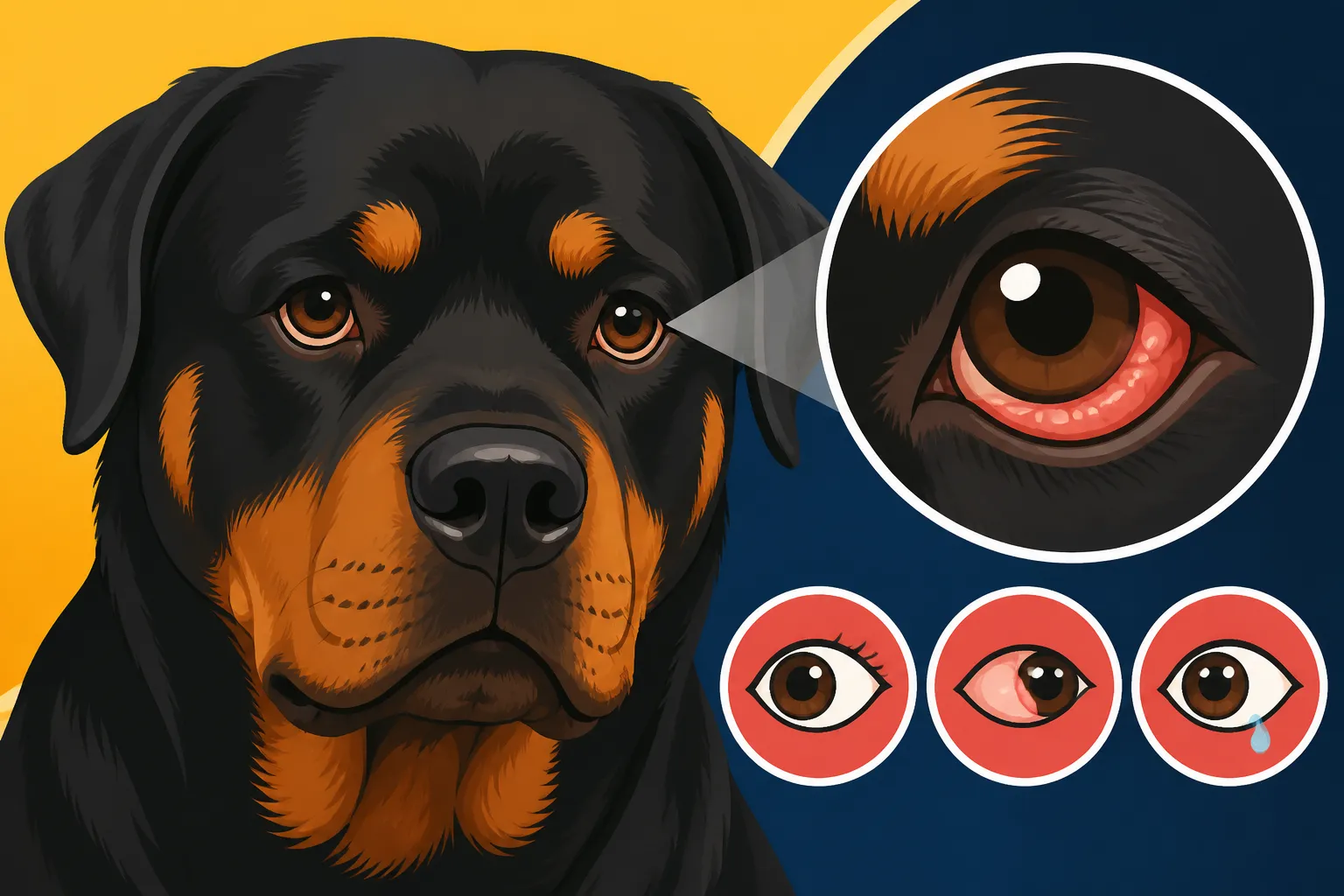
As Rottweilers mature, the signs of entropion can become more pronounced and distressing. The most obvious sign is the visible inward turning of the eyelid margin, often the lower lid, but sometimes the upper lid too. You might literally see the eyelashes brushing against the eyeball. This constant friction can lead to chronic redness and inflammation of the conjunctiva (the pink lining of the eyelids), making their eyes look perpetually irritated and sore. A thick, mucoid discharge or even pus might be present, especially if a secondary bacterial infection has set in due to the irritation. Your dog might hold their eye partially closed, blink excessively, or show signs of intense pain, such as being withdrawn or unwilling to play. Over time, the constant rubbing can scratch the cornea, leading to corneal abrasions or even deep corneal ulcers. These ulcers are extremely painful and, if left untreated, can result in scarring, vision impairment, or in severe cases, even rupture of the eyeball.
Distinguishing Entropion from Other Eye Issues
It's easy to confuse entropion symptoms with other common eye problems, which is why a vet visit is essential for accurate diagnosis. For instance, seasonal allergies can cause red, itchy eyes and discharge, similar to entropion. However, with allergies, the eyelid typically doesn't physically turn inward, and the itchiness is often accompanied by other allergy symptoms like skin irritation or paw licking. Similarly, conjunctivitis, or "pink eye," can cause redness, swelling, and discharge, but it's usually an inflammation of the conjunctiva itself, often due to bacteria, viruses, or irritants, rather than a structural issue with the eyelid. A foreign body, like a piece of grass or dirt, can also cause acute pain, squinting, and tearing, but usually only in one eye and with a sudden onset. While eye irritation from any source warrants veterinary attention, a persistent inward-turning eyelid is a strong indicator of entropion. If you're struggling to tell the difference, remember that seeking professional veterinary advice is always the safest bet. It's similar to how one might confuse Rottweiler Allergies and Recurring Skin Infections with other skin conditions, emphasizing the need for expert assessment.
Diagnosis and Medical Management Options
When you suspect your Rottweiler might have entropion, the first and most critical step is a visit to your veterinarian. They can accurately diagnose the condition and recommend the best course of action. Don't try to self-diagnose or treat, as improper care can lead to more severe damage.
The Veterinary Examination
During the examination, your vet will perform a thorough ophthalmological assessment. They'll closely inspect your Rottweiler's eyelids, looking for any inward turning, redness, swelling, or discharge. They'll also check for evidence of corneal irritation, such as cloudiness, blood vessels growing across the surface, or actual ulcers. Often, they'll use a special ophthalmic stain, called fluorescein, to detect corneal abrasions or ulcers. This dye adheres to any damaged areas on the cornea, glowing green under a blue light, making even tiny scratches visible. Your vet might also gently manipulate the eyelids to see how much of the inward roll is permanent versus how much might be temporary or spastic. In some cases, especially if your regular vet has concerns, they might refer you to a board-certified veterinary ophthalmologist for a more specialized evaluation, particularly if surgery seems likely. This thoroughness is akin to the detailed evaluations required for issues such as Rottweiler Eye Certification and the Three Year Rule, ensuring comprehensive care.
Temporary Relief Measures
While surgical correction is often the definitive solution for entropion, especially in moderate to severe cases, there are temporary medical management options that can provide relief and manage symptoms, especially in young puppies or while awaiting surgery. Lubricating eye drops or artificial tears can help reduce friction between the eyelashes and the cornea, offering some comfort. Antibiotic eye drops or ointments might be prescribed if a secondary bacterial infection or conjunctivitis is present. Anti-inflammatory drops can also help reduce swelling and redness. For puppies with congenital entropion, a technique called "eyelid tacking" might be used. This involves placing temporary sutures in the outer eyelid to gently pull it away from the eye as the puppy grows. The goal is that as the facial structures mature, the eyelid might correct itself, or at least the irritation is minimized until the puppy is old enough for a more permanent surgical correction, typically after its head has largely finished growing. This can buy time and prevent corneal damage during a critical growth period.
Addressing Secondary Infections
The constant irritation from entropion creates an ideal environment for secondary bacterial infections. The rubbing and tearing can break down the eye's natural protective barriers, allowing bacteria to flourish. If your Rottweiler has a noticeable discharge (yellow, green, or thick white) in addition to the entropion, it's highly likely a secondary infection, such as bacterial conjunctivitis, has developed. Your vet will typically prescribe antibiotic eye drops or ointment to clear up these infections. It's crucial to follow the medication regimen exactly as prescribed, even if the eye appears to improve quickly, to ensure the infection is fully eradicated. Untreated infections can worsen the irritation, contribute to corneal ulceration, and even become resistant to antibiotics. Addressing these infections is a critical part of managing entropion, as it reduces pain and prevents further damage while you explore more permanent solutions. When dealing with ongoing health concerns like this, having pet insurance like from Healthy Paws can significantly alleviate the financial stress of repeated vet visits, specialized medications, and potential surgical interventions.
Surgical Correction: When and How
For most Rottweilers suffering from entropion, surgical correction is the most effective and often necessary treatment to provide lasting relief and prevent serious complications. Deciding when to operate and understanding the procedure are important steps in your Rottweiler's care journey.
Timing is Key: Best Age for Surgery
The timing of entropion surgery, especially for young Rottweilers, is a common point of discussion between owners and vets. For puppies diagnosed with congenital entropion, temporary eyelid tacking is often preferred. This allows them to grow and develop without constant irritation, and sometimes, as their head matures, the entropion might partially or fully resolve on its own. Permanent surgical correction is generally recommended once your Rottweiler has reached skeletal maturity, typically around 12 to 18 months of age, and ideally after their Rottweiler Growth Plates Closing at Eighteen to Twenty-Four Months. Operating too early on a still-growing puppy can be problematic because their facial structures are still developing. The amount of eyelid tissue needing removal or adjustment might change, potentially leading to over-correction or under-correction, requiring a second surgery down the line. Waiting until they are nearly full-grown ensures that the surgical correction is more precise and has a higher chance of being a one-time procedure, giving them the best long-term outcome.
The Surgical Procedure Explained
The goal of entropion surgery is to permanently reposition the eyelid so that it no longer rolls inward and rubs against the eye. The most common procedure is called a Hotz-Celsus technique or a modified version thereof. Performed under general anesthesia, the vet carefully removes a small, crescent-shaped strip of skin and underlying muscle from the affected eyelid, parallel to the eyelid margin. Once this tissue is removed, the remaining edges are sutured together. This tightens the eyelid and pulls it slightly outward, correcting the inward roll. The amount of tissue removed is critical and requires significant surgical skill and experience to avoid over-correction (ectropion, where the eyelid turns outward) or under-correction. In some complex cases, or if a large amount of tissue needs adjustment, a specialist veterinary ophthalmologist might perform more intricate reconstructive techniques. The success rate for these surgeries is generally very high, providing immense relief for the dog. Understanding potential Rottweiler Surgery Costs From Bloat to Bone Cancer can give you an idea of the financial commitment involved in such procedures, making early financial planning crucial.
Post-Operative Care and Recovery
After entropion surgery, careful post-operative care is essential for a smooth recovery and successful outcome. Your Rottweiler will likely go home with an Elizabethan collar (the "cone of shame") to prevent them from rubbing, scratching, or interfering with the surgical site, which could disrupt the sutures or introduce infection. You'll typically be given oral antibiotics to prevent infection and anti-inflammatory medications to manage pain and swelling. Your vet may also prescribe topical eye drops or ointments to aid healing and keep the eye lubricated. It's crucial to administer all medications exactly as directed. The sutures usually need to stay in for about 10-14 days before your vet removes them during a follow-up appointment. During this recovery period, restrict your Rottweiler's activity to prevent any accidental trauma to the healing eyelid. Avoid rough play, jumping, or anything that could put strain on the surgical area. A quiet, comfortable environment is best. You'll need to monitor the incision site for any signs of infection, excessive swelling, or discharge and report any concerns to your vet immediately. While recovery generally goes well, complications like infection or partial recurrence are possible, so diligent follow-up care is vital. For unexpected medical costs, remember that pet insurance, such as a policy from Healthy Paws, can be a lifesaver, covering a significant portion of these post-operative expenses.
Preventive Measures and Long-Term Care
While some Rottweilers are simply predisposed to entropion, there are steps you can take as an owner and future owner to minimize risk and ensure your dog maintains optimal eye health throughout their life.
Responsible Breeding Practices
The most effective "prevention" of congenital entropion begins long before a puppy is even born, with responsible breeding. Reputable Rottweiler breeders understand the genetic predisposition of the breed to conditions like entropion. They conscientiously screen their breeding dogs for eye health, often having them examined by a board-certified veterinary ophthalmologist and certified by organizations like the Orthopedic Foundation for Animals (OFA) or the Canine Eye Registration Foundation (CERF). These certifications, part of broader health clearances such as The Five Clearances a Rottweiler Breeder Must Have, aim to identify and remove affected individuals from the breeding pool. A responsible breeder will be transparent about the health history of their breeding dogs, including any incidence of entropion in their lines, and will gladly provide you with documentation of eye examinations and clearances for both parents. By choosing a puppy from parents with clear eye health certifications, you significantly reduce the risk of your Rottweiler developing inherited entropion. Avoiding breeders who do not conduct these essential health screenings, no matter how attractive the What a Health-Tested Rottweiler Puppy Costs might seem, is paramount for your future dog's well-being.
Regular Eye Health Monitoring
Even if your Rottweiler comes from excellent lines and has never shown signs of entropion, regular eye health monitoring is a crucial part of their overall care. Make it a habit to routinely examine your dog's eyes at home. Look for any changes in appearance: redness, excessive tearing, discharge, cloudiness, or sensitivity to light. Check to ensure the eyelids are sitting correctly, not rolling inward or sagging outward. If your Rottweiler had eyelid tacking as a puppy, continue to monitor their eyes closely as they mature to ensure the permanent correction isn't needed or that it resolves naturally. Annual veterinary check-ups should always include a thorough eye examination. Your vet can catch subtle changes you might miss and can perform more detailed assessments if needed. For Rottweilers, especially those with any history of eye issues, regular check-ups and early intervention are key to managing their long-term eye health. This proactive approach is just as important as ensuring they get appropriate exercise, carefully considering A Growing Rottweiler's Joints and Overexercise as they grow.
Managing Recurrence and Other Eyelid Problems
While entropion surgery has a high success rate, there's always a slight possibility of recurrence or the development of other eyelid problems. If you notice signs of entropion returning after surgery, it's vital to contact your vet or ophthalmologist immediately. Sometimes, a second, minor corrective procedure might be necessary. Rottweilers can also be prone to other eyelid conditions. Ectropion, the opposite of entropion, is when the eyelid rolls outward, exposing the conjunctiva. This can lead to chronic irritation, dryness, and infections. Another condition is distichiasis, where extra eyelashes grow from abnormal locations on the eyelid margin, often rubbing against the cornea. "Cherry eye," or prolapse of the nictitating membrane gland, is also seen in Rottweilers, where the gland of the third eyelid pops out, resembling a small red cherry in the corner of the eye. Each of these conditions requires specific veterinary diagnosis and treatment. Being vigilant about your Rottweiler's eye health and seeking prompt professional advice for any concerns is the best way to ensure their comfort and preserve their vision. Investing in pet insurance early on, perhaps with a provider like Healthy Paws, can help cover the costs of managing these various, sometimes complex, eye and eyelid conditions throughout your Rottweiler's life.
Here's a quick comparison of some common Rottweiler eye conditions:
| Condition | Primary Cause | Key Symptoms | Typical Treatment |
|---|---|---|---|
| Entropion | Genetic (eyelid folds inward) | Tearing, squinting, redness, discharge, corneal ulcers | Temporary tacking (puppies), permanent surgery |
| Ectropion | Genetic (eyelid sags outward) | Dryness, irritation, chronic conjunctivitis | Lubricating drops, potential surgical correction |
| Distichiasis | Abnormal eyelash growth | Irritation from rubbing eyelashes, tearing | Manual removal, cryosurgery, electrolysis |
| Cherry Eye | Prolapsed third eyelid gland | Red, fleshy mass in inner corner of eye, irritation | Surgical repositioning of the gland |
| Conjunctivitis | Infection (bacterial/viral), allergies, irritants | Redness, swelling, discharge (various types) | Antibiotic/antiviral drops, anti-inflammatories, allergy meds |
| Corneal Ulcer | Trauma, entropion, foreign body, infection | Squinting, pain, tearing, cloudy eye, visible defect | Antibiotic drops, pain meds, sometimes surgery |
Disclaimer
The information provided in this article is for educational purposes only and is not a substitute for professional veterinary advice. Always consult with a qualified veterinarian regarding any health concerns or before making any decisions about your Rottweiler's medical care.