Safe Outdoor Temperature for a Rottweiler
The weather can be a real challenge when you share your life with a magnificent Rottweiler. Their dense black coat and powerful, large build mean they don't experience temperatures the same way we do, or even the same way smaller, lighter-coated dogs might. Too hot, and they risk overheating in a flash; too cold, and their paws and ears can suffer. This guide will help you understand the safe outdoor temperatures for your Rottweiler, pinpoint the warning signs of distress, and equip you with practical strategies to ensure their comfort and safety through all seasons.
Understanding Your Rottweiler's Natural Thermostat
It's easy to look at a big, sturdy Rottweiler and assume they're built to withstand anything Mother Nature throws at them. While they are resilient dogs, their unique physiology means they have specific vulnerabilities when it comes to extreme temperatures. Ignoring these factors can lead to serious health issues, which is something no dedicated Rottweiler owner ever wants to face.
The Impact of a Black Coat and Body Mass
One of the most defining characteristics of a Rottweiler is that sleek, black and rust coat. While beautiful, that deep black color is a double-edged sword when the sun is blazing. Black absorbs sunlight and heat much more efficiently than lighter colors. Think about wearing a black t-shirt versus a white one on a scorching summer day – the difference is immediate and dramatic. Your Rottweiler's coat acts like a natural solar panel, pulling in and trapping heat, making it much harder for their body to cool down. It’s not just the external heat, either; it's the internal heat they generate.
Combine this with their impressive body mass – a healthy adult Rottweiler can weigh upwards of 90 to 135 pounds, sometimes more. That sheer volume of muscle and tissue generates a significant amount of metabolic heat, especially when they're active. They're like a powerful engine, and all that work creates heat that needs to be dissipated. A smaller dog has less mass to cool, making the job much easier. For a big, black dog, their cooling system is working overtime in warm conditions, and it has a much harder time keeping up. This is why understanding Heat Tolerance in a Black-Coated Rottweiler is so critical for their well-being.
How Rottweilers Regulate Temperature
Unlike humans, who have sweat glands all over their bodies to help cool down, dogs primarily regulate their body temperature through panting. When a Rottweiler pants, it causes moisture to evaporate from their tongue, mouth, and respiratory tract, which helps to dissipate heat. They also have sweat glands in their paw pads, but these are mostly for traction and scent marking, contributing minimally to overall cooling.
This panting mechanism is effective, but it has its limitations, especially for a large breed like the Rottweiler. If the air is already hot and humid, the evaporative cooling effect of panting is severely reduced. Imagine trying to air-dry laundry in a very humid room – it takes forever because the air is already saturated with moisture. The same principle applies to your dog's panting. High humidity means there's less "room" in the air for more moisture, making it incredibly difficult for your Rottweiler to effectively cool themselves down. This is why a day that feels merely "warm" to you might be dangerously hot for your Rottweiler if the humidity is high. They depend on being able to offload heat to the environment, and if the environment is already hot and wet, they're in trouble.
Decoding the Danger Zone: Temperature Thresholds and Risk Factors
Knowing the general temperature ranges that pose a risk can help you make informed decisions about your Rottweiler’s outdoor activities. These aren't hard and fast rules, as every dog is an individual, but they provide a crucial framework for safety.
The Warm Weather Watch Zones
Generally speaking, temperatures between 68°F and 78°F are considered comfortable and safe for most Rottweilers, provided they have access to shade and fresh water. This is their sweet spot for walks and outdoor play. However, once the mercury starts climbing into the low 80s, you need to start exercising caution.
- 79°F – 84°F (Caution Zone): This is where you should begin to limit strenuous activity and ensure your Rottweiler has constant access to shade and water. Short, slow walks in the early morning or late evening are best. Pay close attention to their breathing and energy levels. Even a quick romp can become dangerous.
- 85°F – 89°F (High Alert Zone): At these temperatures, the risk of heat stress escalates rapidly, especially with any humidity. Outdoor exercise should be strictly avoided. Keep your Rottweiler indoors, in an air-conditioned environment. If they must go outside for a potty break, make it quick and stay in the shade. Pavement can be searing hot at these temperatures, burning paws. Always check the ground temperature with the back of your hand.
- 90°F and Above (Extreme Danger Zone): These temperatures, particularly when combined with humidity, are life-threatening for Rottweilers. Heatstroke can develop very quickly, often within minutes. Keep your dog inside where it's cool and comfortable. Any outdoor time should be for bathroom breaks only, on grass, and as brief as possible.
Remember that humidity drastically increases the perceived heat and reduces your dog's ability to cool down. A dry 85°F might be manageable for a quick potty break, while a humid 80°F could be far more dangerous.
Here's a quick guide to help you gauge the risk:
| Ambient Temperature (°F) | Humidity | Risk Level for Rottweilers | Action Required |
|---|---|---|---|
| Below 68°F | Any | Low | Generally safe for normal activity. |
| 68°F – 78°F | Low | Low-Moderate | Good for walks and play, ensure water & shade access. |
| 79°F – 84°F | Moderate | Moderate-High | Limit strenuous activity. Short walks only. Constant access to shade and water. |
| 79°F – 84°F | High | High | Avoid all non-essential outdoor activity. Stay indoors. |
| 85°F – 89°F | Any | High-Extreme | Strictly no exercise. Potty breaks only, on grass, in shade. Pavement can burn paws (check Rottweiler Paw Protection on Hot Pavement). |
| 90°F + | Any | Extreme | Stay indoors in air conditioning. Life-threatening risk of heatstroke. |
The Cold Weather Limits
While Rottweilers have a double coat, they are not Arctic dogs. Their short outer coat and dense undercoat offer some protection, but prolonged exposure to very cold or wet conditions can still lead to hypothermia and frostbite. Rottweiler Cold Tolerance in Winter helps you understand their limits.
- 30°F – 45°F (Caution Zone): Most Rottweilers can tolerate these temperatures for walks and outdoor playtime, but keep an eye on them for shivering or discomfort. For dogs not used to the cold, or those with less body fat, limits may be shorter.
- 20°F – 29°F (High Alert Zone): At these temperatures, limit outdoor exposure to about 15-20 minutes. Consider a dog coat or sweater, especially for older or thinner Rottweilers. Watch for signs of cold, particularly on their paws.
- Below 20°F (Extreme Danger Zone): Prolonged exposure at these temperatures can quickly lead to frostbite on ears, paws, and tail, and hypothermia. Keep outdoor time to essential potty breaks only. If your Rottweiler needs to be outside, ensure they have a well-insulated, protected shelter that's off the ground. Never leave them tethered outside in these conditions. Even though they have an undercoat, Whether a Rottweiler Undercoat Is Enough in Snow is often a concern, and the answer isn't always yes.
Wind chill can make even moderate cold feel much more severe, so always factor that into your outdoor decisions. Wet weather, whether rain or snow, also dramatically increases the risk of cold-related issues, as a wet coat loses its insulating properties.
Individual Factors That Shift the Needle
It's crucial to remember that the above temperature ranges are general guidelines. Your Rottweiler's individual circumstances can significantly alter their tolerance for heat and cold.
- Age: Both very young puppies and senior Rottweilers are more vulnerable to temperature extremes. Puppies have less developed thermoregulation systems, and seniors may have underlying health conditions that impair their ability to cope. If you have a senior, Senior Rottweiler Care After the Age of Seven becomes even more paramount, and knowing The Age at Which a Rottweiler Counts as Senior is helpful. Similarly, puppies have Exercise Limits for a Rottweiler Under Six Months that extend to temperature exposure.
- Health Conditions: Dogs with respiratory issues (like brachycephalic dogs, though Rottweilers are not typically one), heart conditions (such as Rottweiler Heart Disease and Subaortic Stenosis), or conditions like Rottweiler Hypothyroidism and Unexplained Weight Gain can struggle more than healthy dogs. Even a minor illness can reduce their ability to cope with heat or cold.
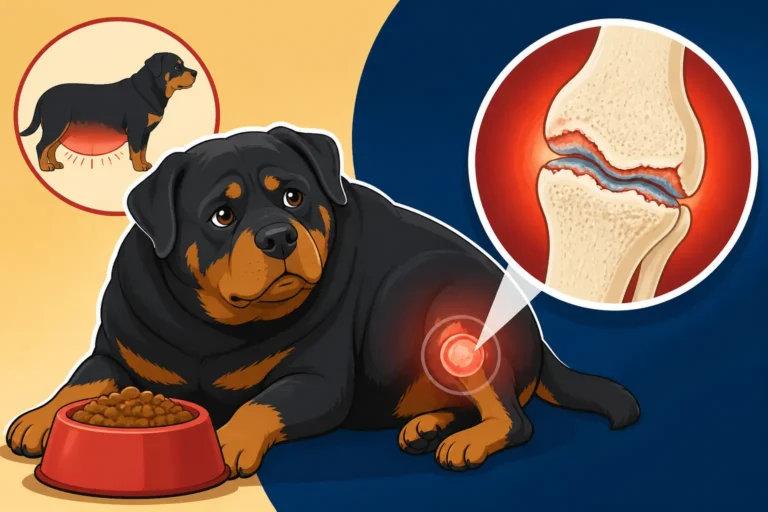
- Obesity: Overweight Rottweilers are at a significantly higher risk for heatstroke because the extra layer of fat acts as insulation, trapping heat, and their bodies have to work harder, generating more heat. Maintaining a healthy weight is one of the best things you can do for their temperature regulation.
- Acclimatization: A Rottweiler accustomed to a cooler climate will struggle more in sudden heat than one that has slowly acclimatized. The same goes for cold. If you're traveling or experiencing an unseasonable swing, be extra cautious.
- Activity Level: A Rottweiler exercising vigorously will overheat much faster than one resting in the shade. Even in seemingly moderate temperatures, intense play can lead to heatstroke. Exercising a Rottweiler in Summer Heat needs careful planning.
Always observe your dog's specific reactions and adjust your plans accordingly. They can't tell you in words if they're too hot or too cold, so you need to be their advocate.
Spotting the Signs: When Your Rottweiler is Struggling
Being able to quickly identify the signs of heat stress or cold exposure is paramount. Early intervention can literally be the difference between life and death. You need to be vigilant, especially during periods of extreme weather.
Recognizing Heat Stress and Heatstroke
Heatstroke is an emergency. It progresses rapidly and can cause irreversible organ damage or death. As a Rottweiler owner, you need to know the signs by heart.
Early Signs of Heat Stress: These are your warning signals.
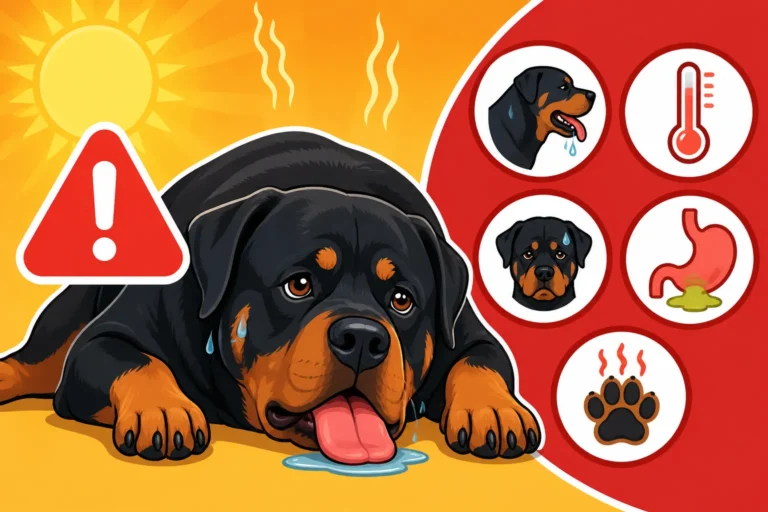
- Excessive Panting: More rapid and deeper than normal panting, often with a wide-open mouth and floppy tongue.
- Increased Drooling: Heavy, stringy saliva.
- Seeking Shade or Cool Surfaces: An obvious attempt to find relief.
- Reddened Gums: The gums may appear brighter red than usual due to increased blood flow.
- Lethargy or Weakness: Your normally energetic Rottweiler might seem unusually tired or reluctant to move.
Progression to Heatstroke: If these early signs are ignored, the condition can quickly worsen.
- Stumbling or Disorientation: They might seem wobbly or confused.
- Vomiting or Diarrhea: This can include blood in severe cases.
- Collapse or Loss of Consciousness: A Rottweiler That Collapses Suddenly During Play is a dire emergency.
- Dark Red or Purple Gums: Indicating severe circulatory issues.
- Elevated Body Temperature: A rectal temperature above 104°F is an emergency.
- Glassy Eyes: A vacant or staring expression.
If you observe any of these severe signs, your Rottweiler needs immediate veterinary attention. This is a life-or-death situation, and every second counts. Don't wait to see if they "get better." Get them to an emergency vet clinic right away, while taking steps to cool them down during transport. Further details on Rottweiler Heat Exhaustion Warning Signs can help you recognize the subtle indicators.
Identifying Cold Exposure and Hypothermia
While less common than heatstroke for Rottweilers, hypothermia and frostbite can still occur, especially in prolonged exposure to freezing temperatures or wet conditions.
Early Signs of Cold Exposure:
- Shivering: An obvious involuntary tremor as their body tries to generate heat.
- Hunched Posture: Tucking their tail, hunching their back, trying to conserve warmth.
- Whining or Restlessness: Indicating discomfort or anxiety.
- Lifting Paws: Trying to get their paws off the cold ground, a clear sign of discomfort with the surface temperature.
- Reluctance to Move: They might become stiff or slow.
Progression to Hypothermia:
- Lethargy or Weakness: Becoming increasingly sluggish or unresponsive.
- Stiff Muscles: Difficulty moving, stumbling.
- Shallow Breathing: Respiration becomes slow and weak.
- Pale or Bluish Gums: Indicating poor circulation.
- Dilated Pupils: Eyes appear unfocused.
- Collapse: In severe cases, they may lose consciousness.
Frostbite typically affects extremities like ears, tail, and paws. The skin may appear pale, grayish, or waxy, and feel cold and hard to the touch. It might become red and painful as it thaws. If you suspect hypothermia or frostbite, move your Rottweiler to a warm, dry area, wrap them in blankets, and contact your veterinarian immediately for advice. Do not rub the affected areas.
Year-Round Safeguards: Keeping Your Rottweiler Safe and Comfortable
Prevention is always better than cure when it comes to temperature-related illnesses. With a Rottweiler, you need to be proactive and implement strategies that account for their unique needs throughout the year.
Managing Hot Weather Hazards
Summer can be a beautiful time to enjoy the outdoors, but for a Rottweiler, it demands extra vigilance. Making smart choices can prevent a crisis.
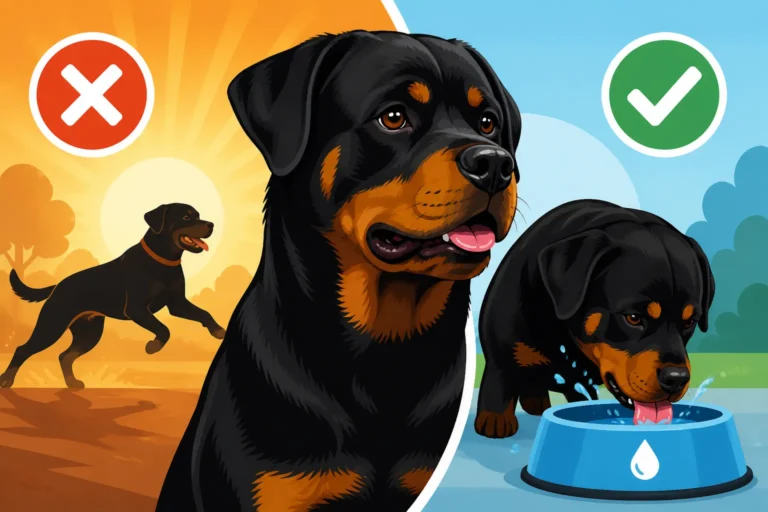
- Adjust Exercise Times: The golden rule for warm weather is to avoid the hottest parts of the day. Stick to early mornings (before 8 AM) and late evenings (after 7 PM, once the sun has set and surfaces have cooled). Even if the air feels cooler, direct sun on their black coat can still be too much. Exercising a Rottweiler in Summer Heat should be limited in duration and intensity during these times.
- Provide Ample Shade: When outdoors, your Rottweiler needs constant access to shade. This might mean keeping them under a large tree, ensuring your patio has an awning, or even setting up a pop-up canopy in the yard. Yard Shade a Black-Coated Rottweiler Needs is not a luxury, it's a necessity. Never rely on a doghouse for shade in hot weather; they can trap heat and become like ovens.
- Hydration is Key: Always have fresh, cool water available. If you're out and about, carry a portable water bowl and a bottle of water just for them. Encourage them to drink frequently. You can also add ice cubes to their water bowl at home to keep it cooler longer. For more on this, check out Rottweiler Water Intake at Size.
- Cooling Accessories: There are many products designed to help dogs stay cool. Cooling vests can be soaked in water and worn to provide evaporative cooling. Cooling mats, often filled with gel, draw heat away from their body when they lie on them. Kiddie pools with shallow water can also be a godsend for a Rottweiler who loves to splash. You can find a great selection of cooling vests and mats on Amazon or Chewy that are sized perfectly for a big dog. This brings us to Cooling Mats and Vests for a Rottweiler.
- Never, Ever Leave in a Car: Even on a mild 70°F day, the temperature inside a car can climb to over 100°F in minutes. Cracking a window does almost nothing. This is a non-negotiable rule. Your Rottweiler should never be left unattended in a vehicle, even for a moment.
Tackling Cold Weather Challenges
While heat is often the primary concern for black dogs, cold weather still requires careful management. Rottweilers are not built for prolonged exposure to severe cold.
- Limit Outdoor Exposure: When temperatures drop below freezing, keep outdoor potty breaks brief. Don't let your Rottweiler romp outside unsupervised for extended periods, especially if there's snow or ice.
- Provide Insulated Shelter: If your Rottweiler spends any time outdoors in cold weather, they must have a well-insulated, weatherproof shelter that is elevated off the cold ground and provides a windbreak. This is critical for their survival.
- Paw Protection: Cold pavement, ice, and especially road salt can be very damaging to your Rottweiler's paw pads. Booties can provide protection, or you can use a paw balm before going out and wipe their paws thoroughly with warm water after coming inside. For comprehensive advice, refer to Rottweiler Paw Protection on Hot Pavement.
- Consider a Coat: While their double coat offers some insulation, a senior, lean, or health-compromised Rottweiler can benefit from a well-fitting, waterproof dog coat in very cold or wet conditions. This is particularly true if they have Senior Rottweiler Mobility Decline as they may not be able to generate as much heat through movement. For quality winter coats and paw protection, Chewy often has excellent options that stand up to Rottweiler wear and tear.
- Keep Them Dry: A wet coat loses most of its insulating properties, making your Rottweiler much colder. Ensure they are dried thoroughly after coming in from rain or snow.
Nutritional and Hydration Support
What your Rottweiler eats and drinks plays a role in their ability to cope with temperature shifts, particularly in maintaining optimal hydration and energy levels.
- Consistent Hydration: Year-round access to fresh, clean water is fundamental. In hot weather, you might even consider adding a bit of plain chicken broth (low sodium) to their water to encourage drinking, especially if they're not drinking enough on their own. Water intake is vital for Rottweiler Bloat and the Hours That Matter, which can also be exacerbated by stress or heat.
- Balanced Diet: A high-quality, balanced diet provides the energy and nutrients necessary for all bodily functions, including thermoregulation. Healthy fats and proteins contribute to coat health, which aids in insulation.
- Moisture-Rich Foods: Some owners find that feeding fresh, moisture-rich food can help with hydration, especially for dogs who aren't big water drinkers or who lose appetite in the heat. If your Rottweiler is a picky eater in the heat, or you want to boost hydration through food, services like Ollie offer fresh, moisture-rich meals that can make a difference. This can be especially helpful if you find yourself concerned about your dog's Appetite Loss in an Old Rottweiler.
Consulting Your Vet and Preparedness
Your veterinarian is your best resource for tailored advice concerning your Rottweiler's health and safety in various temperatures.
- Regular Check-ups: Routine vet visits help ensure your Rottweiler is in good health and allow you to discuss any specific concerns you have about their heat or cold tolerance. Your vet can assess their current health status and any underlying conditions that might increase their risk.
- Discuss Individual Risk Factors: If your Rottweiler has a pre-existing condition, is very young or very old, or is on certain medications, talk to your vet about specific precautions you should take in extreme weather. They can provide personalized advice and recommendations.
- Emergency Plan: Know the location and contact information for your nearest 24-hour emergency veterinary clinic. Have a plan for how you would transport your Rottweiler in an emergency. In a heatstroke situation, time is of the essence, and knowing exactly what to do can be life-saving.
Being prepared and attentive to your Rottweiler's needs will help ensure they remain safe and comfortable, allowing you to enjoy all four seasons together without undue worry.
Disclaimer
This article is for general informational purposes only and does not constitute professional advice. Laws, prices and regulations vary by location and change over time. Consult a qualified professional for guidance on your specific situation.