Yard Shade a Black-Coated Rottweiler Needs
It’s a common misconception that because Rottweilers have short coats, they handle heat well. The reality for many Rottweiler owners, especially those with the classic black-and-rust coloring, is that hot weather brings a whole new level of anxiety. That deep, dark coat isn't just a beauty mark; it's a heat magnet. If you've ever worried about your Rottweiler getting too hot in the backyard, you're not alone, and this guide is here to help you understand precisely what kind of shade and environment your black-coated Rottweiler truly needs to stay safe and comfortable when the mercury climbs.
The Unique Heat Challenge for Black-Coated Rottweilers
Our magnificent Rottweilers, with their dense, often black coats, face a specific set of challenges when the sun beats down. It’s not just about feeling a little warm; it’s about a real risk of serious heat-related illness. Understanding why they struggle and what those struggles look like is the first step in keeping them safe.
Why Dark Coats Absorb More Heat
Think about wearing a black t-shirt on a sunny day versus a white one. The black one feels significantly hotter, right? The same principle applies to your Rottweiler's coat, but with far greater consequences because dogs don't sweat like humans do to cool down. Their primary cooling mechanisms are panting and radiating heat from their paw pads. A black coat absorbs a tremendous amount of solar radiation, converting that light energy directly into heat that then gets trapped against their skin. This dramatically raises their core body temperature, forcing their body to work harder to cool down even before they start moving.
This isn't just a theoretical problem; it’s a daily reality during warmer months. I've seen Rottweilers who look perfectly fine one moment, only to be panting excessively and seeking any patch of cool dirt the next, all because that sun-baked coat is turning them into a walking oven. It means that even on a seemingly moderate day, if the sun is strong, your black-coated dog is already at a disadvantage compared to a lighter-colored breed or even a Rottweiler with more extensive rust markings. It's why paying close attention to Heat Tolerance in a Black-Coated Rottweiler is so critical.
Recognizing the Early Signs of Overheating
Spotting that your Rottweiler is getting too hot is crucial, because time is truly of the essence. Early intervention can prevent a life-threatening situation. The very first signs are often subtle: increased panting, especially if it seems more rapid or deeper than usual for their activity level. You might notice them seeking shade more actively, even if it’s just a sliver against a wall. Their gums might appear a darker red than normal, almost brick-colored, instead of a healthy pink. They might also appear restless, unable to settle, or conversely, unusually sluggish and unwilling to move.
As overheating progresses, the signs become more severe and obvious. Excessive drooling, thick ropey saliva, and a glazed look in their eyes are major red flags. They might start staggering or losing coordination, appearing confused or disoriented. Vomiting or diarrhea can also occur. At this point, you're looking at a severe emergency. Never wait for these advanced symptoms. If you see any of the early signs, even if they seem minor, it’s time to act immediately to cool them down. Knowing Rottweiler Heat Exhaustion Warning Signs intimately can make all the difference.
The Real Dangers of Heatstroke for a Large Breed
For a large, powerful breed like the Rottweiler, heatstroke is not just uncomfortable; it can be fatal within a very short time. Their sheer body mass means they generate more internal heat during activity, and it takes longer for them to dissipate that heat once their core temperature rises. This combination, along with a heat-absorbing black coat, puts them at a significantly higher risk than smaller, lighter-coated dogs. Heatstroke can cause irreversible damage to vital organs like the kidneys, liver, and brain. It can lead to disseminated intravascular coagulation (DIC), a severe bleeding disorder, and ultimately, organ failure and death.
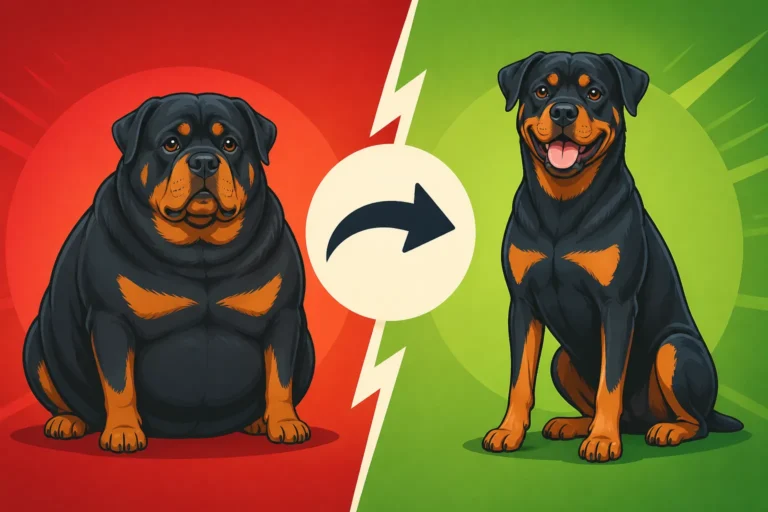
The internal damage can be happening even if the external symptoms aren't fully blown. This is especially true for senior Rottweilers or those with underlying health conditions. Rottweiler Obesity and the Load It Adds is another major factor that compounds this risk, as excess fat acts as insulation, making it even harder for their body to shed heat. Understanding the gravity of this threat should motivate every Rottweiler owner to be proactive, not reactive, when it comes to managing their dog's outdoor environment in warm weather.
Understanding Effective Shade Solutions
Just having some shade isn't always enough for a black-coated Rottweiler. The quality, location, and type of shade make a huge difference in how effectively it protects your dog from the sun's intense heat. We need to think beyond simply blocking direct sunlight.
Natural Shade vs. Artificial Structures
When it comes to shade, nature often does it best. Large, mature trees with dense canopies offer excellent, broad coverage that moves with the sun throughout the day. The leaves themselves absorb some of the solar radiation, and the transpiration from the tree (the process of water vapor being released from leaves) can even contribute to a slight cooling effect in the immediate vicinity. This makes natural tree shade superior in many ways.
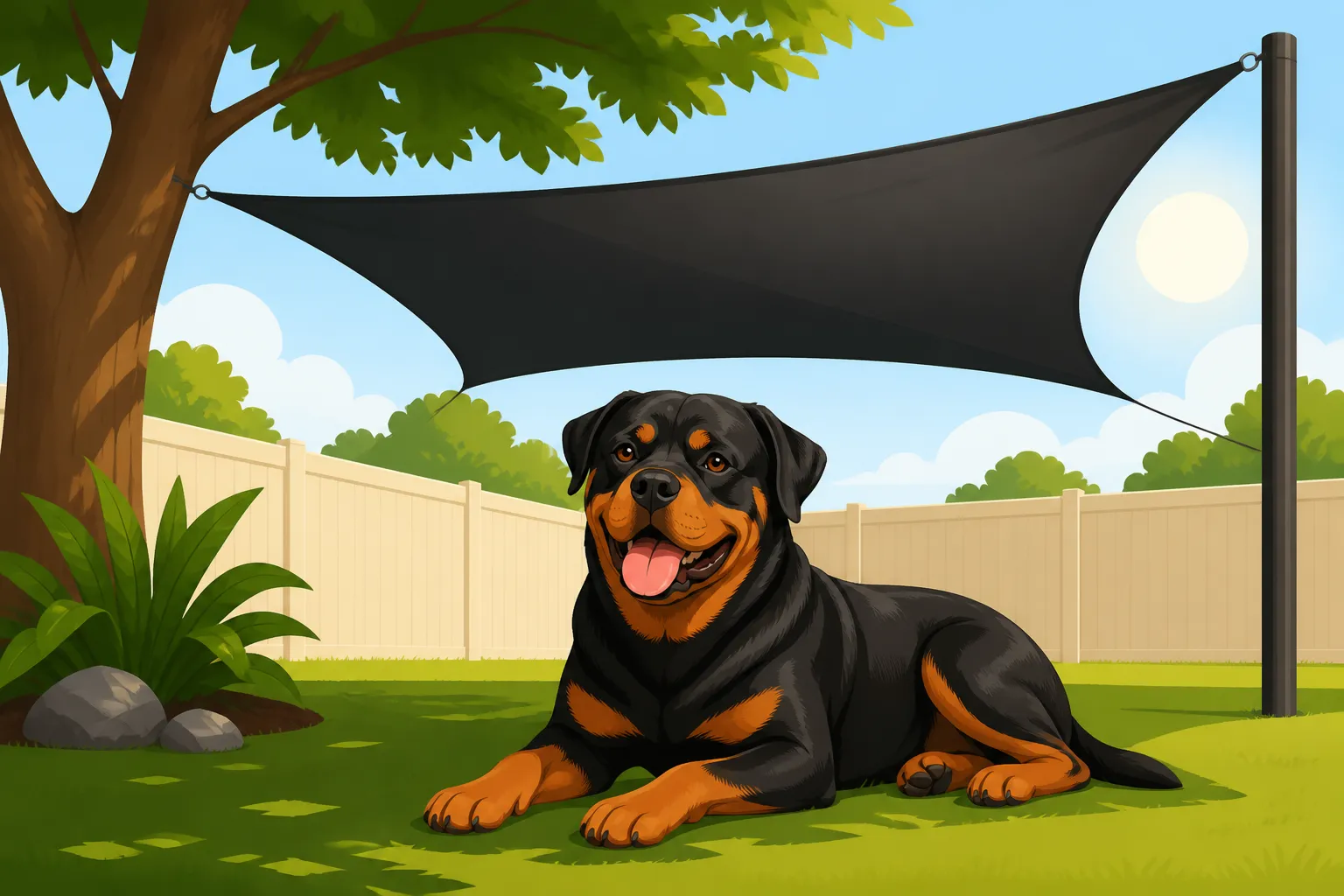
However, not everyone has large, perfectly placed trees in their yard. This is where artificial structures come in. Things like shade sails, pergolas with solid roofs, or even a well-placed patio umbrella can provide critical relief. The key here is not just blocking the sun, but also considering the materials and design. A dark metal shed, for example, might offer shade inside, but the metal walls will absorb and radiate heat, turning the interior into an oven. Lighter-colored materials, reflective surfaces, and designs that allow for maximum airflow are far more effective. A simple dog house, while offering overhead shade, can quickly become too hot inside due to poor ventilation, especially if it’s placed in direct sunlight for any part of the day.
The Importance of Airflow and Surface Temperature
Shade alone isn't always sufficient; you also need good airflow. Imagine standing under a tree on a hot, muggy day. It's cooler than direct sun, but if there's no breeze, it can still feel stifling. The same applies to your Rottweiler. Stagnant hot air around them makes it much harder for them to cool down through panting, which relies on evaporating moisture from their respiratory tract. Shade structures that are enclosed or have low ceilings can trap hot air, negating some of the benefit. Look for open-sided structures, or place shade in areas where prevailing breezes can naturally flow through.
Equally important is the surface temperature. Even if your dog is in the shade, if they're lying on hot concrete, asphalt, or dark patio pavers that have been baking in the sun all day, that heat will radiate into their body. This ground heat can be substantial. Rottweiler Paw Protection on Hot Pavement is something we often think about for walks, but it applies to their yard, too. Always check the ground temperature with your hand; if it's too hot for your bare hand for five seconds, it's too hot for their paws and bodies. Grass or elevated dog beds that allow air circulation underneath are much better options for resting surfaces in the shade.
Practical Shade Options for Your Yard
When planning shade for your Rottweiler, consider both fixed and movable options to adapt to the sun's movement throughout the day.
Here are a few practical solutions:
- Large Shade Trees: If you have them, utilize them. Trim lower branches to maximize airflow underneath. Plant new ones if possible, though they take years to mature.
- Shade Sails: These are incredibly versatile. They come in various shapes and sizes and can be angled to block sun at different times of the day. Choose light-colored, UV-resistant fabric for maximum heat reflection. You can often find a good selection of durable shade sails on platforms like Amazon.
- Pergolas or Awnings: A fixed pergola with a solid, reflective roof or a retractable awning attached to your house offers excellent, consistent shade. Ensure they are tall enough for good airflow.
- Large Patio Umbrellas: While more temporary, a large, sturdy outdoor umbrella can provide a significant patch of shade. Make sure it's weighted down securely and can be easily repositioned.
- Elevated Dog Beds: Even under a shade structure, an elevated dog bed (often made with a mesh fabric) allows air to circulate underneath your dog, preventing heat transfer from the ground. Many pet retailers, including Chewy, offer a variety of sizes and styles suitable for a large breed like a Rottweiler.
- Temporary Canopy Tents: For specific areas or days, a portable pop-up canopy can be a lifesaver. Again, prioritize light colors and good ventilation.
Here’s a quick comparison of popular shade types:
| Shade Type | Pros | Cons | Best For |
|---|---|---|---|
| Mature Trees | Natural, widespread, evaporative cooling | Slow to grow, fixed location, leaf litter | Long-term, large yards with existing trees |
| Shade Sails | Flexible, modern look, good airflow | Requires anchor points, may need repositioning | Versatile, custom coverage |
| Pergolas/Awnings | Fixed, reliable, can be aesthetically pleasing | Permanent installation, higher cost | Consistent patio/deck shade |
| Patio Umbrellas | Portable, adjustable, relatively inexpensive | Smaller coverage, less stable in wind | Temporary shade, small spaces, quick changes |
| Canopy Tents | Portable, easy setup, large coverage | Less aesthetically pleasing, can be flimsy | Events, temporary yard setups, designated areas |
Setting Up a Safe Outdoor Environment
Providing adequate shade is a huge step, but it’s just one piece of the puzzle. A truly safe outdoor environment for your Rottweiler during warm weather combines shade with other proactive strategies and constant vigilance.
Combining Shade with Other Cooling Strategies
Think of shade as your foundation, and then build layers of cooling on top. Your Rottweiler needs access to fresh, cool water at all times. Use heavy, tip-proof bowls, and consider multiple water stations in different shaded areas. A kiddie pool filled with a few inches of cool water can be a fantastic way for your Rottweiler to cool off their paws and belly – many Rottweilers adore splashing around. Just make sure the water is clean and refilled often.
Another excellent strategy is providing Cooling Mats and Vests for a Rottweiler. These can be placed in shaded areas, giving your dog a cool surface to lie on or a vest to wear that helps draw heat away from their body. Some mats are gel-filled and self-cooling, while others require soaking in water. Sprinklers or misters can also be used in combination with shade to create a cooler microclimate, but always ensure your dog isn't forced into them and has an escape route if they don't like it. Remember, these are supplementary; they don't replace good shade and abundant water.
Monitoring Your Rottweiler in the Heat
You can have the best shade and cooling setup in the world, but if you're not actively monitoring your Rottweiler, you're missing the most important piece of heat safety. Never leave your Rottweiler unattended outdoors for extended periods on hot days, even in the shade. Regular check-ins are essential. Watch their breathing: is it rapid, shallow, or labored? Are they panting excessively without recent exercise? Feel their ears; if they feel hot to the touch, it's a warning sign. Check their gums and tongue color for any changes (bright red, purple, or pale are all bad signs).
The best approach is to limit their time outdoors during the hottest parts of the day. Early mornings and late evenings are typically the safest times for any significant outdoor activity or extended yard time. During peak heat hours, bring them inside to air conditioning. This is especially true if you live somewhere with high humidity, as humidity makes it much harder for dogs to cool themselves through panting. Even if it's only 80 degrees, high humidity can make it feel like 90-plus to your dog. Always keep in mind Safe Outdoor Temperature for a Rottweiler and adjust their schedule accordingly.
Considerations for Different Yard Sizes and Climates
Not all yards or climates are created equal, and your shade strategy needs to adapt.
-
Small Yards/Apartments: If you have a smaller yard or live in an apartment with a balcony, your options might be limited. A large, well-placed patio umbrella or a series of shade sails can make a huge difference. For these environments, bringing your Rottweiler indoors during the hottest hours is often the best and safest solution. A small kiddie pool on the patio for a quick dip can help. Keeping a Black-Coated Rottweiler Cool in confined spaces takes extra creativity and diligence.
-
Large Yards: Larger yards offer more flexibility. You can strategically plant trees, install multiple shade structures, and create "cooling zones" with a combination of shade, water, and perhaps even a patch of wet grass. Consider where the sun moves throughout the day and place shade where it will be most effective during the peak heat hours.
-
Hot, Dry Climates: In areas with low humidity, evaporative cooling methods (like misters or a wet towel on their chest) can be more effective. However, the intensity of the sun can be higher, making robust, dense shade critical. Ground temperatures can also soar very quickly.
-
Hot, Humid Climates: High humidity significantly hampers a dog's ability to cool down. In these climates, airflow in addition to shade becomes paramount. Look for shade structures that encourage cross-ventilation, and prioritize indoor time with air conditioning. Even in the shade, the oppressive humidity can overwhelm a Rottweiler's natural cooling system.
Regardless of your specific situation, the goal remains the same: create a safe haven from the sun where your Rottweiler can relax without the constant battle against overheating. It's about proactive care, understanding their unique needs, and being vigilant.
Disclaimer
This article is for general informational purposes only and does not constitute professional advice. Laws, prices and regulations vary by location and change over time. Consult a qualified professional for guidance on your specific situation.