Antlers and Bones a Rottweiler Should Not Have
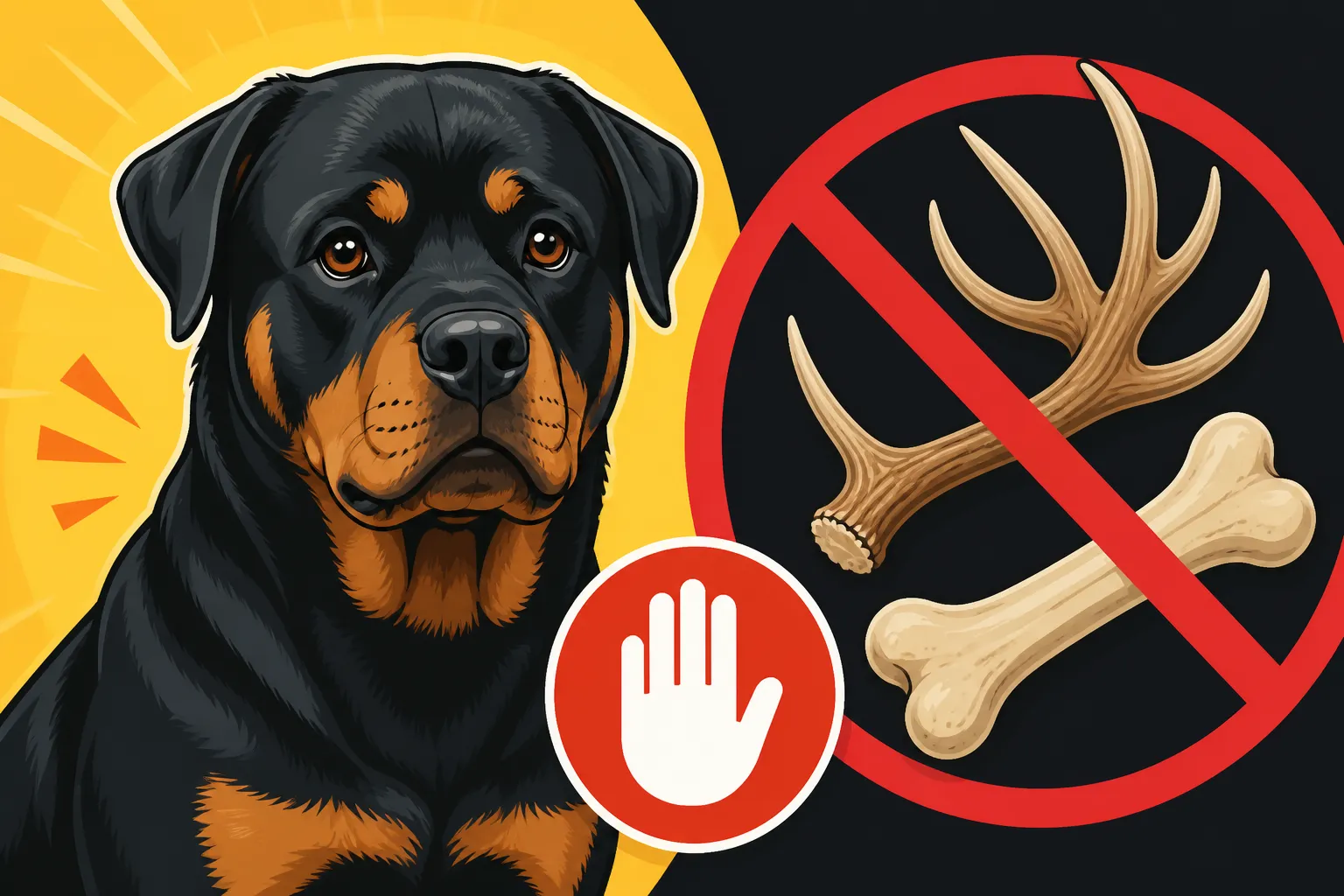
It's so easy to grab what looks like a natural, durable chew for your big Rottweiler, thinking you're doing something good for their teeth and keeping them entertained. But what many of us don't realize is that some of the most common hard chews, like antlers and real bones, can actually cause devastating and incredibly painful injuries to our powerful dogs. This guide is going to walk you through exactly why certain types of bones and antlers are a huge no-go for your Rottie, and what you can offer instead to keep those magnificent jaws happy and healthy without a trip to the emergency vet.
The Allure and the Danger: Why Hard Chews Tempt Owners
We all want the best for our Rottweilers, and that often means giving them things we believe are natural, long-lasting, and beneficial. The idea of a strong, healthy chew that keeps them occupied and helps clean their teeth sounds perfect, doesn't it? Unfortunately, sometimes the very things that seem most appropriate for a robust breed like a Rottweiler are precisely what can lead to serious dental and digestive problems. It's a common trap many well-meaning owners fall into, and it's born from a misunderstanding of just how powerful a Rottweiler's bite truly is.
The Instinct to Chew: A Rottweiler's Natural Need
Rottweilers are natural chewers. From their puppy days, exploring the world with their mouths, to adulthood, where chewing can be a source of comfort, mental stimulation, and even stress relief, it's an undeniable part of their existence. This isn't just a quirky habit; it's deeply ingrained. Their strong jaws and teeth were historically used for holding livestock and protecting property, and that drive to chew is a direct link to their heritage. When you provide an appropriate outlet for this instinct, you fulfill a fundamental need for your dog, helping to prevent them from turning their attention to your furniture or shoes.
However, the sheer power of a Rottweiler's bite means that what might be a safe chew for a smaller dog becomes a dangerous weapon in a Rottie's mouth. Their bite force is substantial, capable of crushing and splintering materials that would simply wear down under a lighter bite. This intense pressure, coupled with their desire to break down and consume their chew, is what turns seemingly harmless items into potential hazards. You're not just dealing with a dog; you're dealing with a powerful working breed that needs chews designed to withstand and safely manage that force.
The Common Misconception: "Natural Must Be Safe"
There's a prevailing belief that if something is "natural," it must inherently be safe and good for our pets. This sentiment often leads owners to offer items like raw bones or shed antlers, reasoning that dogs in the wild would chew on these. While the intention is completely understandable, it doesn't account for the risks introduced by domestication, our home environments, and the specific physical traits of modern dog breeds. A wild canid might chew on a bone, but it also faces different survival pressures and a much shorter lifespan than our beloved companions.
Furthermore, the concept of "natural" doesn't equate to "bio-appropriate" or "safe for chewing." Many natural items are far too hard and unyielding, designed by nature for structural support, not for safe consumption by a dog with a massive bite force. The marketing of "all-natural" or "long-lasting" chews can also be misleading, encouraging owners to overlook the very real potential for injury. It's crucial to look beyond the "natural" label and consider the physical properties of the chew in relation to your Rottweiler's oral anatomy and chewing style.
Antlers: Too Hard, Too Risky for a Rottweiler's Powerful Jaws
Antlers have gained immense popularity as a long-lasting, natural chew option. They are touted as being durable, odorless, and full of minerals. For a breed like a Rottweiler, with their powerful jaws and strong drive to chew, antlers might seem like the perfect solution to keep them occupied for hours. However, this very durability is precisely what makes them one of the most dangerous options for your Rottie's dental health.
The Unforgiving Nature of Antlers
Think about it: antlers are literally bone-hard structures. They are designed to be tough, to withstand impacts and provide structure for an animal's head, not to be broken down by teeth. When a Rottweiler, with its incredible jaw strength, clamps down on an antler, the antler doesn't yield. Instead, something has to give, and more often than not, it's your Rottweiler's teeth. We're talking about molar teeth, the large grinding teeth at the back of the mouth, which are put under immense pressure.
The problem isn't just chipping a small piece of enamel; it's often a full-blown slab fracture. This is where a large piece of the tooth, usually from the crown, breaks off, exposing the sensitive pulp cavity. Imagine cracking a nut with your bare teeth – the force required, and the unforgiving nature of the nut's shell. It's a similar scenario for your Rottweiler. The tooth is stronger than the antler in some ways, but the acute, localized pressure can cause catastrophic damage. These injuries are incredibly painful, can lead to infection, and almost always require expensive veterinary intervention, often involving extraction or a root canal, which can be a significant Rottweiler Dental Disease and Cracked Teeth issue.
Common Injuries From Antler Chewing
The list of potential injuries from antler chewing in a powerful breed like a Rottweiler is sobering. Beyond the aforementioned slab fractures, you can also see other dental traumas. Teeth can be worn down excessively, especially if the dog grinds persistently on the antler, leading to pulp exposure over time, not just in an instant. This chronic wear can be just as painful and problematic as an acute fracture.
But the dangers don't stop at the teeth themselves. The sharp edges or points of a broken antler can cause lacerations to the gums, tongue, or the soft tissues inside the mouth. These cuts can become infected, leading to swelling, pain, and difficulty eating. And if pieces of the antler do break off, your Rottweiler might swallow them. Antler fragments are not easily digestible and can cause choking hazards, internal blockages, or severe irritation to the esophagus and digestive tract. Imagine the worry of The First Call When a Rottweiler Swallows Something and the potential for emergency surgery. For a Rottweiler, where Anesthesia Risk for a Dog a Rottweiler's Size is already a consideration, preventing such incidents is paramount. It’s simply not worth the risk when there are so many safer options available.
Real Bones: Beyond the Backyard Barbecue
The thought of giving a dog a bone is as old as time, a classic image of canine happiness. But in reality, giving your Rottweiler certain types of real bones can be one of the riskiest choices you make. The "real bone" category is broad, but when it comes to Rottweilers, both cooked and certain raw bones pose significant, distinct threats that every owner needs to understand.
Cooked Bones: The Shattering Hazard
Let's get one thing clear: cooked bones are almost universally considered dangerous for dogs. This includes bones from your dinner table, like chicken bones, pork ribs, or even the remnants of a beef roast. The cooking process, especially roasting or boiling, changes the structure of the bone, making it brittle and prone to splintering. Instead of softening or breaking down into digestible pieces, cooked bones shatter into sharp shards, much like glass.
When a powerful Rottweiler crunches down on a cooked bone, these sharp fragments can inflict terrible damage. They can pierce the mouth, gums, and tongue, leading to painful lacerations and infections. Worse, these shards can be swallowed, posing a serious risk to the entire digestive tract. They can get stuck in the esophagus, cause perforations in the stomach or intestines, or lead to blockages that require emergency surgery. The complications can be severe, even life-threatening. A Rottweiler in distress with an internal injury isnething no owner wants to face, and the vet bills for such an emergency can be astronomical, leading to significant Emergency Vet Bills a Rottweiler Owner Should Expect. Always, always avoid giving your Rottweiler any cooked bones.
Raw Weight-Bearing Bones: A Different Kind of Risk
Now, what about raw bones? The advice here gets a little more nuanced, but for a Rottweiler, many raw bones still fall into the "avoid" category. The biggest culprits are raw weight-bearing bones from large animals, such as beef femurs or knuckle bones. These are incredibly dense and hard, designed to support the full weight of a cow or other large animal. While they don't splinter like cooked bones, their extreme hardness presents the same primary danger as antlers: dental fractures.
A Rottweiler's jaw, while incredibly strong, is not designed to repeatedly crush bones of this density without consequence. The force required can easily cause Why a Rottweiler Cracks Teeth on Hard Chews, leading to painful tooth fractures, chips, and excessive wear. Furthermore, the act of chewing on such hard raw bones can be very abrasive, wearing down enamel over time. While proponents of raw bones often cite dental benefits, these benefits are quickly outweighed by the risk of irreversible damage that could necessitate costly procedures to fix a Bad Breath in a Rottweiler With a Cracked Molar or a broken tooth.
There's also the risk of contamination with raw bones, especially if they are not sourced carefully. Bacteria like Salmonella or E. coli can be present, posing a risk to both your dog and your family. If your Rottweiler manages to break off and swallow large pieces of raw bone, even if they don't splinter, they can still cause digestive upset, constipation, or blockages, leading to discomfort and potential vet visits. It's a complex picture, but given the significant risks, especially to those powerful molars, many experts advise against giving large, dense raw bones to Rottweilers.
Safer Alternatives: Protecting Your Rottweiler's Mouth
So, if antlers and most real bones are off the table, what can you give your Rottweiler? The good news is there are plenty of excellent, safer options available that can satisfy their chewing instinct, help with dental hygiene, and provide hours of enjoyment without the risk of costly and painful dental injuries. The key is to understand what makes a chew safe and to choose products specifically designed for powerful chewers.
Understanding Chew Safety Ratings
When selecting chews for your Rottweiler, it's essential to consider the hardness and durability in relation to your dog's chewing style. A good rule of thumb is that if you can't indent it with your thumbnail, or if it feels like you could crack a tooth on it yourself, it's probably too hard for your dog's teeth. The ideal chew for a Rottweiler should be firm enough to offer resistance and last a while, but flexible enough that it won't break teeth. It should slowly wear down or break off in small, digestible pieces, rather than splintering into sharp shards.
Many reputable pet brands are now producing chews with different hardness ratings, and it's worth looking for those designed for "power chewers" but with an emphasis on dental safety. Sometimes the best chews are those that are consumable, designed to be slowly gnawed away rather than lasting indefinitely. Always supervise your Rottweiler with any new chew, especially in the beginning, to ensure they are using it safely and that no small pieces break off unexpectedly. Think about what kind of chew material will complement their Rottweiler Dental Care for a Jaw That Cracks Bone routine, not undermine it.
Here’s a quick comparison of problematic chews versus generally safer alternatives:
| Chew Type | Description | Primary Risk | Safer Alternative | Benefit of Alternative |
|---|---|---|---|---|
| Antlers | Very hard, dense, bone-like structures from deer/elk. | Tooth fractures (slab fractures common), gum lacerations, choking/blockage from swallowed pieces. | Durable rubber toys, dental chews. | Flexible, gentle on teeth, some designed for dental cleaning. |
| Cooked Bones | Brittle bones from any animal that have been heated. | Splintering into sharp shards, piercing mouth/throat/digestive tract, blockages, choking. | Raw, non-weight-bearing bones (e.g., chicken feet), edible dental chews. | Softer, digestible (raw), or specifically formulated for dental health without splintering (edible). |
| Raw Weight-Bearing Bones | Large, dense bones (e.g., beef femurs, knuckles) from cattle. | Tooth fractures, excessive tooth wear, digestive upset/blockages from large swallowed chunks, bacterial risk. | Long-lasting bully sticks, safe nylon chews. | Provide mental stimulation and chewing satisfaction without extreme hardness; wear down gradually. |
| Ice Cubes | Seems harmless, but the extreme hardness of ice. | Can cause unexpected tooth fractures and chipping. | Ice toys or frozen Kongs. | Provide cooling and enrichment without direct tooth impact on hard ice. |
| Cow Hooves | Dried, very hard hooves. | Can shatter into sharp, jagged pieces or cause severe tooth fractures. | Dental chews, soft rubber toys. | More pliable, less likely to splinter or cause dental damage. |
Recommended Durable Chews for Rottweilers
For your powerful Rottweiler, focus on chews that offer appropriate resistance without being excessively hard. Here are some categories and brands to consider:
-
Durable Rubber Toys: Brands like Kong offer classic rubber toys that can withstand intense chewing. The black extreme Kongs are specifically designed for the toughest chewers. You can stuff them with wet food, peanut butter, or Puzzle Feeders Built for a Rottweiler to extend the chewing experience and provide mental enrichment. These are flexible and unlikely to cause tooth fractures. You can often find a great selection of these on sites like Chewy or Amazon.
-
High-Quality Edible Dental Chews: There are many dental chews on the market specifically formulated to be firm enough to clean teeth but soft enough not to cause damage. Look for brands known for quality and those that cater to large breeds. These are designed to be consumed over time, reducing the risk of splintering. Always check the ingredients and ensure they are appropriate for your dog's dietary needs.
-
Bully Sticks: These are a fantastic option for many Rottweilers. Made from beef pizzle, they are fully digestible and wear down slowly. While they can be pricey for a large dog, they offer a satisfying chew without the extreme hardness of bones or antlers. Be sure to buy appropriately sized, thick bully sticks for your Rottweiler, as smaller ones will be gone in a flash and could pose a choking hazard. Brands like those found through Chewy or even specific pet food delivery services like Ollie often offer high-quality, larger bully sticks.
-
Safe Nylon Chews: Some nylon chews are designed to be safe, slowly abrading rather than breaking off in chunks. However, you need to be very careful with these. Always choose reputable brands and inspect the chew regularly for sharp edges or signs of breaking. If a large piece comes off, it could be a choking or blockage hazard. It's really important to find ones that are specifically made for "extreme chewers" and have a good track record. Just remember to replace them once they become too small or damaged.
-
Yak Cheese Chews: These chews are made from hardened yak and cow milk and can be quite durable. They soften as the dog chews, eventually becoming pliable enough to be safely consumed. They are typically digestible and less likely to cause fractures than antlers, though supervision is still key, especially as they get smaller.
Remember that even with safer chews, moderation and supervision are vital. No chew is 100% risk-free. Always remove any chew that becomes too small (a choking hazard), breaks into sharp pieces, or that your Rottweiler is trying to consume too quickly. By choosing wisely and staying vigilant, you can provide your Rottweiler with healthy, enjoyable chewing experiences and avoid unnecessary trips to the vet for Rottweiler Dental Disease and Cracked Teeth or worse. Investing in Chews That Do Not Crack a Rottweiler Molar is investing in your Rottweiler's long-term health and your peace of mind.
Disclaimer
This article is for general informational purposes only and does not constitute professional advice. Laws, prices and regulations vary by location and change over time. Consult a qualified professional for guidance on your specific situation.