Rottweiler Anal Gland Expression
One of the less glamorous, but incredibly important, aspects of caring for a Rottweiler is understanding their anal glands. Many new dog owners, and even some seasoned ones, find themselves completely caught off guard when their big, beautiful Rottie starts scooting across the carpet or emitting a truly foul odor. It's not just a gross quirk; it's often a sign of discomfort or a brewing problem that can lead to pain and infection if ignored. This guide is here to walk you through everything you need to know about your Rottweiler’s anal glands, from what they are to how to manage potential issues and keep your beloved companion comfortable.
What Are Anal Glands and Why Do They Cause Trouble for Rottweilers?
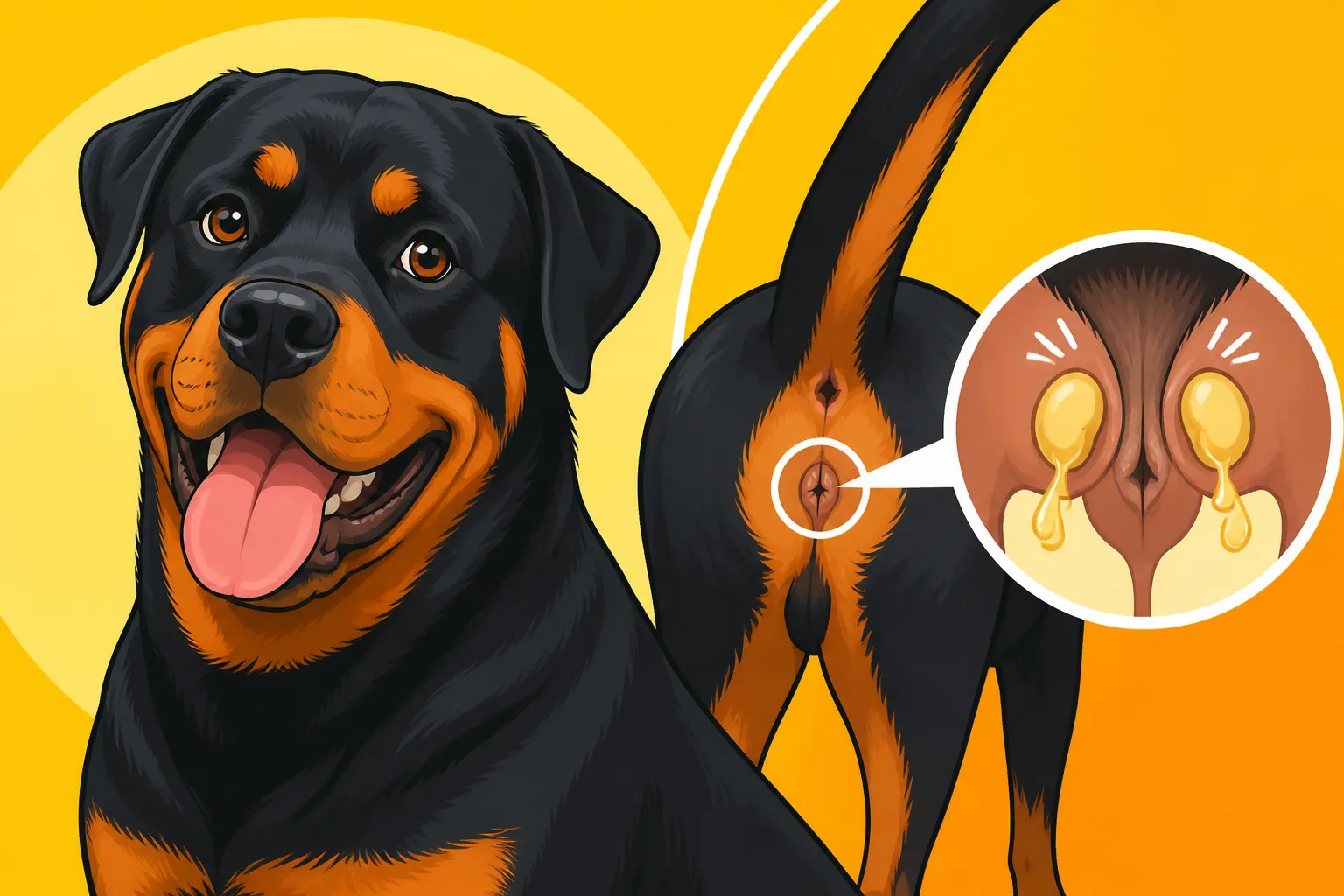
Let's get down to basics first, because understanding the "what" often helps with the "why." Your Rottweiler, like most dogs, has two small sacs, or glands, located just inside their anus, around the 4 o'clock and 8 o'clock positions. These aren't just random bits of anatomy; they serve a purpose. Historically, and even in wild canids today, these glands produce a pungent, oily liquid that's expressed when your dog defecates. Think of it as their personal scent marker, like a canine business card left behind for other dogs to sniff and analyze. It's a rich, deep-dive into who was there and what they've been up to, all communicated through a truly unique aroma.
The problem arises when these glands don't express naturally. For wild dogs, a firm, consistent stool helps to squeeze these sacs empty as they pass. But our domesticated Rottweilers often have diets, lifestyles, and even genetic predispositions that can lead to softer stools, obesity, or simply anatomical quirks that prevent this natural expression. When the glands don't empty, the fluid builds up. It thickens, becomes impacted, and can turn into a breeding ground for bacteria, eventually leading to infection or even abscesses. Imagine trying to pass stool while those glands are painfully swollen—it’s no wonder your dog feels miserable.
Rottweilers, being a larger breed, sometimes seem to be more susceptible to anal gland issues, though any dog can experience them. Their sheer size and weight can sometimes contribute to a less efficient natural expression mechanism, and their dense musculature around the hindquarters might also play a role. It's not always a guaranteed problem, but it's something every Rottweiler owner needs to be aware of and proactively monitor. Ignoring it won't make it go away; in fact, it almost always makes things worse, often much worse.
The Purpose and Location of Anal Glands
These tiny glands, nestled in that delicate area, are essentially little scent factories. Each gland has a small duct that opens just inside the anal sphincter. When everything is working correctly, the pressure of passing a solid, well-formed stool gently pushes on these glands, causing them to release their contents through those tiny ducts. The liquid, a yellowish-brown substance, carries a scent unique to that individual dog, which is why dogs are so fascinated by sniffing each other's rear ends. It’s like reading the daily newspaper for them.
When a Rottweiler has soft stools consistently, perhaps due to a diet that doesn't quite agree with them or even a bout of Rottweiler Allergies and Recurring Skin Infections, that natural pressure isn't applied effectively. The glands don't get squeezed empty. Over time, the fluid inside can become thicker, almost like a paste, making it even harder to express. This impaction is the first step towards a painful problem. It's not just discomfort; it's a ticking time bomb for potential infection if the situation isn't remedied.
Why Rottweilers Can Be Prone to Anal Gland Issues
While anal gland problems aren't exclusive to Rottweilers, several factors might make them more common in our big, strong friends. For one, their size means their stool volume is larger, and the consistency of that stool plays a monumental role. If your Rottweiler often has mushy or inconsistent stools, it's worth looking at their diet. Also, a Rottweiler's robust build and sometimes deep-set hip structure can physically impede the natural expression mechanism. Obesity is another huge contributor; if your Rottie is carrying too much weight, the extra fat around the anal area can make it even harder for the glands to empty properly. We talked about the importance of maintaining a healthy weight in Rottweiler Obesity and the Load It Adds, and it really does impact more than just their joints.
Consider also the fact that Rottweilers, despite their tough exterior, can be stoic about pain. They might be uncomfortable for a while before showing obvious signs. By the time they start scooting or licking excessively, the problem could already be quite advanced. This makes it crucial for owners to be vigilant about any subtle behavioral changes. Sometimes, a recurring anal gland issue can also signal an underlying allergy or gastrointestinal sensitivity that needs to be addressed with your vet. It's rarely just an isolated "bad luck" event if it keeps happening.
Signs Your Rottweiler's Anal Glands Need Attention
Recognizing the signs that your Rottweiler is struggling with their anal glands is crucial for getting them help before the situation escalates. It’s not always as obvious as a full-blown "scoot." Often, the initial signs are subtle, things that you might dismiss as odd behavior if you don't know what you're looking for. But for a dog, especially a large, stoic breed like a Rottweiler, these issues can be incredibly painful and distracting, impacting their overall quality of life.
The most common and notorious sign is, of course, the "scooting." This is when your dog drags their rear end across the floor, often on carpet, grass, or any surface that offers a bit of friction. They’re trying desperately to relieve the pressure and discomfort of full or impacted glands. But it's not the only sign. You might also notice excessive licking or biting at the anal area, a sure indicator that something is irritating them back there. Sometimes, the smell is the first clue – a truly foul, fishy odor that seems to come from nowhere, often described as metallic or intensely pungent. This smell is the distinct aroma of anal gland fluid that has been expressed or is leaking out.
Beyond these more obvious physical and olfactory cues, pay attention to changes in your Rottweiler's demeanor. They might be more restless, reluctant to sit, or even show signs of pain when you try to touch their hindquarters. They might also appear to be straining more during defecation, even if their stool consistency seems normal. These behavioral shifts are their way of telling you that something is wrong, and it's time to investigate further, ideally with your veterinarian's help.
The Notorious "Scoot" and Other Behavioral Clues
Ah, the scoot. It's perhaps the most iconic, and often mortifying, sign of anal gland issues. Your mighty Rottweiler, instead of majestically striding through the living room, suddenly drops their hindquarters and propels themselves forward with their front legs, dragging their rear across your pristine carpet. While it can sometimes be a sign of worms (which is why regular deworming and fecal checks are important), in many cases, it points directly to full or impacted anal glands. They are trying to manually express those uncomfortable sacs.
Beyond the full-on scoot, watch for less dramatic but equally telling behaviors. Is your Rottie suddenly paying a lot more attention to their tail base? Are they licking or chewing at the area underneath their tail much more frequently than usual? Do you see them turning around to gnaw at their backside? This obsessive grooming is a clear signal of irritation and discomfort. Sometimes, they might even become agitated or restless, unable to settle down because of the constant pressure and itch. If you notice your dog yelping or snapping when you touch their hindquarters, especially around the base of the tail or directly under the anus, that's a serious sign of pain and warrants immediate veterinary attention.
Physical Signs and Odor
Sometimes, the most undeniable sign isn't something your Rottweiler does, but something you see or smell. That distinct, powerfully unpleasant odor, often described as fishy or metallic, is a dead giveaway. This smell occurs when the anal glands are full and leaking, or when your dog has expressed them (or tried to) with the fluid ending up on their fur or surroundings. It's not the smell of normal dog farts; it’s a very specific, potent aroma that lingers.
Physically, you might notice swelling around the anal opening. This can be subtle at first, just a slight puffiness, but if an abscess forms, it can become quite pronounced, looking like a large, painful lump on one or both sides of the anus. The skin over the area might also appear red, inflamed, or even broken if your dog has been licking or biting excessively. In some severe cases, an abscess can rupture, leading to a visible opening in the skin from which pus or blood might discharge. This is an emergency situation and requires immediate veterinary care. Don't try to handle a ruptured abscess at home; it's incredibly painful for your dog and needs professional cleaning and antibiotics.
Professional vs. At-Home Expression: Pros, Cons, and Risks
When you realize your Rottweiler is struggling with their anal glands, your first thought might be, "Can I just do this myself?" It's a valid question, especially when you consider the cost and time involved in repeated vet visits. However, for a large, powerful dog like a Rottweiler, and for such a sensitive procedure, it's rarely as simple as it sounds. There's a big difference between a quick external squeeze and a thorough, safe expression.
Generally speaking, for recurrent or severe issues, or for a first-timer, professional expression by a veterinarian or a trained veterinary technician is always the safest bet. They have the knowledge of canine anatomy, the experience to assess the gland's condition, and the ability to perform an internal expression, which is often more effective than an external one. Trying to express anal glands at home, especially internally, carries risks of injury, pain, and incomplete expression, which can exacerbate the problem. It's not something to be taken lightly, or to attempt if you're not absolutely sure what you're doing.
When to Seek Professional Veterinary Care
For most Rottweiler owners, especially those new to anal gland issues, a trip to the vet is the best course of action. Your veterinarian or a trained veterinary technician can assess the situation thoroughly. They'll know if the glands are merely full, impacted, infected, or if an abscess has formed. They can safely express the glands, often internally, which ensures they are fully emptied. This internal method is generally more thorough and less likely to cause damage than external squeezing.
Beyond simple expression, your vet can also prescribe medications if an infection is present, such as antibiotics or anti-inflammatories, and give you guidance on pain management. They can also explore underlying causes, like food allergies or gastrointestinal issues, that might be contributing to the problem. If your Rottweiler has Rottweiler Allergies and Recurring Skin Infections, a diet change might be recommended. This is particularly important for large breeds where misdiagnosis or improper treatment can lead to prolonged discomfort and more severe complications. Don't hesitate to contact your vet if you notice any of the signs we discussed earlier, especially persistent scooting, excessive licking, or that unmistakable foul odor.
The Risks of At-Home Expression for a Large Dog
While some smaller, more docile dogs might tolerate external anal gland expression at home by a very experienced owner, it's generally not recommended for a Rottweiler, or for any large dog. First, controlling a strong, potentially uncomfortable Rottweiler for such a sensitive procedure can be incredibly challenging and even dangerous for both you and your dog. A struggling, stressed dog can be injured, and you could easily be bitten or scratched.
More importantly, improper technique can cause more harm than good. You could bruise the delicate tissue around the glands, cause inflammation, or even rupture a gland. If you only partially express the glands, the remaining fluid can quickly become re-impacted or infected. An external expression, which is the only type an owner should ever attempt, often doesn't fully empty the glands, leaving a residue that continues to cause problems. The risk of missing an infection or an abscess that's already formed is also high, as you won't have the same diagnostic capabilities as a vet. For the safety and comfort of your Rottweiler, and your own peace of mind, professional intervention is almost always the better choice here.
Preventative Care and Ongoing Management
The best offense is a good defense, right? This holds true for anal gland issues. Rather than waiting for your Rottweiler to start scooting across the kitchen floor, there are several proactive steps you can take to help keep their anal glands healthy and encourage natural expression. Most of these strategies revolve around supporting healthy digestion and ensuring consistent, firm stool quality.
Diet plays a colossal role here. A high-quality diet that provides adequate fiber is fundamental. Think of fiber as the "bulk" that helps form firm, well-shaped stools, which in turn put just the right amount of pressure on those glands as they pass. Beyond diet, regular exercise, maintaining a healthy weight, and consistent veterinary check-ups are all part of the puzzle. For Rottweilers who experience recurrent problems, your vet might recommend specific supplements or even discuss a procedure called gastropexy (though this is more for bloat prevention, some procedures are done concurrently, like when discussing Gastropexy Done During a Rottweiler Spay or Neuter). But for anal glands, in particular, focusing on the basics of good health goes a long way.
The Role of Diet and Fiber for Firm Stools
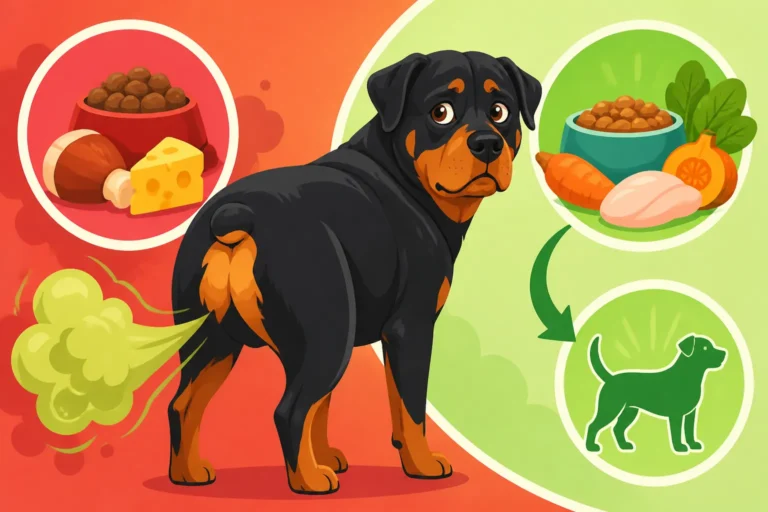
This is where the rubber meets the road. The single biggest factor in healthy anal gland function is consistent, firm, well-formed stools. And what dictates stool quality more than anything else? Diet! If your Rottweiler frequently has soft, mushy, or inconsistent stools, it's a huge red flag that their diet might not be quite right for them. A diet lacking in sufficient fiber won't create the necessary bulk to naturally express the glands.
Look for dog foods that contain good sources of dietary fiber. This could be beet pulp, pumpkin, psyllium husk, or other vegetable fibers. You might even consider adding a fiber supplement or specific high-fiber foods to your Rottweiler's diet, but always discuss this with your vet first to ensure proper dosage and suitability. Brands like Chewy often carry a wide range of high-fiber dog foods and supplements that can help. Some owners find that a fresh-food diet, like those offered by Ollie, can significantly improve stool consistency for their dogs, though it's important to transition slowly and ensure it's nutritionally balanced for a large breed. Experimenting with different protein sources or limited ingredient diets can also help if underlying food sensitivities are causing the soft stools.
| Stool Consistency | Likely Impact on Anal Glands | Recommended Action |
|---|---|---|
| Very Firm/Hard | Can lead to straining, incomplete expression if too hard. | Increase water intake, ensure appropriate fiber. |
| Well-Formed/Firm | Ideal for natural expression. | Maintain current diet, monitor. |
| Soft/Mushy | Insufficient pressure for natural expression, common cause of issues. | Increase fiber, evaluate diet quality, vet consult. |
| Diarrhea/Liquid | No expression whatsoever, very high risk of impaction/infection. | Vet consult immediately for underlying cause, bland diet, rehydration. |
Supplements and Regular Veterinary Check-ups
For Rottweilers prone to recurrent anal gland issues, supplements can sometimes offer additional support. Fiber supplements, as mentioned, are a common choice. Probiotics can also be beneficial, as a healthy gut microbiome contributes to overall digestive health and can improve stool quality. Joint supplements, while not directly related to anal glands, are critical for a Rottweiler's overall health and comfort, especially as they age, and you can find many options on platforms like Amazon or from specialized pet retailers. Remember, a comfortable dog is more likely to have regular, natural bowel movements. We often discuss joint health, such as in Joint Supplements Started Before a Rottweiler Turns Two, which indirectly helps with good posture for defecation.
Regular veterinary check-ups are your secret weapon. Your vet can routinely check your Rottweiler’s anal glands as part of their The Five Evaluations a Rottweiler Needs for CHIC or even just a routine wellness visit, especially as your Rottweiler enters their senior years, where mobility might start to decline, as highlighted in Senior Rottweiler Mobility Decline. This proactive approach allows them to catch any fullness before it becomes an impaction or infection. They can also ensure that their overall health is supporting good bowel function, checking for other conditions that might indirectly affect anal gland health. Think of it as preventative maintenance for a part of your Rottweiler's anatomy that, while often overlooked, is crucial for their comfort and well-being.
Disclaimer
This article is for general informational purposes only and does not constitute professional advice. Laws, prices and regulations vary by location and change over time. Consult a qualified professional for guidance on your specific situation.