Whether Neuter Age Changes Rottweiler Cancer Risk
The decision of when to spay or neuter your beloved Rottweiler can feel like walking a tightrope, can’t it? For years, the default advice was "the earlier, the better," often around six months of age. But as research evolves, many of us are left wondering if that conventional wisdom truly aligns with the long-term health of our large, powerful companions, especially when it comes to the dreaded 'C' word: cancer. This guide will delve into the current understanding of how neuter age might influence cancer risk in Rottweilers, helping you make a more informed choice for your furry family member.
The Big Question: Does Neuter Age Really Impact Rottweiler Cancer Risk?
It’s completely understandable to feel overwhelmed by conflicting information out there regarding spay/neuter timing for a Rottweiler. On one hand, you hear about the benefits of early neutering for population control and preventing certain behavioral issues. On the other, you might stumble upon studies suggesting potential health downsides, particularly for large breeds. For us Rottweiler owners, whose dogs are already prone to certain health challenges, this isn’t just a theoretical debate; it’s a deeply personal concern for the health and longevity of our cherished pets.
Why This Conversation is More Complex Than It Seems
The complexity stems from the fact that a dog's body, especially a growing Rottweiler's, is a symphony of hormones. These hormones don't just influence reproductive organs; they play a crucial role in the development of bones, muscles, and even the immune system. When we remove those hormone-producing glands (the testes or ovaries) early in life, we're not just preventing puppies; we're altering a complex biological process during a critical developmental period. For a breed like the Rottweiler, which grows for nearly two years and matures slowly, the timing of these changes can have far-reaching effects on various bodily systems, including their susceptibility to certain diseases down the line. It's not a simple switch; it's a cascade of subtle, interconnected biological adjustments.
The Traditional Advice Versus Emerging Science
For decades, veterinarians typically recommended spaying or neutering puppies around six months of age, before their first heat cycle for females, or simply before sexual maturity for males. This advice was largely driven by a desire to prevent unwanted litters, reduce the risk of mammary cancer in females, and address certain behavioral tendencies. However, the landscape of veterinary science is always evolving. More recently, large-scale studies have emerged, prompting a re-evaluation of this one-size-fits-all approach, particularly for giant and large breeds like the Rottweiler. These new insights suggest that the absence of sex hormones during crucial growth periods might, in some cases, lead to an increased risk for other serious health conditions, including some types of cancer and orthopedic problems. This shift in understanding doesn't mean the old advice was "wrong" for every dog, but it highlights the need for a more individualized approach based on breed, size, and lifestyle.
Delving into the Research: What Studies Reveal for Rottweilers
When we talk about cancer in Rottweilers, it's important to remember that they, unfortunately, carry a higher predisposition to certain types compared to many other breeds. This makes any factor that might influence cancer risk — like neuter age — a critical area of focus for concerned owners. The research isn't always straightforward, and it's vital to look at studies that specifically include large breeds or Rottweilers themselves to get the most relevant information.
Major Studies and Their Insights on Large Breeds
Several significant studies have investigated the link between neutering status and various health outcomes in dogs, with some focusing specifically on large breeds. One frequently cited study from the University of California, Davis, published in 2013, examined the health records of over 1,500 Golden Retrievers, a breed with similar growth patterns and some shared predispositions to certain cancers and orthopedic issues as Rottweilers. This study found that neutering male Golden Retrievers before one year of age significantly increased the incidence of certain cancers, including lymphosarcoma and hemangiosarcoma, as well as joint disorders like hip and elbow dysplasia. While Rottweilers weren't the specific focus of that study, the findings sparked a lot of discussion among large-breed owners and veterinarians because of the physiological similarities.
Another study, often referred to as the "Purdue study," published in 2005, looked at risk factors for osteosarcoma across many breeds. While this study didn't specifically pinpoint neuter age as the sole cause, it did note that neutered dogs, particularly males, had a higher risk of developing osteosarcoma. These large-scale analyses, though not always exclusive to Rottweilers, provide valuable clues and underscore the importance of considering growth and hormonal development. Understanding these larger trends helps us apply critical thinking to our own Rottweilers' unique needs.
Specific Cancer Risks: Osteosarcoma and Lymphoma
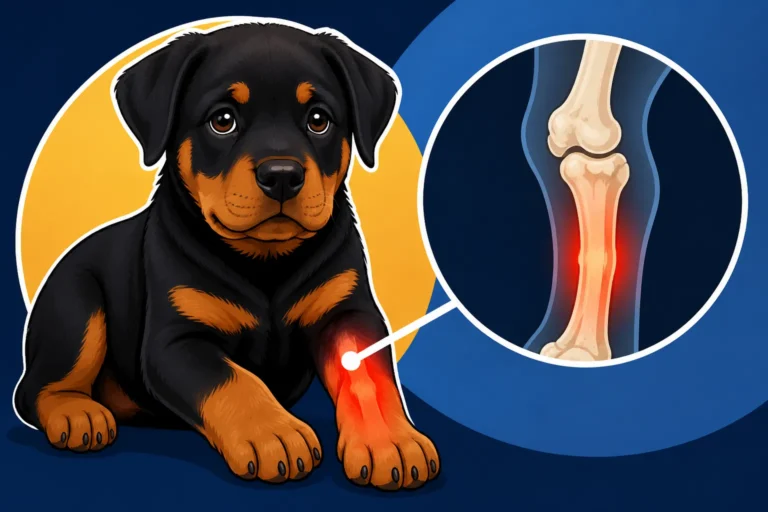
For many Rottweiler owners, the specter of Osteosarcoma, the Cancer That Takes Most Rottweilers looms large. It’s an aggressive bone cancer that is tragically common in our breed, and unfortunately, research has indicated a potential link between neutering, especially early neutering, and an increased risk of this devastating disease. The theory is that sex hormones play a role in the healthy development and closure of growth plates, which typically happens later in large breeds—around 18 to 24 months for Rottweilers. When these hormones are removed prematurely, the growth plates can remain open longer, leading to altered bone development that some researchers hypothesize may contribute to a higher risk of osteosarcoma. This doesn't mean every early-neutered Rottweiler will get bone cancer, but it's a concern many owners and vets are now weighing carefully.
Beyond bone cancer, studies have also explored connections to other malignancies. Lymphoma in a Rottweiler and Its First Signs can be subtle, but this cancer, which affects the lymphatic system, has also shown up with increased frequency in some neutered populations in certain studies, though the connection is complex and not as consistently strong across all research as with osteosarcoma. Similarly, while not always directly linked to neuter age, Hemangiosarcoma and Sudden Rottweiler Collapse is another aggressive cancer seen in the breed, and some data points to potential hormonal influences in its development, though further research is ongoing. These are serious considerations that require a deep dive into your dog's individual risk factors with your veterinary team.
Other Cancers and Hormonal Influence
It's also crucial to distinguish between cancers that are prevented by spay/neuter and those that might be increased. For female Rottweilers, spaying significantly reduces the risk of mammary tumors, especially if done before their first heat cycle. It also completely eliminates the risk of uterine infections (pyometra) and ovarian cancer. For male Rottweilers, neutering eliminates the risk of testicular cancer and can reduce the incidence of certain prostate issues, though it's important to note that it doesn't prevent all prostate problems.
However, the discussion around neuter age is precisely about finding a balance. While eliminating reproductive cancers is a clear benefit, the trade-off, for some breeds, might be an elevated risk for other cancers or conditions later in life. For instance, some research has suggested a potential increase in the risk of certain bladder cancers or even hypothyroidism in neutered dogs. The intricate interplay of sex hormones affects not just the reproductive system but also bone density, muscle mass, metabolism, and the immune system. Disrupting this balance at a young age, before a Rottweiler's Rottweiler Growth Plates and Why They Close So Late, can have widespread, long-term effects that are only now being fully understood. This is why a thorough conversation with your vet, considering all aspects of your Rottweiler's health, is more important than ever.
Navigating the Nuance: Weighing the Risks and Benefits
Deciding the best time to neuter your Rottweiler isn't a simple yes or no answer; it's a carefully balanced decision that takes into account a multitude of factors. There's no universal "right" answer that applies to every dog, and what's best for a Chihuahua might not be ideal for a majestic Rottweiler. This is where your deep understanding of your own dog, combined with expert veterinary advice, truly comes into play.
Beyond Cancer: Considering Joint Health and Behavior
The conversation about neuter timing extends far beyond cancer risk. For large breeds like Rottweilers, joint health is another monumental concern. Conditions like hip and elbow dysplasia are already prevalent, and studies suggest that early neutering might exacerbate these issues. Sex hormones contribute to the proper development and maturation of bones and joints. When neutered early, the growth plates can remain open for a longer period, leading to bones growing to slightly different lengths or densities than they might otherwise. This can alter joint conformation and increase the lifetime risk of developing painful conditions like hip and elbow dysplasia, or even cruciate ligament tears. This is a critical factor for a heavy breed like the Rottweiler, where joint stability is paramount. Many breeders and informed owners now advocate waiting until a Rottweiler is at least 18-24 months old, past the point where their Rottweiler Growth Plates Closing at Eighteen to Twenty-Four Months are fully closed and their Rottweiler Hips and Elbows and the 24-Month Rule evaluations can be completed.
Behaviorally, neutering can certainly help with certain issues like marking, roaming, and inter-male aggression, particularly if done before these behaviors become deeply ingrained. However, for a breed known for its self-assured, sometimes aloof temperament, the behavioral effects can be less predictable. Some studies even suggest that early neutering might be linked to increased anxiety or fear-based aggression in some individuals, though this area of research is still debated and highly individualized. It's about weighing the potential for a calmer dog against the potential for increased health risks.
The Pros and Cons of Early vs. Later Neutering
To help you visualize the complex decision, here's a table summarizing some of the commonly discussed pros and cons related to cancer and joint health, specifically for large breeds like Rottweilers.
| Factor | Early Neutering (Under 12-18 months) | Later Neutering (18-24+ months) |
|---|---|---|
| Osteosarcoma Risk | Potential increased risk in males (some studies) | Potentially lower risk (some studies suggest hormones are protective) |
| Lymphoma/Hemangiosarcoma | Potential increased risk in males (some studies) | Potentially lower risk (some studies) |
| Mammary Tumors (Females) | Significantly reduced risk if spayed before first heat | Reduced, but slightly higher risk if spayed after first heat |
| Testicular Cancer (Males) | Eliminated risk | Eliminated risk |
| Pyometra (Females) | Eliminated risk | Eliminated risk |
| Joint Disorders (e.g., Hip Dysplasia, CCL tears) | Potential increased risk due to altered growth plate closure | Potentially lower risk due to more complete joint development |
| Behavioral (Roaming, Marking) | Often reduced if done early | May still be reduced, but established habits are harder to change |
| Anesthesia Risk | Generally lower due to younger age, but not significantly | Slightly higher due to larger size/age, but manageable |
This table simplifies a highly nuanced topic, and individual outcomes can vary greatly. Remember, the goal is to make the most informed decision possible for your unique dog.
Making the Best Individualized Decision with Your Vet
Given the evolving science and the breed-specific considerations for Rottweilers, the most crucial step is to have an open, in-depth conversation with your veterinarian. They know your dog's individual health history, temperament, and growth trajectory. Be prepared to discuss your Rottweiler's activity level, genetic predispositions (if you know them from your breeder, who hopefully provides The Five Clearances a Rottweiler Breeder Must Have), and your lifestyle.
Some vets are now recommending a "delayed" neuter for large breeds, waiting until 18-24 months or even later, to allow for full hormonal and skeletal maturity. Others might suggest a vasectomy or ovary-sparing spay as an option, which removes the reproductive capability but retains hormone production, though these procedures are not as widely available or understood. There's no shame in seeking a second opinion if you feel unsure. This decision is about maximizing your Rottweiler's health and longevity, acknowledging that Rottweiler Lifespan and the Eight to Ten Year Average is already shorter than we wish it was.
Preparing for the Future: Health Monitoring and Support
Regardless of when you decide to spay or neuter your Rottweiler, or even if you choose not to, proactive health management is absolutely paramount. Our big, loving dogs unfortunately come with a list of potential health challenges, and being prepared both medically and financially can make all the difference.
Proactive Health Screening for Your Rottweiler
Regular veterinary check-ups are the cornerstone of good health, especially for a large breed like a Rottweiler. As they age, it becomes even more critical. Cancer Screening for a Rottweiler Past Six should become a routine part of their annual exams. This might include thorough physical examinations, palpation for lumps and bumps, blood work (including a complete blood count and chemistry panel), and sometimes even urinalysis or abdominal ultrasounds. Catching anything suspicious early on, whether it's a potential tumor or a change in organ function, can vastly improve prognosis and treatment options. If you notice any unusual limping, changes in appetite, unexplained weight loss, or lethargy, don't hesitate to contact your vet immediately. Early detection truly saves lives and buys precious time.
Understanding the Financial Aspect of Cancer Care
Let's be realistic: if your Rottweiler does face a cancer diagnosis, the costs of treatment can be astronomical. From initial diagnostics like X-rays, ultrasounds, and biopsies, to surgery, radiation, or Chemotherapy Protocols Used on Rottweilers, the bills can quickly climb into the tens of thousands of dollars. This isn't meant to scare you, but to highlight the importance of financial preparedness. Many owners, faced with such a devastating diagnosis, are forced to make heartbreaking decisions based on their ability to pay, rather than what’s best for their dog.
This is where pet insurance can be a literal lifesaver. While no insurance policy will cover pre-existing conditions, enrolling your Rottweiler early, ideally when they are a puppy, ensures that any future, unexpected illnesses or accidents—including cancer—will be covered according to your policy terms. Providers like Healthy Paws are well-known for their comprehensive coverage options, which can alleviate much of the financial stress during an already difficult time. Imagine being able to say "yes" to life-extending treatment without agonizing over how you'll afford it. Considering a robust plan from a company like Healthy Paws when your Rottweiler is young and healthy is a smart investment in their future. Even if you don't use insurance, having a dedicated "pet emergency fund" is highly recommended. The peace of mind alone is worth the investment.
Disclaimer
This article is intended for informational purposes only and does not constitute veterinary medical advice. Always consult with a qualified veterinarian for any health concerns or before making any decisions about your Rottweiler's medical care, including spaying or neutering. Individual circumstances can vary greatly, and only a licensed professional can provide personalized recommendations for your pet.